
Events by Critical Studies in Television
Explore 5 premium experiences by Critical Studies in Television
Promoted
List Your Next Big Event
Reach millions of attendees by showcasing your conferences, workshops, or exhibitions on the world's most trusted event platform.
Create Your Event Now
FEATURED
Sep 14 - 16, 2026
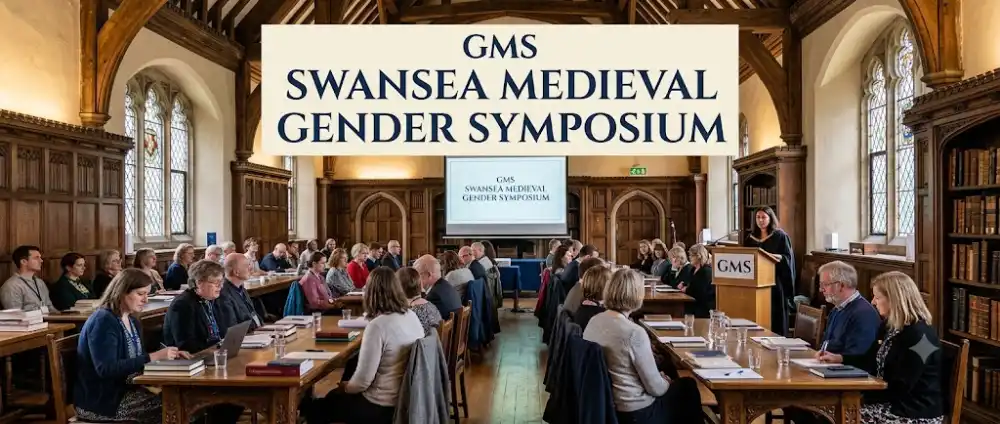
GMS Swansea Medieval Gender Symposium
The Gender & Medieval Studies (GMS) Group is delighted to present an upcoming academic gathering hosted in the vibrant coastal city of Swansea, United Kingdom. This premier interdisciplinary event invites researchers, postgraduate students, early career scholars, and academics from around the globe to explore evolving dialogues in medieval history, literature, culture, and gender studies. Set against the historic backdrop of Swansea, the conference provides a collaborative and inclusive platform to present cutting-edge research, foster multidisciplinary networks, and engage in critical discussions surrounding medieval gender identities, societal roles, and cultural expressions.
Core Academic Themes and Focus Areas
The academic program is meticulously designed to cover a wide array of topics pertinent to medieval studies through the lens of gender and intersectionality. Attendees will delve into thematic sessions exploring how medieval texts, material culture, and social structures reflect and construct gendered experiences. Discussions will examine the intersections of power, status, domesticity, and deviance across various European and global medieval contexts. Special emphasis is placed on fresh archival discoveries, theoretical advancements, and innovative methodologies that challenge traditional historiography and expand our understanding of medieval identities.
Interactive Workshops and Plenary Sessions
Participants can look forward to an enriching itinerary featuring keynote lectures delivered by distinguished leaders in the field, dynamic roundtable discussions, and specialized breakout sessions. Interactive workshops will offer postgraduate researchers and emerging scholars hands-on guidance on publishing academic work, securing research grants, and navigating collaborative projects. These sessions are structured to cultivate mentorship, peer support, and constructive feedback, ensuring that every attendee leaves with enhanced academic insights and professional inspiration.
Networking and Community Engagement
Beyond the rigorous scholarly panels, the event emphasizes community building and collegial interaction. Attendees will have ample opportunity to connect during dedicated networking sessions, evening receptions, and guided cultural excursions highlighting Swansea's rich heritage. The GMS Group remains firmly committed to maintaining a welcoming, diverse, and accessible environment, actively dismantling barriers and fostering deep scholarly friendships. Join us in Swansea for an unforgettable experience of intellectual discovery, collaboration, and academic growth.
Swansea University Bay Campus,
Mumbles
18
0
FEATURED
Aug 03 - 07, 2026
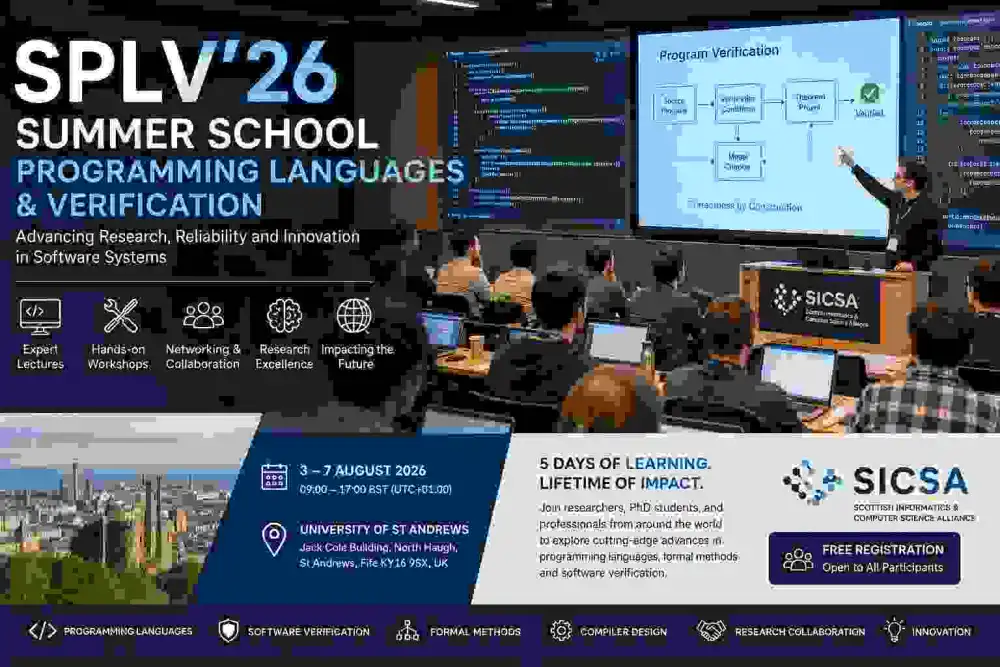
SPLV'26 Summer School
The SPLV'26 Summer School is a premier educational event organized by the Scottish Informatics and Computer Science Alliance (SICSA). Bringing together leading researchers, academics, software engineers, and postgraduate students, this five-day workshop offers an immersive learning experience focused on programming languages, software verification, formal methods, and dependable software engineering. The event aims to strengthen research collaboration while providing participants with practical knowledge that can be applied to modern software development challenges.
Hosted at the University of St Andrews, the summer school combines expert-led lectures, practical workshops, collaborative discussions, and networking opportunities. Participants will gain insights into cutting-edge research while exploring how advanced programming techniques improve software quality, security, and reliability.
Why Attend SPLV'26?
SPLV'26 provides an exceptional opportunity for professionals and researchers to stay updated with the latest developments in programming language theory and software verification. As software systems become increasingly complex, ensuring correctness, security, and performance has never been more important.
Attendees will learn from internationally respected researchers who have contributed significantly to compiler technology, static analysis, formal verification, automated reasoning, and software engineering. Every session is designed to bridge academic research with practical software development.
The event also promotes collaboration between universities and industry, allowing participants to exchange ideas, discuss emerging technologies, and establish valuable professional connections.
Explore Modern Programming Language Research
Programming languages continue to evolve to meet the demands of cloud computing, artificial intelligence, cybersecurity, and distributed systems. SPLV'26 introduces attendees to the latest innovations in language design, compiler optimization, type systems, and language semantics.
Participants will explore topics including:
Programming language theory
Functional programming
Type systems
Compiler design
Language semantics
Static program analysis
Runtime optimization
Domain-specific languages
Experts will explain how these technologies improve software development while reducing programming errors and increasing maintainability.
Learn Software Verification Techniques
Software verification plays a critical role in developing reliable applications used in healthcare, finance, aerospace, transportation, telecommunications, and government systems.
During the event, participants will discover how verification methods help identify software defects before deployment. Sessions cover various approaches that improve software correctness through mathematical reasoning and automated analysis.
Topics include:
Formal verification
Model checking
Theorem proving
Symbolic execution
Static verification
Program correctness
Safety-critical software
Automated testing
Hands-on demonstrations allow attendees to apply these techniques using modern verification tools and research software.
Hands-on Workshops and Interactive Learning
Unlike traditional conferences, SPLV'26 places strong emphasis on practical learning. Interactive workshops enable participants to experiment with verification tools, programming environments, and software analysis frameworks.
During these sessions attendees can:
Solve real-world software engineering challenges.
Practice verification techniques.
Build small research projects.
Collaborate with experts.
Receive individual guidance from instructors.
This practical approach helps participants understand how theoretical concepts can be applied within professional software development environments.
Expert Speakers and Academic Excellence
SPLV'26 features presentations from internationally recognized researchers working in computer science and software engineering.
The speaker lineup includes experts specializing in:
Programming languages
Formal methods
Compiler construction
Secure software development
Distributed systems
Artificial intelligence
Automated reasoning
Dependable computing
Their presentations combine academic research with practical case studies, providing attendees with valuable insights into current research trends and future technological developments.
Networking Opportunities
Networking remains one of the strongest benefits of attending SPLV'26.
Participants will have opportunities to connect with:
University researchers
Industry professionals
PhD students
Academic supervisors
Software engineers
Discussion sessions, coffee breaks, collaborative activities, and informal gatherings encourage participants to build long-term professional relationships that often lead to research collaborations, publications, internships, and career opportunities.
Research Collaboration Across Scotland
SICSA has established itself as a leading organization supporting computer science research throughout Scotland.
SPLV'26 encourages collaboration between universities by creating an environment where researchers can:
Share research findings.
Develop joint projects.
Exchange teaching practices.
Build international partnerships.
Discuss funding opportunities.
These collaborations contribute significantly to strengthening Scotland's reputation as a global center for informatics research.
Benefits for PhD Students
Doctoral researchers gain tremendous value from attending SPLV'26.
The summer school provides opportunities to:
Present research ideas.
Receive expert feedback.
Improve technical knowledge.
Expand professional networks.
Learn modern research methodologies.
Exposure to experienced researchers helps students refine their research direction while developing essential communication and collaboration skills.
Industry Applications of Software Verification
Software verification is no longer limited to academic research.
Modern industries increasingly rely on formally verified software to improve reliability and security.
Applications include:
Banking systems
Healthcare platforms
Autonomous vehicles
Aviation software
Cybersecurity solutions
Industrial automation
Cloud computing
Financial technology
Professionals attending SPLV'26 will learn how verification techniques reduce software defects while supporting regulatory compliance and operational excellence.
Emerging Topics Covered During the Event
The event explores several emerging research areas shaping the future of computing science.
These include:
Artificial Intelligence verification
Machine learning reliability
Secure cloud computing
Verified distributed systems
Privacy-preserving computation
Quantum programming languages
Automated proof generation
Secure software architectures
Participants gain early exposure to technologies expected to influence future software engineering practices.
Career Development Opportunities
SPLV'26 supports career development for both academic researchers and software professionals.
Participants strengthen skills in:
Research communication
Technical presentation
Problem solving
Scientific collaboration
Software engineering
Academic writing
Leadership
Critical thinking
These competencies are highly valued by universities, research institutions, technology companies, and government organizations.
Why SICSA Continues to Lead Computing Research
The Scottish Informatics and Computer Science Alliance plays an essential role in advancing computing research across Scotland.
Through conferences, workshops, seminars, doctoral training, and collaborative research initiatives, SICSA continues to support innovation in computer science while encouraging partnerships between academia and industry.
Its educational events provide researchers with access to world-class expertise while strengthening Scotland's position as a leading destination for informatics research and technology innovation.
Wrapping Up
SPLV'26 Summer School offers an outstanding opportunity for researchers, software engineers, postgraduate students, and academics to deepen their knowledge of programming languages and software verification. Through expert presentations, practical workshops, collaborative discussions, and professional networking, participants gain valuable technical skills that can be applied across both research and industry.
Whether your goal is to improve software quality, explore advanced programming language concepts, collaborate with international researchers, or build your academic career, SPLV'26 provides the ideal environment to learn, innovate, and connect with the global computing science community.
University of St Andrews – School of Computer Science,
Aberdeen
52
0
Jun 12 - 13, 2026
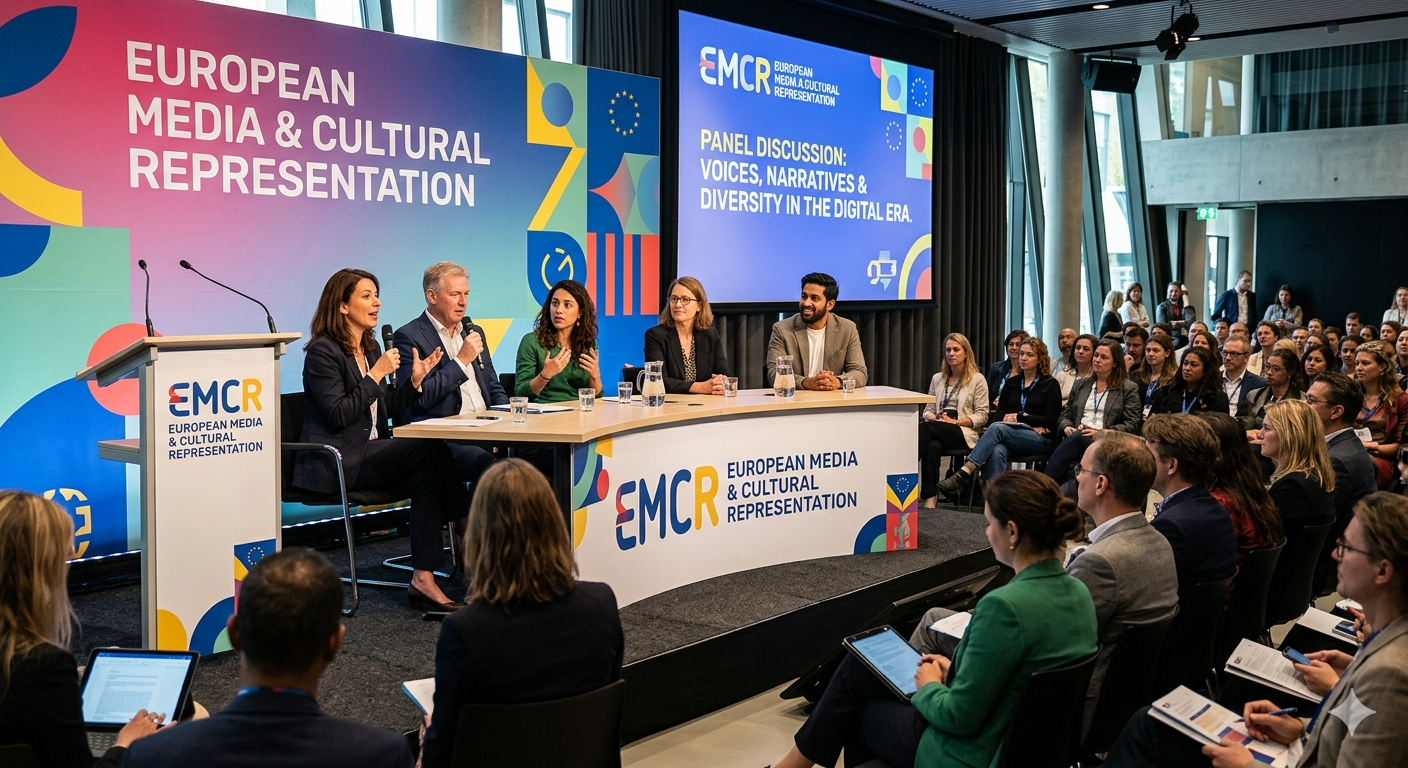
European Media and Cultural Representation
Located in the iconic Lowry at Salford Quays—the heart of the UK's MediaCity—this conference focuses on the intersection of European television and cultural identity. In the framework of Critical Studies in Television, we examine how "national" television services are evolving into transnational platforms. The event asks: How does television represent European heritage in an era of global streaming dominance? Is there still a place for specific national cultural representations when content must appeal to a global audience?
The two-day conference features speakers from across the continent, bringing together diverse perspectives on how the medium of television serves as a tool for both cultural preservation and soft power. We will host panels on "The Representation of Conflict and Peace in European Media" and "Post-Digital Television Archives." This conference is designed to provide attendees with relevant skills and knowledge regarding current trends in media representation and upcoming technology. It provides a vibrant community where ideas thrive and innovation takes center stage, specifically looking at how the "Structure of Feeling" in Europe is broadcast to the world.
The Lowry, Salford Quays,
Manchester
79
0
May 30, 2026
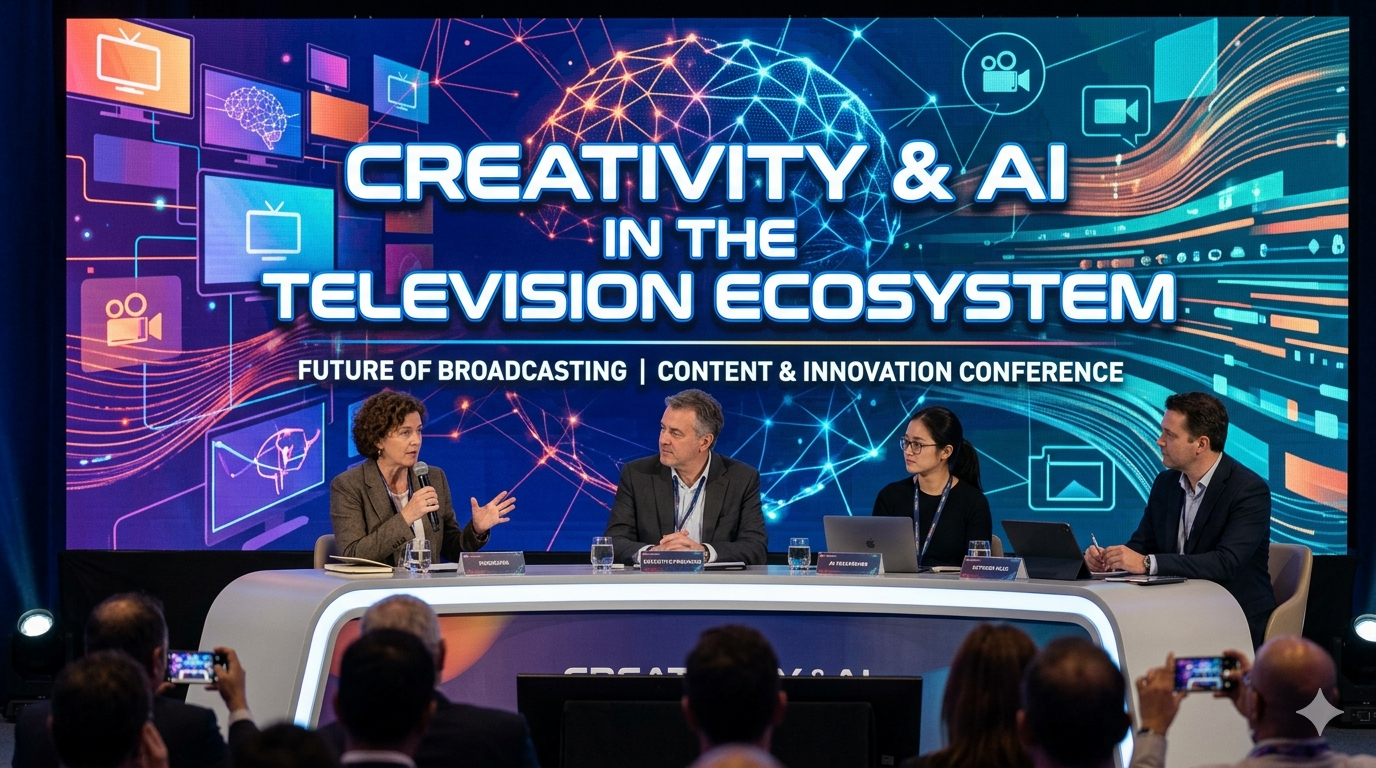
Creativity and AI in the Television Ecosystem
As part of the ongoing "CreaTech" series in Greater Manchester, this workshop addresses one of the most pressing topics in Critical Studies in Television today: the integration of Artificial Intelligence. This isn't just about the technology of AI, but the critical implications of its use. How does AI-generated content change our understanding of "authorship" on television? Does the use of algorithms to script or edit drama constitute a "crisis" for human creativity, or is it a new frontier?
This event brings together industry experts from Manchester's burgeoning tech scene with media theorists to explore the "CreaTech" ecosystem. Participants will engage in hands-on sessions using AI tools currently being integrated into post-production and development workflows. Beyond the technical, we will hold "Critical Roundtables" to discuss the ethics of AI in television, focusing on how these tools affect media representation and the diversity of voices in the industry. It is a must-attend for those who want to understand how the television of tomorrow is being built today, and what that means for the people who make it.
Factory International (Aviva Studios),
Manchester
69
0
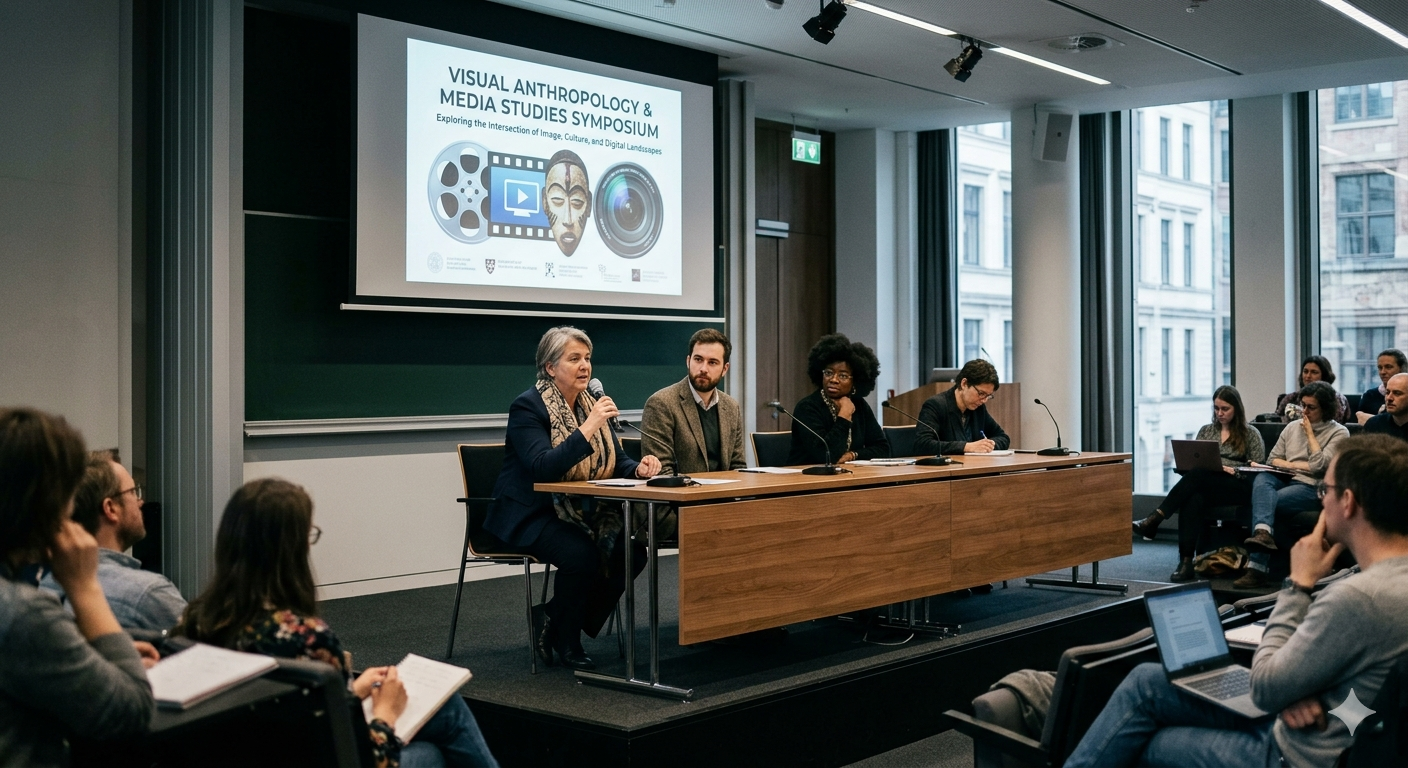
Visual Anthropology and Media Studies Symposium
The "Visual Anthropology and Media Studies Symposium" offers a unique lens through which to view the impact of television on human behavior and societal structures. While television studies often focus on the "text" or the "industry," this event prioritizes the "viewer" and the "culture." By treating television as a primary artifact of human civilization, researchers at this event will present findings on how televised rituals—from the nightly news to reality TV—shape our collective identity.
The day-long seminar features a series of rapid-fire presentations and plenary sessions designed to facilitate the exchange of industry-relevant data and ethnographic research. We will delve into "the study of television (as) in crisis," examining how different demographics use media to cope with or understand social change. The symposium is particularly focused on "Visual Anthropology," encouraging contributors to use multimedia presentations that go beyond traditional academic papers. It is a space for researchers, scholars, and decision-makers to connect and brainstorm the future of media consumption in an increasingly fragmented digital age.
University of Manchester, Samuel Alexander Building,
Manchester
90
0
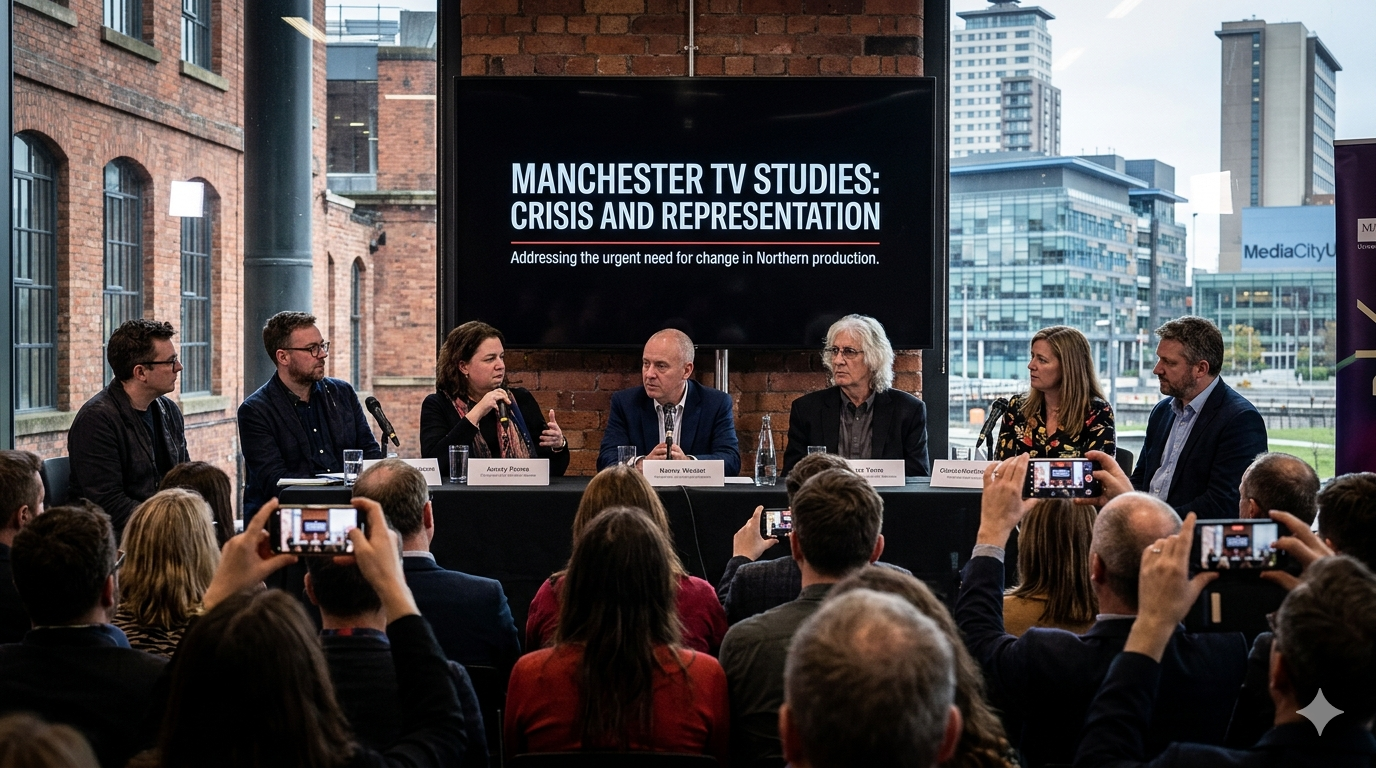
Apr 22, 0206 - Apr 23, 2026
Manchester TV Studies Crisis and Representation
This conference serves as a localized, in-person anchor for scholars and practitioners focused on the "Critical Studies in Television" discipline. As we move further into 2026, the medium of television faces a dual-identity crisis: it is both a vital witness to global upheaval and an industry in the midst of its own structural breakdown. This event explores the "structure of feeling" associated with modern broadcasting, focusing on how UK television—from public service broadcasting to global streamers—navigates moments of extreme social and political tension.
Attendees will engage with a variety of papers examining the ethics of researching precarious workers within the television industry and the cultural impact of "crisis" narratives on screen. We will look back at historical blackouts and compare them to modern digital disruptions, asking what it means for a national audience to lose its shared viewing space. The program includes dedicated sessions on the transition from Public Service Broadcasting (PSB) to Public Service Media (PSM), analyzing how funding shifts are altering the very DNA of the content produced in the UK. This is a vital gathering for anyone interested in how the "small screen" continues to define our large-scale reality.
The Digital Innovation Hub,
Manchester
130
0
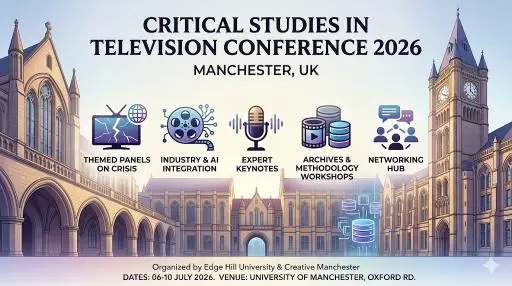
Jul 06 - 10, 2026
Critical Studies in Television Conference 2026
The Critical Studies in Television Conference 2026 arrives at a pivotal moment for the global media landscape. Hosted in the vibrant cultural hub of Manchester, this premier international gathering brings together scholars, practitioners, and industry critics to dissect the "feeling of crisis" currently enveloping the medium of television. From the shift from Public Service Broadcasting (PSB) to Public Service Media (PSM) to the radical restructuring of funding and delivery models via online streaming, the conference provides a rigorous academic platform to explore how television functions during periods of social and institutional upheaval.
This year’s theme specifically interrogates television’s dual role: as a witness to crisis—historically and in real-time—and as an industry facing its own existential transformations. Attendees will engage with deep-dive sessions on the representation of economic and climate-related crises, the ethics of researching precarious media workers, and the cultural significance of television in shaping a national "structure of feeling." The event serves as the physical manifestation of the renowned Critical Studies in Television journal published by Sage, moving beyond the printed page to foster live debate on the aesthetics, politics, and future of the small screen.
Beyond the theoretical, the conference emphasizes the practical realities of production downturns and the loss of mass audiences. It offers a unique intersection for North West England's thriving media sector—including nearby MediaCityUK—and global academic discourse. Participants can expect a series of high-level keynote addresses, lightning talks on the impact of AI in screen production, and workshops focused on television archives and pedagogical innovation. Whether you are analyzing the latest streaming trends or the historical impact of television blackouts, this conference provides the critical tools to understand television not just as a box in the corner, but as a central nervous system of modern society.
University of Manchester (Digital Futures Hub & Roscoe Building),
London
137
0
- Prev
- 1
- Next
Share This Page
My Page
Scan QR to open
Barcode