Events by International Foundation of Integrated Care
Explore 2 premium experiences by International Foundation of Integrated Care
Promoted
List Your Next Big Event
Reach millions of attendees by showcasing your conferences, workshops, or exhibitions on the world's most trusted event platform.
Create Your Event Now
FEATURED
Sep 24, 2026
GenomicsConnect 2026: NHS Genomics Conference
GenomicsConnect 2026 is a strategic healthcare conference designed to examine the rapidly developing role of genomics within the NHS and the wider UK healthcare landscape. Taking place on 24 September 2026 at etc.venues, Prospero House in London, the event provides an opportunity for healthcare professionals, clinical specialists, NHS leaders and organisations working across diagnostics and medical sciences to explore how genomic medicine is moving from specialist research environments into routine clinical practice.
The growth of genomic medicine is creating significant opportunities to improve diagnosis, treatment and long-term patient outcomes. Advances in genomic testing are helping healthcare professionals understand the biological causes of disease, identify patients who may benefit from targeted therapies and support increasingly personalised approaches to care. As genomic technologies continue to develop, the challenge for healthcare systems is no longer simply about generating genomic data. It is also about integrating that information effectively into clinical pathways, ensuring that professionals have the right skills and infrastructure, and making sure patients can benefit from innovation in a safe, equitable and sustainable way.
GenomicsConnect 2026 provides a dedicated platform for examining these developments and considering the practical requirements for successful clinical integration. The conference is particularly relevant to NHS professionals involved in genomics, diagnostics, pathology, cancer care, rare disease services, laboratory medicine and personalised treatment strategies.
Exploring the Changing Role of Genomics in Healthcare
Genomic medicine is becoming increasingly important across multiple areas of healthcare. The NHS Genomic Medicine Service has helped create a framework for integrating genomic testing into patient pathways, while advances in sequencing technologies and data analysis are expanding the potential applications of genomic information.
For healthcare providers, this transformation brings both opportunities and challenges. Genomic testing can support earlier and more accurate diagnosis, help identify inherited conditions and provide additional information that may influence treatment decisions. However, effective implementation requires collaboration between clinical teams, laboratories, scientists, technology specialists and healthcare leaders.
GenomicsConnect 2026 is positioned to support this conversation by bringing together professionals who are directly involved in the development and delivery of genomic healthcare. The event offers an environment where delegates can examine emerging approaches, share experiences and consider how genomic services can be integrated into everyday clinical practice.
Genomics and Personalised Medicine
One of the most important themes surrounding genomic healthcare is the development of personalised medicine. Traditional healthcare approaches often rely on broadly applicable treatment strategies, whereas genomic information can provide additional insight into how an individual patient may respond to particular therapies.
This is particularly significant in areas such as oncology, where genomic testing can help identify molecular characteristics of tumours and potentially guide treatment choices. Similar developments are taking place in rare disease diagnosis and pharmacogenomics, where genetic information may contribute to more informed decisions about medicines.
The conference provides a valuable setting for professionals to explore how personalised medicine is developing and what is required to translate scientific advances into practical clinical benefits. Delegates can consider the role of genomic testing in supporting better decision-making while also examining the infrastructure, governance and workforce requirements associated with implementation.
Supporting Cancer Care Through Genomic Innovation
Cancer is one of the most prominent areas where genomic medicine is influencing healthcare delivery. Genomic analysis can provide insights into the biological characteristics of cancers and may help clinicians understand which treatment approaches are most appropriate for particular patients.
The integration of genomics into cancer pathways requires close collaboration between oncologists, pathologists, genomic laboratories, molecular scientists and other healthcare professionals. It also depends on efficient testing pathways and the ability to interpret complex results in a clinically meaningful way.
GenomicsConnect 2026 offers an opportunity for professionals working in cancer and diagnostics to consider the role of genomic technologies within modern oncology. Discussions around clinical integration can help delegates understand how genomic information may contribute to more targeted and individualised approaches to cancer care.
Improving Rare Disease Diagnosis
Rare diseases can present significant diagnostic challenges for patients and healthcare professionals. Many conditions may involve complex symptoms that are difficult to identify through conventional diagnostic approaches. Genomic testing has the potential to support the identification of underlying genetic causes and help reduce lengthy diagnostic journeys.
The use of genomic technologies in rare disease pathways also highlights the importance of multidisciplinary collaboration. Clinicians, genetic counsellors, laboratory specialists and genomic scientists may all contribute to the diagnostic process.
By bringing together professionals from different areas of healthcare, GenomicsConnect 2026 can support knowledge exchange around the practical challenges and opportunities associated with genomic diagnosis. The event is relevant to professionals seeking to understand how genomic services can be embedded more effectively into patient pathways.
The Importance of Clinical Integration
Generating genomic data is only one part of the healthcare transformation. The information must also be incorporated into clinical workflows in ways that are accessible, reliable and useful to healthcare professionals.
Clinical integration involves multiple considerations, including laboratory capacity, digital infrastructure, data interpretation, workforce development and communication between specialist services and frontline teams. Healthcare organisations must also consider how genomic information is stored, accessed and incorporated into patient records.
The conference focuses on the broader journey from genomic innovation to practical healthcare delivery. This makes it particularly relevant to NHS leaders and professionals who are responsible for planning, implementing or managing genomic services.
Data, Technology and Healthcare Infrastructure
The growth of genomic medicine is closely connected with advances in digital technology. Modern genomic testing can generate significant volumes of complex data, creating a need for robust systems that can support analysis, interpretation and secure information management.
Healthcare organisations must therefore consider how genomic data interacts with existing digital infrastructure. Effective systems can help professionals access relevant information and support more coordinated decision-making across different parts of the healthcare system.
Technology leaders and healthcare professionals can use events such as GenomicsConnect 2026 to explore the relationship between genomics and digital transformation. The conference provides an opportunity to consider how technology can support the practical delivery of genomic medicine while maintaining appropriate standards of security and governance.
Developing the Genomics Workforce
Successful genomic integration also depends on having a skilled workforce. As genomic testing becomes more common, healthcare professionals across different disciplines may need greater awareness of genomics and its relevance to clinical practice.
Specialist genomic professionals also play a critical role in interpreting complex results and supporting clinical teams. Training, education and professional development are therefore important components of the wider genomic transformation.
The event can provide a useful forum for healthcare professionals to learn from peers and understand how organisations are responding to changing workforce requirements. By sharing experiences, delegates can explore approaches to skills development and multidisciplinary collaboration.
Knowledge Sharing and Professional Networking
A key benefit of attending GenomicsConnect 2026 is the opportunity to connect with professionals working across different areas of healthcare. Genomics is inherently multidisciplinary, bringing together clinical, scientific, technological and operational expertise.
Networking can help delegates exchange practical experiences, identify emerging trends and develop professional relationships. For NHS organisations, collaboration can also support the sharing of ideas about service improvement and implementation.
The conference environment encourages delegates to engage with topics that extend beyond individual specialties. This wider perspective can help professionals understand how genomics fits into the broader transformation of healthcare delivery.
A Strategic Forum for NHS Healthcare Professionals
GenomicsConnect 2026 is particularly relevant to NHS professionals who are involved in planning and delivering modern diagnostic and clinical services. The event can help delegates consider the strategic implications of genomic medicine and how organisations can prepare for continued technological development.
For senior leaders, the conference provides an opportunity to examine the operational and strategic considerations associated with genomic integration. For clinical and scientific professionals, it offers a platform for exploring developments in diagnostics and personalised healthcare.
The event also creates opportunities for delegates to engage with peers and consider how emerging genomic approaches could contribute to better patient outcomes.
Building the Future of Genomic Healthcare
The future of genomic medicine will depend on successful collaboration between healthcare organisations, clinical teams, scientific communities and technology specialists. As genomic testing becomes increasingly integrated into patient pathways, healthcare systems will need to continue adapting their infrastructure, workforce and processes.
GenomicsConnect 2026 provides a timely opportunity to examine this transformation. The conference brings together themes including genomic medicine, clinical integration, diagnostics, personalised treatment and healthcare innovation, making it relevant to professionals who want to understand the direction of genomic healthcare in the NHS.
By attending, delegates can gain broader insight into the challenges associated with implementing genomic services while exploring the opportunities created by scientific and technological advances. The event also supports professional knowledge exchange and networking among individuals working in related areas.
With Convenzis' focus on bringing together senior NHS and public-sector professionals, the conference is positioned as a strategic forum for discussions around healthcare transformation. Convenzis states that its conferences are designed to connect leaders and professionals to share knowledge and support improvements in public services, while the GenomicsConnect event itself highlights the increasing role of genomic medicine across cancer, rare disease diagnostics, pharmacogenomics and personalised treatment.
Overall, GenomicsConnect 2026 offers an important platform for professionals seeking to understand how genomics is shaping the future of healthcare. From improving diagnostic pathways and supporting personalised medicine to strengthening clinical integration and digital infrastructure, genomic technologies have the potential to influence many aspects of patient care.
For NHS leaders, clinicians, healthcare scientists, genomic specialists and diagnostics professionals, the conference provides an opportunity to explore these developments in a focused professional environment. The combination of strategic discussion, knowledge sharing and networking can help delegates gain a clearer understanding of the opportunities and practical considerations associated with the next generation of genomic healthcare.
As the NHS continues to develop its genomic capabilities, events such as GenomicsConnect 2026 can play an important role in bringing together the people and expertise needed to support sustainable innovation. The conference therefore represents a valuable opportunity to engage with the evolving landscape of genomic medicine and consider how advances in science and technology can be translated into meaningful improvements for patients and healthcare services.
etc.venues, Prospero House,
Manchester
6
0
FEATURED
Feb 26 - 28, 2026
Independent Shoemakers Conference 2027
The Independent Shoemakers Conference 2027 is one of the United Kingdom's leading professional gatherings dedicated to traditional and modern shoemaking. Hosted in Northampton, widely recognized as the historic heart of British footwear manufacturing, the conference brings together artisans, bespoke shoemakers, footwear designers, suppliers, educators, and industry professionals from around the world.
Designed to celebrate craftsmanship while embracing innovation, this three-day event provides attendees with practical demonstrations, educational seminars, networking sessions, supplier showcases, and inspiring keynote presentations. Whether participants are experienced master shoemakers or aspiring footwear professionals, the conference offers valuable learning experiences and opportunities to build long-lasting industry relationships.
Northampton's rich footwear heritage makes it the ideal destination for this prestigious event. Visitors will experience not only educational sessions but also the city's remarkable connection to centuries of shoemaking excellence.
Why Attend?
The conference provides an outstanding platform for professionals seeking to enhance their skills and stay informed about developments within the footwear industry.
Participants can observe live demonstrations from experienced craftsmen, learn advanced construction techniques, discover new materials, explore sustainable manufacturing practices, and gain insights into business development for independent shoemakers.
Networking remains one of the conference's greatest strengths. Visitors have opportunities to meet suppliers, educators, workshop owners, designers, retailers, and international footwear specialists under one roof.
Educational Sessions
Throughout the conference, visitors can attend numerous presentations covering:
Traditional hand-welted shoemaking
Bespoke footwear fitting
Leather selection and treatment
Shoe restoration techniques
Pattern cutting
Last making
Orthopaedic footwear development
Sustainable footwear manufacturing
Business growth strategies
Digital marketing for independent shoemakers
Every session is delivered by experienced professionals who actively work within the footwear industry.
Live Demonstrations
One of the most popular attractions is the extensive programme of practical demonstrations.
Visitors can watch master craftsmen perform:
Hand stitching
Last construction
Sole attachment
Leather finishing
Decorative detailing
Pattern drafting
Foot measurement techniques
Shoe restoration
Edge finishing
Custom fitting
These demonstrations provide valuable insights into traditional skills that continue to shape modern bespoke shoemaking.
Exhibition Area
The exhibition showcases suppliers from across the footwear industry.
Exhibitors typically present:
Premium leather materials
Shoe lasts
Cutting tools
Machinery
Hand tools
Adhesives
Thread
Soles
Insoles
Footwear accessories
Educational resources
Attendees can compare products, meet manufacturers, and establish new supplier relationships.
Networking Opportunities
Networking is central to the conference experience.
Dedicated networking sessions encourage conversations between:
Independent shoemakers
Designers
Suppliers
Students
Retailers
Museum representatives
Leather specialists
Manufacturing experts
These interactions frequently result in collaborative projects, apprenticeships, supplier partnerships, and business growth opportunities.
International Participation
The conference attracts delegates from multiple countries, creating an international learning environment.
Participants exchange techniques, discuss regional footwear traditions, compare manufacturing methods, and build global professional networks that extend well beyond the event.
Innovation in Footwear
While celebrating heritage craftsmanship, the conference also embraces innovation.
Sessions explore:
Modern manufacturing technologies
CAD design
Digital pattern creation
Sustainable materials
Eco-friendly production
Orthopaedic footwear innovations
Customer experience improvements
This balanced approach ensures attendees remain competitive in today's evolving footwear market.
Benefits for Students
Students studying footwear design, fashion, leatherworking, or manufacturing gain exceptional educational value.
Benefits include:
Direct interaction with experienced professionals
Career guidance
Portfolio inspiration
Internship opportunities
Practical demonstrations
Industry knowledge
Professional networking
The event bridges academic learning with real-world craftsmanship.
Sustainability Focus
Environmental responsibility continues to influence the footwear industry.
Conference discussions highlight:
Sustainable leather sourcing
Waste reduction
Repair culture
Circular economy principles
Responsible manufacturing
Ethical sourcing
Long-lasting product design
These topics help businesses adopt more environmentally responsible practices.
Northampton's Footwear Heritage
Northampton has long been associated with world-class shoemaking.
Visitors attending the conference can also explore the city's museums, historic footwear collections, and local businesses that continue the tradition of British craftsmanship.
The city's heritage enhances the educational value of the conference and provides additional inspiration for attendees.
Business Development
Independent businesses face unique challenges.
Business-focused presentations cover:
Brand development
Online sales
Customer retention
Pricing strategies
Workshop management
Export opportunities
Marketing
Financial planning
Social media
Client communication
These sessions help shoemakers strengthen both their craft and commercial success.
Who Should Attend?
This event is ideal for:
Independent shoemakers
Bespoke footwear manufacturers
Leather craftsmen
Fashion designers
Footwear students
Retail buyers
Suppliers
Museum professionals
Orthopaedic footwear specialists
Footwear educators
Wrapping Up
The Independent Shoemakers Conference 2027 offers an exceptional opportunity for professionals passionate about footwear craftsmanship. Combining education, live demonstrations, networking, innovation, and heritage, the conference continues to serve as one of the industry's most respected annual gatherings.
Whether participants aim to refine traditional techniques, discover emerging technologies, establish valuable business relationships, or celebrate the enduring art of shoemaking, the conference delivers meaningful experiences for every attendee. Hosted in the historic footwear city of Northampton, the event represents the perfect blend of tradition, collaboration, and innovation for the future of independent shoemaking.
Northampton Museum & Art Gallery,
Northampton
46
0
Oct 12 - 14, 2026
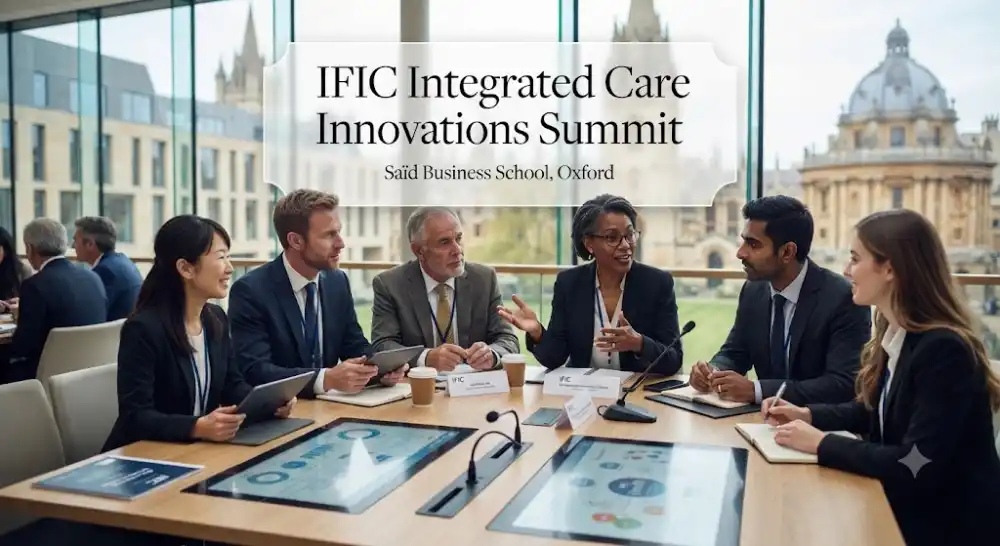
IFIC Integrated Care Innovations Summit
The IFIC Integrated Care Innovations Summit in Oxford serves as a premier gathering for health professionals, policy makers, and community leaders dedicated to reshaping the landscape of global healthcare. As we navigate an era of unprecedented demographic change and technological advancement, the need for seamless, person-centered integrated care has never been more critical. This summit aims to bridge the gap between academic research and clinical application, providing a collaborative space for the exchange of transformative ideas.
Bridging Research and Practice
The foundation of this event lies in the belief that integrated care is not merely a systemic improvement but a fundamental right for patients. Attendees will explore how multidisciplinary teams can break down the silos that often hinder effective patient outcomes. Through a series of keynote presentations and interactive panels, international experts will share insights into successful models of care that prioritize the holistic needs of the individual over fragmented institutional processes.
Technology and Human-Centric Systems
A major theme for this year's summit is the integration of digital tools within human-centric care systems. From artificial intelligence in predictive health analytics to secure data sharing between primary and secondary care providers, the summit explores how information technology can empower rather than complicate the care journey. We will dive into case studies that demonstrate how digital transformation can reduce clinician burnout while significantly improving patient engagement and longitudinal health outcomes.
Collaborative Workshops and Networking
Participants will benefit from intensive, hands-on workshops designed to tackle specific challenges in system design. Whether you are focused on community-based health initiatives, hospital-to-home transitions, or policy reform, these sessions provide actionable strategies that can be implemented within your local contexts. The summit encourages an environment of radical collaboration, where participants from diverse backgrounds—ranging from frontline nurses to health economists—can engage in candid discussions about the hurdles of implementation and the breakthroughs that define success.
Shaping Future Policy
As we conclude the summit, the collective output will contribute to a white paper on the future of integrated health systems. This document will serve as a resource for attendees to take back to their home organizations, fostering long-term impact well beyond the event dates. We invite you to join us in Oxford to challenge existing paradigms, share your expertise, and connect with a global movement dedicated to creating health systems that are truly designed for people, by people.
Said Business School, University of Oxford,
Oxford
27
0
International Summer School on Integrated Care
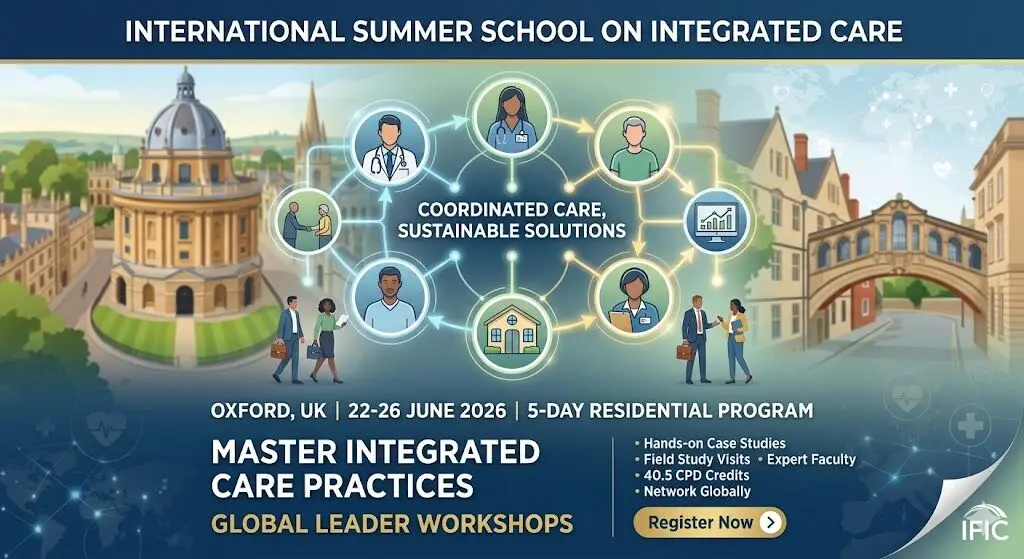
The International Summer School on Integrated Care (ISSIC26) is a flagship residential program hosted by the International Foundation for Integrated Care (IFIC). Set in the historic city of Oxford, this immersive five-day event is designed for global leaders, managers, and practitioners who are serious about transforming health and care systems. Unlike standard conferences, the Summer School offers a deep-dive educational experience that balances theoretical frameworks with practical, real-world application.
The 2026 curriculum is centered around IFIC’s "9 Pillars of Integrated Care," providing participants with a robust toolkit to diagnose their local health systems and design sustainable interventions. Throughout the week, attendees will move from abstract concepts to concrete action plans. A unique highlight of the program is the "Integrated Care System Study Visit," where the cohort travels to a mature integrated care site to observe multidisciplinary teams, shared governance, and community-centered care in active practice.
The program is highly interactive, featuring workshops on population health management, co-production with patients, and the use of digital technology to bridge care gaps. Participants are encouraged to bring a specific "case study" or challenge from their own professional context. By working directly on these projects with guidance from an internationally recognized faculty, attendees leave Oxford with a customized "Theory of Change" and a strategic narrative to present to their home organizations.
Beyond the classroom, ISSIC26 offers an unparalleled networking environment. The cohort-based model ensures that participants build lasting relationships with peers from diverse international backgrounds, fostering a global community of practice. The event is fully CPD-accredited, offering 40.5 hours of professional development, making it an essential milestone for those leading system-wide change in the health and social care sectors.
IFIC Administration Office / Oxford University Grounds,
Oxford
188
0
- Prev
- 1
- Next
Share This Page
My Page
Scan QR to open
Barcode