
Discover All Events
Explore 1 premium experiences in all locations
Promoted
List Your Next Big Event
Reach millions of attendees by showcasing your conferences, workshops, or exhibitions on the world's most trusted event platform.
Create Your Event Now
FEATURED
Sep 14 - 17, 2026
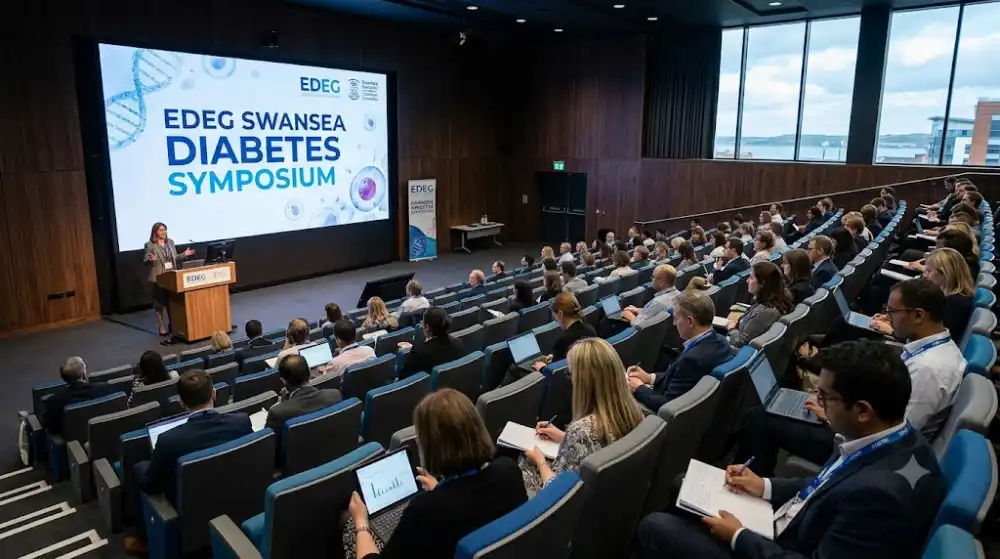
EDEG Swansea Diabetes Symposium
The European Diabetes Epidemiology Group Annual Symposium represents a premier scientific gathering dedicated to advancing research, sharing clinical methodologies, and discussing the intricate etiology of diabetes across populations. As diabetes prevalence continues to challenge public health frameworks globally, bringing together leading researchers, biostatisticians, and clinicians becomes paramount. This upcoming conference in Swansea provides an exceptional platform for professionals to present cutting-edge findings, evaluate novel risk factors, and discuss long-term complications associated with the condition. Attendees will immerse themselves in comprehensive discussions covering everything from genetic predispositions to environmental influences on metabolic disorders. Through keynote lectures, interactive symposia, and collaborative workshops, the event fosters an environment where empirical research translates directly into actionable public health strategies and improved clinical care standards.
Advancing Research and Methodologies in Diabetes Care
Methodological rigor remains the cornerstone of effective epidemiological research. This year's scientific program places significant emphasis on refining study designs, leveraging large-scale health data systems, and applying advanced biostatistical models to untangle the complexities of diabetes pathogenesis. Researchers will examine longitudinal cohort studies, population-level risk mapping, and machine learning applications designed to identify high-risk individuals and vulnerable geographic areas before clinical manifestation occurs. By scrutinizing current diagnostic criteria and screening protocols, participants can collaborate on standardized approaches that enhance data comparability across international borders. These sessions aim to equip investigators with robust tools to handle confounding variables, minimize selection bias, and extract meaningful insights from massive healthcare datasets, ultimately driving higher standards of scientific integrity within the global diabetes research community.
Clinical Insights, Prevention Strategies, and Complications
Beyond fundamental epidemiology, the symposium deeply explores clinical intersections, preventive interventions, and the management of chronic diabetes complications. Experts will present the latest updates on microvascular and macrovascular morbidities, discussing early detection markers and therapeutic interventions aimed at altering disease trajectories. Special attention is dedicated to lifestyle interventions, socioeconomic determinants of health, and targeted outreach programs designed to address health disparities in diverse populations. Interactive panel discussions will address how healthcare systems can better integrate epidemiological data into routine clinical practice to optimize patient outcomes. Participants will gain a holistic understanding of how multi-disciplinary approaches—combining endocrinology, public health policy, and behavioral science—can curb the rising incidence of type 1 and type 2 diabetes across Europe and beyond.
Networking, Collaboration, and Professional Growth
Collaboration remains the primary catalyst for groundbreaking medical discoveries. The Swansea symposium is meticulously structured to maximize interpersonal engagement through dedicated networking sessions, poster pitch presentations, and collaborative roundtables. Early-career investigators, doctoral candidates, and established leaders alike will find abundant opportunities to forge international partnerships, propose multi-centre studies, and seek mentorship from pioneers in the field. These professional connections often lay the groundwork for long-term cooperative initiatives that extend far beyond the duration of the conference. By bridging geographical and institutional divides, the gathering strengthens the pan-European research network, ensuring continuous knowledge transfer and sustained momentum in the ongoing global effort to understand, treat, and ultimately prevent diabetes.
Swansea University Bay Campus,
Mumbles
19
0
FEATURED
Nov 23 - 24, 2026
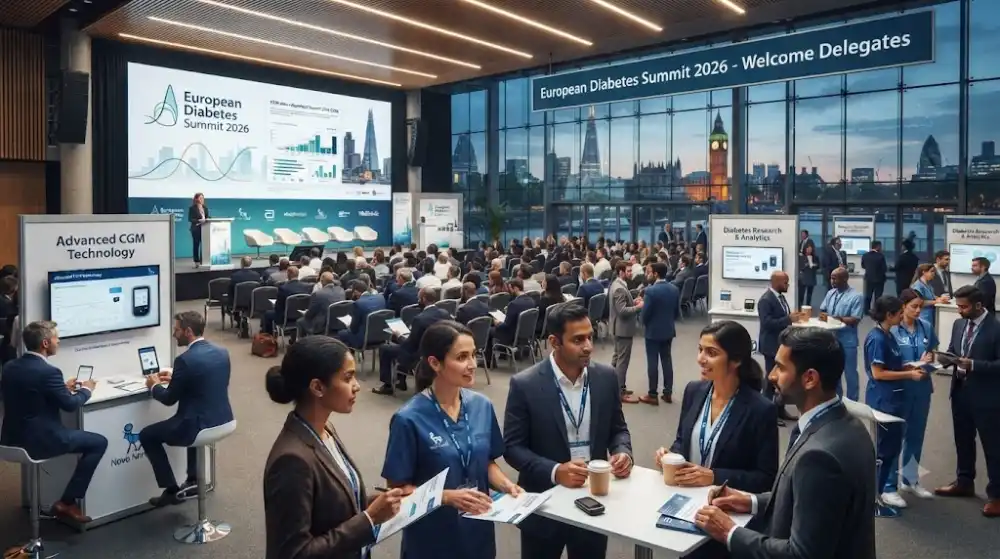
European Diabetes Summit 2026
The European Diabetes Summit 2026 is an international healthcare conference bringing together researchers, clinicians, endocrinologists, diabetologists, and healthcare professionals to discuss the latest developments in diabetes science and patient care. Scheduled for 23–24 November 2026 in London, United Kingdom, the event provides a platform for sharing research, exploring medical innovations, and improving approaches to diabetes management.
Diabetes continues to be one of the most significant healthcare challenges worldwide. Increasing rates of type 1 and type 2 diabetes require continuous research, improved treatment strategies, and stronger collaboration between healthcare communities. Conferences such as the European Diabetes Summit support knowledge exchange by connecting experts who are working toward better prevention, diagnosis, and treatment solutions.
The summit will focus on practical and scientific approaches to improving diabetes care. Healthcare professionals will discuss advances in treatment methods, clinical practices, research discoveries, and emerging technologies that are shaping the future of diabetes management.
A Global Meeting Point for Diabetes Professionals
The European Diabetes Summit provides a valuable environment where specialists from different healthcare backgrounds can meet and exchange ideas. Researchers can present findings, clinicians can discuss practical challenges, and industry professionals can explore innovations that support improved patient outcomes.
The conference encourages collaboration between medical experts and researchers by creating opportunities for discussions, networking sessions, and professional connections. These interactions help develop new partnerships and encourage further progress in diabetes-related studies.
Exploring New Developments in Diabetes Research
Modern diabetes research continues to evolve rapidly. New medications, digital health solutions, monitoring technologies, and personalised treatment approaches are changing how diabetes is managed.
The summit will highlight important areas including:
Advanced diabetes therapies
Type 1 and Type 2 diabetes management
Clinical research developments
Patient-centred treatment approaches
Endocrinology innovations
Diabetes prevention strategies
Through expert presentations and scientific discussions, participants can understand how current research can be applied in real healthcare environments.
Importance of Diabetes Epidemiology and Population Health
Understanding diabetes trends through epidemiological research is essential for developing effective healthcare policies. Population-based studies help researchers identify risk factors, disease patterns, and prevention opportunities.
Although the event is not organised by EDEG, it aligns with broader diabetes research goals by encouraging discussions around disease burden, healthcare improvement, and evidence-based approaches.
Epidemiological insights help healthcare systems prepare better prevention programmes and improve access to diabetes care services.
Networking Opportunities for Healthcare Experts
Professional networking is one of the key benefits of attending international healthcare conferences. The European Diabetes Summit allows participants to connect with specialists from different countries and healthcare sectors.
Researchers can discover opportunities for collaboration, while healthcare professionals can learn from the experiences of colleagues working in different healthcare systems.
Networking sessions also help create stronger relationships between academic institutions, hospitals, research organisations, and healthcare companies.
Innovation and Future of Diabetes Management
Technology is transforming diabetes care through continuous glucose monitoring systems, artificial intelligence applications, digital healthcare platforms, and advanced analytics.
The summit provides a space to discuss how these innovations can support better diagnosis and treatment. Experts will explore how technology can improve patient monitoring, personalise care plans, and increase healthcare efficiency.
Future diabetes management will depend on combining scientific research, medical expertise, and technological development.
Who Should Attend?
The European Diabetes Summit 2026 is suitable for professionals involved in diabetes research and healthcare delivery.
Key attendees include:
Diabetes specialists
Endocrinologists
Medical researchers
Healthcare practitioners
Clinical scientists
Pharmaceutical professionals
Students and early-career researchers can also benefit by learning from experienced experts and understanding current trends in diabetes research.
The European Diabetes Summit 2026 in London represents an important opportunity for the healthcare community to discuss advances in diabetes research, treatment, and prevention. With expert sessions, networking opportunities, and scientific discussions, the event supports collaboration between professionals working toward improved diabetes outcomes.
By bringing together researchers, clinicians, and healthcare leaders, the summit contributes to global efforts focused on better diabetes care and future medical innovation.
Radisson Blu Edwardian Heathrow Hotel & Conference Centre,
Mumbles
44
0

May 20 - 21, 2026
Sustainable Urban Design Workshop
The Sustainable Urban Design Workshop is an intensive, hands-on program hosted by the University of Leicester to address the pressing environmental challenges facing modern cities. As urbanization accelerates, the need for "green" infrastructure and sustainable planning has never been more urgent. This workshop brings together urban planners, architects, and environmental scientists to co-create solutions that balance economic growth with ecological preservation.
The program begins with a foundational session on the "Circular City" concept, exploring how urban environments can minimize waste and maximize resource efficiency. Experts from the University’s geography and business departments will lead these discussions, providing a multi-disciplinary perspective on how policy influences physical design. Attendees will study real-world case studies from across Europe, analyzing both successful green initiatives and the pitfalls of poorly planned urban expansion.
The core of the event is the design charrette—a collaborative session where participants work in small groups to solve specific urban planning puzzles. Using advanced mapping software and sustainable material catalogs, groups will draft proposals for revitalizing neglected urban spaces in the Midlands. These proposals will be critiqued by a panel of industry veterans, offering participants invaluable feedback on their design logic and feasibility. This workshop is designed to be a catalyst for change, providing attendees with a toolkit of sustainable practices that can be implemented in their own professional projects. By the end of the day, participants will have a deeper understanding of sustainable drainage systems (SuDS), urban heat island effects, and the socio-economic benefits of public green spaces. It is a must-attend for anyone committed to building the resilient cities of tomorrow.
Brookfield Campus, School of Business,
Leicester
74
0
- Prev
- 1
- Next
Share This Page
My Page
Scan QR to open
Barcode