
Discover All Events
Explore 2 premium experiences in all locations
Promoted
List Your Next Big Event
Reach millions of attendees by showcasing your conferences, workshops, or exhibitions on the world's most trusted event platform.
Create Your Event Now
FEATURED
Sep 14 - 17, 2026
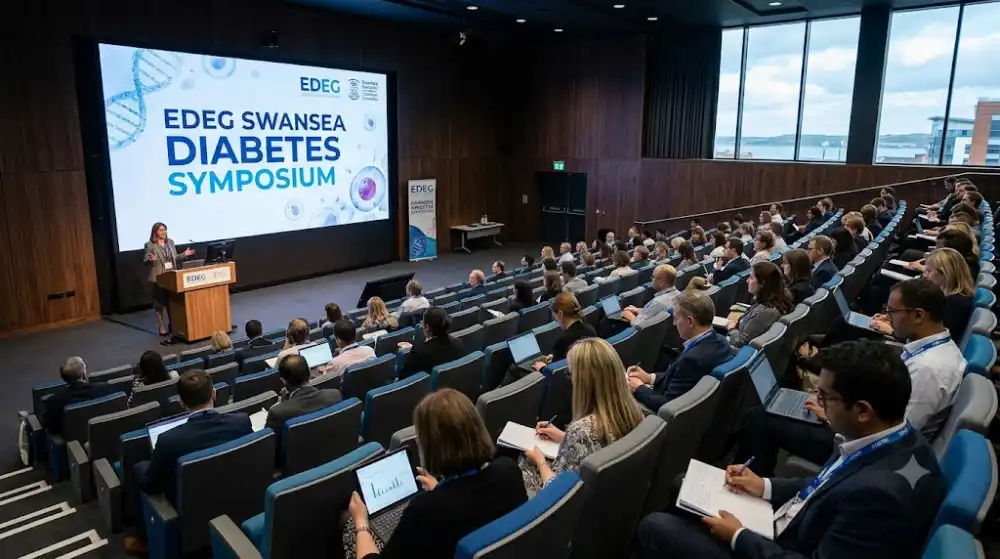
EDEG Swansea Diabetes Symposium
The European Diabetes Epidemiology Group Annual Symposium represents a premier scientific gathering dedicated to advancing research, sharing clinical methodologies, and discussing the intricate etiology of diabetes across populations. As diabetes prevalence continues to challenge public health frameworks globally, bringing together leading researchers, biostatisticians, and clinicians becomes paramount. This upcoming conference in Swansea provides an exceptional platform for professionals to present cutting-edge findings, evaluate novel risk factors, and discuss long-term complications associated with the condition. Attendees will immerse themselves in comprehensive discussions covering everything from genetic predispositions to environmental influences on metabolic disorders. Through keynote lectures, interactive symposia, and collaborative workshops, the event fosters an environment where empirical research translates directly into actionable public health strategies and improved clinical care standards.
Advancing Research and Methodologies in Diabetes Care
Methodological rigor remains the cornerstone of effective epidemiological research. This year's scientific program places significant emphasis on refining study designs, leveraging large-scale health data systems, and applying advanced biostatistical models to untangle the complexities of diabetes pathogenesis. Researchers will examine longitudinal cohort studies, population-level risk mapping, and machine learning applications designed to identify high-risk individuals and vulnerable geographic areas before clinical manifestation occurs. By scrutinizing current diagnostic criteria and screening protocols, participants can collaborate on standardized approaches that enhance data comparability across international borders. These sessions aim to equip investigators with robust tools to handle confounding variables, minimize selection bias, and extract meaningful insights from massive healthcare datasets, ultimately driving higher standards of scientific integrity within the global diabetes research community.
Clinical Insights, Prevention Strategies, and Complications
Beyond fundamental epidemiology, the symposium deeply explores clinical intersections, preventive interventions, and the management of chronic diabetes complications. Experts will present the latest updates on microvascular and macrovascular morbidities, discussing early detection markers and therapeutic interventions aimed at altering disease trajectories. Special attention is dedicated to lifestyle interventions, socioeconomic determinants of health, and targeted outreach programs designed to address health disparities in diverse populations. Interactive panel discussions will address how healthcare systems can better integrate epidemiological data into routine clinical practice to optimize patient outcomes. Participants will gain a holistic understanding of how multi-disciplinary approaches—combining endocrinology, public health policy, and behavioral science—can curb the rising incidence of type 1 and type 2 diabetes across Europe and beyond.
Networking, Collaboration, and Professional Growth
Collaboration remains the primary catalyst for groundbreaking medical discoveries. The Swansea symposium is meticulously structured to maximize interpersonal engagement through dedicated networking sessions, poster pitch presentations, and collaborative roundtables. Early-career investigators, doctoral candidates, and established leaders alike will find abundant opportunities to forge international partnerships, propose multi-centre studies, and seek mentorship from pioneers in the field. These professional connections often lay the groundwork for long-term cooperative initiatives that extend far beyond the duration of the conference. By bridging geographical and institutional divides, the gathering strengthens the pan-European research network, ensuring continuous knowledge transfer and sustained momentum in the ongoing global effort to understand, treat, and ultimately prevent diabetes.
Swansea University Bay Campus,
Mumbles
16
0
FEATURED
Nov 15 - 20, 2026
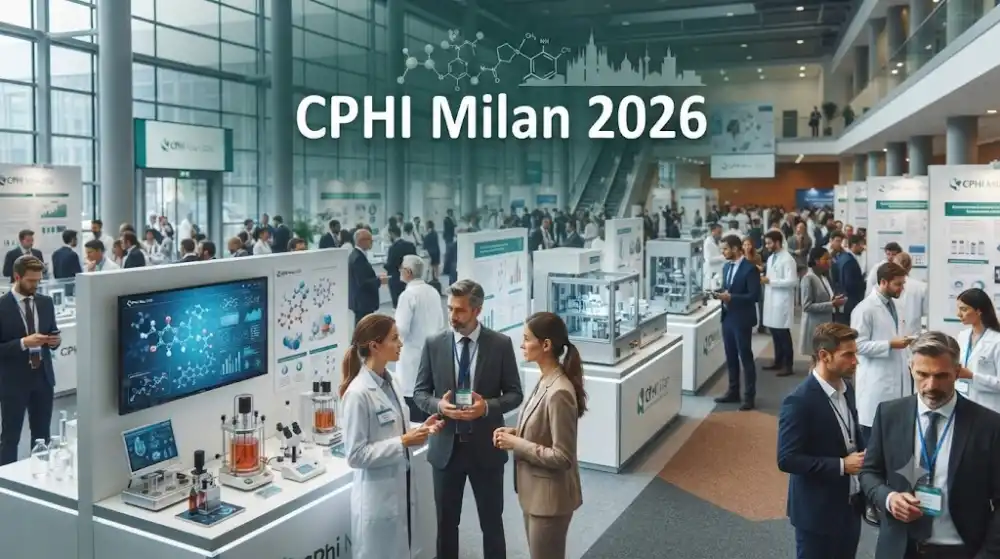
London Life Sciences Week 2026
London Life Sciences Week 2026 is a major UK-based gathering that brings together professionals from across the healthcare, biotechnology, pharmaceutical, investment, and research sectors. The event creates a platform for collaboration, knowledge sharing, and business development within the rapidly evolving life sciences industry.
The week-long programme includes multiple conferences, networking sessions, innovation showcases, and industry discussions designed to connect scientists, entrepreneurs, investors, healthcare leaders, and technology specialists.
The event reflects the strength of the UK life sciences ecosystem and provides opportunities for organisations involved in drug discovery, healthcare technology, medical research, and biotechnology development.
Importance of the Event for Life Sciences Professionals
The healthcare sector is experiencing significant transformation due to advances in biotechnology, artificial intelligence, precision medicine, and digital healthcare solutions. London Life Sciences Week provides an environment where professionals can understand these developments and explore opportunities for collaboration.
For companies such as Concept Life Sciences, events like this offer valuable opportunities to connect with pharmaceutical organisations, biotechnology companies, and research communities. Concept Life Sciences supports drug discovery, development programmes, analytical services, and scientific innovation, making UK life sciences networking platforms highly relevant for industry engagement.
Networking With Industry Leaders
The event attracts professionals from different areas of the healthcare ecosystem. Attendees can meet pharmaceutical executives, biotechnology founders, researchers, healthcare investors, and scientific experts.
Building strong industry relationships helps organisations identify collaboration opportunities, share expertise, and develop partnerships that support future innovation.
Discovering Healthcare Innovations
Participants can explore new technologies and research approaches shaping the future of medicine. Topics often include:
Biotechnology advancements
Drug discovery solutions
Healthcare digital transformation
AI-powered medical research
Clinical development strategies
These discussions help professionals understand where the industry is heading and how organisations can adapt.
Supporting Pharmaceutical Development
Life sciences companies require strong partnerships to successfully develop new medicines and healthcare solutions. Events like London Life Sciences Week encourage collaboration between research organisations, pharmaceutical companies, and service providers.
Professionals can discuss challenges related to development timelines, scientific research, regulatory requirements, and commercialisation strategies.
Connecting Investors and Innovators
The event provides opportunities for investors and innovators to explore emerging healthcare businesses. Biotechnology startups and research organisations can showcase ideas, while investors can discover new opportunities within the healthcare sector.
Who Should Attend?
London Life Sciences Week 2026 is suitable for:
Pharmaceutical executives
Biotechnology companies
Healthcare technology specialists
Scientific researchers
Medical innovation organisations
Investors and venture capital firms
University researchers
Healthcare policymakers
Why Attend London Life Sciences Week 2026?
The event provides a valuable opportunity to stay updated with healthcare developments while creating meaningful professional connections.
Attendees can:
Learn from industry experts
Discover new healthcare technologies
Build partnerships
Explore investment opportunities
Strengthen professional networks
The UK remains one of the strongest global centres for life sciences research and innovation. Events held in London provide access to a diverse community of scientists, entrepreneurs, healthcare professionals, and business leaders.
Wrapping Up
London Life Sciences Week 2026 represents an important opportunity for professionals involved in healthcare, biotechnology, pharmaceuticals, and scientific research. With its focus on innovation, collaboration, and industry networking, the event supports the continued growth of the UK life sciences sector.
For organisations like Concept Life Sciences, participation in UK-based life sciences events helps strengthen connections with research communities, pharmaceutical businesses, and healthcare innovators.
Multiple Venues Across London,
Dundee
47
0
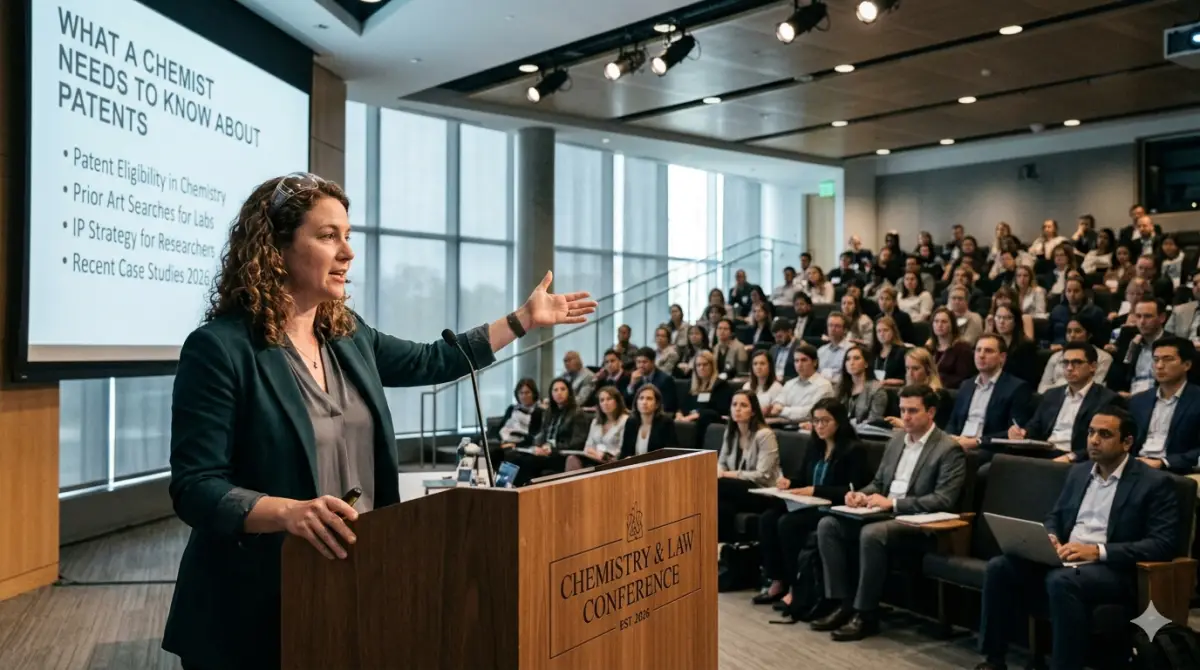
What a Chemist Needs to Know About Patents 2026
Intellectual Property (IP) is the lifeblood of the chemical industry, yet many researchers remain unfamiliar with the nuances of patent law. The "What a Chemist Needs to Know About Patents" seminar, organized by the RSC and the Society of Chemical Industry (SCI), is a tailored workshop designed to bridge this knowledge gap. Scheduled for mid-May 2026 in London, this one-day intensive course is essential for any chemist involved in innovation, whether in an academic spin-out or a large multinational corporation.
The program is led by expert patent attorneys and experienced industrial chemists who have successfully navigated the patent landscape. The curriculum covers the fundamental requirements for patentability: novelty, inventive step, and industrial applicability. However, it goes beyond the basics to address chemistry-specific challenges, such as how to claim a broad class of chemical compounds (Markush structures) without being overly speculative, and how to handle the disclosure of experimental data. Participants will learn about the "prior art" search process, the timeline of a patent application, and the critical importance of keeping accurate laboratory notebooks for legal purposes.
Case studies form a core part of the afternoon session, where attendees analyze real-world chemical patents to understand why they were granted or why they failed. There is also a strong focus on "Freedom to Operate" (FTO) analyses—ensuring that your new product doesn't infringe on existing patents. This seminar is particularly valuable for those looking to transition from the lab to management or commercial roles. By the end of the day, chemists will be better equipped to communicate with legal professionals and protect their valuable discoveries, ensuring that their scientific hard work translates into protected commercial assets.
Burlington House,
London
155
0
Sep 02, 2026
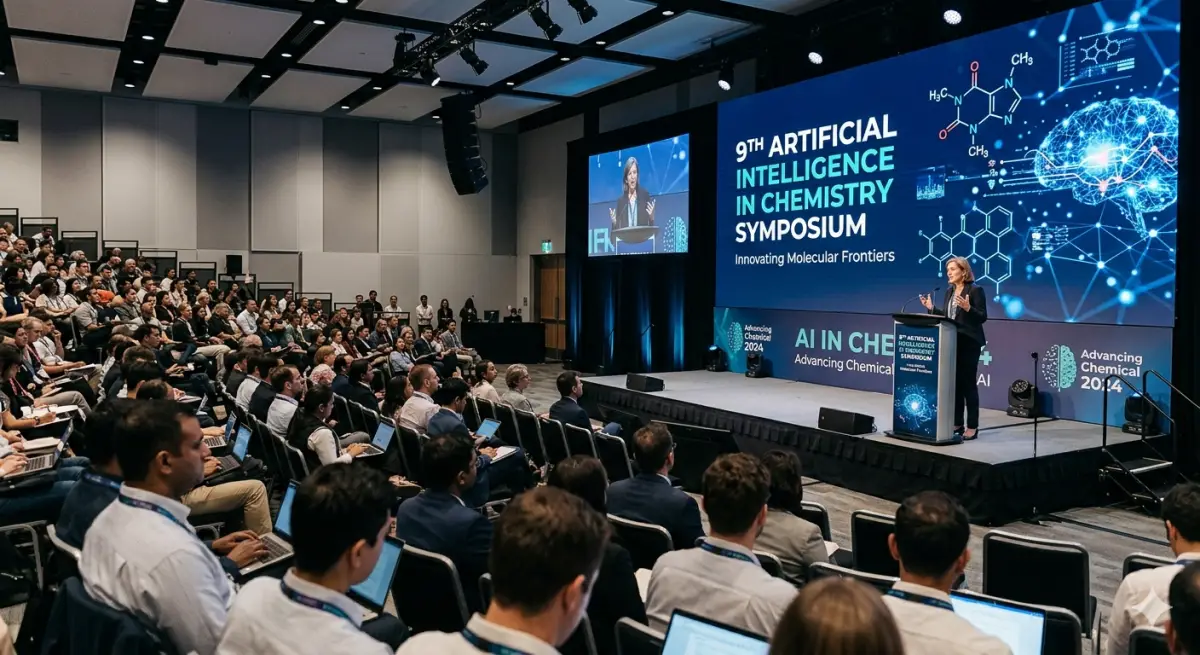
9th Artificial Intelligence in Chemistry Symposium
The 9th Artificial Intelligence in Chemistry Symposium is a premier three-day gathering hosted by the Royal Society of Chemistry’s Chemical Information and Computer Applications Group (CICAG) and the Biological and Medicinal Chemistry Sector (BMCS). As artificial intelligence and deep machine learning continue to revolutionize the chemical sciences, this event serves as a vital nexus for researchers, data scientists, and industry leaders to discuss the latest breakthroughs and practical applications.
The symposium kicks off with a highly anticipated "Introduction to AI in Chemistry" workshop on Day 1. This session is specifically designed to provide participants with foundational skills in Python and Jupyter notebooks, ensuring that even those new to the field can engage with the technical discussions that follow. The subsequent days are packed with a diverse program featuring keynote lectures from world-renowned experts, oral presentations on cutting-edge research, and rapid-fire flash presentations that highlight emerging talent.
Attendees will explore a wide range of topics, including generative molecular design, predictive analytics for chemical reactions, and the integration of AI into laboratory automation. Beyond the formal presentations, the event emphasizes community building through poster sessions and open debates, allowing for granular discussions on the ethical implications and future trajectories of AI in science. Whether you are an academic researcher looking to implement ML models or an industry professional seeking to optimize R&D pipelines, this symposium offers the tools and networking opportunities necessary to stay at the forefront of the digital chemistry revolution. The Royal Society of Chemistry remains committed to accessibility, offering a limited number of bursaries for PhD students and early-career researchers to ensure a diverse and vibrant exchange of ideas in the heart of London.
Burlington House,
London
232
0
- Prev
- 1
- Next
Share This Page
My Page
Scan QR to open
Barcode