
Discover All Events
Explore 1 premium experiences in all locations
Promoted
List Your Next Big Event
Reach millions of attendees by showcasing your conferences, workshops, or exhibitions on the world's most trusted event platform.
Create Your Event Now
FEATURED
Sep 15 - 17, 2026
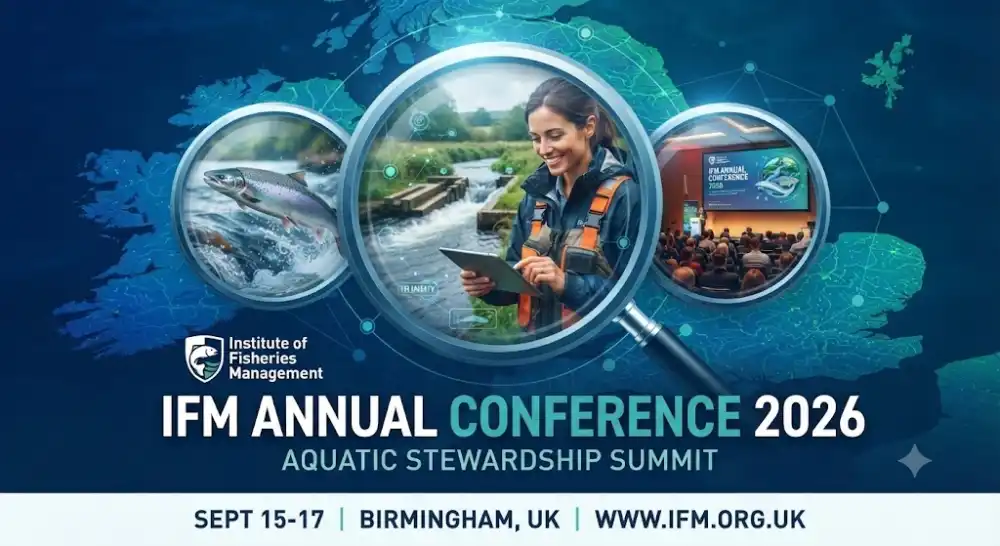
IFM Annual Conference 2026
The stewardship of aquatic environments stands as one of the most critical ecological challenges of the modern era. As aquatic ecosystems face compounding pressures from climate change, habitat fragmentation, and shifting regulatory frameworks, the professionals tasked with protecting and managing these resources require continuous education, cross-sector collaboration, and access to state-of-the-art methodologies. The Institute of Fisheries Management (IFM) Annual Conference 2026 serves as the premier nexus for academics, field practitioners, policy architects, and commercial stakeholders dedicated to the preservation, enhancement, and sustainable utilization of freshwater and marine resources across the United Kingdom and beyond.
Taking place from September 15 to September 17, 2026, at the National Fisheries and Aquatic Science Centre in Birmingham, this three-day immersive event is engineered to bridge the gap between theoretical aquatic science and hands-on field application. Attendees will engage with transformative ideas, participate in rigorous academic debates, and experience firsthand the technological innovations that are redefining modern fisheries science. By focusing heavily on integrated watershed management, habitat restoration, and adaptive policy enforcement, the 2026 summit provides a comprehensive roadmap for navigating the complexities of contemporary aquatic governance.
Core Thematic Pillars of the 2026 Summit
The curriculum for the IFM Annual Conference 2026 has been curated to address the most urgent operational and ecological priorities facing the sector. The agenda is structured around several primary thematic pillars designed to deliver maximum professional value to all participants:
Advanced Stock Assessment and Population Dynamics: Traditional methods of fish stock evaluation are rapidly evolving alongside digital data collection tools. Sessions within this pillar explore cutting-edge telemetry, environmental DNA (eDNA) sampling, and hydroacoustic surveying techniques that allow researchers to map populations with unprecedented accuracy. Practitioners will learn how to integrate these high-resolution datasets into regional management plans to prevent over-exploitation and support recovery initiatives for declining native species.
Habitat Restoration and River Connectivity: Restoring degraded aquatic corridors is essential for migratory fish species and overall biodiversity. This track highlights large-scale restoration projects, barrier removal strategies, and riparian zone management practices. Experts will share case studies detailing successful re-meandering projects, the implementation of sophisticated fish passes, and practical approaches to mitigating the impacts of urban runoff and agricultural sedimentation on fragile river systems.
Climate Resilience and Aquatic Adaptation: Rising water temperatures, shifting hydrological cycles, and extreme weather events pose existential threats to cold-water and sensitive aquatic species. Conference delegates will examine predictive modeling tools designed to forecast climate impacts on local fisheries. Discussions will center on building structural resilience within aquatic habitats, managing thermal refugia, and developing emergency response protocols for drought and pollution events.
Regulatory Frameworks, Governance, and Compliance: Navigating the labyrinth of UK environmental legislation requires constant vigilance. This segment of the conference addresses post-Brexit policy shifts, updates to the Water Framework Directive equivalents, and compliance standards for commercial and recreational fisheries. Legal experts and regulatory officials will provide clear guidance on licensing, biosecurity protocols, and enforcement mechanisms aimed at combating illegal fishing and invasive non-native species (INNS).
Community Engagement and Citizen Science: Sustainable fisheries management cannot succeed in isolation; it requires active participation from local communities, angling clubs, and the broader public. This track explores successful models for public outreach, educational programming, and collaborative monitoring initiatives. Attendees will discover how to leverage citizen science to gather expansive ecological datasets while fostering a deep cultural appreciation for aquatic biodiversity.
Detailed Schedule of Events and Interactive Sessions
Day 1: Foundations, Innovations, and Opening Plenary
The conference commences on September 15, 2026, with registration and a welcome address delivered by prominent leaders within the Institute of Fisheries Management. The morning plenary session features a keynote address focusing on the macro-trends shaping European and UK aquatic ecosystems over the next decade.
Following the plenary, delegates can choose from a series of parallel breakout sessions focusing on initial technological breakthroughs in eDNA and remote sensing. The afternoon features an interactive panel discussion addressing the socioeconomic challenges of managing multi-use waterways where commercial interests, recreational angling, and conservation mandates often intersect. The day concludes with an evening networking reception, offering attendees an invaluable opportunity to connect with peers, researchers, and industry leaders in a relaxed, conversational setting.
Day 2: Practical Applications, Technical Workshops, and Field Insights
September 16 marks the technical core of the conference. The day begins with specialized workshops led by renowned practitioners in habitat engineering and fish health pathology. These hands-on sessions provide actionable insights into diagnosing emerging pathogens, managing biosecurity risks in aquaculture facilities, and designing effective fish passes.
The afternoon schedule is dedicated to abstract presentations from emerging researchers and field reports from regional fisheries trusts across the UK. Topics range from the resurgence of Atlantic salmon populations in specific northern river basins to innovative urban river rehabilitation projects in the West Midlands. A dedicated poster session runs throughout the day, showcasing cutting-edge academic research and novel technological prototypes from leading university departments and private sector innovators.
Day 3: Future Horizons, Policy Debates, and Closing Address
The final day of the summit, September 17, shifts the focus toward long-term strategic planning and future horizons. A high-stakes policy debate brings together representatives from environmental agencies, commercial fishing bodies, and conservation non-profits to discuss the future balance of UK water resources amidst competing industrial and ecological demands.
The morning sessions also highlight career development pathways for young professionals and students entering the field of fisheries science, featuring mentorship circles and guidance on acquiring professional certifications. The conference culminates in a comprehensive closing summary delivered by the IFM executive committee, accompanied by awards recognizing outstanding contributions to aquatic research and practical habitat management.
Target Audience and Professional Value
The IFM Annual Conference 2026 is meticulously designed for a diverse spectrum of professionals whose work touches upon the health, management, and regulation of aquatic environments.
Fisheries Managers: Gain practical frameworks for improving stock health, optimizing habitat interventions, and ensuring regulatory compliance across managed waters.
Environmental Scientists: Access the latest empirical research, methodological advancements in data collection, and collaborative platforms for multidisciplinary ecological studies.
Aquatic Conservationists: Discover innovative community engagement models, funding strategies, and restoration techniques to protect endangered species and fragile ecosystems.
Freshwater Researchers: Present findings to an engaged, professional audience, forge cross-institutional research partnerships, and stay abreast of emerging academic frontiers.
Policy Makers: Engage directly with field practitioners and scientific experts to ensure that regional and national legislation remains grounded in empirical ecological reality.
Participation in this event offers more than just continuing professional development (CPD) credits; it provides a vital forum for intellectual exchange. By bringing together individuals who are deeply invested in the health of our waters, the conference fosters a unified community capable of tackling the systemic challenges facing aquatic life today.
Venue and Accessibility Information
The National Fisheries and Aquatic Science Centre in Birmingham provides an ideal backdrop for this national gathering. Situated centrally within the United Kingdom, the venue offers exceptional transport connectivity via major rail networks and motorway corridors, ensuring seamless travel for domestic and international delegates alike. The facility is fully accessible, equipped with modern presentation auditoriums, breakout discussion rooms, and spacious exhibition halls designed to accommodate cutting-edge technological displays from leading industry vendors.
Local accommodation options range from business-class hotels within walking distance of the venue to comfortable guesthouses, ensuring that attendees can select lodging that suits their preferences and budgets. Detailed travel guides and local partnership discounts will be provided to all registered participants prior to the event.
Registration and Participation Guidelines
Securing a place at the IFM Annual Conference 2026 is essential for professionals seeking to remain at the leading edge of aquatic science and management. Registration includes full access to all keynote sessions, interactive workshops, exhibition halls, daily catered lunches, and the opening evening networking reception. Early registration is strongly recommended, as seating capacity for specialized technical workshops is strictly limited to ensure an optimal interactive experience for all participants.
To register, access the official event portal via the designated reference website at https://ifm.org.uk/. Detailed pricing tiers, institutional group discounts, and student concession rates are available directly through the portal. By investing time in this pivotal summit, professionals ensure they are fully equipped with the knowledge, tools, and networks necessary to drive meaningful, sustainable change in aquatic resource management for years to come.
National Fisheries and Aquatic Science Centre,
Kingston upon Hull
35
0
FEATURED
Essex Clearing Open Day 2026
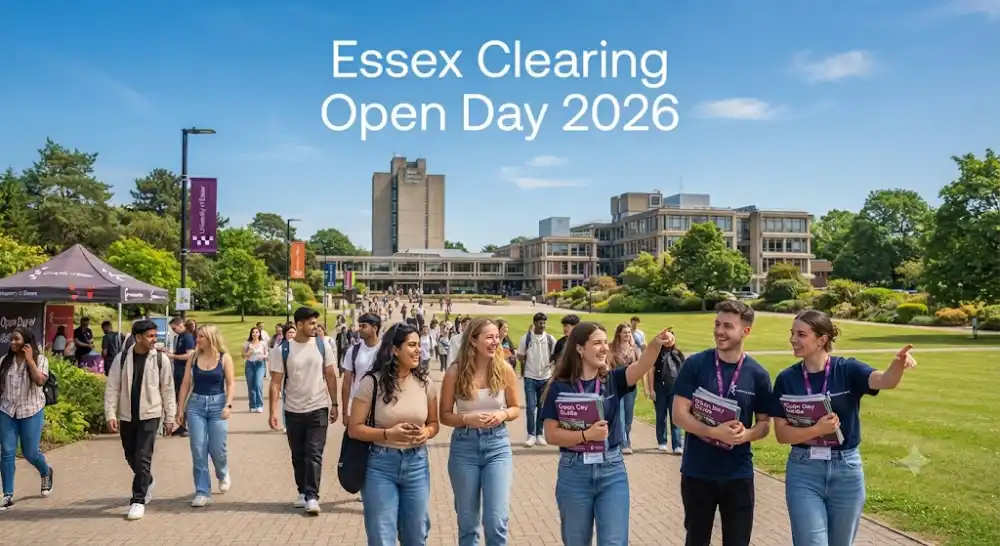
The University of Essex warmly invites all prospective students, clearing applicants, and their families to the upcoming Essex Clearing Open Day 2026 at the flagship Colchester Campus. Set against the historic and scenic backdrop of Wivenhoe Park, this major on-campus gathering provides an immersive, hands-on opportunity for participants to evaluate higher education pathways, explore world-class academic departments, and discover what makes student life at Essex genuinely unique.
Whether you are seeking last-minute placement options, exploring late undergraduate or postgraduate degree availability, or simply confirming that Essex is the right environment for your academic future, this comprehensive event delivers direct access to essential university resources and key personnel.
Academic Discoveries and Course Insights
At the core of the Essex Clearing Open Day 2026 is direct engagement with university faculty and academic specialists. Throughout the event, attendees can participate in discipline-specific subject talks designed to give a realistic taste of university-level learning and research culture.
Academic departments across various faculties set up dedicated interactive booths where visitors can ask questions regarding degree modules, assessment structures, entry criteria, and career prospects. Faculty representatives offer personalized advice for students entering through the clearing process, helping tailor study choices to match long-term personal ambitions and professional goals.
Campus Tours and Accommodation Experience
Navigating a university environment is a central part of choosing a higher education home. During the event, friendly current student ambassadors lead guided tours across the expansive Colchester Campus. These walking tours give attendees authentic, insider perspectives on daily student life, highlighting popular campus hubs, state-of-the-art learning facilities, peaceful green spaces, and vibrant social areas.
In addition to exploring the grounds, visitors gain physical access to various campus accommodation options. From modern ensuite rooms to traditional shared living quarters, prospective students can inspect real living environments firsthand, compare options across different budgets, and ask current residents about their daily living experiences.
Student Support and Campus Life
Selecting a university involves much more than finding the right degree program; it is about finding a supportive community where students thrive. The Essex Clearing Open Day 2026 features extensive representation from the Essex Students' Union and essential campus support services.
Attendees can meet representatives from student societies, sports teams, cultural clubs, and volunteering initiatives to discover the endless extracurricular opportunities available on campus. Additionally, dedicated support desks are staffed with experts in university finance, mental health, disability support, careers advising, and international student guidance, ensuring every visitor receives clear answers regarding their transition to higher education.
University of Essex Colchester Campus,
Colchester
11
0
May 28, 2026
Making Diversity Interventions Count Conference
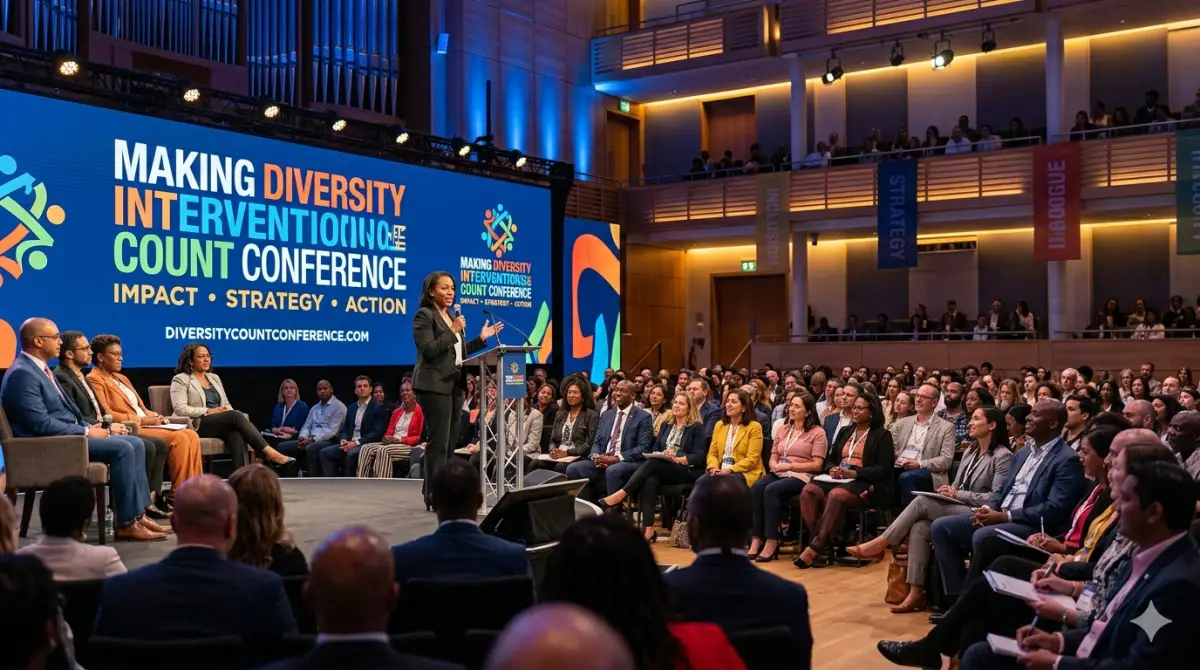
The "Making Diversity Interventions Count" Annual Conference (MDICAC) 2026 is a premier gathering of scholars, practitioners, and policymakers dedicated to advancing equality, diversity, and inclusion (EDI) within the workplace and across wider society. In an era where diversity initiatives are often critiqued for being performative, this conference focuses on the critical question: how do we make diversity interventions actually work? By bringing together a diverse range of voices, the event aims to move beyond rhetoric and towards evidence-based practice that delivers measurable results.
The day-long conference features a series of keynote speeches from internationally recognized experts in social justice and organizational behavior. These speakers will share the latest research findings and case studies of successful EDI implementation. Following the keynotes, attendees can participate in thematic breakout sessions covering topics such as inclusive leadership, tackling systemic bias in recruitment, supporting neurodiversity, and creating safe spaces for marginalized groups. These workshops are designed to provide practical tools that delegates can take back to their own organizations to foster a more inclusive environment.
Furthermore, the MDICAC 2026 serves as a vital networking hub. The University of Bradford, known for its commitment to social inclusion, provides the perfect backdrop for these difficult yet necessary conversations. Participants will have the chance to connect with peers from various sectors—including higher education, healthcare, and the private sector—to share experiences and forge collaborative partnerships. The event concludes with a panel discussion focusing on the future of EDI in a rapidly changing global landscape. This conference is an essential date for anyone committed to creating a fairer, more equitable world where everyone has the opportunity to thrive regardless of their background.
Norcroft Centre, University of Bradford,
Bradford
104
0
- Prev
- 1
- Next
Share This Page
My Page
Scan QR to open
Barcode