
Discover All Events
Explore 1 premium experiences in all locations
Promoted
List Your Next Big Event
Reach millions of attendees by showcasing your conferences, workshops, or exhibitions on the world's most trusted event platform.
Create Your Event Now
FEATURED
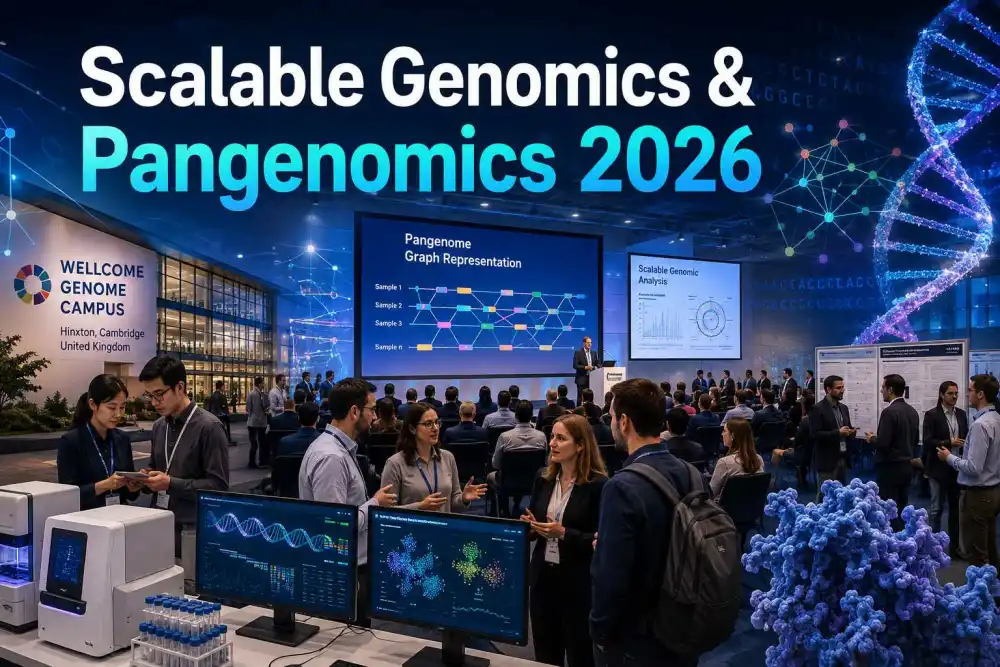
Oct 11 - 16, 2026
Scalable Genomics & Pangenomics
The Scalable Genomics & Pangenomics Conference 2026 is one of the flagship scientific meetings hosted at the Wellcome Genome Campus in Hinxton, Cambridge. Designed for researchers, computational biologists, bioinformaticians, and healthcare professionals, this international conference explores the rapidly evolving field of large-scale genome analysis and pangenomics. The event brings together globally recognized scientists who are developing innovative computational methods for understanding genome diversity and applying genomic discoveries to medicine, agriculture, biodiversity, and population health.
Hosted within the world-renowned Hinxton Hall Conference Centre, the conference provides an exceptional learning environment equipped with modern lecture theatres, collaborative meeting spaces, and residential facilities. Participants benefit from an immersive scientific atmosphere where discussions continue beyond formal presentations, encouraging collaboration between academia, healthcare organizations, and industry partners.
Wellcome Genome Campus
Wellcome Genome Campus is internationally recognized as one of Europe's leading centers for genomics, biodata, health data, and computational biology. The campus is home to globally respected organizations including the Wellcome Sanger Institute, EMBL-European Bioinformatics Institute (EMBL-EBI), Wellcome Connecting Science, and an expanding ecosystem of biotechnology companies.
Every year the campus hosts thousands of researchers, healthcare professionals, educators, and students through conferences, specialist courses, workshops, and networking events. The campus continues to expand its scientific infrastructure, strengthening the United Kingdom's position as a global leader in life sciences, artificial intelligence, and genomic medicine.
Conference Objectives
The conference focuses on helping participants understand modern approaches for analyzing increasingly large genomic datasets. As sequencing technologies continue to advance, scientists require scalable computational tools capable of processing hundreds or thousands of genomes efficiently.
Major objectives include:
Understanding scalable genomic analysis
Exploring pangenome frameworks
Learning graph-based genome representations
Studying genome diversity across populations
Improving computational workflows
Applying genomics to healthcare
Sharing innovative research methodologies
Building international scientific collaborations
These objectives ensure attendees gain both theoretical knowledge and practical insights that can be applied immediately within research institutions, universities, biotechnology companies, and healthcare organizations.
Scientific Programme
The conference features a comprehensive scientific programme covering the latest developments in genomics and computational biology.
Sessions include:
Genome assembly technologies
Pangenome construction
Reference-free genomic analysis
Structural variation detection
Population genomics
Evolutionary genomics
Large-scale sequencing strategies
Computational pipelines
Machine learning applications
High-performance computing
Genome quality assessment
Comparative genomics
Leading researchers present keynote lectures alongside invited talks, lightning presentations, poster sessions, and collaborative discussion panels.
Learning Opportunities
Participants gain exposure to practical methodologies used in cutting-edge genome research.
Educational opportunities include:
Interactive scientific lectures
Case-study discussions
Technical demonstrations
Data analysis strategies
Software tool introductions
Collaborative workshops
Poster presentations
Research networking
These activities help attendees strengthen both technical knowledge and professional skills.
Networking Benefits
Networking is one of the strongest aspects of Wellcome Genome Campus conferences.
Attendees have opportunities to:
Meet internationally recognized scientists
Connect with research institutions
Collaborate with biotechnology companies
Exchange research ideas
Discover funding opportunities
Build international partnerships
Discuss emerging technologies
Explore future collaborations
The residential conference format encourages meaningful interactions throughout the event.
Who Should Attend?
This conference is suitable for professionals working across multiple disciplines, including:
Academic researchers
Postdoctoral scientists
PhD candidates
Bioinformaticians
Computational biologists
Clinical geneticists
Biomedical researchers
Healthcare professionals
Data scientists
Biotechnology professionals
Pharmaceutical researchers
AI researchers working in genomics
Why Attend?
Attending the conference provides numerous professional benefits:
Learn from internationally recognized experts
Stay current with genomics innovations
Discover advanced computational techniques
Improve genome analysis skills
Explore pangenome technologies
Build valuable professional networks
Present research findings
Gain career development opportunities
Experience one of Europe's leading genomics campuses
Venue Experience
The Hinxton Hall Conference Centre provides a professional setting specifically designed for scientific meetings.
Facilities include:
Modern lecture theatres
Advanced audiovisual systems
Meeting rooms
On-site accommodation
Catering services
High-speed internet
Networking lounges
Beautiful campus surroundings
The venue allows delegates to focus entirely on scientific learning while enjoying a comfortable conference environment.
Why This Conference Matters
Genome science is entering a new era where researchers analyze entire populations rather than individual genomes. Traditional reference genomes are increasingly being replaced by pangenome approaches capable of representing genetic diversity more accurately.
This conference equips scientists with the computational knowledge, analytical tools, and collaborative opportunities needed to address these challenges. By bringing together international experts from academia, healthcare, and industry, the event accelerates innovation in genomics and contributes to advances in personalized medicine, disease research, biodiversity studies, and global health.
As genomics continues transforming medicine and biological research, conferences such as Scalable Genomics & Pangenomics provide an essential platform for knowledge exchange, scientific collaboration, and professional development. Researchers leave with practical skills, new partnerships, and a deeper understanding of the technologies shaping the future of genome science.
Hinxton Hall Conference Centre,
Cambridge
32
0
FEATURED
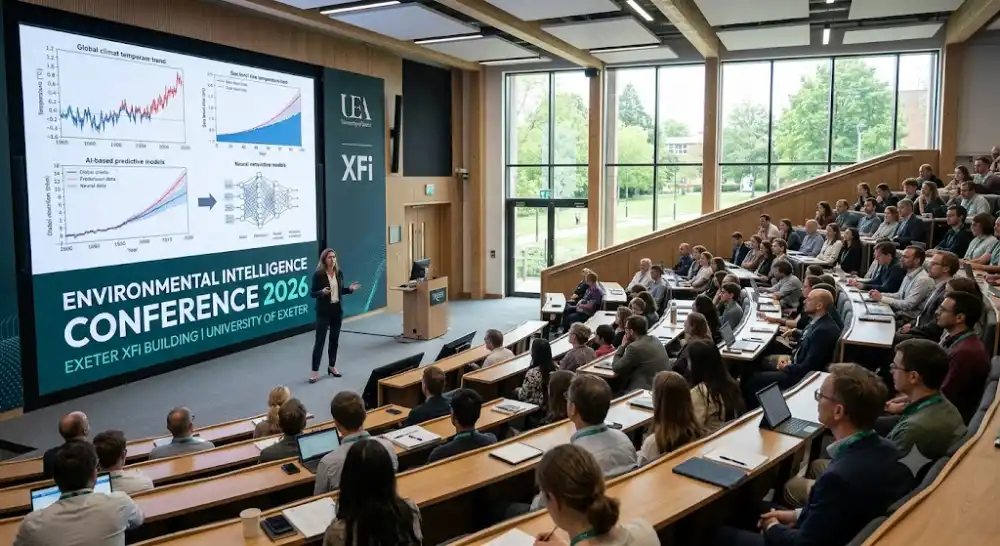
Sep 07 - 09, 2026
Environmental Intelligence Conference 2026
The Environmental Intelligence Conference 2026 represents a cornerstone gathering for academics, data scientists, environmental practitioners, and policymakers dedicated to tackling pressing global environmental challenges. Hosted by the Centre for Environmental Intelligence at the University of Exeter, this multi-day scientific conference will take place from Monday, 7th September to Wednesday, 9th September 2026 at the flagship XFi Building located on Exeter's beautiful Streatham Campus. Building upon years of groundbreaking research, the 2026 gathering provides an interdisciplinary platform to demonstrate how artificial intelligence, data science, and advanced analytics can deliver actionable solutions for environmental stewardship.
As environmental pressures intensify globally, the integration of computational modeling with ecological research has become essential. The conference brings together leading international minds to explore how ethical, responsible AI and big data methodologies can assist decision-makers in navigating climate resilience, biodiversity loss, carbon reduction, and natural resource management.
Interdisciplinary Sessions and Research Showcases
The three-day agenda is structured around solution-focused presentations, expert keynote lectures, and collaborative discussions. Key thematic tracks cover continuous satellite monitoring, predictive climate forecasting, ecological data modeling, marine ecosystem tracking, and urban environmental intelligence. Delegates will participate in thought-provoking sessions designed to translate high-level theoretical data models into real-world conservation policy and industrial applications.
A central highlight of the event is the dedicated early-career research showcase. Postgraduate students and post-doctoral fellows will display scientific posters highlighting emerging research, receiving valuable feedback from established global authorities in data science and environmental engineering. Interactive workshops integrated into the schedule will focus on machine learning frameworks for climate action, open-source environmental databases, and interdisciplinary data visualization techniques.
Networking, Industry Collaboration, and Partnership Hubs
Beyond formal presentations, the Environmental Intelligence Conference 2026 places strong emphasis on building cross-sector partnerships. Dedicated networking breaks, catered lunches, and an evening social reception held within the XFi Building social lounge offer informal settings to connect with potential research collaborators, industry sponsors, and international partners.
Representatives from government environmental agencies, non-governmental conservation organizations, tech sector innovators, and research institutes will come together to explore joint initiatives. By bringing together diverse sectors, the event serves as an incubator for future research projects and policy frameworks aimed at achieving net-zero goals and planetary restoration.
Join Us in Exeter for EI2026
Situated within the picturesque Streatham Campus of the University of Exeter, the XFi Building provides state-of-the-art conference auditoriums, breakout spaces, and full digital connectivity for an optimal learning experience. Convenient transport links from central Exeter and Exeter St David's railway station make attending seamless for delegates arriving from across the UK and overseas.
Don't miss the opportunity to contribute to one of the year’s most vital environmental data science gatherings. Secure your registration today and join us in Exeter on 7th–9th September 2026 to help shape data-driven solutions for a sustainable planet.
XFi Building, Streatham Campus,
Exeter
11
0
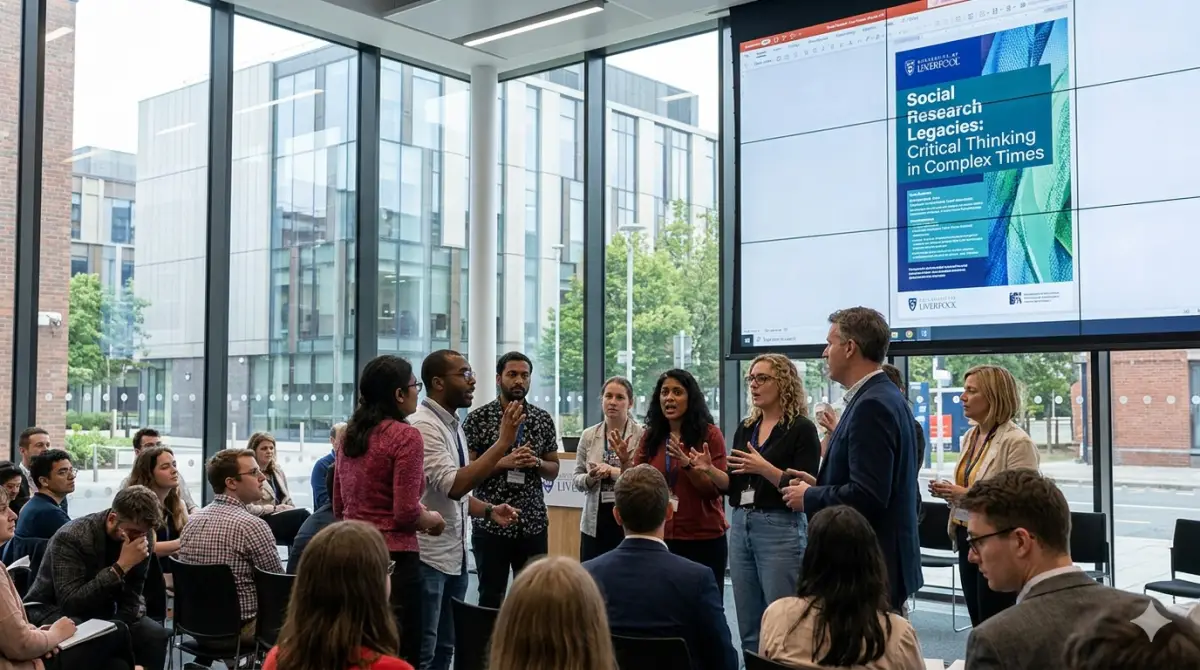
May 21, 2026
Social Research Legacies Conference
The "Social Research Legacies: Critical Thinking in Complex Times" conference is a landmark event hosted by the School of Law & Social Justice. In an era of rapid social change, political instability, and technological disruption, this conference seeks to examine how historical research methodologies and legacies inform our current understanding of social justice. This event provides a critical forum for academics and practitioners to reflect on the impact of social research on policy and public perception.
The conference is structured around several key themes, including the "infrastructuralisation" of knowledge and the political logics of generative AI. It asks hard questions about whose voices are preserved in the archives of social research and how current researchers can build more inclusive "legacies" for the future. Participants will engage in workshops that challenge traditional frameworks, encouraging a move toward more radical and transformative social inquiry.
With a focus on "Critical Thinking in Complex Times," the event attracts a diverse range of speakers from sociology, law, and political science. It’s an opportunity for attendees to step back from the day-to-day data collection and think deeply about the purpose and ethical footprint of their work. Whether you are a social policy maker, a legal scholar, or a sociology student, this conference offers a profound look at how the research of today becomes the legacy of tomorrow.
School of Law and Social Justice Building,
Liverpool
46
0
- Prev
- 1
- Next
Share This Page
My Page
Scan QR to open
Barcode