
Discover All Events
Explore 1 premium experiences in all locations
Promoted
List Your Next Big Event
Reach millions of attendees by showcasing your conferences, workshops, or exhibitions on the world's most trusted event platform.
Create Your Event Now
FEATURED
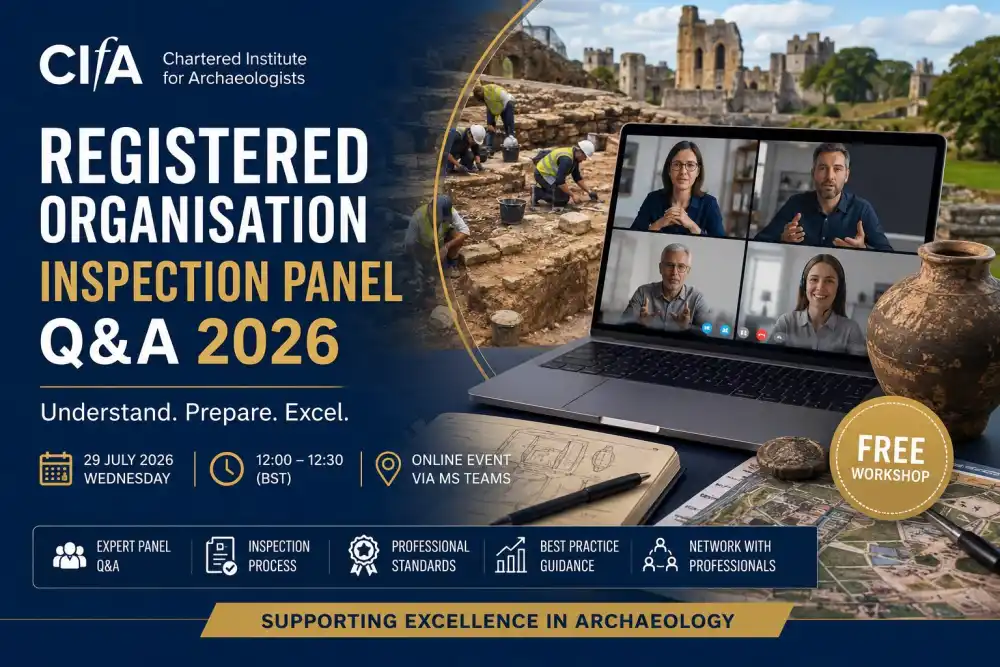
Registered Organisation Inspection Panel Q&A
The Registered Organisation Inspection Panel Q&A 2026 is an informative professional workshop hosted by the Chartered Institute for Archaeologists (CIfA). This online event has been designed to help archaeological organisations better understand the Registered Organisation (RO) inspection process, compliance requirements, and the professional standards expected by CIfA. It provides an excellent opportunity for participants to engage directly with inspection panel members, ask questions, and gain practical guidance on maintaining excellence within their organisations.
Whether your organisation is already registered or considering joining the Registered Organisation scheme, this workshop offers valuable insights into the inspection process and demonstrates how continuous improvement supports high-quality archaeological practice across the United Kingdom.
The Chartered Institute for Archaeologists
The Chartered Institute for Archaeologists (CIfA) is the leading professional body representing archaeologists and heritage practitioners across the UK and internationally. The institute promotes ethical practice, professional competence, and high standards throughout the archaeological profession.
Through training programmes, conferences, workshops, webinars, and professional guidance, CIfA supports individuals and organisations in delivering archaeological work that protects cultural heritage while meeting recognised professional standards.
Purpose of the Workshop
This event has been created to explain how Registered Organisation inspections are conducted and how organisations can successfully prepare for them.
Participants will gain practical knowledge about:
The inspection framework
Assessment procedures
Required documentation
Quality management systems
Professional ethics
Organisational compliance
Continuous improvement strategies
The workshop encourages open discussion and provides attendees with the opportunity to ask questions directly to experienced inspection panel members.
Why Attend This Event?
Professional standards continue to evolve as archaeology adopts new technologies, updated regulations, and improved project management practices.
Attending this workshop enables participants to:
Understand inspection expectations
Improve organisational procedures
Learn directly from experienced assessors
Build confidence before inspections
Stay updated with current professional guidance
The interactive format ensures attendees receive practical advice that can be immediately applied within their organisations.
What You Will Learn
The workshop covers every major aspect of the Registered Organisation scheme.
Key learning areas include:
Understanding the purpose of Registered Organisation status
Preparing documentation for inspections
Demonstrating professional competence
Managing quality assurance systems
Staff training and development
Ethical archaeological practice
Health and safety responsibilities
Risk management
Equality, diversity and inclusion
Continuous organisational improvement
Each topic is supported with practical examples from real inspection experiences.
Understanding the Inspection Process
Inspection panel members will explain the complete inspection journey, including:
Initial preparation
Evidence submission
Documentation review
Online or on-site assessment
Feedback process
Recommendations
Follow-up actions
Attendees will understand exactly what inspectors look for during assessments and how organisations can demonstrate compliance effectively.
Benefits of Registered Organisation Status
Registered Organisation accreditation demonstrates that an organisation works to nationally recognised professional standards.
Benefits include:
Enhanced professional reputation
Greater client confidence
Improved quality assurance
Stronger governance
Better project management
Recognition across the heritage sector
Increased staff development opportunities
Maintaining these standards helps organisations deliver consistently high-quality archaeological services.
Professional Standards in Archaeology
Professional standards form the foundation of successful archaeological practice.
During the workshop, experts will discuss:
Codes of conduct
Professional ethics
Technical competence
Record management
Quality assurance
Environmental responsibility
Heritage protection
Public engagement
Participants will discover how these standards support better project outcomes and long-term organisational success.
Interactive Question and Answer Session
One of the highlights of the workshop is the live Q&A session.
Participants can ask questions about:
Inspection preparation
Documentation requirements
Compliance challenges
Staff competencies
Project management
Quality assurance
Governance
Ethical responsibilities
Direct interaction with inspection panel members provides practical answers based on real-world experience.
Networking Opportunities
Although the workshop is delivered online, attendees can still connect with professionals from across the archaeology sector.
Networking benefits include:
Sharing professional experiences
Discussing common challenges
Learning best practices
Building professional relationships
Exploring collaborative opportunities
These discussions often lead to valuable knowledge sharing that benefits organisations long after the event concludes.
Who Should Attend?
This workshop is ideal for professionals working throughout the archaeological and heritage sectors, including:
Archaeologists
Heritage Consultants
Registered Organisation Managers
Project Directors
Museum Professionals
Local Authority Archaeologists
Academic Researchers
Cultural Heritage Specialists
Quality Assurance Managers
Early Career Professionals
Anyone interested in understanding CIfA's Registered Organisation scheme will benefit from attending.
Career Development Benefits
Continuous Professional Development (CPD) is an essential part of modern archaeology.
Attending this event helps participants:
Expand professional knowledge
Improve compliance skills
Strengthen leadership abilities
Enhance organisational management
Prepare for future inspections
Support career progression
Build professional confidence
The knowledge gained can be applied immediately within everyday archaeological practice.
Supporting Organisational Excellence
Successful organisations continually evaluate and improve their internal systems.
The workshop explains how organisations can:
Strengthen governance
Improve project documentation
Develop staff competencies
Monitor quality assurance
Maintain ethical standards
Reduce organisational risks
Improve client satisfaction
Continuous improvement contributes to long-term organisational success and professional recognition.
Why This Event Matters
Archaeology plays an essential role in preserving cultural heritage for future generations.
Maintaining high professional standards ensures archaeological investigations remain accurate, ethical, transparent, and scientifically robust.
Events like the Registered Organisation Inspection Panel Q&A help organisations remain informed about evolving industry expectations while encouraging knowledge sharing and professional collaboration across the sector.
By understanding inspection requirements and implementing best practices, organisations can improve both operational performance and public confidence in archaeological work.
Final Thoughts
The Registered Organisation Inspection Panel Q&A 2026 offers a valuable opportunity for archaeological professionals to strengthen their understanding of CIfA's Registered Organisation scheme and inspection process. Through expert presentations, practical guidance, and interactive discussions, participants will gain the confidence needed to prepare for inspections and enhance organisational performance.
Whether you are responsible for quality assurance, project management, governance, or professional development, this workshop provides practical knowledge that supports continuous improvement and promotes excellence throughout the archaeological profession.
Attendees will leave with a clearer understanding of inspection expectations, professional standards, and strategies that help organisations achieve and maintain high levels of quality across every aspect of archaeological practice.
Online,
Reading
13
0
FEATURED
Aug 18, 2026
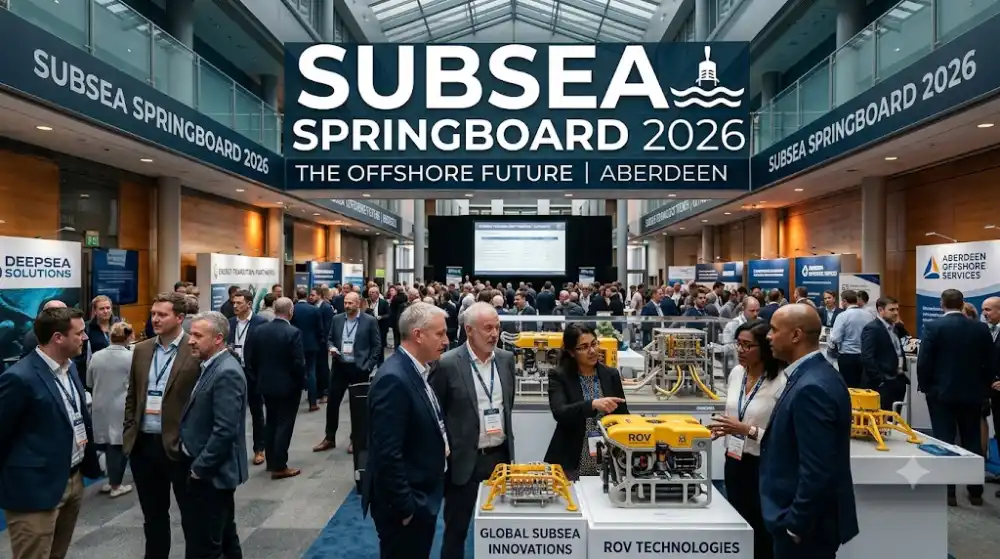
Subsea Springboard 2026
The Subsea Springboard 2026 event stands as a premier focal point for professionals, innovators, and stakeholders dedicated to advancing the UK’s dynamic underwater and marine industries. Set in the heart of Aberdeen, this carefully curated gathering brings together top-tier minds from across the subsea supply chain, engineering sectors, and environmental domains. As the global energy landscape rapidly shifts toward sustainable practices, net-zero targets, and technological modernization, platforms like Subsea Springboard are essential for fostering cross-sector collaboration. Attendees will immerse themselves in a robust program designed to highlight cutting-edge developments, open up new avenues for commercial growth, and address the pressing operational challenges currently facing the marine and offshore sectors. Whether you are an established industry leader or an emerging enterprise, this conference provides unmatched access to valuable market intelligence and strategic networking opportunities.
Comprehensive Exploring of Core Themes and Objectives
At its core, the event dives deeply into the mechanics of operational excellence, digital transformation, and future-proof engineering solutions within the underwater environment. Participants will engage with expert-led sessions examining how advanced automation, subsea integrity management, and data-driven frameworks are reshaping day-to-day operations. The conference emphasizes practical applications that reduce carbon footprints while maximizing asset reliability across offshore oil, gas, and renewable energy fields. Discussions will also place considerable weight on regulatory updates, safety standards, and workforce development, ensuring that companies remain compliant and competitive in a fast-evolving global marketplace. Through panel discussions, keynote addresses, and interactive forums, delegates will leave equipped with actionable insights to propel their organizations forward.
Networking and Collaborative Growth Opportunities
Beyond structured learning tracks, Subsea Springboard 2026 places a heavy premium on building lasting professional relationships. The venue layout and schedule are meticulously planned to facilitate organic networking among operators, developers, service providers, and tier-one contractors. Attendees can exchange ideas, spark joint ventures, and discuss potential supply chain partnerships that drive regional and international success. By bridging gaps between different segments of the blue economy—ranging from offshore wind to traditional subsea infrastructure—the event acts as a true launchpad for innovative projects and collaborative breakthroughs. Join peers and decision-makers in Aberdeen to shape the trajectory of the underwater sector for the decades to come.
Global Underwater Hub - Aberdeen Office,
Aberdeen
20
0
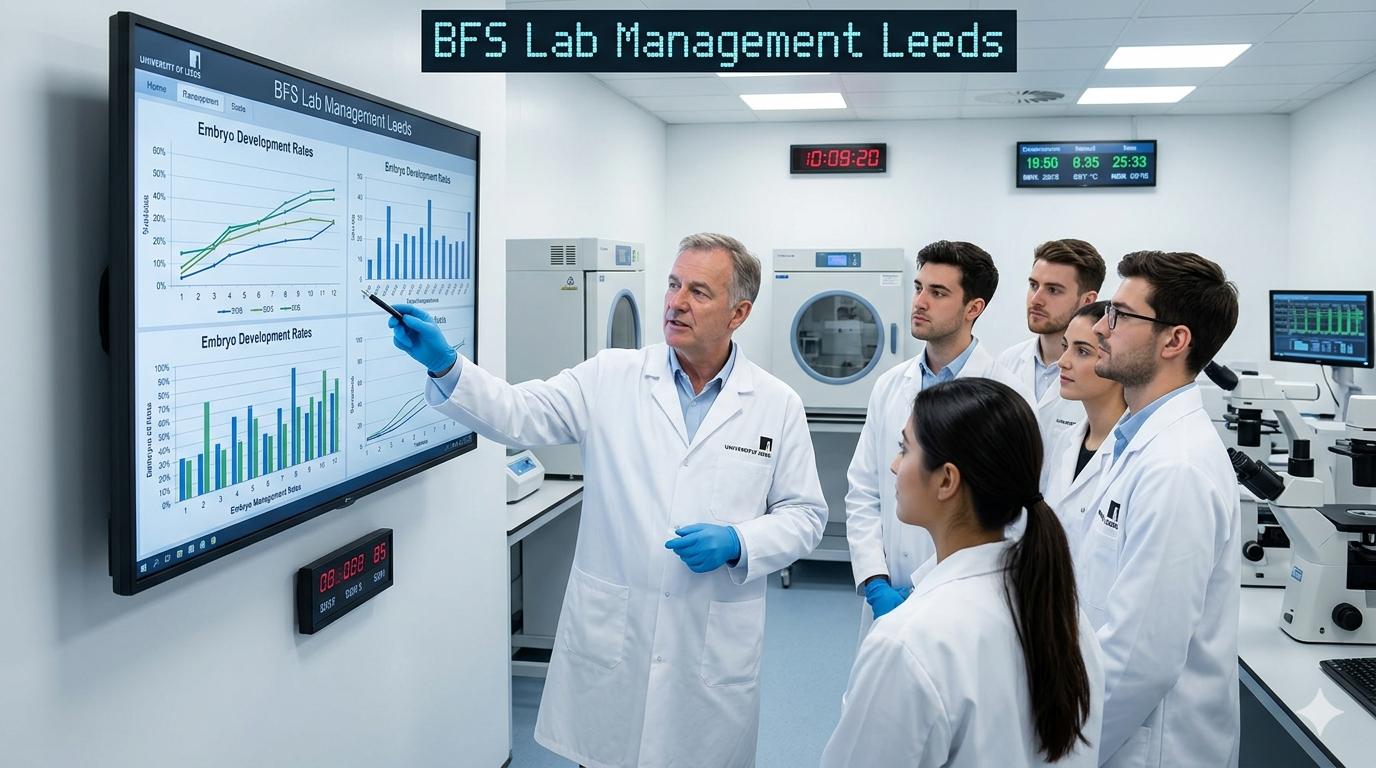
BFS Embryology Lab Management Workshop
The British Fertility Society's Embryology Laboratory Management Workshop is an advanced two-day program held at the University of Leeds, School of Medicine. As IVF technology becomes more sophisticated, the role of the Laboratory Director and Senior Embryologist has shifted from purely technical to highly managerial. This workshop is designed to equip laboratory leaders with the skills necessary to run a high-performing, compliant, and innovative IVF lab in the 2020s.
Day one focuses on "Quality Management and Regulatory Compliance." In the UK, the HFEA's Code of Practice sets a high bar for laboratory standards. Participants will engage in deep-dive sessions on audit preparation, risk assessment, and the implementation of robust Quality Management Systems (QMS). Expert speakers will share strategies for error reduction, including the latest in electronic witnessing systems and air quality monitoring. The goal is to move beyond simple compliance and toward a culture of "Continuous Quality Improvement."
Day two shifts the focus to "Innovation and Team Leadership." This includes the logistical challenges of introducing new technology—such as AI-driven embryo grading or automated vitrification—into an existing workflow. Attendees will learn how to manage technical transitions without disrupting clinical results. Furthermore, the workshop covers the human element: recruiting, training, and retaining skilled embryologists in a competitive market. Through interactive role-playing and peer discussion, participants will explore leadership styles and conflict-resolution techniques specific to the high-stakes environment of an embryology lab. This event is a must for any senior embryologist in Leeds or the surrounding regions looking to transition into or excel in a management role.
University of Leeds, School of Medicine,
Leeds
122
0
- Prev
- 1
- Next
Share This Page
My Page
Scan QR to open
Barcode