
Natural England Helpline & Environmental Support UK
- 👤 Admin
- 👁️ 32 Views
- 📅 February 4, 2026
- 🏷️ Goverment Schemes
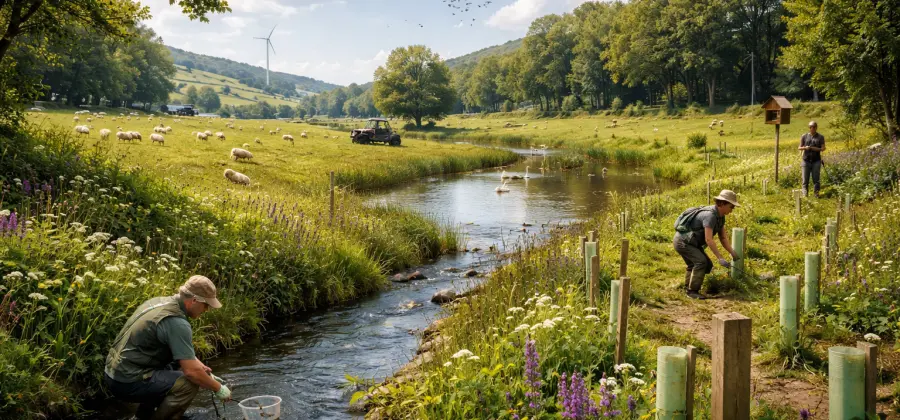
Natural England is the government’s adviser for the natural environment in England. It is an executive non-departmental public body, sponsored by the Department for Environment, Food & Rural Affairs (Defra). Their mission is to restore nature and help people go out and enjoy it. Whether you are a farmer seeking environmental protection farming related enquiries, a developer needing a wildlife licence, or a volunteer looking for free Natural England help UK, navigating the various rules around Sites of Special Scientific Interest (SSSIs) and protected species can be challenging.
There is comprehensive Natural England support UK available to help you manage land, protect local wildlife, and comply with environmental laws. You do not have to tackle these complex ecological requirements alone; expert advice and confidential support UK are accessible through several dedicated channels.
If You Need Help Right Now
While Natural England focuses on long-term conservation and licensing, certain environmental situations require immediate action.
Also Read: Northumberland National Park Authority Helpline UK
-
Life-threatening emergencies at sea or on cliffs: Call 999 or 112 and ask for the Coastguard.
-
Urgent Pollution Incidents: If you see sewage, chemicals, or oil entering a river or damaging a habitat, call the Environment Agency 24-hour hotline on 0800 80 70 60.
-
Active Wildlife Crime: If you witness someone harming a protected species (like a badger or a bird of prey) or destroying a protected habitat in progress, call 999. For non-emergencies, call 101.
Also Read: North York Moors National Park Authority Helpline UK
-
Suspected Notifiable Animal Disease: If you suspect bird flu or other notifiable diseases, call the Defra Rural helpline immediately on 03000 200 301.
Understanding Natural England
Natural England was established to ensure that England’s natural environment is conserved, enhanced, and managed for the benefit of present and future generations. They are the body that designates National Parks and Areas of Outstanding Natural Beauty (AONBs).
Also Read: Official Advisory Committee on Releases to the Environment helpline UK
Natural England affects:
-
Landowners and Farmers: Providing advice on Countryside Stewardship and managing SSSIs.
-
Developers and Surveyors: Issuing licences for work that might affect protected species like bats, great crested newts, or badgers.
Also Read: Joint Nature Conservation Committee Support & Helplines UK
-
Local Authorities: Advising on local plans and the environmental impact of new housing or infrastructure.
-
The Public: Managing National Nature Reserves and ensuring access to the English Coast Path.
Common situations include needing a wildlife licence for a loft conversion, reporting damage to nature, or seeking Natural England support UK for sustainable land management.
Common Problems, Risks, or Situations
You might need to contact the Natural England helpline UK if you encounter the following:
-
Wildlife Licensing: You have found bats or other protected species on a development site and need a derogation licence to proceed legally.
-
SSSI Management: You own land that is a Site of Special Scientific Interest and need "Notice and Consent" to carry out works.
-
Planning Advice: You are a developer seeking Natural England support UK for a Nationally Significant Infrastructure Project (NSIP).
-
Environmental Land Management: Confusion over transition from old stewardship schemes to new environmental incentives.
-
Access Issues: Reporting a blocked public right of way or a problem on the National Trails.
UK helplines, Charities & Support
If you are looking for "Where can I get help for Natural England" matters, use the directory below.
1. Natural England (General Enquiries)
The primary point of entry for all non-licensing and general environmental questions.
-
Who it helps: Landowners, researchers, and the general public.
-
Phone number: 0300 060 3900
-
Email address: enquiries@naturalengland.org.uk
-
Website: https://www.gov.uk/government/organisations/natural-england
-
Availability: Monday to Friday, 8:30 am – 5:00 pm.
2. Natural England Wildlife Licensing Team
For technical help regarding protected species and licence applications.
-
Who it helps: Ecological consultants, developers, and homeowners.
-
Phone number: 020 802 61089
-
Email address: wildlife@naturalengland.org.uk
-
Availability: Office hours.
3. Bat Conservation Trust (National Bat helpline)
A key Natural England charities UK partner for those with bat-related queries, often the first port of call for homeowners.
-
Who it helps: Members of the public who have found a bat or have a roost in their home.
-
Phone number: 0345 1300 228
-
Website: https://www.bats.org.uk
-
Availability: Office hours (with an out-of-hours volunteer emergency line in summer).
4. Environment Agency (Incident Hotline)
The main Natural England emergency help pathway for pollution and environmental damage.
-
Who it helps: Anyone reporting pollution, illegal waste dumping, or flooding.
-
Phone number: 0800 80 70 60
-
Website: https://www.gov.uk/report-an-environmental-incident
-
Availability: 24/7 helpline UK.
5. Rural Payments Agency (RPA)
While Natural England provides the advice, the RPA often handles the funding and payments for land schemes.
-
Who it helps: Farmers and land managers.
-
Phone number: 03000 200 301
-
Email address: ruralpayments@defra.gov.uk
-
Availability: Monday to Friday, 8:30 am – 5:00 pm.
6. Crimestoppers (Wildlife Crime)
For providing confidential support UK when you suspect someone is breaking environmental laws.
-
Who it helps: Anonymous whistleblowers.
-
Phone number: 0800 555 111
-
Website: https://crimestoppers-uk.org
-
Availability: 24/7 helpline UK.
How to Choose the Right helpline
-
If you have a technical question about a licence you have already applied for, call the Natural England Wildlife Licensing Team.
-
If you are a homeowner and have found a bat, call the Bat Conservation Trust first; they often provide the initial assessment for Natural England.
-
If you are reporting pollution in a river, do not call Natural England—call the Environment Agency immediately.
-
If you are a farmer with Environmental Stewardship payment issues, your best contact is the Rural Payments Agency (RPA).
Step-by-Step: What Happens When You Call a helpline
-
Selection: You will often hear an automated menu. Select the option that matches your role (e.g., "Press 1 for land management, Press 2 for licensing").
-
Case Reference: If you are calling about a specific site or licence, have your case reference number or Grid Reference ready.
-
Advisory Role: The call handler will determine if your query can be answered immediately or if it needs to be passed to an Area Team specialist.
-
Anonymity: If you are calling to report damage to nature, you can ask to remain anonymous, though providing contact details allows officers to clarify location details.
Support for Friends, Family, or Carers
The legal requirements of owning protected land or the stress of a halted development project can be significant. If you are supporting a landowner or developer:
-
Encourage them to seek free Natural England help UK early. Most issues arise from a lack of "Notice and Consent" rather than intentional harm.
-
Contact The Farming Community Network (FCN) on 03000 111 999 if the stress of environmental compliance is affecting their mental health.
What You Can Do While Waiting for Support?
-
Stop Work: If you find a protected species during construction, stop work immediately. Continuing can lead to criminal prosecution.
-
Documentation: Take clear photos of the species or the habitat in question.
-
Grid References: Use an app like "What3Words" to get an exact location for the incident or site.
-
Check Standing Advice: Use the GOV.UK website to check Natural England's standing advice for protected species, which may answer your query instantly.
Role of Government and Public Bodies
Natural England works closely with the Environment Agency, the Forestry Commission, and Joint Nature Conservation Committee (JNCC). While Natural England handles the "green" (land/nature), the Environment Agency handles the "blue" (water/pollution) and the Forestry Commission handles "brown" (trees/woodlands). Together, they implement the government’s 25 Year Environment Plan.
Final Reassurance & Encouragement
Protecting our natural heritage is a collective responsibility, but the paperwork shouldn't be a barrier. Natural England support UK is there to ensure that progress and nature can coexist. Whether you are seeking a wildlife licence or reporting damage to nature, the experts are there to help you do the right thing. Don't hesitate to reach out to a free Natural England help UK service today.
Support-Related Questions & Answers
1. Who can I call for Natural England in the UK? For general enquiries, call 0300 060 3900. For wildlife licensing specifically, call 020 802 61089.
2. Is there a free helpline for Natural England? Yes, the 0300 and 020 numbers are charged at standard local rates, and the advisory service itself is free for most general enquiries.
3. Can I stay anonymous when reporting damage to a SSSI? Yes. You can report environmental damage anonymously through Crimestoppers or by asking the Natural England call handler to withhold your details.
4. What if it’s an emergency? For pollution or flooding, call the Environment Agency on 0800 80 70 60. For life-threatening emergencies, call 999.
5. Can I call on behalf of someone else? Yes, agents or ecological consultants frequently call on behalf of landowners or developers.
6. Do I need a licence to move a bird's nest? Most birds, their nests, and eggs are protected. You should call the Wildlife Licensing team before touching any nest.
7. How do I find out if my land is an SSSI? You can use the "Magic Map" website or call the Natural England helpline UK for confirmation.
8. Is Natural England the same as the Environment Agency? No. Natural England focuses on nature conservation and biodiversity; the Environment Agency focuses on pollution, waste, and flood risk.
9. Can I get a grant for planting hedges? Yes, grants are available through the Countryside Stewardship scheme. Call the Defra Rural helpline for guidance.
10. Who regulates nature conservation in Wales or Scotland? Natural England covers England. For Wales, contact Natural Resources Wales; for Scotland, contact NatureScot.
11. What information do I need when I call about a licence? Have your application reference number, the site address, and the species involved ready.
12. How long does a wildlife licence take? Natural England aims to process most standard applications within 30 working days, though complex cases take longer.
13. Are there 24/7 helplines? Natural England's offices are 8:30–5:00, but the Environment Agency (pollution) and Crimestoppers (crime) are available 24/7.
14. Can Natural England stop my planning permission? They are a "statutory consultee." They provide advice to the council, which can lead to conditions being placed on your permission.
15. Where can I report a dead bird of prey? If you suspect poisoning or illegal killing, call the police on 101 and the Natural England helpline UK.
DISCLAIMER: Please verify all phone numbers, email addresses, and service details on the official government or organisation websites before use. Numbers and contact information are subject to change without notice.
Most Searchable Keywords
Recent Helplines


Related Listings
Sponsored Listings in Travel Agencies
Related Helplines

Strike Off Your Limited Company Helpline & Su...
Closing your limited company? Find free, confidential support and official UK helpline numbers to guide you through the Companies House stri...

The King’s Awards for Enterprise UK Helpline...
Apply for The King's Awards for Enterprise. Find the right UK helpline number, free support services, and official guidance for your busines...

Free Business Finance Advice UK – Helpline Su...
Need funding or advice? Find the right helpline for finance and support for your business. Access free support UK, grants, and business debt...
Questions & Answers – Find What
You Need, Instantly!
How can I update my business listing?
Is it free to manage my business listing?
How long does it take for my updates to reflect?
Why is it important to keep my listing updated?
