
Office of the Leader of the House of Lords
- 👤 Admin
- 👁️ 39 Views
- 📅 January 28, 2026
- 🏷️ Goverment Schemes
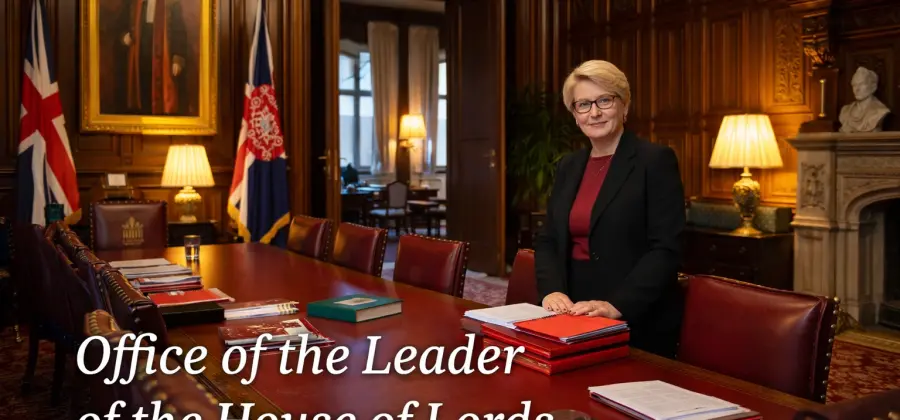
The Office of the Leader of the House of Lords stands as a cornerstone of the British parliamentary system, serving as the primary bridge between the Government and the Upper Chamber. As one of the most senior Cabinet positions, the Leader of the House of Lords (currently the Lord Privy Seal) is responsible for the delivery of the government's legislative programme while upholding the rights and privileges of the House. Unlike the House of Commons, the Lords is a self-regulating body, meaning the Office of the Leader of the House of Lords plays a unique advisory role, offering guidance on parliamentary procedure and maintaining the "companion to the standing orders."
Understanding the functions of the Office of the Leader of the House of Lords is essential for anyone navigating UK politics, constitutional law, or parliamentary business. This guide provides an in-depth analysis of the office’s responsibilities, the support networks available to peers and staff, and the vital role of the Parliamentary Business Managers.
The Core Responsibilities of the Office
The Office of the Leader of the House of Lords is a small but powerful team based in the Palace of Westminster. Their primary mission is to ensure that government business—from the passage of bills to the staging of oral questions—runs smoothly and efficiently.
Also Read: Trinity House Helpline UK
1. Delivery of the Government's Legislative Programme
The Leader of the House of Lords works in tandem with the Lords Chief Whip to manage the progress of government bills. Because the government does not have an automatic majority in the Lords, this requires a high degree of negotiation and cross-party cooperation. The Office of the Leader of the House of Lords ensures that ministers are prepared for scrutiny and that the legislative process remains robust.
2. Procedural Advice and Order
Also Read: Guide to Transport Focus and UK Passenger Support
In a chamber without a "Speaker" with disciplinary powers, the Leader of the House of Lords acts as the ultimate arbiter of parliamentary order. If a debate becomes heated or procedure is breached, the Leader (or their deputy) will rise to offer advice. This is based on the Companion to the Standing Orders, the "bible" of Lords procedure.
3. Representing the House on Formal Occasions
Also Read: National Highways Helpline UK
The Leader expresses the "collective feelings" of the House. This includes moving motions of thanks, lead-taking during the State Opening of Parliament, and offering congratulations on behalf of the House to the Monarch or other dignitaries.
Support Networks and Parliamentary Charities
Working within the high-pressure environment of the Palace of Westminster requires significant emotional and logistical support. The Office of the Leader of the House of Lords emphasizes the availability of various charities and helplines designed to assist members, staff, and their families.
National helplines and Charities for Parliamentary Support
The following organisations provide free, confidential assistance for those involved in or affected by parliamentary work.
Also Read: Northern Lighthouse Board Helpline & Support UK
Parliamentary Health and Wellbeing Service (PHWS)
-
Phone: 020 7219 4014
-
Email: phws@parliament.uk
-
Website: https://www.parliament.uk/about/working/health-wellbeing
-
Specialist support for all members and staff regarding physical and mental health.
Health Assured (Employee Assistance Programme)
-
Phone: 0800 030 5182 (24/7 Crisis Line)
-
Website: https://www.healthassured.org
-
Confidential counselling and legal advice for parliamentary staff.
Industry and Parliament Trust (IPT)
-
Email: enquiries@ipt.org.uk
-
Website: https://www.ipt.org.uk
-
A non-partisan charity providing engagement between Parliament and UK business.
-
Phone: 116 123 (24/7)
-
Email: jo@samaritans.org
-
Website: https://www.samaritans.org
-
For anyone in emotional distress or struggling to cope.
-
Email: action@mind.org.uk
-
Website: https://www.mind.org.uk
-
Expert advice on mental health policy and personal support for politicians.
-
Phone: 0800 068 4141
-
Text: 88247
-
Website: https://www.papyrus-uk.org
-
Support for young people and those working with them who are experiencing suicidal thoughts.
Navigating the House of Lords: Procedure and Governance
The Office of the Leader of the House of Lords is integral to the Parliamentary Business Managers group. This group includes the Leader of the House of Commons, the Chief Whips, and their respective deputies.
The Lord Privy Seal
The title of Lord Privy Seal is one of the Great Officers of State. While the "Seal" itself is now largely symbolic, the title is traditionally held by the Leader of the House of Lords. This seniority allows the Leader to sit at the Cabinet table, ensuring the Lords' perspective is heard at the highest levels of government.
The Role of the Lords Chief Whip
While the Leader manages the House, the Lords Chief Whip manages the party. They work out of the Whips’ Office to ensure government members attend votes (divisions) and support the government's agenda. The synergy between the Office of the Leader of the House of Lords and the Whips is what keeps the Westminster System functioning.
Mental Health and Wellbeing in the Lords
The House of Lords can be an intimidating environment. Long sitting hours—sometimes past 10 PM—and the intensity of legislative scrutiny can take a toll.
Warning Signs of Burnout in Parliament:
-
Persistent Irritability: Often seen during long committee stages.
-
Social Withdrawal: Avoiding the Peers’ Guest Room or communal dining areas.
-
Physical Fatigue: Resulting from late-night sittings and heavy workloads.
Emotional Support Strategies for Peers:
-
Utilize the PHWS: The Parliamentary Health and Wellbeing Support offers on-site GP access and mental health first aiders.
-
Peer Support: Engaging with the Workplace Equality Networks within the Lords.
-
External Guidance: Contacting charities like Mind or Rethink Mental Illness for confidential policy and personal advice.
Common Questions about the Office of the Leader of the House of Lords
1. Who is the current Leader of the House of Lords? The role is currently held by the Rt Hon Baroness Smith of Basildon, who also serves as the Lord Privy Seal.
2. Does the Leader of the House of Lords have a salary? Yes, the Leader receives a Cabinet-level salary, though many members of the House of Lords do not receive a salary but rather a daily attendance allowance.
3. What is the difference between the Leader of the Lords and the Lord Speaker? The Lord Speaker presides over the House from the Woolsack and remains politically impartial. The Leader of the House is a government minister and political figure.
4. How can I contact the Office of the Leader of the House of Lords? The office can be reached via the general Cabinet Office switchboard or through the House of Lords Enquiry Service at 0800 223 0855.
5. What is "Government Time" in the Lords? Unlike the Commons, there is no formal "Government Time" in the Lords. Business is settled through the "usual channels" (negotiations between the Whips and the Leader).
6. Can the Leader of the House of Lords discipline members? No. The House is self-regulating. The Leader can only offer procedural advice and hope the House follows it.
7. Is the Leader of the House of Lords always in the Cabinet? Yes, the Leader is almost always a full member of the Cabinet to ensure the Upper House is represented in executive decision-making.
8. What role does the office play in the State Opening of Parliament? The Leader plays a central role in the ceremonies, often walking near the Monarch and assisting with the delivery of the King's/Queen's Speech.
9. Can the Leader introduce a Bill? Yes, the Leader often introduces major constitutional legislation or bills that affect the operation of Parliament itself.
10. What are the "Usual Channels"? This is the term used for the private discussions between the Office of the Leader of the House of Lords, the Whips, and the Opposition to agree on the parliamentary timetable.
11. Does the office support Crossbenchers? While the Leader is a government minister, they have a duty to the "whole House," including advising Crossbenchers on matters of procedure.
12. How does the office handle "urgent questions"? The Leader, alongside the Lords Chief Whip, decides which government minister will respond to urgent questions granted by the Lord Speaker.
13. What is the role of the Deputy Leader? The Deputy Leader of the House of Lords assists with the workload and stands in for the Leader during debates or when the Leader is at Cabinet meetings.
14. Are there mental health resources specifically for Peers? Yes, the Parliamentary Health and Wellbeing Service (020 7219 4014) is tailored for the specific needs of members of both Houses.
15. Where is the office located? The physical office is located within the Palace of Westminster, London, SW1A 0PW.
A Vital Constitutional Pillar
The Office of the Leader of the House of Lords is more than just a bureaucratic entity; it is the guardian of the House of Lords' unique culture of self-regulation and civil debate. By balancing the demands of the Government with the traditions of the Upper Chamber, the Leader ensures that the UK Parliament remains an effective check on executive power.
If you are a member of the parliamentary community or a concerned citizen, remember that support is always available. Whether through the NHS 111 mental health option or specialist charities like YoungMinds and Samaritans, no one in the Palace of Westminster has to face challenges alone. The Office of the Leader of the House of Lords remains committed to the wellbeing and procedural excellence of all who serve the British public.
helplines Summary:
-
Emergency Services: 999
-
Lords Enquiry Service: 0800 223 0855
-
Parliamentary Health & Wellbeing: 020 7219 4014
-
Samaritans: 116 123
-
NHS Mental Health Advice: Dial 111 (Option 2)
DISCLAIMER: Please verify all phone numbers, email addresses, and service details on the official government or organisation websites before use. Numbers and contact information are subject to change without notice.
Most Searchable Keywords
Recent Helplines


Related Listings

Sponsored Listings in Web Developers


Related Helplines

Strike Off Your Limited Company Helpline & Su...
Closing your limited company? Find free, confidential support and official UK helpline numbers to guide you through the Companies House stri...

The King’s Awards for Enterprise UK Helpline...
Apply for The King's Awards for Enterprise. Find the right UK helpline number, free support services, and official guidance for your busines...

Free Business Finance Advice UK – Helpline Su...
Need funding or advice? Find the right helpline for finance and support for your business. Access free support UK, grants, and business debt...
Questions & Answers – Find What
You Need, Instantly!
How can I update my business listing?
Is it free to manage my business listing?
How long does it take for my updates to reflect?
Why is it important to keep my listing updated?
