
Register a Death Step-by-Step Helpline UK & Free Support
- 👤 Admin
- 👁️ 34 Views
- 📅 February 9, 2026
- 🏷️ Citizen Charter
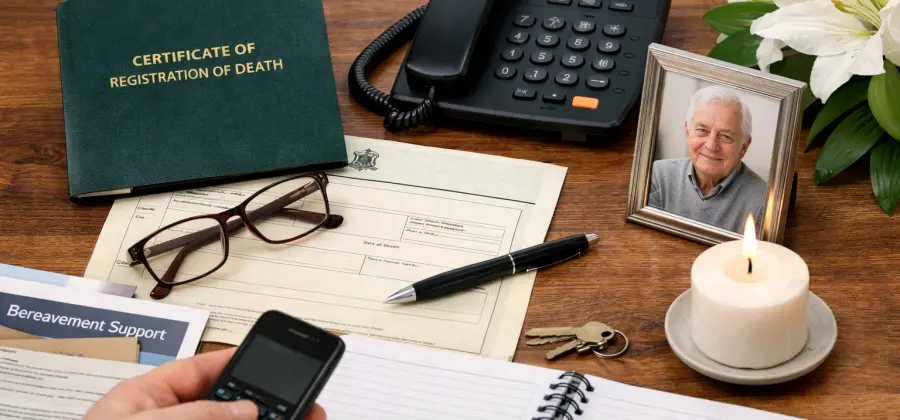
Losing a loved one is one of life’s most challenging experiences. During this period of intense grief, the requirement to manage complex legal and practical arrangements can feel overwhelming. Knowing how to register a death is essential to ensuring that your loved one is cared for with dignity and that all statutory obligations are met. This official act is not merely a formality; it is the legal closing of a person's life record, a prerequisite for a funeral, and the starting point for settling an estate.
This guide is designed to provide you with a clear roadmap, helping you find the right register a death helpline UK and access free support UK services. Whether you are dealing with an expected death at home or a sudden loss, we provide an authoritative directory of national resources to ensure you can access the register a death support UK you need. All listed services offer confidential support UK to help you navigate this difficult journey with clarity and compassion.
If You Need Help Right Now
If a death has just occurred, or if you are in a state of immediate emotional crisis, please follow these steps:
Also Read: Need Business Support? UK Helplines and Free Advice
-
Call 999 immediately if a death is sudden, unexpected, or occurs in suspicious circumstances. This ensures that the police and ambulance services can secure the scene and begin necessary procedures.
-
Call 999 if you are experiencing a mental health crisis or feel at risk of harming yourself due to the distress of your loss. Do not attempt to manage these feelings alone.
-
Call 111 if the death was expected (for example, in terminal illness) and occurred at home. They will help you contact the GP or out-of-hours doctor to certify the death.
Also Read: File Your Company's Annual Accounts with Companies House Complete UK Support & Helpline Directory
-
Contact Samaritans for 24/7 helpline UK emotional support by calling 116 123. This is a free support UK line available every day of the year for confidential support UK.
-
For register a death emergency help regarding the immediate removal of a body, contact a local funeral director; most operate 24-hour collection services and can provide immediate advice on the first steps to take.
Also Read: File Your Accounts and Company Tax Return Helpline & Support UK
Understanding Register a Death
The process following a death in the UK follows a specific legal sequence. Understanding the nuances of how to register a death helps reduce the "administrative fog" that often accompanies grief. This process is the official recording of a person's passing by the state, and it must be completed before a funeral can legally take place.
In the UK, the rules vary slightly by region, and it is vital to adhere to these local laws to avoid complications with probate or funeral arrangements:
-
England, Wales, and Northern Ireland: You must usually register a death within 5 days. This includes weekends and bank holidays in the count.
Also Read: Dormant Companies and Associations Helpline & Support UK
-
Scotland: You must register the death within 8 days. In Scotland, the process is handled by the National Records of Scotland, and you can register at any registration office in the country, whereas in England and Wales, you are encouraged to use the office in the district where the death occurred.
This legal duty falls on the "qualified informant." In order of priority, this is usually:
-
A relative of the deceased.
-
Someone present at the death.
-
An occupant of the house where the death occurred.
-
An official from the hospital or care home where the death occurred.
-
The person instructing the funeral director.
Once complete, you receive the "Death Certificate" (a certified copy of the entry in the register) and the "Green Form" (Certificate for Burial or Cremation), which are vital for moving forward with the estate and the ceremony.
Who Can Register a Death?
While the next of kin is usually the person who steps forward, the law defines who is "qualified" to provide the information to the registrar. This is to ensure that the data recorded is accurate and legally binding. If there are no relatives available, the responsibility can be complex. Who to call for register a death advice in these circumstances is often your local council's social services or the bereavement office of the hospital where the death occurred. They can provide confidential support UK to help determine who has the legal authority to sign the register.
Common Problems, Risks, or Situations
Every bereavement is unique, and several factors can complicate the standard procedure for register a death support UK. Being aware of these can help you manage expectations:
-
The Coroner (or Procurator Fiscal in Scotland): If a doctor cannot issue a medical certificate because the death was sudden, violent, or the cause is unknown, the Coroner becomes involved. You cannot register a death until the Coroner has completed their initial investigations. The Coroner may issue a "Pink Form" (Form 100) to the registrar instead of a medical certificate from a GP.
-
Missing Paperwork: If the deceased’s medical certificate of cause of death is delayed—perhaps because the GP is away or the hospital is busy—it can prevent you from meeting the 5-day deadline. Register a death emergency help lines can advise on how to communicate these delays to the Register Office.
-
Financial Hardship: Many families worry about the costs associated with death. While registration is free, the certificates themselves cost money. If you are on low-income benefits, you may be eligible for a Funeral Expenses Payment.
-
Deaths Abroad: If a loved one passes away outside the UK, the process is governed by the laws of that country. You will need to contact the Foreign, Commonwealth & Development Office (FCDO) for guidance on repatriation and how to record the death within the UK system if necessary.
-
No Next of Kin: In cases where someone dies with no known relatives, the local authority may have to arrange a "Public Health Funeral." Register a death charities UK can offer guidance to friends or neighbors who wish to help in these sad circumstances.
The Role of the Coroner
The Coroner is an independent judicial officer who investigates deaths reported to them. They have a legal duty to investigate if the death was violent or unnatural, sudden and of unknown cause, or if the person died in prison or police custody. When a Coroner is involved, the usual 5-day limit for register a death is often suspended until the Coroner has finished their work. This can be a source of great anxiety for families, but free support UK is available through the Coroners' Courts Support Service to help you understand the hearings and procedures.
Main Section: UK helplines, Charities & Support
Navigating the legalities of death requires both practical and emotional support. Below is a directory of the most reliable register a death charities UK and government services.
1. The General Register Office (GRO)
The GRO is the central government body responsible for civil registration in England and Wales. They provide the definitive register a death helpline UK for technical questions about the law.
-
Who it helps: Anyone in England and Wales needing authoritative advice on the legalities of death registration.
-
Phone: 0300 123 1837
-
Availability: Monday to Friday, 8am – 6pm; Saturday, 9am – 4pm.
2. National Records of Scotland (NRS)
For those in Scotland, the NRS manages the registration process, which has a longer 8-day deadline and different forms.
-
Who it helps: Residents of Scotland dealing with a bereavement.
-
Phone: 0131 314 4444
-
Website: https://www.nrscotland.gov.uk
-
Availability: Monday to Friday, 9am – 4.30pm.
This is a free service that provides practical help on the complex issues that follow a death. They are an excellent source for free support UK regarding the "administrative" side of loss, including stopping junk mail and closing social media accounts.
-
Who it helps: People needing a mix of legal, financial, and practical guidance on register a death.
-
Phone: 0800 634 9494
-
Website: https://www.bereavementadvice.org
-
Availability: Monday to Friday, 9am – 5pm.
Cruse is the UK’s leading bereavement charity. While they focus on emotional support, they also provide guidance on the practical steps of register a death support UK to help you feel less overwhelmed.
-
Who it helps: Anyone grieving the loss of a loved one who needs confidential support UK.
-
Phone: 0808 808 1677
-
Website: https://www.cruse.org.uk
-
Availability: Monday and Friday: 9.30am–5pm; Tuesday, Wednesday, and Thursday: 9.30am–8pm.
This is a government service that allows you to report a death to most government organisations in one go, including the DVLA, Passport Office, and DWP.
-
Who it helps: Executors or next of kin looking to simplify the notification process.
-
Website: https://www.gov.uk/after-a-death/organisations-you-need-to-contact-and-tell-us-once
-
Note: You will receive a unique reference number from the registrar during your register a death appointment to access this online.
6. Citizens Advice Bureau (CAB)
Citizens Advice provides free support UK on the financial and legal fallout of a death, including housing rights, bank account access, and dealing with debts left behind.
-
Who it helps: Anyone needing holistic advice on the socio-economic impact of a loss.
-
Phone: 0800 144 8848 (England) / 0800 702 2020 (Wales)
-
Website: https://www.citizensadvice.org.uk
-
Availability: Monday to Friday, 9am – 5pm.
WAY is a national charity in the UK for people aged 50 or under whose partner has died, offering a peer-to-peer support network.
-
Who it helps: Younger widows and widowers needing peer-to-peer confidential support UK.
-
Website: https://www.widowedandyoung.org.uk
-
Availability: Support via website and member-only community access.
8. The Coroners' Courts Support Service
-
Who it helps: Families attending an inquest or dealing with the Coroner.
-
Phone: 0300 111 2141
-
Availability: Monday to Friday, 9am – 5pm.
How to Choose the Right helpline
With several services available, it is important to contact the one that matches your current step and emotional state:
-
"I don't know the first legal step": Call the General Register Office or the Bereavement Advice Centre. They will explain the medical certificate and registration timeline in plain English.
-
"I am worried about money for the funeral": Contact Citizens Advice or the Department for Work and Pensions (DWP) to ask about the Funeral Expenses Payment.
-
"I am overwhelmed by grief and can't focus": Call Cruse or Samaritans. They offer 24/7 helpline UK emotional care to help you find the mental clarity to handle the paperwork.
-
"The Coroner is involved and I'm confused": Contact your local Coroner's Office or the Coroners’ Courts Support Service for specialized guidance on the legal investigation.
Step-by-Step: What Happens When You Call or Contact a helpline?
When you contact a register a death helpline UK, the process is designed to be gentle, scrupulously professional, and supportive:
-
Initial Consultation: The advisor will ask where the death occurred (hospital, hospice, or home) and if a doctor has issued the Medical Certificate of Cause of Death. This helps them determine if the Coroner is involved.
-
Booking the Appointment: Most Register Offices operate by appointment only. The advisor will help you find the nearest office (usually based on where the death happened) and book a time.
-
Required Information: They will tell you what information you need to bring. This usually includes the deceased's full name, maiden name (if applicable), date and place of birth, last address, occupation, and the full name and occupation of their spouse or civil partner.
-
Anonymity and Privacy: While the act of registration is a public legal record, your conversations with charities like Cruse or Samaritans remain confidential support UK.
-
Cost Clarity: They will explain that the registration itself is free, but you will need to pay for certified copies of the death certificate (usually £12.50 each). It is recommended to buy several copies for banks, insurance, and pensions.
Support for Friends, Family, or Carers
If you are supporting someone who is tasked with the duty to register a death, your role is essential in reducing their cognitive load:
-
Offer Transportation: Many people are in shock and should not drive. Offer to drive them to the Register Office and wait outside or go in with them if the registrar allows.
-
Help with Documents: Help them locate the deceased’s birth certificate, NHS card, or marriage certificate. Having these to hand makes the registrar’s job much faster and reduces the chance of errors.
-
Encourage Help-Seeking: If the bereaved person is struggling to make calls, offer to stay on the line with them or gather the information on their behalf.
-
Grief Support for You: Supporting a grieving friend is taxing. Don't hesitate to call a free support UK line like Samaritans for yourself if you feel the emotional weight becoming too heavy.
What You Can Do While Waiting for Support?
While you wait for your appointment or a callback from register a death support UK services, you can take these small, calming actions:
-
Find the NHS Number: Locate the deceased’s NHS card or a recent medical letter; this helps the registrar find the correct records instantly.
-
Notify the GP: If the death happened at home, ensure the GP is aware so they can prepare the medical certificate for the registrar.
-
Secure the Property: If the deceased lived alone, ensure the home is locked, heating is on low (in winter), and any pets are cared for.
-
Focus on the 'Now': Don't worry about the funeral or the will yet. Your only immediate legal priority is getting that medical certificate and booking the registration appointment.
-
Mindfulness: Grief can cause physical symptoms like heart palpitations or shortness of breath. Practice simple grounding: name five things you can see, four things you can touch, and three things you can hear.
Role of Government, Regulators, or Public Bodies
The General Register Office (part of Her Majesty's Passport Office) and local County Councils are responsible for maintaining the integrity of the UK's civil registration system. They ensure that every death is recorded for public record, which protects the deceased's estate from fraud and ensures the state has accurate data for public health monitoring. The Coroner’s Service acts as a judicial safeguard, ensuring that any death that is not obviously from natural causes is investigated thoroughly to protect the living.
Digital Death Notifications
In the modern age, many accounts need closing. While the "Tell Us Once" service handles government departments, it does not handle private companies. The Bereavement Advice Centre can provide free support UK lists of who else to notify, such as social media platforms, subscription services, and utility providers. Taking these steps early can prevent identity theft and stop distressing mail from arriving at the home.
Final Reassurance & Encouragement
The administrative burden of register a death can feel like an affront to your mourning, but it is a necessary step that brings legal closure and allows for a dignified farewell. You do not have to do this alone. There is no shame in asking for help or needing someone to repeat instructions during this time.
Support exists, and people care. From the registrars who are trained to be compassionate and patient, to the volunteers on 24/7 helpline UK lines, there is a community of people ready to guide you through every step. Take it one day, one task, or even one hour at a time. Your loved one's legacy starts with this final, respectful record of their life.
FAQ: Registering a Death in the UK
Who can I call for register a death in the UK? Call the General Register Office (GRO) at 0300 123 1837 or your local council's Register Office.
Is there a free helpline for register a death? Yes, the Bereavement Advice Centre at 0800 634 9494 offers free practical guidance.
Can I stay anonymous? When registering, you must provide your legal name as the informant. However, emotional support via Samaritans (116 123) is anonymous.
What if it’s an emergency? If the death is sudden or suspicious, call 999. For urgent health advice or if a death occurs at home, call 111.
Can I call on behalf of someone else? Yes, you can call helplines for advice, but the legal informant usually must attend the registration appointment in person to sign.
What is the deadline to register a death? 5 days in England/Wales/NI, and 8 days in Scotland.
What is 'Tell Us Once'? A service where the registrar notifies government bodies like the DVLA, HMRC, and the Passport Office for you.
Do I have to pay to register a death? The registration process is free. You only pay for certified copies of the death certificate.
What if the Coroner is involved? You cannot register the death until the Coroner gives permission. The registrar will advise you on the specific wait time.
Can I register the death over the phone? Generally no; you must attend an in-person appointment at the Register Office to sign the register.
What happens if I miss the 5-day deadline? Don't panic. Call your local registrar; they will still help you register the death as soon as possible, though they may need to check the delay.
Can I register a death in any town? Ideally, register in the district where the death occurred. If you go elsewhere, it is "Registration by Declaration" and will take longer.
What is the 'Green Form'? It is the certificate for burial or cremation, which you must give to your funeral director before the ceremony.
How many death certificates should I buy? Most people need between 5 and 10 copies for various banks, insurance companies, and pension providers.
Can I register a death online? You can often book the appointment online, but the legal signing of the register must happen in person.
DISCLAIMER: Please verify all phone numbers, email addresses, and service details on the official government or organisation websites before use. Numbers and contact information are subject to change without notice.
Most Searchable Keywords
Recent Helplines


Related Listings
Sponsored Listings in Web Developers



Related Helplines

Strike Off Your Limited Company Helpline & Su...
Closing your limited company? Find free, confidential support and official UK helpline numbers to guide you through the Companies House stri...

The King’s Awards for Enterprise UK Helpline...
Apply for The King's Awards for Enterprise. Find the right UK helpline number, free support services, and official guidance for your busines...

Free Business Finance Advice UK – Helpline Su...
Need funding or advice? Find the right helpline for finance and support for your business. Access free support UK, grants, and business debt...
Questions & Answers – Find What
You Need, Instantly!
How can I update my business listing?
Is it free to manage my business listing?
How long does it take for my updates to reflect?
Why is it important to keep my listing updated?
