
Reviewing Committee on Export of Art Helpline UK
- 👤 Admin
- 👁️ 28 Views
- 📅 January 30, 2026
- 🏷️ Goverment Schemes
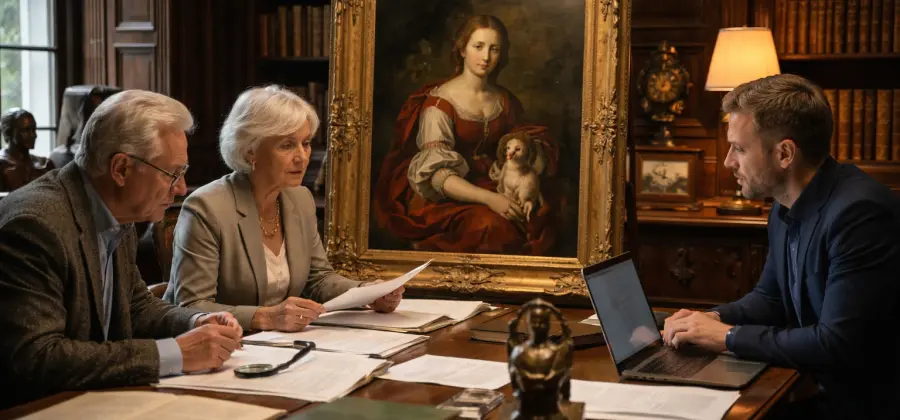
If you own a significant historical object, are planning to sell a work of art to an overseas buyer, or are a researcher concerned about "national treasures" leaving the country, you may need to interact with the Reviewing Committee on the Export of Works of Art and Objects of Cultural Interest (RCEWA). This independent body advises the UK government on whether cultural objects are too important to leave the country.
Whether you are an exporter, a museum professional, or a member of the public seeking confidential support UK, this guide will help you find free Reviewing Committee on the Export of Works of Art help UK and explain the steps to take when a cultural object is at risk of export.
If You Need Help Right Now
While export licensing is a procedural matter, we understand that for owners and heirs, the prospect of an export deferral can be legally and financially stressful.
Also Read: The King’s Awards for Enterprise UK Helpline and Support Guide
-
For urgent export licensing queries: If you have an immediate deadline for shipping an item and are unsure of its status, contact the Arts Council England Export Licensing Unit immediately on 0161 934 4317.
-
For legal emergencies: If you are facing a complex legal challenge regarding the ownership or export of a cultural object, contact a qualified solicitor or the Law Society for a referral to a heritage law specialist.
-
UK Emergency Pathways: In any life-threatening situation or to report a crime in progress (such as the theft of a cultural object), always dial 999.
Also Read: Free Business Finance Advice UK – Helpline Support for Companies
Understanding the Reviewing Committee (RCEWA)
The Reviewing Committee on the Export of Works of Art and Objects of Cultural Interest is an independent advisory body. Its mission is to strike a balance between the rights of the owner to sell their property and the public interest in keeping "national treasures" in the UK.
Who it affects
The Committee’s work affects anyone involved in the movement of cultural goods, including:
Also Read: Need Business Support? UK Helplines and Free Advice
-
Private owners and collectors selling items at auction.
-
Art dealers and exporters handling international sales.
-
Museums and galleries seeking to acquire items of national importance.
Also Read: Director's Loans: How to Get Help and Support in the UK
-
Researchers interested in the preservation of the UK's cultural heritage.
Common situations people face
-
Export License Application: You have applied to export an object, but it has been referred to the Committee because it may be a "national treasure."
-
Waverley Criteria Assessment: Your item is being judged against specific historical and aesthetic standards to determine its importance to the UK.
-
Export Deferral: The government has placed a temporary "stop" on the export of your item to allow UK institutions time to raise matching funds to buy it.
Common Problems, Risks, or Situations
-
The Waverley Criteria: These are the three tests used to decide if an object is a national treasure: (1) Is it closely connected with our history? (2) Is it of outstanding aesthetic importance? (3) Is it of outstanding significance for study?
-
Valuation Disputes: Disagreements often arise regarding the "fair market price" that a UK buyer must match to stop the export.
-
Unexpected Delays: Export licenses for older or more valuable items can take much longer to process if an expert advisor raises an objection.
-
Confidentiality: Owners may be concerned about their privacy when an item is being discussed in a public "Notice to Exporters."
UK helplines, Charities & Support Providers
Arts Council England – Export Licensing Unit (ELU)
The ELU is the operational heart of the system. They handle the administration of all licenses and provide the Reviewing Committee on the Export of Works of Art support UK for practical applications.
-
Who it helps: Exporters, owners, and legal representatives.
-
Phone: 0161 934 4317
-
Email: elu@artscouncil.org.uk
-
Website: https://www.artscouncil.org.uk/supporting-arts-museums-and-libraries/export-licensing
-
Availability: Monday to Friday, 10:00 am – 4:00 pm.
RCEWA Secretariat (Department for Culture, Media and Sport)
For policy-level queries or questions about the Committee’s specific recommendations to the Secretary of State.
-
Who it helps: Individuals seeking to understand export policy or the outcome of a Committee hearing.
-
Email: RCEWA@artscouncil.org.uk
-
Website: https://www.gov.uk/government/groups/reviewing-committee-on-the-export-of-works-of-art-rcewa
Information Commissioner’s Office (ICO)
If you believe information about an export application is being wrongly withheld or disclosed, the ICO provides Reviewing Committee on the Export of Works of Art emergency help regarding data rights.
-
helpline: 0303 123 1113
-
Website: https://ico.org.uk
A leading charity that provides professional guidance on managing and documenting cultural collections, including the legalities of export.
-
Who it helps: Museum professionals and private collectors.
-
Website: https://collectionstrust.org.uk
The UK’s national fundraising charity for art. They often provide the grants that allow museums to purchase items that have been placed under export deferral.
-
Who it helps: Museums and the public.
-
Phone: 020 7225 4800
-
Website: https://www.artfund.org
How to Choose the Right helpline
-
Call the ELU (Arts Council) if you need to know which form to fill out or want to check the status of a pending export license application.
-
Contact the RCEWA Secretariat if you need to understand the "Waverley Criteria" or the reasoning behind a specific recommendation.
-
Contact The Art Fund if you are part of a museum or a local group trying to raise money to save a local "national treasure" from being exported.
-
Contact a Specialist Solicitor if you are involved in a high-value dispute regarding the Committee's valuation of an object.
Step-by-Step: What Happens When You Contact a helpline
-
Initial Case Review: An advisor will ask for your Export License Application reference number (usually starting with 'EXPL').
-
Confidentiality: Most inquiries are handled with a duty of confidentiality. However, if a case goes to the Committee, certain details of the object must be made public to allow UK buyers to come forward.
-
The Information Asked: You will need the object's age, value, provenance (history of ownership), and current location.
-
Action Plan: They will tell you if the item has been referred to an "Expert Advisor" (such as a curator at the British Museum or V&A) for a second opinion.
Support for Friends, Family, or Carers
If you are assisting an elderly relative or a grieving family with the sale of an estate, the export licensing process can feel intrusive.
-
Seek Advice Early: You can call the Arts Council helpline to ask for a "pre-application" assessment to see if an item is likely to be challenged.
-
Professional Representation: Encourage the family to use an experienced shipping agent or auction house, as they often handle the Reviewing Committee on the Export of Works of Art support UK requirements on the owner's behalf.
What You Can Do While Waiting for Support?
-
Check Thresholds: Review the "Open General Export Licence" (OGEL) limits. Many items don't actually need an individual licence if they are below certain age and value thresholds.
-
Gather Provenance: The more history you have on an item, the faster the process. Expert Advisors need to know how the item arrived in the UK.
-
Search 'Discovery': For manuscripts and archives, check The National Archives' Discovery catalogue to see if related records are already held in public collections.
Role of Government & Regulators
The Secretary of State for Culture, Media and Sport makes the final decision on all export licenses. The Reviewing Committee is their primary "watchdog," ensuring that the UK's heritage is not depleted without a fair chance for the nation to save the most important pieces.
Final Reassurance & Encouragement
The UK has one of the most respected and transparent export control systems in the world. While the prospect of a "deferral" can be frustrating, free support UK is available to help you navigate the process fairly. Whether you are an owner, a buyer, or a concerned citizen, the system exists to ensure our shared history is protected. You are not alone in this process. Reach out for expert advice today.
Support-Related Questions & Answers
1. Who can I call for the Reviewing Committee on the Export of Works of Art in the UK? Contact the Arts Council England Export Licensing Unit on 0161 934 4317.
2. Is there a free helpline for the Reviewing Committee on the Export of Works of Art? Yes, both the Arts Council and the DCMS provide free guidance on export licensing and Committee procedures.
3. Can I stay anonymous? General queries can be anonymous, but formal export license applications require full disclosure of the owner and exporter’s identity.
4. What if it’s an emergency? For urgent licensing issues, call the ELU. For potential heritage crimes (like illegal export), contact the police or the Arts Council immediately.
5. Can I call on behalf of someone else? Yes, agents, solicitors, and family members can call to discuss the process or a specific application.
6. What are the "Waverley Criteria"? They are the three standards used to judge if an item is a "national treasure" based on history, aesthetics, or significance for study.
7. How long does an export deferral last? Usually between 2 to 6 months, but it can be extended if there is a serious chance of a UK institution raising the funds.
8. Can the Committee force me to sell my item to a UK museum? No, but if you refuse a fair offer from a UK buyer, you will usually be denied an export license for several years.
9. How do I know if an item needs a license? It depends on the item's age (usually 50+ years) and its value. Check the Arts Council website for the latest "Notice to Exporters."
10. What is a "National Treasure"? In this context, it is an object that meets one or more of the Waverley Criteria and is recommended for a temporary export stop.
11. Is there support for exporting archives or manuscripts? Yes, the Committee has special working parties for documents. Contact the ELU for specific "Form C" guidance.
12. What happens at a Committee meeting? The owner and the "Expert Advisor" present their cases. The Committee then votes on whether the item meets the Waverley Criteria.
13. Do I have to pay for an export license? The application for a UK export license for cultural goods is currently free of charge.
14. Can I visit the Committee in person? Meetings are generally private, though applicants and their representatives are invited to attend the portion of the meeting concerning their item.
15. What if the object is in Scotland or Wales? The RCEWA advises on export licenses for the whole of the UK, though they work closely with National Museums Scotland and National Museum Wales.
DISCLAIMER: Please verify all phone numbers, email addresses, and service details on the official government or organisation websites before use. Numbers and contact information are subject to change without notice.
Most Searchable Keywords
Recent Helplines


Related Listings

Sponsored Listings in Web Developers


Related Helplines

Strike Off Your Limited Company Helpline & Su...
Closing your limited company? Find free, confidential support and official UK helpline numbers to guide you through the Companies House stri...

The King’s Awards for Enterprise UK Helpline...
Apply for The King's Awards for Enterprise. Find the right UK helpline number, free support services, and official guidance for your busines...

Free Business Finance Advice UK – Helpline Su...
Need funding or advice? Find the right helpline for finance and support for your business. Access free support UK, grants, and business debt...
Questions & Answers – Find What
You Need, Instantly!
How can I update my business listing?
Is it free to manage my business listing?
How long does it take for my updates to reflect?
Why is it important to keep my listing updated?
