
What to do after someone dies Helpline UK & Support Guide
- 👤 Admin
- 👁️ 198 Views
- 📅 February 9, 2026
- 🏷️ Citizen Charter
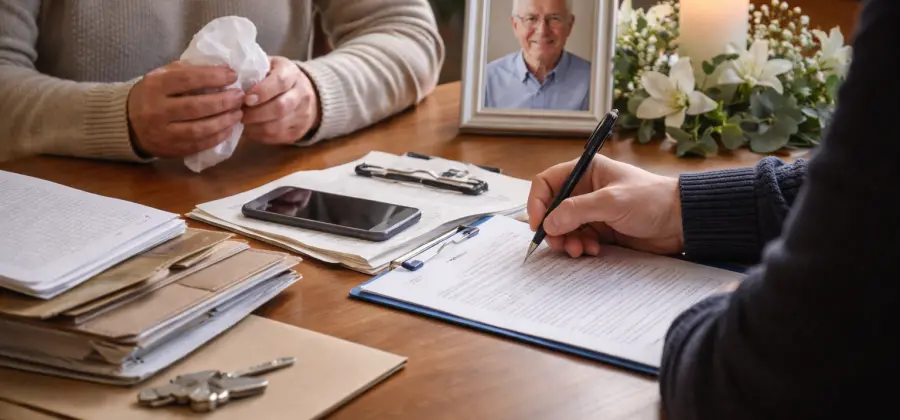
Losing a loved one is one of life’s most profound challenges. In the immediate aftermath, you are often faced with a daunting list of tasks while dealing with significant emotional distress. Knowing what to do after someone dies is a step-by-step process that ensures your loved one is treated with respect and that all legal requirements—such as registration and estate notification—are handled correctly. This official act is the legal closing of a person's life record and the starting point for settling an estate.
This guide is designed to provide you with a clear roadmap, helping you find the right what to do after someone dies helpline UK and access free support UK services. Whether you are dealing with a loss at home, in a hospital, or abroad, we provide an authoritative directory of national resources to ensure you can access the what to do after someone dies support UK you need. All listed services offer confidential support UK to help you navigate this difficult journey with clarity and compassion.
If You Need Help Right Now
If a death has just occurred, or if you are in a state of immediate emotional crisis, please follow these steps:
Also Read: Need Business Support? UK Helplines and Free Advice
-
Call 999 immediately if the death is sudden, violent, or occurs in suspicious circumstances. This ensures that the police and ambulance services can secure the scene and begin necessary procedures.
-
Call 999 if you are experiencing a mental health crisis or feel at risk of harming yourself due to the distress of your loss. This is a what to do after someone dies emergency help situation.
-
Call 111 if the death was expected (for example, in terminal illness) and occurred at home. They will help you contact the GP or out-of-hours doctor to certify the death.
Also Read: File Your Company's Annual Accounts with Companies House Complete UK Support & Helpline Directory
-
Contact Samaritans for 24/7 helpline UK emotional support by calling 116 123. This is a free support UK line available every day of the year for confidential support UK.
-
Contact a Funeral Director for immediate assistance with the removal of the body if the death occurred at home and has been certified by a medical professional.
Also Read: File Your Accounts and Company Tax Return Helpline & Support UK
Understanding What to do after someone dies
The process following a death in the UK is structured into three main phases: immediate actions, legal registration, and long-term administration. Understanding what to do after someone dies helps reduce the "administrative fog" that often accompanies grief.
In the UK, the rules vary slightly by region, and it is vital to adhere to these local laws:
-
England, Wales, and Northern Ireland: You must usually register the death within 5 days.
Also Read: Dormant Companies and Associations Helpline & Support UK
-
Scotland: You must register the death within 8 days.
This legal duty falls on the "qualified informant," usually the next of kin. Once the death is registered, you will receive the Death Certificate and the "Green Form," which allows the funeral to proceed. Beyond the legalities, you will also need to manage the deceased’s property, notify banks, and handle their digital legacy. Accessing what to do after someone dies support UK early can help you manage these tasks without becoming overwhelmed.
Common Problems, Risks, or Situations
Every bereavement is unique, and several factors can complicate the standard procedure for what to do after someone dies support UK:
-
Sudden or Unexplained Death: If a doctor cannot issue a medical certificate, the Coroner (or Procurator Fiscal in Scotland) will be involved. This may lead to a post-mortem or an inquest, which can delay the funeral.
-
Missing Paperwork: Locating a Will, life insurance policies, or birth certificates can be difficult. Who to call for what to do after someone dies advice in these cases includes the Bereavement Advice Centre.
-
Financial Hardship: Funerals are expensive. If there is no money in the estate, you may need to apply for free support UK via the Social Fund Funeral Expenses Payment.
-
Deaths Abroad: Repatriating a body involves the Foreign, Commonwealth & Development Office (FCDO) and specialized funeral directors.
-
Intestacy: if the person died without a Will, the law decides who inherits. This often requires legal advice from Citizens Advice Bureau.
Main Section: UK helplines, Charities & Support
Navigating the aftermath of a loss requires both practical and emotional support. Below is a directory of the most reliable what to do after someone dies charities UK and government services.
1. The General Register Office (GRO)
The GRO is the central government body responsible for civil registration in England and Wales. They provide the definitive what to do after someone dies helpline UK for technical questions.
-
Who it helps: Anyone in England and Wales needing advice on the legalities of death registration.
-
Phone: 0300 123 1837
-
Availability: Monday to Friday, 8am – 6pm; Saturday, 9am – 4pm.
This is a free support UK service that provides practical help on the complex issues that follow a death.
-
Who it helps: People needing a mix of legal, financial, and practical guidance on what to do after someone dies.
-
Phone: 0800 634 9494
-
Website: https://www.bereavementadvice.org
-
Availability: Monday to Friday, 9am – 5pm.
Cruse is the UK’s leading bereavement charity, offering confidential support UK to anyone who has lost a loved one.
-
Who it helps: Anyone grieving the loss of a loved one who needs emotional care and what to do after someone dies support UK.
-
Phone: 0808 808 1677
-
Website: https://www.cruse.org.uk
-
Availability: Monday and Friday: 9.30am–5pm; Tuesday–Thursday: 9.30am–8pm.
This is a vital government service that allows you to report a death to most government organisations in one go.
-
Who it helps: People looking to simplify the notification process for the DVLA, DWP, and HMRC.
-
Website: https://www.gov.uk/after-a-death/organisations-you-need-to-contact-and-tell-us-once
-
Availability: Online service accessible 24/7 once you have a registrar's code.
5. Citizens Advice Bureau (CAB)
Citizens Advice provides free support UK on the financial and legal fallout of a death, including debt and benefits.
-
Who it helps: Anyone needing advice on probate, inheritance, or financial hardship after a loss.
-
Phone: 0800 144 8848 (England) / 0800 702 2020 (Wales)
-
Website: https://www.citizensadvice.org.uk
-
Availability: Monday to Friday, 9am – 5pm.
-
Who it helps: People aged 50 or under whose partner has died.
-
Website: https://www.widowedandyoung.org.uk
-
Availability: Peer-to-peer support network available via the website.
How to Choose the Right helpline
Choosing the right service depends on your immediate needs:
-
For Practical Steps: Call the Bereavement Advice Centre. They are experts in what to do after someone dies helpline UK matters, from stopping mail to handling bank accounts.
-
For Legal Queries: Contact the General Register Office or Citizens Advice.
-
For Emotional Crisis: Call Samaritans or Cruse. They provide the confidential support UK needed to process the shock.
-
For Inquests: Contact the Coroners' Courts Support Service if the death is being investigated.
Step-by-Step: What Happens When You Call or Contact a helpline?
When you reach out for what to do after someone dies support UK, you can expect the following:
-
Compassionate Listening: The advisor will acknowledge your loss and listen to your concerns without judgment.
-
Information Gathering: They may ask where the death occurred and if you have the Medical Certificate of Cause of Death.
-
Tailored Advice: They will provide a checklist specific to your situation (e.g., if there is a Will or if the Coroner is involved).
-
Privacy: All calls to registered charities offer confidential support UK. You do not have to share anything you are not comfortable with.
-
Referrals: If they cannot help with a specific legal issue, they will signpost you to the correct what to do after someone dies charities UK.
Support for Friends, Family, or Carers
If you are supporting someone through a loss, your help is invaluable:
-
Handle the Phone: Offer to make the calls to the what to do after someone dies helpline UK.
-
Organise Paperwork: Help them gather the deceased’s birth certificate, NHS number, and marriage certificate.
-
Attend Appointments: Offer to go with them to the Register Office or the funeral director.
-
Look After Yourself: Supporting a bereaved person is emotionally draining. Seek confidential support UK for yourself if you feel overwhelmed.
What You Can Do While Waiting for Support?
While waiting for appointments or callbacks, focus on these small practical actions:
-
Locate the Will: This will name the executors who have the legal right to handle the estate.
-
Notify Close Family: Ensure those closest to the deceased are informed.
-
Secure Assets: Ensure the deceased's home is secure and that any insurance policies remain valid.
-
Ground Yourself: If you feel a panic attack coming on, use the "5-4-3-2-1" technique: name 5 things you can see, 4 you can touch, 3 you can hear, 2 you can smell, and 1 you can taste.
-
Avoid Major Decisions: Don't feel pressured to clear out the house or sell assets immediately.
Role of Government, Regulators, or Public Bodies
The General Register Office and local County Councils regulate the civil registration of deaths. The Coroner's Service is an independent judicial body that ensures any unnatural death is investigated. These bodies ensure that the transition of an estate and the recording of a death are handled according to the law, protecting the rights of the deceased and their heirs.
Final Reassurance & Encouragement
Dealing with what to do after someone dies is a monumental task, but you do not have to carry it alone. The UK has a robust network of what to do after someone dies charities UK and government services designed to support you through every legal, financial, and emotional step.
Reaching out is a sign of strength, not weakness. Whether you need a 24/7 helpline UK for emotional support or a free support UK service for practical advice, help is just a phone call away. People care, and support exists to help you through this dark time.
FAQ: What to do after someone dies in the UK
Who do I call first when someone dies? If at home and expected, call their GP or 111. If unexpected, call 999.
Is there a free helpline for what to do after someone dies? Yes, the Bereavement Advice Centre offers free practical help at 0800 634 9494.
Can I stay anonymous when seeking help? Emotional support lines like Samaritans are anonymous, but legal registration requires your identity.
What if it’s an emergency? In any life-threatening or suspicious situation, call 999 immediately.
Can I call on behalf of a grieving friend? Yes, you can call most helplines to get advice for someone else.
How do I stop government mail to the deceased? Use the 'Tell Us Once' service after you have registered the death.
What is a Coroner? A judge who investigates deaths that are sudden, violent, or of unknown cause.
How much does a death certificate cost? In England and Wales, they are currently £12.50 each.
What if the deceased had no money for a funeral? You can apply for a Funeral Expenses Payment from the DWP if you receive certain benefits.
Do I need a solicitor to handle the Will? Not necessarily, but it is advised if the estate is large or complex.
How long do I have to register a death? Usually 5 days in England, Wales, and NI; 8 days in Scotland.
What is the 'Green Form'? The document given by the registrar that permits the burial or cremation to take place.
Can I register a death online? No, you must usually attend an appointment in person at a Register Office.
Who is the 'Executor'? The person named in the Will responsible for carrying out the deceased's wishes.
Where can I get help for grief? Contact Cruse Bereavement Support at 0808 808 1677.
DISCLAIMER: Please verify all phone numbers, email addresses, and service details on the official government or organisation websites before use. Numbers and contact information are subject to change without notice.
Most Searchable Keywords
Recent Helplines


Related Listings

Sponsored Listings in Cleaning Services


Related Helplines

Strike Off Your Limited Company Helpline & Su...
Closing your limited company? Find free, confidential support and official UK helpline numbers to guide you through the Companies House stri...

The King’s Awards for Enterprise UK Helpline...
Apply for The King's Awards for Enterprise. Find the right UK helpline number, free support services, and official guidance for your busines...

Free Business Finance Advice UK – Helpline Su...
Need funding or advice? Find the right helpline for finance and support for your business. Access free support UK, grants, and business debt...
Questions & Answers – Find What You Need, Instantly!
Connect with local business experts, share verified insights, and find trusted answers across the Local Page UK network.
Ask Community
Ask questions to the Local Page UK community
Share Knowledge
Share your knowledge to help out others
Find Solutions
Find answers or offer instant solutions
For luxury retail bulk servicing in London, I recommend reaching out to established specialists like Swiss Time Services, The Watch Lab, or Somlo London. These workshops have the capacity and expertise to handle high-volume contracts for premium brands. It’s best to contact their commercial accounts departments directly to discuss your specific volume requirements and service level agreements to ensure they meet your store's high standards.
Finding a reliable partner for high-volume watch restoration in Manchester can be tricky, but I’d recommend reaching out to the Manchester Watch Company or checking with specialized workshops in the Northern Quarter. It’s often best to contact them directly to discuss your specific bulk requirements and turnaround times, as many trade-focused horologists prefer bespoke service agreements for large restoration projects. Good luck with your search!
Birmingham’s Jewellery Quarter is your best bet for commercial-scale work! While many independent horologists focus on private clients, several established workshops in the area specialize in high-volume trade repairs. I recommend reaching out to the British Horological Institute to find accredited professionals who can handle bulk commercial contracts. Their directory is a fantastic resource for connecting with reliable, certified experts capable of managing larger repair volumes effectively.
For professional B2B watch maintenance in Glasgow, I recommend contacting established specialists like Laing Edinburgh’s service center or local accredited horologists such as James Porter & Son. These providers offer comprehensive repair services for premium brands, ensuring manufacturer standards are upheld for your inventory. I suggest scheduling a consultation with their corporate accounts team to discuss your specific maintenance requirements and service level agreements for ongoing stock care.
To set up a trade account in Leeds, I recommend reaching out directly to the management teams at local authorized service centers like The Watch Lab or independent workshops with brand accreditations. Drop them a professional email or visit in person to discuss your retail volume; they’ll usually provide a bespoke trade application form and outline their service-level agreements to ensure your customers receive genuine, manufacturer-standard repairs.
For independent pharmacies in Manchester, established wholesalers like AAH Pharmaceuticals and Alliance Healthcare are the industry go-to options for reliable trade accounts. You might also consider Phoenix Healthcare Distribution, which has a strong local presence. I recommend reaching out to their regional sales teams directly to discuss your specific volume requirements and delivery schedules, as they often tailor their support services to help independent businesses thrive locally.
Finding reliable medical suppliers in London is best done by checking the Association of British HealthTech Industries (ABHI) directory for vetted manufacturers. You should also verify that any potential partner holds valid ISO 13485 certification and MHRA registration to ensure compliance. Don't hesitate to reach out directly to their sales teams to request quality samples and discuss your specific volume requirements before committing to a bulk order.
Hi there! Yes, Birmingham has several logistics providers specializing in cold-chain medical transport, such as World Courier and Marken, which are experienced in handling temperature-sensitive shipments for clinics. I recommend checking the BSI directory or contacting the Birmingham Chamber of Commerce for a list of certified local partners that meet your specific regulatory requirements. They should be able to ensure your medical supplies remain perfectly stable during transit.