
What to Do When Someone Dies Step-by-Step Support UK
- 👤 Admin
- 👁️ 281 Views
- 📅 February 9, 2026
- 🏷️ Citizen Charter
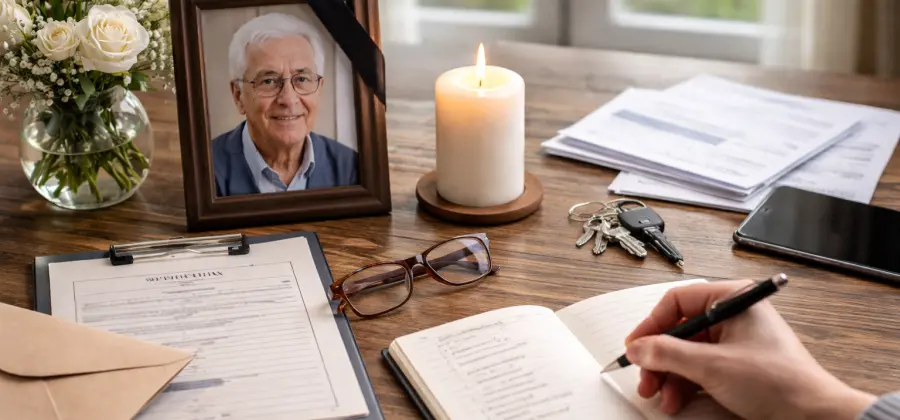
Losing a loved one is one of life’s most challenging experiences. During this period of intense grief, the requirement to manage complex legal and practical arrangements can feel overwhelming. Knowing what to do when someone dies: step by step is essential to ensuring that your loved one is cared for with dignity and that all statutory obligations are met.
This guide is designed to provide you with a clear roadmap, helping you find the right what to do when someone dies: step by step helpline UK and access free support UK . Whether you are dealing with an expected death at home or a sudden loss, we provide an authoritative directory of national resources to ensure you can access the what to do when someone dies: step by step support UK you need. All listed offer confidential support UK to help you navigate this difficult journey.
If You Need Help Right Now
If a death has just occurred, or if you are in a state of immediate emotional crisis, please follow these steps:
Also Read: Need Business Support? UK Helplines and Free Advice
-
Call 999 immediately if a death is sudden, unexpected, or occurs in suspicious circumstances. This ensures that the police and ambulance can secure the scene and begin necessary procedures.
-
Call 999 if you are experiencing a mental health crisis or feel at risk of harming yourself due to the distress of your loss.
-
Call 111 if the death was expected (for example, in terminal illness) and occurred at home. They will help you contact the GP or out-of-hours doctor to certify the death.
Also Read: File Your Company's Annual Accounts with Companies House Complete UK Support & Helpline Directory
-
Contact Samaritans for 24/7 helpline UK emotional support by calling 116 123. This is a free support UK line available every day of the year.
-
For what to do when someone dies: step by step emergency help regarding the immediate removal of a body, contact a local funeral director (most operate 24 hours a day).
Also Read: File Your Accounts and Company Tax Return Helpline & Support UK
Understanding What to Do When Someone Dies: Step-by-Step
The process following a death in the UK follows a specific legal sequence. Understanding what to do when someone dies: step by step helps reduce the "administrative fog" that often accompanies grief. The process is designed to ensure that the death is recorded accurately and that the deceased's affairs are wound up in accordance with the law.
-
Get a Medical Certificate: A doctor must certify the death and issue a Medical Certificate of Cause of Death (MCCD). If the death happens in a hospital, the bereavement office will handle this. If it happens at home, you must call the deceased's GP.
-
Register the Death: This must be done within 5 days in England, Wales, and Northern Ireland (8 days in Scotland). This is the most critical legal step, as it allows you to receive the "Green Form" for the funeral.
Also Read: Dormant Companies and Associations Helpline & Support UK
-
Arrange the Funeral: You can begin talking to funeral directors as soon as the death occurs, but the funeral cannot usually take place until the death is registered and the registrar has issued the necessary paperwork.
-
Notify Government Departments: Using the "Tell Us Once" service can save you hours of phone calls by notifying multiple agencies (such as the DVLA, Passport Office, and DWP) at once.
Common Problems, Risks, or Situations
Every bereavement is unique, and several factors can complicate the standard procedure, requiring a confidential support UK approach:
-
The Coroner (or Procurator Fiscal in Scotland): If the cause of death is unknown, sudden, or occurs during surgery, a doctor cannot issue a certificate. The Coroner will investigate, which may involve a post-mortem or an inquest. This will delay the registration process.
-
Deaths Abroad: If a loved one passes away outside the UK, you will need to contact the British Embassy, High Commission, or Consulate for help with repatriation and local death certificates.
-
No Will: If the deceased did not leave a will (dying intestate), the process of managing their estate becomes more complex and requires specific legal advice to determine who has the right to manage the assets.
-
Financial Hardship: Many families worry about the cost of a funeral, which can run into thousands of pounds. There are free support UK options, such as the Funeral Expenses Payment, for those on low-income benefits.
-
Disputed Estates: Tensions among family members regarding the deceased's wishes or assets can lead to significant stress. In these cases, early legal advice is recommended.
Main Section: UK helplines, Charities & Support
Navigating the aftermath of a death requires both practical and emotional support. Below is a directory of the most reliable what to do when someone dies: step by step charities UK and government .
Cruse is the UK’s leading bereavement charity, offering support, advice, and information to children, young people, and adults. They provide a safe space to talk about your loss without judgement.
-
Who it helps: Anyone grieving the loss of a loved one.
-
Phone: 0808 808 1677
-
Website: https://www.cruse.org.uk
-
Availability: Monday and Friday: 9.30am–5pm; Tuesday, Wednesday, and Thursday: 9.30am–8pm.
2. The General Register Office (GRO)
The GRO provides the official guidelines for registering a death and obtaining death certificates in England and Wales. They ensure the legal record of the death is accurate.
-
Who it helps: Anyone needing to understand the legal requirements of registration and document acquisition.
-
Phone: 0300 123 1837
-
Website: https://www.gov.uk/register-a-death
-
Availability: Monday to Friday, 8am – 6pm.
This is a government service that allows you to report a death to most government organisations in one go, including the DVLA, HM Revenue and Customs (HMRC), and the Passport Office.
-
Who it helps: Executors or next of kin looking to simplify the notification process across government departments.
-
Website: https://www.gov.uk/after-a-death/organisations-you-need-to-contact-and-tell-us-once
-
Note: You will receive a unique reference number from the registrar during your registration appointment to use this service.
4. National Association of Funeral Directors (NAFD)
If you are unsure who to call for what to do when someone dies: step by step regarding the funeral, the NAFD ensures their members adhere to a strict code of practice.
-
Who it helps: Families looking for professional, regulated, and ethical funeral .
-
Phone: 0121 711 1343
-
Website: https://www.nafd.org.uk
-
Availability: Office hours, Monday to Friday.
This is a free helpline and web-based information service that provides practical help on the complex issues that follow a death. They help with everything from stopping junk mail to understanding probate.
-
Who it helps: People needing a mix of legal, financial, and practical guidance.
-
Phone: 0800 634 9494
-
Website: https://www.bereavementadvice.org
-
Availability: Monday to Friday, 9am – 5pm.
How to Choose the Right helpline
With so many available, it is important to contact the one that matches your current step in the process:
-
For Legal Deadlines: If you are worried about the 5-day registration window or the Coroner's involvement, call the General Register Office or your local Register Office.
-
For Immediate Grief: If the emotional pain feels unbearable right now and you need to speak to someone immediately, call Cruse or Samaritans.
-
For Money/Estate Issues: If you are confused about bank accounts, inheritance tax, or debts left by the deceased, contact the Bereavement Advice Centre or Citizens Advice.
-
For Funeral Logistics: If you need to arrange the transport of the body or discuss cremation versus burial, contact an NAFD-member funeral director.
Step-by-Step: What Happens When You Call or Contact a helpline?
When you contact a what to do when someone dies: step by step helpline UK, the process is designed to be gentle and supportive:
-
Identification: They will ask your relationship to the deceased to understand your legal standing.
-
Immediate Status: They will check if the death has been certified by a doctor. If not, they will guide you on how to contact the relevant medical authorities or the Coroner.
-
Confidentiality: Advisors offer confidential support UK, ensuring that your sensitive family information is handled with care.
-
Information Gathering: They will help you list the documents you need to find, such as the deceased's NHS number, birth certificate, marriage certificate, and any pension details.
-
Action Plan: They will provide a clear, prioritized list of "Next Steps" so you only have to focus on one task at a time, preventing cognitive overload.
Support for Friends, Family, or Carers
If you are supporting someone who has been bereaved, your role is vital:
-
Listen more than you speak: Often, the best free support UK you can give is your quiet presence and an ear to listen to their memories or fears.
-
Practical Tasks: The bereaved often find small tasks impossible. Offer to make phone calls to utility companies, handle the "Tell Us Once" online form, or simply bring over cooked meals.
-
Watch for Overload: Grief can cause severe brain fog. If they seem unable to process information or make decisions, encourage them to call a professional helpline like Cruse.
-
Self-Care: Supporting someone in deep grief is emotionally draining. Ensure you are also seeking advice and looking after your own mental health to avoid burnout.
What You Can Do While Waiting for Support?
While you wait for an appointment with a registrar or a callback from a charity, you can take these small, practical actions to feel more in control:
-
Locate the Will: Check if there is a will in the house, with a solicitor, or at the bank. This will name the "Executors" who are legally responsible for the estate.
-
Secure the Property: Ensure the deceased’s home is secure. If the house is empty, you may need to inform the home insurance provider.
-
Cancel Immediate Appointments: Look through their diary or phone to cancel any upcoming medical appointments or social engagements.
-
Avoid Hasty Decisions: You do not need to clear out their room or sell their car immediately. Focus on the legal basics of what to do when someone dies: step by step first.
-
Grounding Exercise: If the panic rises, try "Box Breathing": Inhale for 4 seconds, hold for 4, exhale for 4, hold for 4. Repeat until your heart rate slows.
Role of Government, Regulators, or Public Bodies
The Department for Work and Pensions (DWP) and the General Register Office are the primary bodies overseeing the "after-death" process. They ensure that records are accurate for tax, benefit, and demographic purposes. The Coroner’s Service acts as an independent judicial body to investigate unexplained or violent deaths, ensuring transparency and public safety. These bodies work together to maintain the integrity of the UK's civil registration system.
Final Reassurance & Encouragement
The days following a death are incredibly heavy, and the administrative burden can feel like an affront to your grief. However, you do not have to carry the weight alone. The UK has a robust network of professionals and volunteers dedicated to helping you through this. Normalise seeking help; it is a sign of strength, not weakness, to ask for guidance during a personal crisis.
Support exists, and people care. Whether you are calling a what to do when someone dies: step by step helpline UK for a technical question or for a shoulder to cry on, help is only a phone call away. Take it one step at a time.
FAQ: What to Do When Someone Dies?
-
Who can I call for what to do when someone dies: step by step in the UK? Call the Bereavement Advice Centre at 0800 634 9494 for practical steps or Cruse at 0808 808 1677 for emotional support.
-
Is there a free helpline for what to do when someone dies: step by step? Yes, most bereavement charities and government lines listed here are free to call from UK mobiles and landlines.
-
Can I stay anonymous? Charities like Cruse and Samaritans allow you to speak anonymously. Official registration will require your details as a "qualified informant."
-
What if it’s an emergency? If the death is suspicious or sudden, call 999. If you are in emotional distress, call 111 or the Samaritans at 116 123.
-
Can I call on behalf of someone else? Yes, you can call helplines to get information for a friend or family member who is too distressed to speak.
-
How long do I have to register the death? 5 days in England, Wales, and Northern Ireland; 8 days in Scotland.
-
What is the 'Tell Us Once' service? It is a free service that notifies multiple government agencies (HMRC, DVLA, Passport Office, etc.) about the death at the same time.
-
What if the person died in a hospital? The hospital bereavement office will guide you through the initial paperwork and tell you when the medical certificate is ready.
-
Do I need a solicitor immediately? Not usually. You can handle the registration and funeral arrangements yourself. You may need a solicitor later for complex probate issues.
-
How do I find a local Register Office? You can use the 'Find a Register Office' tool on the GOV.UK website.
-
Can I postpone the funeral? Yes, you can take the time you need, though most funerals happen within 2-3 weeks.
-
What if there is no money for a funeral? You may be eligible for a 'Funeral Expenses Payment' from the government. Contact the Social Fund or Citizens Advice.
-
Is there a 24/7 helpline UK for this? Samaritans (116 123) is 24/7 for emotional support. Most practical helplines operate Monday-Friday.
-
What documents will the registrar give me? A 'Green Form' for the funeral director and a 'Certificate of Registration of Death' (Form BD8) for social security.
-
Can I register a death if I’m not a relative? Yes, if you were present at the death, are an administrator from the hospital, or are the person making the funeral arrangements.
DISCLAIMER: Please verify all phone numbers, email addresses, and service details on the official government or organisation websites before use. Numbers and contact information are subject to change without notice.
Most Searchable Keywords
Recent Helplines


Related Listings

Sponsored Listings in Travel Agencies


Related Helplines

Strike Off Your Limited Company Helpline & Su...
Closing your limited company? Find free, confidential support and official UK helpline numbers to guide you through the Companies House stri...

The King’s Awards for Enterprise UK Helpline...
Apply for The King's Awards for Enterprise. Find the right UK helpline number, free support services, and official guidance for your busines...

Free Business Finance Advice UK – Helpline Su...
Need funding or advice? Find the right helpline for finance and support for your business. Access free support UK, grants, and business debt...
Questions & Answers – Find What
You Need, Instantly!
How can I update my business listing?
Is it free to manage my business listing?
How long does it take for my updates to reflect?
Why is it important to keep my listing updated?
