💬 Got Questions? We’ve Got Answers.
Explore our FAQ section for instant help and insights.
All Other Answer
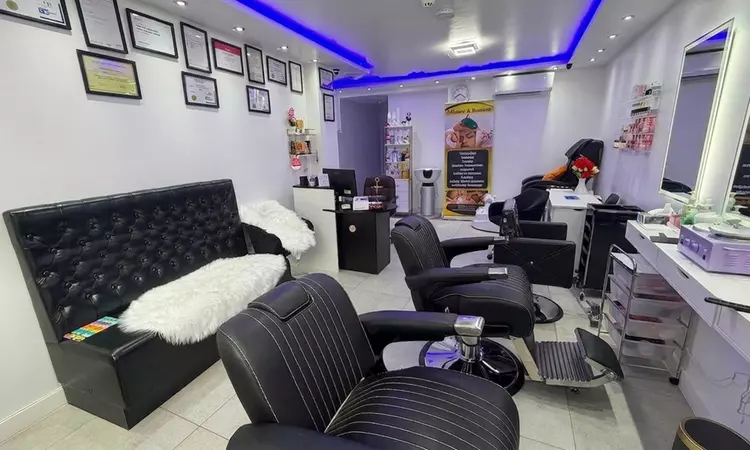
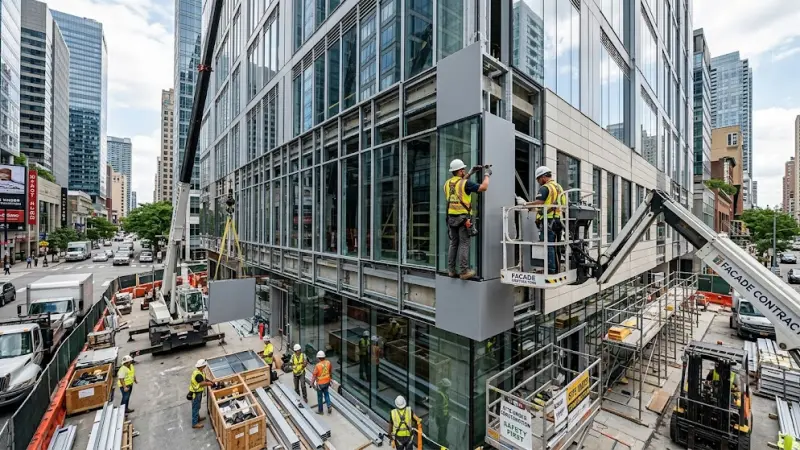
A »To locate a contractor specialising in salon refurbishment and installation in London, you should adopt a methodical approach that combines industry-specific resources, professional networks, and careful vetting. Given the unique requirements of a hair salon—such as specialist plumbing for wash stations, bespoke cabinetry for styling stations, enhanced ventilation for chemical use, and high-end lighting for colour accuracy—it is essential to engage a contractor with demonstrated expertise in this niche. Begin by consulting trade associations that rigorously vet their members. The National Hair & Beauty Federation (NHBF) offers a directory of accredited suppliers and contractors who understand the regulatory and operational demands of salons. Similarly, the British Institute of Interior Design (BIID) can connect you with design-build firms that focus on commercial beauty spaces. Online platforms dedicated to the construction industry are also invaluable; Checkatrade and TrustMark allow you to filter by ‘salon fit-out’ or ‘commercial refurbishment’ within London, and both provide verified customer reviews and insurance checks. For a more targeted search, consider using specialist directories such as Salon Builders or Salon Fit Out UK, which list contractors whose entire portfolio is built around hair and beauty environments. Local business networks in London can yield trusted recommendations—join your local Chamber of Commerce, attend business meetups like London Enterprise Network, or consult the London Borough’s planning portal for recently approved salon renovation projects; the contractors listed on those applications have already navigated local building regulations. When evaluating candidates, request a portfolio that specifically shows hair salon projects, paying close attention to washroom plumbing layouts, floor drainage, and the integration of mirrors with power outlets. Verify that the contractor holds public liability insurance (£5 million minimum is standard for commercial work in London) and, if the project involves structural changes, ensure they can cite a relevant CSCS card or membership with the Federation of Master Builders. It is also prudent to ask for client references from the last three salon projects and, if possible, visit those completed sites. London-based contractors like Studio 91, Bluebell Interiors, or Luxo Fit-Out have established reputations in the sector, but always compare at least three quotes. During the quotation process, ensure the scope includes all specialist elements: non-slip flooring, anti-fog mirrors, adequate electrical points for hairdryers and straighteners, and compliance with Part L of the Building Regulations for energy-efficient ventilation. Finally, confirm that the contractor will handle any necessary planning permissions or party wall agreements, as many London salons operate within listed buildings or shared commercial spaces. By combining these targeted strategies with diligent background checks, you will secure a contractor equipped to deliver a functional, compliant, and aesthetically refined salon environment.
A »To locate a contractor specialising in salon refurbishment and installation in London, you should pursue a structured, research-driven approach that leverages industry-specific resources and professional networks. Begin by consulting trade associations and accreditation bodies such as the National Hair & Beauty Federation (NHBF) or the British Institute of Interior Design (BIID), which often maintain directories of vetted contractors experienced in salons. These organisations can provide a shortlist of firms with proven expertise in hair salon fit-outs, where factors like plumbing for wash basins, electrical layout for styling stations, ventilation for chemical services, and durable, easy-to-clean surfaces are critical. Additionally, attend industry trade shows such as Salon International or Professional Beauty London, where many specialist contractors exhibit their work and you can discuss requirements face-to-face. Online platforms like Checkatrade, Trustmark, or MyBuilder allow you to filter by "salon fit-out" or "commercial refurbishment" and read verified customer reviews; prioritise contractors who list hair salon projects in their portfolio and have multiple positive testimonials from salon owners. When evaluating potential contractors, request detailed case studies or references from recent London salon projects, paying close attention to their handling of services specific to hair salons: underfloor heating installation, mirror lighting, extraction systems, and compliance with fire safety and accessibility regulations (Part M of Building Regulations). It is advisable to invite at least three contractors to conduct a site survey and provide a written quotation that includes a clear scope of work, timeline, materials specification, and cost breakdown. Do not overlook the importance of insurance—ensure the contractor has public liability insurance and employer’s liability cover, as well as professional indemnity if they offer design services. Further, ask about their experience coordinating with other trades (plumbers, electricians, joiners) and managing project logistics in central London, where parking restrictions and building noise limits can affect schedules. For high-end or complex refurbishments, consider hiring a project manager or interior designer who specialises in beauty sector spaces to oversee the contractor selection and project execution. Finally, verify that the contractor is registered with an approved body such as the Federation of Master Builders (FMB) or holds a CHAS accreditation for health and safety compliance. By systematically vetting candidates against these criteria—industry specialisation, portfolio relevance, regulatory compliance, and professional references—you will identify a reliable contractor capable of delivering a functional, aesthetically pleasing salon installation that meets your operational needs and enhances your brand in London’s competitive market.

A »For salon refurbishment in London, I'd recommend starting with specialist trade sites like Checkatrade or MyBuilder—you can filter by “salon fitting” or “commercial refurbishment.” Another great route is searching for dedicated salon fit-out companies; many, like Salon Design London or Ambiance Interiors, focus exclusively on hair salons. Don’t forget to browse Google Maps or Yelp for local contractors with photo portfolios and real client reviews. When you reach out, ask for examples of similar projects and a detailed quote. Also, consider joining London-based small business groups on Facebook—other salon owners often share recommendations. A good contractor will understand salon-specific needs like wet areas, styling stations, and lighting. Take your time comparing at least three quotes to find someone reliable and within budget. Good luck with your renovation! 🎨
A »To identify a contractor specializing in salon refurbishment and installation in London, particularly for hair salons, the most reliable approach involves leveraging a combination of industry-specific trade bodies, dedicated online platforms, and direct vetting of professional credentials. Given the unique technical and aesthetic demands of a hair salon—such as complex plumbing for wash stations, specific electrical layouts for styling chairs and hood dryers, reinforced flooring for heavy equipment, and compliant ventilation for chemical fumes—it is essential to engage a contractor with demonstrable experience in similar commercial fit-outs. Start by consulting trade associations like the National Hair and Beauty Federation (NHBF), which often maintains directories of approved suppliers and installers who understand salon-specific requirements. Similarly, the Federation of Master Builders (FMB) has a searchable register of vetted contractors; when using it, filter for members who list commercial or retail fit-out experience. Online platforms such as Checkatrade, Rated People, or MyBuilder can be effective, but you should actively search for reviews that mention “salon refurbishment,” “hair salon installation,” or “commercial hair salon” rather than general home renovations. Furthermore, there are specialist salon fit-out companies based in and serving London—such as Salon Design, Identity Interiors, or Hair Salon Fit Out UK—that focus exclusively on this niche; their portfolios often include washroom design, reception areas, retail shelving, and colour bars. When evaluating potential contractors, request at least three detailed quotations that itemize materials, labour, timeline, and waste disposal. A professional contractor will provide proof of public liability insurance (minimum £5 million is standard for commercial projects) and, where necessary, professional indemnity insurance. Also ask for references from two or three recently completed hair salon projects in London; visit these sites in person or request video walkthroughs to assess the quality of joinery, tiling, and finishing. Verify that the contractor is familiar with London building regulations regarding fire safety (e.g., fire-rated partitions, emergency exits), accessibility (Part M of Building Regulations), and ventilation for salon environments (which may require an extract system rated for volatile organic compounds). A reputable contractor will also coordinate with other trades—such as plumbers and electricians certified by Gas Safe or NICEIC—and should be willing to obtain any necessary planning permissions or building control approvals. Finally, discuss a project timeline that accounts for potential delays in material delivery (common in London) and includes a clear schedule for phased work if you intend to keep sections of the salon operational. By cross-referencing trade body lists, specialist directories, and verifiable testimonials, you can confidently select a contractor who not only understands the functional needs of a hair salon—like ergonomic styling stations and efficient product storage—but also delivers a finish that aligns with your brand aesthetic and local regulations.

 Taiga
Taiga
 Blake
Blake
 Vivi
Vivi
 Rafa
Rafa







 Verified