
Articles in Edinburgh
Explore 10 business insights in Edinburgh
Insider
Share Your Business Story
Reach our community by sharing your business insights, expert guides, or success stories on the world's most trusted local platform.
Write Your Article Now
Legal Services
Apr 03, 2026
The Law Society of Scotland: A Definitive Guide
The legal landscape of Scotland is unique, defined by its own distinct system of Scots Law and governed by a dedicated professional body: The Law Society of Scotland. Established by statute in 1949, the Society serves a dual mandate—acting as both the robust regulator of the solicitor profession and a tireless representative for over 13,000 members.
In this comprehensive guide, we delve into the history, functions, and services of the Law Society of Scotland, exploring how it maintains the "Chartered" status of its members as a global mark of trust.
The Foundation: A Legacy of Regulation and Reform
The Law Society of Scotland was born out of a necessity for unified professional governance. Founded on November 1, 1949, via the Legal Aid and Solicitors (Scotland) Act 1949, the organization replaced a fragmented system of local faculties with a single, statutory body.
Headquartered at Atria One in Edinburgh, near the Haymarket and the Edinburgh International Conference Centre (EICC), the Society has grown from representing approximately 3,000 solicitors at its inception to a diverse body of over 13,000 professionals today.
Core Mission and Values
The Society’s mission is centered on two pillars:
Promoting Excellence: Supporting solicitors through training, guidance, and specialized certification.
Protecting the Public Interest: Ensuring that the high standards of integrity and expertise expected of the Scottish legal profession are strictly maintained.
Regulatory Authority and Professional Standards
As a Regulatory Authority, the Law Society of Scotland holds the keys to the profession. It is responsible for:
Practicing Certificates: Every solicitor in Scotland must hold a valid practicing certificate issued by the Society to offer legal services.
Professional Ethics: Setting the "Standards of Conduct" which mandate honesty, integrity, and independence.
Financial Compliance: Monitoring the "Accounts Rules" to ensure client funds are held safely and preventing financial crime through Anti-Money Laundering (AML) Compliance oversight.
Entry Standards: Overseeing the education and training of student and trainee solicitors.
Services for the Public: "Find a Solicitor"
One of the Society’s most vital public functions is the "Find a Solicitor" online directory. This tool allows individuals and businesses to search the official database of regulated legal professionals, ensuring they receive advice from someone with the appropriate expertise and insurance.
Client Protection Framework
The Society operates a robust safety net for consumers, including:
The Client Protection Fund: A fund of last resort that can compensate clients who have lost money due to the dishonesty of a solicitor.
Complaints Handling: While the Scottish Legal Complaints Commission (SLCC) is the first point of contact, the Law Society remains deeply involved in investigating professional conduct issues.
Professional Development and Specialist Certifications
To ensure that Scottish solicitors remain at the cutting edge of law, the Society is an accredited provider of Verifiable CPD (Continuing Professional Development).
Accredited Specialisms: Recognition for solicitors who have reached a high level of expertise in specific areas, such as family law, personal injury, or employment law.
Accredited Paralegal Status: A voluntary scheme that provides a professional identity and standard for paralegals working in Scotland.
Career Development Hub: Offering mentoring, career clinics, and leadership training for every stage of a legal career.
The Society’s Role in Legislation and Justice
The Law Society of Scotland is a "leading voice" in the legal sector. It regularly contributes to the shaping of legislation in both the Scottish Parliament (Holyrood) and the UK Parliament (Westminster). By providing expert evidence on Law Reform, the Society works to ensure a fair, accessible, and modern justice system.
Member Benefits and Global Presence
Members of the Society gain access to a wide array of amenities:
The Journal: The official magazine of the Society, providing the latest news, analysis, and legal updates.
Lawscot Foundation: A charity that supports students from less advantaged backgrounds in their journey to become solicitors.
Member Research Library: Access to vast legal archives and modern digital research tools.
Global Networking: Through associations like the International Bar Association (IBA) and the Council of Bars and Law Societies of Europe (CCBE), the Society ensures Scottish solicitors are connected globally.
Diversity and Inclusion
The Society is committed to fostering a diverse profession that reflects modern Scotland. In 1949, the profession was predominantly male; today, over 56% of Scottish solicitors are women. Initiatives focus on racial inclusion, supporting LGBTQ+ professionals, and improving accessibility for disabled solicitors.
Contact and Accessibility
Located at Atria One, 144 Morrison Street, Edinburgh, EH3 8EX, the Law Society is accessible during standard working hours (Monday–Friday, 9 AM – 5 PM).
Helpdesk Number: 0131 226 7411
Email: lawscot@lawscot.org.uk
Languages: Services are available in English and Scottish Gaelic (Comann Lagh na h-Alba).
A Global Mark of Trust
The Law Society of Scotland stands as a guardian of the rule of law. Whether you are a student embarking on a legal career, a seasoned practitioner looking for specialist accreditation, or a member of the public seeking justice, the Society provides the framework that makes the Scottish legal system one of the most respected in the world.
Frequently Asked Questions
1. How do I find a solicitor in Scotland?
You can use the official "Find a Solicitor" tool on the Law Society of Scotland website (lawscot.org.uk). This allows you to search by area of law and geographic location.
2. What is the difference between a solicitor and an advocate in Scotland?
Solicitors generally deal directly with clients and handle most legal transactions. Advocates (members of the Faculty of Advocates) are specialist pleaders who usually represent clients in the higher courts, though many "Solicitor Advocates" now also have these rights.
3. Does the Law Society of Scotland provide free legal advice?
No, the Law Society is a regulatory and professional body. It does not provide direct legal advice to the public, but it can help you find a solicitor who does.
4. What is a practicing certificate?
A practicing certificate is a document issued annually by the Law Society that authorizes a solicitor to provide legal services. It confirms the solicitor is insured and meets all regulatory standards.
5. How do I make a complaint about a Scottish solicitor?
Complaints should initially be directed to the Scottish Legal Complaints Commission (SLCC), which acts as the gateway for all legal complaints in Scotland.
6. What is the Lawscot Foundation?
The Lawscot Foundation is a charity established by the Society to provide financial support and mentoring to students from socially or economically disadvantaged backgrounds who wish to study law.
7. Is the Law Society of Scotland a government department?
No. While it was established by an Act of Parliament, it is an independent professional body funded primarily by its members.
8. Can I use the Law Society's library?
The research library is a benefit primarily for members (solicitors) and student members to assist with legal research and professional practice.
9. What payment methods does the Law Society accept for fees?
The Society accepts bank transfers, credit/debit cards, direct debits (especially for practicing certificate fees), and corporate invoicing.
10. How many solicitors are there in Scotland?
As of current data, there are over 13,000 members represented by the Law Society of Scotland, serving in private practice, in-house roles, and government.
Edinburgh
0 Views

Business Services
Apr 03, 2026
In Conference Limited: Leading Professional Conference Organisers
Why In Conference Limited is the Gold Standard for PCO Services
In the fast-paced world of international congresses and academic symposia, the difference between a functional event and a transformative legacy lies in the expertise of the organizer. Since its inception on May 18, 1990, In Conference Limited has established itself not merely as an agency, but as a strategic partner to some of the world’s most prestigious scientific, medical, and governmental bodies.
Headquartered in the historic and vibrant city of Edinburgh, Scotland, In Conference Ltd brings over three decades of nuanced experience to the global stage. Under the leadership of Founder and Managing Director Margaret Sherry, the company has evolved into one of Europe’s leading Professional Conference Organisers (PCO), having successfully managed over 300 conferences ranging from intimate expert gatherings of 200 delegates to massive international congresses exceeding 3,000 attendees.
A Legacy Built on Strategic Excellence
The philosophy of In Conference Limited is rooted in the belief that a conference should be more than a logistical triumph; it should be a catalyst for financial and educational success. In an era where digital transformation and global networking are paramount, the company provides a strategy-led management service that transcends basic planning.
1. Decades of Expertise (1990 – Present)
With 34 years of operational history, In Conference Ltd possesses a "knowledge bank" that few competitors can match. This longevity has allowed the team to build high-level buying power, ensuring that clients receive the best possible rates at prestigious venues across the UK, Europe, and North America.
2. Specialized Sector Focus
While many event management firms are generalists, In Conference Ltd specializes in high-stakes sectors:
Medical and Academic Associations: Navigating the complex world of CME (Continuing Medical Education) and peer-reviewed research.
Government & Public Sector: Managing the security, protocol, and transparency requirements of state-level meetings.
International Trade Exhibitions: Creating commercial hubs that drive industry growth.
Comprehensive End-to-End PCO Services
What defines a "Full Professional Conference Organisation"? For In Conference Ltd, it means removing the burden of logistics from the client’s shoulders, allowing them to focus entirely on the scientific or educational content of the programme.
Abstract Submission & Peer Review Management
For academic and medical conferences, the abstract submission process is the heartbeat of the event. In Conference Limited utilizes secure, robust online systems that allow authors to submit research seamlessly. Their team manages the entire peer-review workflow, ensuring that the highest standards of academic integrity are maintained while keeping the project on a strict timeline.
Secure Online Delegate Registration & Hotel Booking
In an age of heightened cybersecurity, delegate data protection is non-negotiable. In Conference Ltd provides encrypted, user-friendly registration portals. Their services extend to complex hotel block management, ensuring delegates have access to vetted accommodations at negotiated "conference rates," even in high-demand cities like London, Paris, or New York.
Exhibition Sales & Sponsorship Management
Financial sustainability is a core pillar of the In Conference value proposition. By leveraging an extensive database of industry partners, they help associations maximize their revenue through:
Strategic sponsorship package design.
Proactive exhibition floor space sales.
On-site exhibitor support and lead retrieval logistics.
Association Management & Membership Support
Beyond individual events, In Conference Ltd acts as a permanent partner for numerous international associations. They provide Association Management Services (AMC), including membership database maintenance, fee collection, and strategic board support, ensuring the organization thrives between biennial or annual congresses.
The Edinburgh Advantage: Local Knowledge, Global Reach
While In Conference Limited operates internationally, their roots in Edinburgh provide a significant advantage for those looking to host events in Scotland’s capital. Based at Unit 1, Q Court, 3 Quality Street, near the landmark Davidson's Mains, the team has intimate knowledge of the city’s world-class venues, including the EICC and historic university halls.
As a member of ABPCO (Association of British Professional Conference Organisers) and a partner of VisitScotland Business Events, they are at the forefront of the UK’s "Business Events" strategy, helping to bring high-yield tourism and intellectual capital to the region.
Client Centricity: The "Hands-On" Philosophy
Margaret Sherry and her team of 11–50 dedicated professionals are known for their high referral rate (over 90% repeat or referred business). Their approach is characterized by:
24/7 Project Tracking: Clients have real-time access to registration numbers and financial reports.
Multi-lingual Support: Bridging the gap for international delegations with staff capable of navigating cultural and linguistic nuances.
Legal & VAT Guidance: Navigating the "tax minefield" of international events is a specialized skill that In Conference provides to ensure financial compliance in various jurisdictions.
Frequently Asked Questions
1. What exactly is a PCO (Professional Conference Organiser)?
A PCO is a specialist company that acts as a consultant and project manager for the planning and execution of conferences. Unlike a general event planner, a PCO like In Conference Limited understands the specific needs of academic and medical associations, such as abstract management and accreditation.
2. How does In Conference Limited help with conference bids?
We offer a "no-fee" bid assistance service. We help associations prepare professional bid documents, including financial projections and venue feasibility studies, to win the right to host international congresses in their chosen city.
3. Do you handle international events outside of the UK?
Yes. While headquartered in Edinburgh, we have a proven track record of managing large-scale exhibitions and conferences across Europe and North America.
4. What sectors do you specialize in?
Our core expertise lies in medical, scientific, and academic association meetings, as well as government and public sector events.
5. Can you manage hybrid or virtual event components?
Absolutely. We provide integrated technology solutions that allow for secure online streaming, virtual poster sessions, and remote delegate engagement alongside physical meetings.
6. How do you ensure the financial success of a meeting?
We implement robust financial management, including VAT advice, sponsorship sales strategies, and meticulous budget tracking to ensure the event meets its financial targets.
7. What size of conferences can you manage?
We manage events ranging from 200 to over 3,000 delegates. No matter the size, we provide a personalized, high-touch service.
8. Are you accredited by any industry bodies?
Yes, we are long-standing members of ABPCO (Association of British Professional Conference Organisers) and maintain strong ties with ICCA (International Congress and Convention Association).
9. How do we start working with In Conference Limited?
You can contact us via email at enquiries@in-conference.org.uk or call our Edinburgh office at 0131 336 4203 to discuss your event requirements.
10. What payment methods do you accept for delegate registrations?
We support secure online payments via Credit/Debit Cards (Visa, Mastercard, AMEX), Bank Transfers, and Corporate Invoicing to accommodate global attendees.
Contact Information
Business Name: In Conference Limited
Managing Director: Margaret Sherry
Address: Unit 1, Q Court, 3 Quality Street, Edinburgh, EH4 5BP, UK
Phone: 0131 336 4203
Website: www.in-conference.org.uk
Edinburgh
0 Views

Consultancy
Apr 03, 2026
MacKay Hannah: Bridging the Gap in Scottish Public Policy
The Vanguard of Scottish Policy Debate
In the dynamic and often complex landscape of Scottish governance, the ability to "influence, inform, and connect" is not merely a slogan—it is a necessity for effective administration. Since its inception in 2003, MacKay Hannah Limited has established itself as the premier independent platform for high-impact debate and professional networking within Scotland.
Headquartered in the historic heart of Edinburgh, MacKay Hannah serves as a vital bridge between legislative intent and practical delivery. By convening senior civil servants, Members of the Scottish Parliament (MSPs), local government leaders, and industry practitioners, the organization ensures that the most pressing issues—from healthcare reform to economic development—are addressed with substance and clarity.
The Foundation: Decades of Expertise in Edinburgh
Founded on September 16, 2003, by Director Gail Hannah, MacKay Hannah was born out of a recognized need for a dedicated space where Scottish policy could be scrutinized and shaped by those on the front lines. With a core specialist team of 1–10 employees, the firm operates as a "boutique powerhouse," offering a level of curation and expertise often missing from larger, generalist event organizers.
The company is a registered limited company in Scotland (SC255955) and a proud member of the Association of British Professional Conference Organisers (ABPCO), signaling a commitment to international standards of excellence in event management.
Core Services: Influencing the Legislative Curve
MacKay Hannah’s service portfolio is meticulously designed to support organizations in navigating the shifting sands of Scottish legislation.
1. Public Policy Conferences and Seminars
These are the flagship offerings of the brand. Held in accessible Edinburgh venues, these events tackle "blue page" issues—those critical, high-level policy areas that define the future of the nation. Whether the topic is the National Care Service, educational reform, or housing strategy, MacKay Hannah events are recognized for their expert-led content and real-world case studies.
2. Policy-Focused Webinars and Digital Events
Adapting to the modern professional environment, MacKay Hannah has pioneered digital engagement. Their webinars allow stakeholders from the Highlands to the Borders to participate in crucial discussions without the barriers of travel, ensuring a truly national reach for Scottish policy updates.
3. Bespoke Event Management
For policy groups, trade bodies, and government agencies, MacKay Hannah provides tailored event management. Their deep understanding of the Scottish public sector allows them to design programs that resonate with specific target audiences, ensuring that every seminar or briefing delivers maximum intelligence.
4. Sponsorship and Exhibition Opportunities
For private sector partners and third-sector organizations, MacKay Hannah offers a unique platform for brand association. By sponsoring a "Policy Matters" event, organizations can demonstrate their commitment to the Scottish public good and engage directly with key decision-makers.
Specializations: Where Policy Meets Practice
MacKay Hannah does not just organize events; they provide legislative analysis. Their specialization spans several critical sectors:
Healthcare and Social Care: Navigating the integration of health and social services and addressing the challenges of an aging population.
Educational Reform: Discussing the evolution of the Scottish curriculum and the future of higher education funding.
Economic Development: Analyzing how Scotland can foster innovation and sustainable growth in a post-Brexit, post-pandemic world.
Stakeholder Engagement: Facilitating the dialogue between the Scottish Government and the wider public, private, and third sectors.
The Value Proposition: Why Content Matters
What sets MacKay Hannah apart is the substance of their programs. Their events are not mere talk shops; they are intelligence-gathering opportunities.
Expert Speakers: Their rosters frequently include Cabinet Secretaries, Chief Executives of NDPBs (Non-Departmental Public Bodies), and leading academics.
Innovation Showcases: Every event features interventions and innovations that are driving real change in Scottish local government and beyond.
Networking Excellence: Professional networking breaks are structured to foster the high-level connections that often lead to collaborative policy solutions.
Operating Principles and Contact Information
Operating from 84 Liberton Brae in Edinburgh, near the iconic Liberton Tower, the firm maintains a standard working week (Monday–Friday, 9 AM – 5 PM). They support a variety of payment methods, including corporate invoicing and BACS, to accommodate the procurement needs of public bodies.
Website: www.mackayhannah.com
Phone: 0131 556 1500
Email: mail@mackayhannah.com
Shaping a Better-Informed Scotland
As Scotland continues to forge its own path within the UK and the wider global context, the role of independent policy platforms becomes increasingly vital. MacKay Hannah Limited remains at the forefront of this journey, empowering organizations to stay ahead of the legislative curve and contributing to a more transparent, collaborative, and effective public sector.
Frequently Asked Questions
1. Who typically attends MacKay Hannah events?
Delegates usually include senior civil servants, MSPs, local authority directors, third-sector leaders, and private sector executives who interact with the public sector.
2. Are MacKay Hannah events only held in Edinburgh?
While many in-person events are in Edinburgh venues, their digital webinars and online resources are designed for a national Scottish audience.
3. How can my organization sponsor a policy conference?
Sponsorship and exhibition packages are available for most events. You can contact the team at 0131 556 1500 or email mail@mackayhannah.com for a bespoke proposal.
4. Does MacKay Hannah provide post-event resources?
Yes, amenities typically include online delegate resources, speaker presentations, and, for digital events, recorded sessions.
5. Is MacKay Hannah affiliated with the Scottish Government?
No, MacKay Hannah is a completely independent professional conference organizer. This independence allows for neutral, high-impact debate across all political and policy spectrums.
6. What is the "Policy Matters" brand?
"Policy Matters" is a brand association used by MacKay Hannah to highlight events specifically focused on the most critical legislative and social issues in Scotland.
7. Can MacKay Hannah help organize a private briefing for our board?
Yes, they offer bespoke event management services for policy groups and organizations looking to host targeted discussions.
8. When was MacKay Hannah founded?
The company was established on September 16, 2003, by Director Gail Hannah.
9. What payment methods do you accept for delegate bookings?
We accept Credit/Debit cards, Bank Transfers (BACS), and can provide corporate invoicing for public and private organizations.
10. How can I stay updated on upcoming Scottish policy events?
You can follow MacKay Hannah on LinkedIn (linkedin.com/company/mackay-hannah-ltd) or X/Twitter (@MackayHannah), or visit their official website for the latest event calendar.
Edinburgh
0 Views
Educational Services
Apr 03, 2026
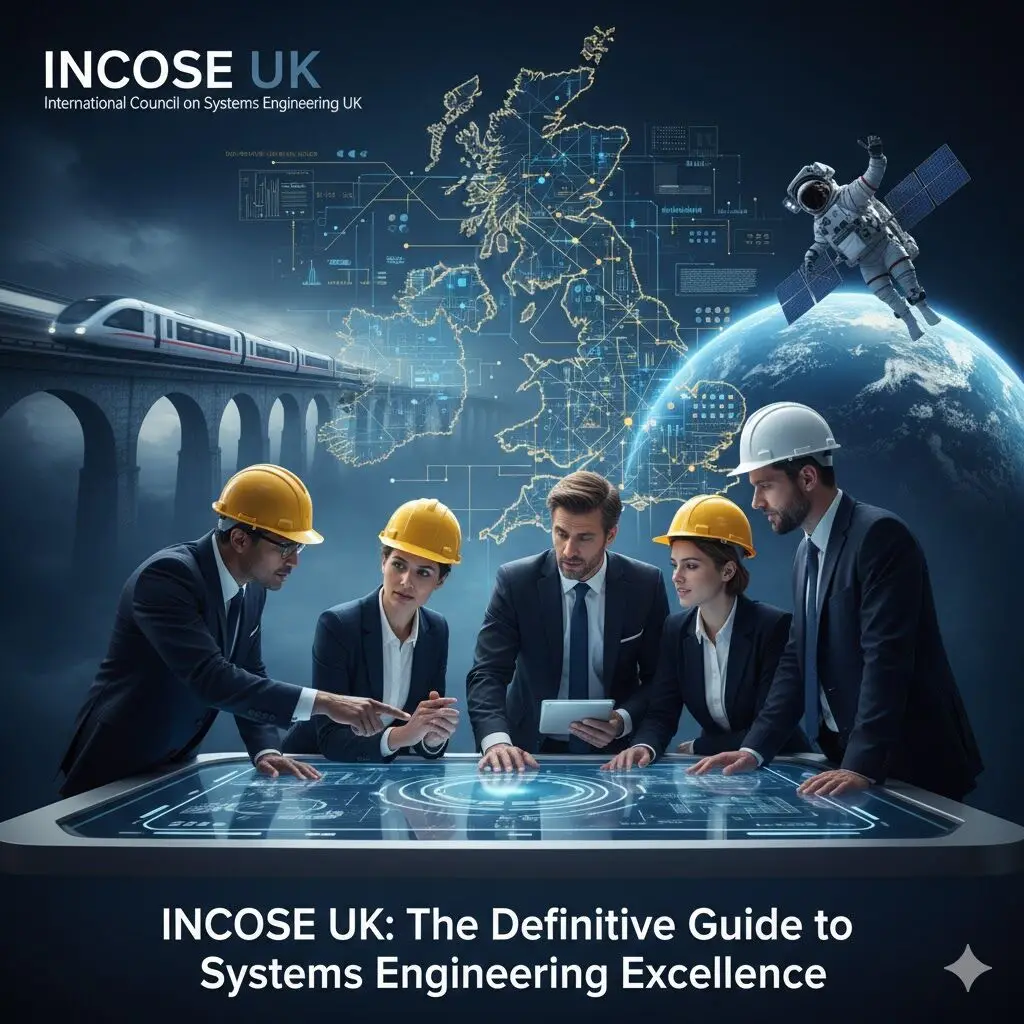
INCOSE UK Definitive Guide to Systems Engineering Excellence
In an era defined by unprecedented complexity, the ability to design, manage, and sustain intricate systems is no longer just a technical requirement—it is a societal necessity. INCOSE UK Limited (the International Council on Systems Engineering UK) stands as the professional home for those dedicated to this discipline. Founded to develop and disseminate the interdisciplinary principles that enable the realization of successful systems, INCOSE UK has grown from its 1994 roots into a powerhouse of educational and professional excellence.
Headquartered in the historic town of Ilminster, Somerset, INCOSE UK serves as the bridge between theoretical systems science and practical industrial application. Whether it is the integration of zero-emission propulsion in aerospace or the digital transformation of the UK’s rail network, the influence of INCOSE UK members is felt across every critical infrastructure sector.
The Mission and Values of INCOSE UK
At its core, INCOSE UK is a not-for-profit membership organization. Its mission is clear: to share, promote, and advance the best of systems engineering from across the globe for the benefit of humanity and the planet.
Core Values:
Systems Thinking: Applying holistic approaches to tackle "wicked" problems.
Pioneering & Innovation: Staying at the forefront of Model-Based Systems Engineering (MBSE) and AI integration.
Lifelong Learning: Providing a continuous professional development (CPD) pathway from student to Emeritus level.
Collaboration: Bridging the gap between academia, industry, and government.
Professional Registration: Your Path to CEng, IEng, and EngTech
One of the most significant value propositions of INCOSE UK is its status as a Licensed Member of the Engineering Council. Unlike general engineering bodies, INCOSE UK is uniquely positioned to assess candidates specifically through the lens of Systems Engineering.
1. Chartered Engineer (CEng)
For those leading complex projects and developing new technologies, CEng status via INCOSE UK proves that your competence meets the rigorous UK-SPEC standards. It signifies a high level of leadership, theoretical knowledge, and a commitment to professional ethics.
2. Incorporated Engineer (IEng)
IEng registration is ideal for professionals who maintain and manage applications of current and emerging technology. INCOSE UK supports IEng candidates who excel in systems integration and operational efficiency.
3. Engineering Technician (EngTech)
Technicians are the backbone of systems delivery. Achieving EngTech status demonstrates your proven technical knowledge and your ability to apply systems thinking at the fundamental stages of engineering lifecycles.
The Systems Engineering Professional (SEP) Certification
While professional registration (CEng/IEng) is a UK-standard, the SEP Certification is a globally recognized benchmark of expertise managed by INCOSE.
ASEP (Associate Systems Engineering Professional): For those starting their journey, focused on knowledge of the INCOSE SE Handbook.
CSEP (Certified Systems Engineering Professional): For practitioners with significant experience (typically 5+ years) who can demonstrate a breadth of systems engineering application.
ESEP (Expert Systems Engineering Professional): Reserved for those who have demonstrated at least 20 years of leadership and significant contributions to the field.
High-Impact Events: ASEC and Beyond
The Annual Systems Engineering Conference (ASEC) is the UK’s premier event for systems practitioners. It is more than just a conference; it is a melting pot of ideas where the latest research meets industrial reality.
Why Attend ASEC?
Peer-Reviewed Content: Access technical presentations that define the state-of-the-art in the UK.
Networking: Connect with leaders from organizations like the MoD, BAE Systems, Network Rail, and various NHS trusts.
Professional Growth: Many sessions contribute directly to your CPD requirements for registration renewal.
Specialized Working Groups: The Engine Room of Innovation
INCOSE UK thrives on its volunteer-led Working Groups. These groups focus on specific domains or methodologies, producing the "Z-Guides" and technical publications that members use daily.
MBSE Working Group: Driving the transition from document-centric to model-centric engineering.
Rail Interest Group: Addressing the unique challenges of the UK’s aging infrastructure and high-speed rail future.
Healthcare Working Group: Applying systems thinking to improve patient outcomes and hospital efficiency.
Driving Innovation Across UK Sectors
The application of Systems Engineering is diverse. INCOSE UK empowers its members to drive innovation in:
Aerospace & Defense: Managing the extreme requirements of next-generation defense systems.
Rail & Transportation: Enhancing safety and reliability through lifecycle management.
Energy: Transitioning the UK grid toward sustainable, decentralized systems.
Healthcare: Designing resilient public health systems using socio-technical analysis.
Membership Benefits: More Than Just a Title
Becoming a member of INCOSE UK provides an unparalleled toolkit for career advancement:
The INCOSE SE Handbook: The global standard for SE processes.
Professional Development Portal: A dedicated space to track and plan your career milestones.
Digital Library: Access to decades of symposia papers and journals.
Community: Participation in Local Groups (e.g., North West, Midlands, Scotland) to engage with peers in your region.
Frequently Asked Questions
1. What is the difference between CEng and CSEP?
CEng (Chartered Engineer) is a UK-specific professional title licensed by the Engineering Council, focusing on broad engineering competence and leadership. CSEP (Certified Systems Engineering Professional) is a global certification by INCOSE that specifically validates your depth of knowledge and experience in the Systems Engineering discipline. Many professionals choose to hold both.
2. Do I need an engineering degree to join INCOSE UK?
No. INCOSE UK welcomes professionals from various backgrounds including science, mathematics, and management, provided they are involved in the practice or study of systems engineering.
3. How much does INCOSE UK membership cost?
Fees vary based on membership type (Individual, Student, or Senior). Current rates are available on the official website; however, membership often pays for itself through significant discounts on ASEC and SEP certification fees.
4. Can INCOSE UK help me with the "Knowledge Exam" for SEP?
Yes. INCOSE UK frequently hosts "Certification Clinics" and provides study resources aligned with the INCOSE Systems Engineering Handbook to help members prepare for the exam.
5. What are "Z-Guides"?
Z-Guides are a series of concise, easy-to-digest publications produced by INCOSE UK working groups. They cover specific topics like "What is Systems Engineering?" and "Systems Engineering and Project Management."
6. Is INCOSE UK only for the Defense and Aerospace industries?
While historically strong in those sectors, INCOSE UK has rapidly expanded into automotive, healthcare, energy, and digital services, reflecting the universal need for systems thinking.
7. How do I start my application for CEng through INCOSE UK?
The first step is to become a member of INCOSE UK. Once joined, you can access the professional registration portal, attend a "Competencies Clinic," and be assigned a mentor to guide your application.
8. Where is the Annual Systems Engineering Conference (ASEC) held?
ASEC moves to different locations across the UK annually to remain accessible to all members. Recent and upcoming locations include Edinburgh, Kent, and Newcastle.
9. Can my company join INCOSE UK?
Yes. Through the Corporate Advisory Board (CAB), organizations can join to influence the strategic direction of INCOSE and provide their employees with access to exclusive resources.
10. How can I contact the INCOSE UK secretariat?
The physical office is located at 21 The Dyers Building, Ilminster. You can reach them via phone at 01460 298217 or email at enquiries@incoseuk.org.
Contact Information
Business Name: INCOSE UK Limited
Address: 21 The Dyers Building, 21 Silver Street, Ilminster, Somerset, TA19 0DH, UK
Phone: 01460 298217
Email: secretariat@incoseuk.org
Website: https://incoseuk.org
Working Hours: Monday–Friday, 9 AM – 5 PM
Edinburgh
0 Views
Article Posting
Get Started Today to Publish an Article

Legal Services
Apr 03, 2026
Holyrood Communications: Shaping Scotland's Public Policy
Since the dawn of Scottish devolution in 1999, the political landscape of Scotland has undergone a profound transformation. At the heart of this evolution stands Holyrood Communications Ltd, a media and events powerhouse that has become the "must-read" and "must-attend" institution for anyone navigating the corridors of power in Edinburgh. Trading primarily through its flagship titles Holyrood Magazine and Holyrood Events, the organization serves as an essential bridge between the Scottish Parliament, the wider public sector, and the private industries that fuel the nation’s economy.
A Legacy Rooted in Devolution
Established on September 20, 1999—coinciding with the first year of the reconvened Scottish Parliament—Holyrood Communications was founded by Hamish Miller with a clear mission: to provide an unbiased, insightful, and critical platform for discussing the governance of Scotland. Today, under the leadership of Managing Director and Editor-in-Chief Mandy Rhodes, the company has solidified its reputation for fearless investigative journalism and high-level policy analysis.
Now a key pillar of the Total Politics Group, Holyrood Communications has expanded its reach while maintaining its core Scottish identity. From its headquarters at 11 Gayfield Street in Edinburgh, a stone's throw from the vibrant Leith Walk, the company operates as the primary intelligence hub for MSPs (Members of the Scottish Parliament), senior civil servants, and local government leaders.
Holyrood Magazine: More Than Just a Publication
At the core of the business is Holyrood Magazine, a fortnightly publication that has earned its place as the unofficial "in-house" magazine of the Scottish Parliament. According to independent research by Ipsos MORI, it is the most widely read publication among MSPs, with four out of five parliamentarians citing it as a primary source of information and a key influencer in their decision-making processes.
Editorial Excellence and Independence
The magazine’s strength lies in its independence. In a political climate that can often feel polarized, Holyrood Magazine remains a neutral territory. Its pages feature in-depth interviews with First Ministers, Cabinet Secretaries, and opposition leaders, alongside rigorous analysis of legislative changes.
The editorial team, led by the award-winning Mandy Rhodes, doesn't shy away from "thorny" issues. Whether tackling the complexities of the National Health Service (NHS) Scotland, the challenges of digital transformation, or the intricacies of the Scottish budget, the magazine provides a level of depth that daily newspapers often lack.
Specialized Policy Supplements
Beyond the fortnightly issues, Holyrood Communications produces specialized supplements and "Green Pages" focused on sustainability, education, and healthcare. These deep dives allow stakeholders to understand the granular details of policy implementation, moving beyond soundbites to explore evidence-based outcomes.
Holyrood Events: Where Policy Meets Practice
If the magazine provides the theory and analysis, Holyrood Events provides the forum for action. The events division is renowned for organizing Scotland’s most significant national conferences, seminars, and networking gatherings.
National Conferences
Holyrood Events covers the full spectrum of public service delivery. Recent and recurring themes include:
Digital Transformation in the Public Sector: Exploring how AI and data can streamline Scottish services.
Healthcare Innovation: Addressing the long-term sustainability of the NHS.
Public Sector Reform: Discussing the fiscal challenges and structural changes required for modern governance.
The Holyrood Garden Party and Political Awards
Perhaps the most prestigious entry in the Scottish political calendar is the Holyrood Garden Party and Political Awards. Held annually at the Royal Botanic Garden Edinburgh, this event brings together politicians from all parties, journalists, and business leaders. It is a rare moment of cross-party conviviality where the "MSP of the Year" is crowned, and the "Lifetime Achievement Award" honors those who have dedicated their careers to Scottish public life.
The Total Politics Group Connection
In 2022, Holyrood Communications became part of the Total Politics Group (formerly Political Holdings Ltd), a move that has provided the Edinburgh office with greater resources and a wider network. This association links Holyrood with other prestigious titles like PoliticsHome and The House magazine in Westminster, as well as The Parliament in Brussels. This synergy ensures that Scottish policy is viewed not just in isolation, but within the broader context of UK and European governance.
Business Specialization and Value Proposition
Holyrood Communications Ltd specializes in a niche but vital market. Their value proposition is built on three pillars:
Deep Expertise: A team that understands the nuances of the "Holyrood Bubble" and the Scottish legislative process.
Unrivalled Access: The ability to bring together the highest-level decision-makers under one roof or within one set of covers.
Cross-Sector Connectivity: Bridging the gap between the public sector (the "providers") and the private sector (the "innovators").
For businesses looking to engage with the Scottish Government, Holyrood offers Digital Advertising, Sponsored Content, and Corporate Sponsorship Packages that provide direct visibility to the people who write the laws and manage the budgets.
Operational Excellence
Operating from their Edinburgh base with a dedicated team of 11–50 employees, the company maintains a high standard of professional service. They are ABC Audited, ensuring transparency in their circulation figures, and are active members of PPA Scotland (Professional Publishers Association).
For production and operational support, the helpdesk (0131 285 1634) serves as a lifeline for subscribers and event delegates alike. Their commitment to accessibility is further evidenced by their Online Article Archive and Digital Event Recordings, ensuring that insight is available long after a conference ends or a magazine issue is filed away.
The Future of Holyrood Communications
As Scotland faces new challenges—ranging from economic recovery and the "just transition" to net zero, to the evolving debate over the nation’s constitutional future—Holyrood Communications is poised to remain the primary narrator of this journey. Their focus on Public Sector Reform and Policy Analysis ensures they remain relevant in an era where data and evidence are more important than ever.
The transition toward Holyrood Insight and increased digital delivery reflects a company that is modernizing alongside the government it covers. By fostering inclusive spaces for collaboration, Holyrood Communications Ltd doesn't just report on the national debate; it empowers the participants to contribute meaningfully to Scotland’s future.
Frequently Asked Questions
1. What is Holyrood Communications Ltd?
Holyrood Communications Ltd is Scotland’s leading media and events company specializing in political and public policy information. It is best known for publishing Holyrood magazine and organizing high-level national conferences.
2. Who is the current leader of Holyrood Communications?
The company is currently led by Mandy Rhodes, who serves as the Managing Director and Editor-in-Chief. She is a highly respected figure in Scottish journalism.
3. Is Holyrood Magazine politically biased?
No. Holyrood Magazine is a strictly apolitical and independent publication. It provides a platform for all political parties in the Scottish Parliament to share their views and engage in policy debate.
4. How often is Holyrood Magazine published?
It is a fortnightly publication, providing 20+ issues per year that cover the latest legislative updates, interviews, and investigative reports.
5. What are the "Holyrood Political Awards"?
The Holyrood Garden Party and Political Awards is an annual event that celebrates excellence in the Scottish Parliament. It recognizes MSPs and public figures for their contributions to politics and society.
6. Can private companies advertise with Holyrood?
Yes. Holyrood offers various commercial opportunities, including digital advertising, sponsored content, and event sponsorship, allowing private industries to engage with public sector leaders.
7. What is the relationship between Holyrood and Total Politics Group?
Holyrood Communications is the Scottish division of the Total Politics Group. This partnership allows for broader coverage of UK and EU political landscapes while maintaining a dedicated focus on Scotland.
8. How can I attend a Holyrood event?
Information on upcoming conferences and seminars can be found on the Holyrood Events website. They offer both in-person and digital registration options.
9. Where is the Holyrood Communications office located?
The business headquarters is located at 11 Gayfield Street, Edinburgh, EH1 3NR, United Kingdom, situated near Gayfield Square and Leith Walk.
10. Does Holyrood provide digital archives for subscribers?
Yes. Subscribers gain access to an extensive online article archive, digital editions of the magazine, and subscriber-only policy supplements.
Edinburgh
0 Views
Educational Services
Apr 03, 2026
The Royal College of Surgeons of Edinburgh: A Legacy of Excellence
The Royal College of Surgeons of Edinburgh (RCSEd) stands as a monumental pillar in the world of medicine. As the oldest surgical college on the planet, its influence stretches from the cobblestone streets of medieval Edinburgh to the high-tech operating theaters of the 21st century. Founded in 1505, the RCSEd has spent over half a millennium dedicated to one singular, unwavering mission: to promote the highest standards in surgical and dental education, training, and clinical practice to ensure patient safety worldwide.
Today, the College is a truly global professional community, boasting over 30,000 members across more than 140 countries. Whether through its world-renowned examinations, its specialized faculties, or its cutting-edge research fellowships, the RCSEd continues to shape the future of surgery.
A Journey Through Time: The Origins of 1505
The story of the RCSEd begins with the "Seal of Cause." On July 1, 1505, the Town Council of Edinburgh granted a charter to the Incorporation of Surgeons and Barbers. This was subsequently confirmed by King James IV of Scotland, a monarch uniquely fascinated by medical science—records even suggest he practiced simple dentistry and bloodletting himself.
The Barber-Surgeon Era
In the early days, the roles of barbers and surgeons were intertwined. Both professions required "sharp instruments" for their trade, whether for shaving beards or lancing abscesses. However, the 1505 charter was revolutionary because it imposed strict academic and ethical requirements. It mandated that every master surgeon must be literate and possess a deep knowledge of anatomy—a requirement that predated many other professional bodies by centuries.
The Separation and Evolution
As medical knowledge advanced, the disparity between the craft of the barber and the science of the surgeon grew. In 1722, the barbers formally separated from the surgeons. By 1778, King George III granted a new charter, officially designating the body as "The Royal College of Surgeons of the City of Edinburgh."
Global Impact: A World-Recognized Authority
While its roots are in Scotland, the RCSEd is an international powerhouse. It serves as a home for surgeons at every stage of their career, from medical students and foundation trainees to senior consultants and retired practitioners.
International Presence
The College’s reach is facilitated by its international offices and partnerships. With a second UK office in Birmingham and an international hub in Kuala Lumpur, Malaysia, the RCSEd ensures that its educational resources and high standards are accessible to the global "surgical brotherhood."
Professional Membership and Fellowship
Membership at the RCSEd is more than just a credential; it is an entry into a prestigious network.
Affiliate Membership: For medical students and early-career doctors.
Membership (MRCS): Awarded upon successful completion of the Intercollegiate MRCS exams.
Fellowship (FRCS): The "gold standard" for senior surgeons, signifying mastery in a specific surgical specialty.
The Pillars of Education: Examinations and Training
The core function of the RCSEd remains the assessment and examination of surgeons. The College provides a rigorous framework that ensures only the most competent practitioners reach the operating table.
The MRCS and FRCS Exams
The Membership of the Royal College of Surgeons (MRCS) examination is a critical milestone for any aspiring surgeon. It tests core surgical competencies, basic sciences, and clinical application. Following this, the Fellowship of the Royal College of Surgeons (FRCS) serves as the exit exam for specialty training, marking the transition to consultant level.
Clinical Skills and Online Learning
Education at the RCSEd isn't limited to textbooks. The College offers:
Skills Workshops: Hands-on training in laparoscopy, suturing, and specialty-specific techniques.
Online Learning: The RCSEd has pioneered digital education, offering webinars, podcasts (such as "Let’s Talk Surgery"), and the Acland Anatomy Video Atlas.
WADE Programme: A specialized anatomy series designed to enhance performance in the MRCS Part B OSCE.
Specialized Faculties: Tailored Expertise
The modern surgical workforce is diverse, and the RCSEd reflects this through six specialized faculties. Each faculty addresses a specific niche within the healthcare ecosystem.
Faculty of Dental Surgery (FDS)
Founded in 1947, the FDS is one of the largest and most active dental faculties in the world. It sets the standard for dental excellence through exams like the MFDS and specialized fellowships in orthodontics and oral surgery.
Faculty of Pre-Hospital Care (FPHC)
As emergency medicine evolves, the FPHC provides the gold standard for clinicians working in the field—paramedics, doctors, and nurses who provide life-saving care before a patient ever reaches the hospital doors.
Faculty of Remote, Rural and Humanitarian Healthcare (FRRHH)
This faculty is dedicated to supporting those who practice in the world's most challenging environments, from isolated islands to conflict zones, ensuring that high-quality surgical care is not a privilege of the urban elite.
Other Key Faculties
Faculty of Surgical Trainers (FST): The first of its kind in the UK, focusing on the "science of teaching" surgery.
Faculty of Dental Trainers (FDT): Supporting those who educate the next generation of dentists.
Faculty of Perioperative Care (FPC): Dedicated to the wider surgical team, including surgical assistants and practitioners.
Research, Grants, and Fellowships: Driving Innovation
The RCSEd is not just a guardian of tradition; it is an engine for innovation. Between 2020 and 2022 alone, the College invested over £725,000 in grants, bursaries, and fellowships.
Shaping the Future of Surgery
Research grants provided by the RCSEd allow surgeons to explore groundbreaking techniques in robotics, minimally invasive surgery, and regenerative medicine. These projects often serve as the "starter gun" for clinical trials that eventually become standard practice worldwide.
Travelling Fellowships
The College encourages the exchange of global knowledge through travelling fellowships. These allow members to visit leading international centers of excellence, bringing back new skills and perspectives to their local practice.
The Edinburgh Campus: A Hub of Heritage and Hospitality
The physical heart of the RCSEd is its stunning campus on Nicolson Street in Edinburgh. It is a unique blend of historic architecture and modern amenities.
Surgeons' Hall Museums
Open to the public since 1832, the Surgeons' Hall Museums house one of the most significant medical collections in the UK.
The Wohl Pathology Museum: A world-class collection of preserved specimens.
History of Surgery Museum: Exploring everything from the infamous Burke and Hare murders to the development of anesthesia.
Body Voyager: An interactive gallery showcasing the rise of robotic and computerized technology in modern medicine.
Surgeons' Quarter
The College operates a commercial arm known as the Surgeons' Quarter. This includes the Ten Hill Place Hotel, a luxury 4-star destination, and award-winning conference facilities. Profits from these ventures are reinvested directly into the College’s charitable mission of advancing surgical standards.
Advocacy and Policy: The Voice of the Profession
Beyond the operating theater, the RCSEd is a powerful advocate for healthcare policy. It works closely with the Academy of Medical Royal Colleges (AoMRC) and international bodies like ICOSET to influence legislation that impacts patient safety and surgeon wellbeing.
The College frequently publishes guidelines on clinical standards, surgeon fatigue, and diversity within the workforce, ensuring that the profession remains inclusive, healthy, and ethical.
Why Join RCSEd? The Value Proposition
For a surgical professional, RCSEd membership offers a lifetime of support:
Prestige: Association with a 500-year-old institution.
Resources: Access to a historic research library and archive.
Sustainability: A commitment to ethical medical practices and environmental responsibility.
Community: A global network of 30,000+ peers.
Honoring the Past, Creating the Future
The Royal College of Surgeons of Edinburgh is more than an institution; it is a living testament to human ingenuity and the pursuit of healing. From its 16th-century origins to its global status in the 21st century, the RCSEd remains the gold standard for surgical excellence. By fostering a culture of continuous learning, rigorous assessment, and compassionate care, the College ensures that the legacy of those original "Surgeons and Barbers" lives on in every successful surgery performed across the globe today.
Frequently Asked Questions
1. What does RCSEd stand for?
RCSEd stands for The Royal College of Surgeons of Edinburgh. It is the oldest surgical college in the world, founded in 1505.
2. How do I become a member of the RCSEd?
Membership is usually attained by passing the Intercollegiate MRCS examination. There are also levels for medical students (Affiliates) and senior practitioners (Fellows/FRCS).
3. What is the difference between MRCS and FRCS?
MRCS (Membership) is a core exam taken during early surgical training to demonstrate foundational competency. FRCS (Fellowship) is a specialty-specific "exit exam" taken at the end of training to become a consultant.
4. Is the RCSEd only for surgeons in Scotland?
No. While headquartered in Edinburgh, it is a global organization with over 30,000 members in more than 140 countries. The majority of its UK members are actually based in England.
5. Can I visit the Surgeons' Hall Museums?
Yes! The Surgeons' Hall Museums are open to the public. They offer a fascinating look at the history of medicine, pathology, and surgical innovation.
6. Does the College offer dental qualifications?
Yes, the College has a dedicated Faculty of Dental Surgery which offers examinations such as the MFDS and various specialty fellowships in dentistry.
7. What kind of research funding does RCSEd provide?
The College provides a wide range of research grants, fellowships, and scholarships for members, including travelling fellowships to study surgical techniques abroad.
8. What is the "Surgeons' Quarter"?
Surgeons' Quarter is the commercial arm of the College, managing the Ten Hill Place Hotel and various conference venues. Profits support the College’s educational and charitable goals.
9. How can I contact the RCSEd?
You can reach the main helpdesk at 0131 527 1600 or via email at information@rcsed.ac.uk. Their physical address is Nicolson Street, Edinburgh, EH8 9DW.
10. Does the RCSEd provide online courses?
Yes, the College offers an extensive library of online resources, including webinars, podcasts, and digital anatomy atlases, accessible to members worldwide.
Edinburgh
0 Views
Educational Services
Apr 03, 2026
Institute and Faculty of Actuaries : Leading Global Actuarial Excellence
In an era defined by financial volatility, climate uncertainty, and rapid technological shifts, the role of the actuary has never been more critical. At the heart of this profession stands the Institute and Faculty of Actuaries (IFoA), the United Kingdom’s only Royal Chartered professional body dedicated to the education, development, and regulation of actuaries worldwide.
The IFoA: A Legacy of Excellence
The IFoA, as it exists today, was formed in 2010 through the historic merger of two venerable institutions: the Institute of Actuaries (founded in London in 1848) and the Faculty of Actuaries (founded in Edinburgh in 1856). With headquarters at the iconic Staple Inn in London, the IFoA represents a bridge between nearly two centuries of tradition and a future-focused approach to actuarial science.
With over 32,000 members across the globe, the IFoA is not merely a UK body; it is a global authority. Its mission is clear: to advance the science of actuarial mathematics and to maintain public confidence through robust regulation and the highest professional standards.
The Power of the "Chartered Actuary" Designation
A significant milestone in the IFoA’s history is the introduction and protection of the Chartered Actuary designation. This title serves as a global benchmark for professional excellence.
While many individuals may perform analytical tasks, only those who meet the rigorous standards of the IFoA can claim Chartered status. This designation assures employers, regulators, and the public that the practitioner is a regulated professional committed to the Actuaries’ Code of ethics and continuous professional development.
Membership Levels
The IFoA offers a structured pathway to qualification, catering to different career stages and specializations:
Fellow (FIA/FFA): The "Gold Standard" of actuarial qualification. Fellows have demonstrated deep technical expertise and strategic leadership in their chosen practice area.
Associate (AIA/AFA): This level recognizes qualification at a generalist level, providing a broad foundation in risk management and financial modeling.
Student Member: The starting point for those pursuing the rigorous IFoA examination path.
Certified Actuarial Analyst (CAA): A technical qualification for those supporting actuarial work.
Educational Rigor: The IFoA Qualification Path
The journey to becoming an IFoA-qualified actuary is famously challenging, ensuring that only the most capable analytical minds enter the profession. The curriculum is divided into several key pillars:
Core Principles (CS, CM, CB Series)
These subjects cover the mathematical and statistical foundations, including actuarial mathematics, economics, and business finance. Students learn to model complex contingencies and value future financial flows.
Core Practices (CP Series)
Beyond pure math, actuaries must communicate. These modules focus on actuarial practice, modeling documentation, and professional communication skills.
Specialist Principles & Advanced (SP & SA Series)
Candidates specialize in specific industries, such as:
Life Assurance
General Insurance
Pensions and Employee Benefits
Health and Care
Investment and Finance
Banking (A newly developed and growing pathway)
Regulation and Public Interest
As a Regulatory Authority, the IFoA operates under a Royal Charter. It is overseen in the UK by the Financial Reporting Council (FRC). The IFoA’s regulatory framework is designed to protect the public interest by:
Setting Standards: Issuing Actuarial Profession Standards (APS) that members must follow regardless of their geographic location.
Monitoring Quality: Through the Quality Assurance Scheme (QAS), which recognizes organizations with high-quality actuarial work environments.
Enforcement: Maintaining an independent disciplinary process to investigate allegations of professional misconduct.
Global Influence and Research
The IFoA is a leading voice in global financial policy. Through its research initiatives and peer-reviewed publications, such as the British Actuarial Journal (BAJ) and Annals of Actuarial Science (AAS), the institute advances the frontiers of the profession.
Tackling Modern Challenges
The IFoA is at the forefront of integrating new disciplines into the actuarial toolkit:
Climate Change & Sustainability: Actuaries are uniquely positioned to model the financial risks of climate change. The IFoA provides a dedicated "Climate Risk and Sustainability" course and influences global policy on "Net Zero" transitions.
Data Science and AI: As automation and machine learning reshape insurance, the IFoA ensures its members remain "future-ready" through its AI and Data Science certificate programs.
Member Benefits and Amenities
Joining the IFoA provides access to a prestigious professional network. Members benefit from:
Continuous Professional Development (CPD): Access to over 100 webinars and conferences annually.
The Actuary Magazine: A monthly publication covering the latest trends in risk and finance.
Library Services: Access to one of the world's most comprehensive collections of actuarial research and literature.
Regional Chapters: Local support and networking hubs in Asia, Africa, Europe, and beyond.
Why the IFoA Matters
The Institute and Faculty of Actuaries remains the cornerstone of the actuarial profession. By balancing its rich historical roots with a modern, innovative curriculum, it ensures that its members are not just "number crunchers," but strategic advisors capable of solving the world's most complex financial problems. Whether you are an aspiring student or a global corporation, the IFoA represents the pinnacle of risk management and professional integrity.
Frequently Asked Questions
1. What is the difference between a Fellow (FIA) and an Associate (AIA)?
A Fellow (FIA/FFA) has completed the full suite of exams, including specialist advanced subjects, and is considered fully qualified at the highest level. An Associate (AIA/AFA) has qualified at a generalist level. Both are entitled to use the "Chartered Actuary" designation.
2. How long does it take to qualify as an actuary with the IFoA?
On average, it takes 3 to 6 years to reach Associate level and 5 to 10 years to reach Fellowship, depending on exemptions and exam success rates.
3. Is the IFoA qualification recognized outside the UK?
Yes. The IFoA has Mutual Recognition Agreements (MRAs) with many international bodies, including those in Australia, India, and South Africa, making it a truly global qualification.
4. What is the "Actuaries’ Code"?
It is a set of ethical principles that all IFoA members must follow. It covers six core areas: Integrity, Competence and Care, Impartiality, Compliance, Communication, and Speaking Up.
5. Do I need a math degree to join the IFoA?
While most students have a strong quantitative background (math, physics, or economics), there is no strict requirement for a specific degree, provided you can pass the entrance exams.
6. What are the accepted payment methods for IFoA fees?
The IFoA accepts bank transfers, credit/debit cards, direct debits, and payments through its secure online member portal.
7. Where is the IFoA headquartered?
The main office is located at 1-3 Staple Inn Hall, High Holborn, London, WC1V 7QJ, United Kingdom.
8. What role does the IFoA play in climate change?
The IFoA helps actuaries understand and model climate-related financial risks. They offer a specialized Climate Risk and Sustainability Course and participate in global climate policy discussions.
9. Can I take IFoA exams online?
Yes, the IFoA has transitioned to an online assessment model, allowing students worldwide to sit for exams remotely.
10. How do I contact IFoA member services?
You can reach them at 02076322100 or via email at memberservices@actuaries.org.uk.
Edinburgh
0 Views
Business Services
Apr 03, 2026
British Medical Association Ultimate Guide to the UK’s Leading Medical Trade Union
The Voice of the Medical Profession
The British Medical Association (BMA) stands as the bedrock of the medical profession in the United Kingdom. Founded in 1832 by Sir Charles Hastings, it has evolved from a small provincial medical society into a powerhouse professional association and registered trade union. Today, representing over 190,000 doctors and medical students, the BMA is more than just a membership body; it is a vital shield for healthcare workers and a leading architect of national health policy.
As the UK’s healthcare landscape faces unprecedented challenges—ranging from post-pandemic recovery to intense pay negotiations—the BMA remains steadfast in its mission: “To look after our members so they can look after their patients.” This article provides an in-depth exploration of the BMA’s multifaceted role, its world-class resources like The BMJ, and its relentless advocacy for a sustainable NHS.
History and Heritage: From 1832 to the Modern Era
The BMA was born on July 19, 1832, at the Worcester Infirmary. Its founder, Sir Charles Hastings, envisioned a "Provincial Medical and Surgical Association" that would bridge the gap between fragmented medical practitioners. In 1856, it officially became the British Medical Association.
Throughout the 20th century, the BMA played a pivotal role in the creation of the National Health Service (NHS) in 1948. While initially cautious about the administrative structure, the BMA ensured that professional clinical independence remained at the heart of the service. Over nearly two centuries, the association has grown from a networking group into a sophisticated organization with over 500 employees, headquartered at the historic BMA House in London.
The BMA as a Trade Union: Protection and Power
The BMA is the only registered trade union in the UK dedicated exclusively to doctors and medical students. Its role as a collective bargaining agent is perhaps its most high-profile function.
Contract Checking and Employment Advice
For individual members, the BMA provides an essential safety net. The Employment Advice Service handles over 40,000 cases annually, offering:
Contract Verification: Ensuring new employment contracts meet national standards and don't include exploitative clauses.
Pay Disputes: Correcting underpayment issues and ensuring "exception reporting" is handled fairly for resident doctors.
Representation: Providing expert accompaniment in disciplinary hearings or grievance procedures.
National Pay Negotiations
The BMA is the primary negotiator with the government regarding doctors' pay and working conditions. In recent years, the association has been at the forefront of the "Full Pay Restoration" campaign, fighting to reverse the real-terms pay erosion experienced by the profession over the last decade.
World-Class Clinical Resources: The BMJ and Beyond
Membership in the BMA isn't just about protection; it’s about professional excellence.
The BMJ (British Medical Journal)
A wholly-owned subsidiary of the BMA, The BMJ is one of the world’s most influential medical journals. It provides members with:
Peer-reviewed research that shapes clinical guidelines globally.
Continuous professional development (CPD) modules.
Career advice and job listings via BMJ Careers.
The BMA Library
Located at BMA House, this is one of the most comprehensive medical libraries in Europe. Members enjoy:
Access to thousands of e-books and e-journals (including The Lancet and Nature).
Research assistance from expert librarians.
ClinicalKey access, providing point-of-care tools for diagnosis and treatment.
Advocacy and Public Health: Shaping the Nation's Health
The BMA leverages its "collective voice" to influence government policy on issues that extend far beyond the doctor's office.
Tobacco and Alcohol Control: The BMA was instrumental in lobbying for the smoking ban in public places.
NHS Funding: Continual advocacy for sustainable investment in the healthcare system to reduce waiting lists and improve patient safety.
Medical Ethics: The BMA’s Ethics Department is a global leader in defining the boundaries of modern medicine, from end-of-life care to the use of AI in healthcare.
Climate Change: Promoting sustainable practices within the NHS, aligning with their ISO 14001 certification.
Supporting the Journey: From Medical Student to Retirement
The BMA offers a tailored "professional journey" for every stage of a medical career.
Medical Students
Students receive specialized support, including exam preparation tools like BMJ OnExam, wellbeing services, and guidance on choosing a specialty through the Specialty Explorer tool.
International Medical Graduates (IMGs)
Recognizing the vital contribution of overseas doctors, the BMA offers a "New to the UK" support package, including a free first year of membership for eligible IMGs, helping them navigate the complexities of the NHS and UK immigration law.
Retired Members
The BMA ensures that retired doctors remain a valued part of the community, offering a reduced subscription rate and opportunities to mentor younger colleagues.
Wellbeing: Caring for the Caregivers
The mental health of doctors is a top priority. The BMA provides a 24/7 confidential counselling line and peer support services. These services are available to all doctors and medical students, regardless of membership status, reflecting the BMA’s commitment to the entire profession’s health.
BMA House: A Sustainable Landmark
BMA House in Tavistock Square is more than just an office. It is an award-winning, sustainable event venue (ISO 14001) that offers members:
A dedicated Member Lounge for working and networking.
Private meeting rooms and free Wi-Fi.
Beautiful gardens and historic architecture near Euston Station.
Financial and Membership Logistics
As a non-profit organization, the BMA reinvests its income—primarily from membership subscriptions—back into member services.
Payment Methods: Membership is typically paid via Direct Debit (monthly or annually), though credit cards and bank transfers are also accepted.
Tax Deductibility: BMA subscriptions are generally tax-deductible for UK taxpayers, effectively reducing the net cost of membership.
Registration: Trade Union Number 144T.
Global Influence and Partnerships
The BMA does not work in isolation. It is a key member of:
The World Medical Association (WMA)
European Junior Doctors (EJD)
The Academy of Medical Royal Colleges (AoMRC)
These partnerships ensure that the BMA has a seat at the table when global health crises or international medical standards are discussed.
Why the BMA Matters
In an era of rapid change and increasing pressure on the healthcare sector, the British Medical Association serves as the essential partner for doctors. By combining the power of a trade union with the prestige of a professional society, the BMA ensures that the medical profession remains strong, protected, and empowered to deliver the excellence in clinical care that the nation depends on.
Frequently Asked Questions
1. Who can join the British Medical Association?
Membership is open to all doctors and medical students in the UK, as well as international medical graduates currently practicing or seeking to practice in the UK.
2. Is the BMA part of the NHS?
No. The BMA is an independent professional association and trade union. It often negotiates with the NHS (and the government) but is entirely separate from it.
3. What is the difference between the BMA and the GMC?
The BMA is a trade union that supports and represents doctors. The General Medical Council (GMC) is the regulator that maintains the official register of doctors and sets standards for medical education and practice.
4. How does the BMA help with my contract?
Members can submit their employment contracts to the BMA’s legal experts for a full review to ensure the terms are fair, legal, and in line with national agreements.
5. Can I get a discount on my BMA membership?
Yes. The BMA offers reduced rates for medical students, retired doctors, those on lower incomes, and international doctors in their first years in the UK.
6. Does BMA membership include access to The BMJ?
Yes, BMA members receive full online access to The BMJ as part of their subscription, along with other clinical tools like BMJ Learning.
7. Can the BMA help with GMC investigations?
Yes. The BMA provides a Doctor Support Service that offers confidential, emotional, and peer support for doctors undergoing fitness to practice procedures.
8. Is my BMA subscription tax-deductible?
In most cases, yes. Professional subscriptions like the BMA are usually eligible for tax relief in the UK. You can claim this via your P87 form or self-assessment.
9. Where is BMA House located?
BMA House is located at Tavistock Square, London, WC1H 9JP, within walking distance of Euston and King's Cross stations.
10. How do I contact BMA Member Support?
You can reach Member Support Services at +44 (0)300 123 1233 or email them at support@bma.org.uk.
Edinburgh
0 Views
Article Posting
Sign In to Submit Your Content
Educational Services
Apr 03, 2026
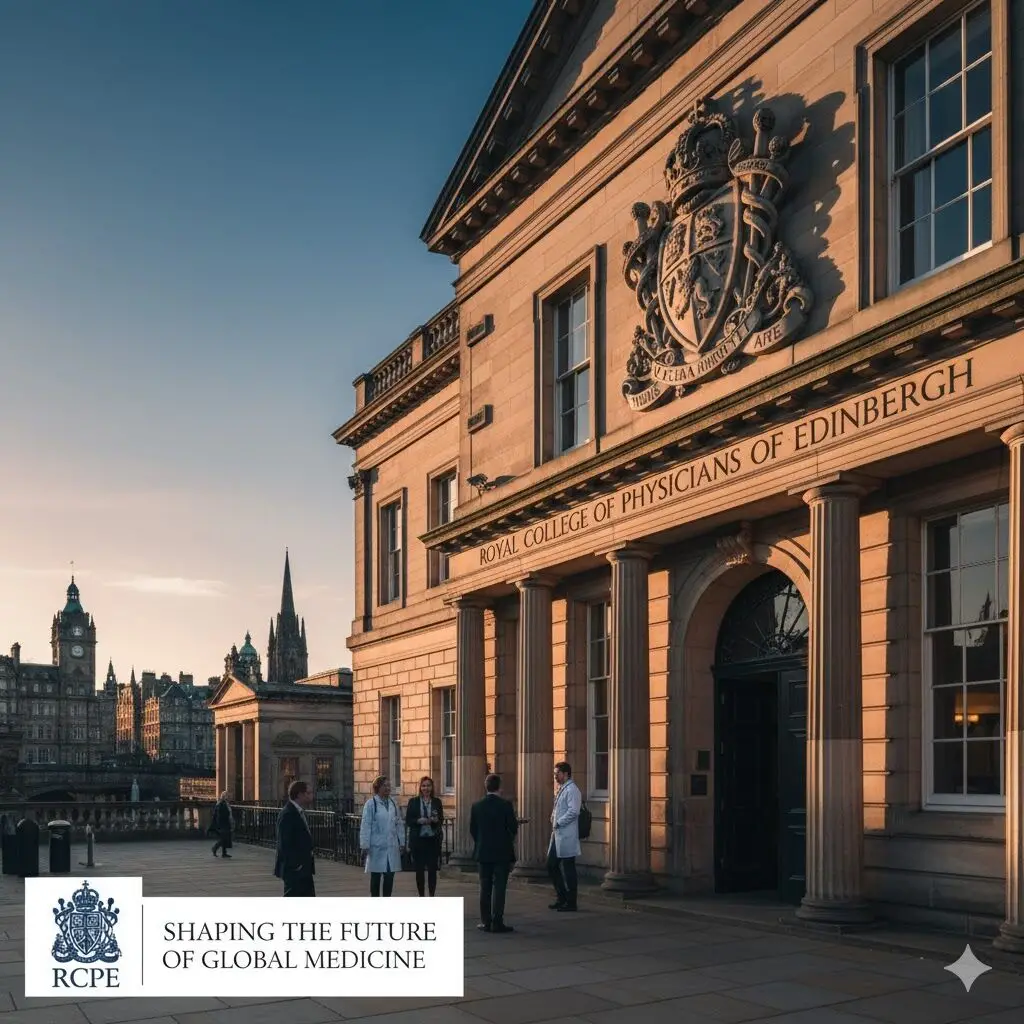
Royal College of Physicians of Edinburgh : Shaping the Future of Global Medicine
The Royal College of Physicians of Edinburgh (RCPE) stands as a titan in the world of clinical excellence and medical education. As a world-renowned professional membership body and registered charity (No. SC005335), the RCPE has dedicated over three centuries to setting the highest standards of medical practice. With a mission rooted in supporting the medical profession to deliver the best possible care for patients worldwide, the College represents a diverse global community of over 14,000 Fellows and Members across 91 countries.
A Legacy of Excellence: From 1681 to the Modern Era
Established by the Royal Charter of King Charles II on 29 November 1681, the RCPE was founded through the visionary efforts of key figures like Sir Robert Sibbald. For over 340 years, the College has bridged the gap between historical tradition and modern medical innovation.
Located at its historic headquarters at 9-11 Queen Street, Edinburgh, EH2 1JQ, the College remains a cornerstone of the Scottish Enlightenment and a global hub for internal medicine. Its physical presence near St Andrew Square and the Scottish National Portrait Gallery serves as a reminder of its deep-rooted history in the heart of the United Kingdom.
Core Value Proposition: Education, Support, and Advocacy
The RCPE’s value proposition is centered on three strategic pillars: high-quality medical education, professional support for physicians at every career stage, and powerful advocacy for clinical standards.
1. World-Leading Medical Education and CPD
The College is a premier provider of Continuing Professional Development (CPD). Its extensive program includes:
Medical Symposia: Highly regarded sessions covering the latest updates in various medical specialties.
Evening Teach-ins: Accessible learning opportunities for trainees and consultants alike.
Online Learning Resources: A robust digital education portal featuring hundreds of hours of clinical and non-clinical content.
MSc Programmes: Academic partnerships providing advanced degrees in Internal Medicine and Medical Education.
2. The MRCP(UK) Examinations
As a key partner in the Federation of the Royal Colleges of Physicians of the UK, the RCPE plays a vital role in the assessment and certification of physicians. The MRCP(UK) diploma is a globally recognized hallmark of quality, and the RCPE is a primary center for conducting these rigorous assessments, including the PACES (Practical Assessment of Clinical Examination Skills) exams.
3. Global Advocacy and Clinical Standards
Beyond the classroom, the College acts as a powerful voice for the medical profession. It influences healthcare policy by responding to government consultations and promoting excellence in clinical standards. Through its global health advocacy, the RCPE addresses contemporary challenges such as health equity, climate change, and physician well-being.
Membership and Fellowship: A Global Community
The RCPE offers a tiered membership structure designed to support doctors from their first day of medical school through to retirement:
Student and Foundation: Free for medical students and junior doctors in their first two years post-qualification.
Collegiate Membership: For those who have achieved the MRCP(UK) or MRCPCH.
Fellowship (FRCP Edin): An accolade for experienced consultants and senior physicians, recognizing significant contributions to the field.
Members benefit from exclusive discounts on education, access to the Physicians' Gallery, and the opportunity to use the historic research library, which houses one of the most significant medical collections in the UK.
Venue Hire and Amenities: Bridging History and Function
The RCPE headquarters is not just a place of learning; it is a premier conference and event venue in Edinburgh. The facility offers:
Conference Facilities: Modern AV technology integrated into historic rooms.
Heritage Library: A breathtaking backdrop for dinners and networking.
Amenities: Free Wi-Fi, disability access, and high-quality on-site catering.
Member Resource Centre: A dedicated space for visiting Fellows and Members to work and relax.
Business Information at a Glance
Founder: Sir Robert Sibbald (via Royal Charter)
Founded Date: 29 November 1681
Headquarters: Edinburgh, Scotland, UK
Website: https://www.rcpe.ac.uk
Contact Number: +44 (0)131 225 7324
Email: enquiries@rcpe.ac.uk
Social Media: Active on LinkedIn, X (Twitter), Facebook, and Instagram (@RCPEdin).
Frequently Asked Questions
1. What is the Royal College of Physicians of Edinburgh (RCPE)?
The RCPE is a professional membership organization and registered charity that sets standards for medical practice and provides education and support to physicians worldwide.
2. Who can join the RCPE?
Membership is open to medical students, foundation doctors, and physicians at all career stages. Fellowship is awarded to senior consultants and physicians who have made significant contributions to medicine.
3. How do I contact the RCPE helpdesk?
You can reach the RCPE helpdesk at +44 (0)131 225 7324 or via email at enquiries@rcpe.ac.uk.
4. What role does the RCPE play in the MRCP(UK) exams?
The RCPE is one of the three UK Royal Colleges that manage the MRCP(UK) examinations, which are essential for physicians seeking to progress in specialty training.
5. Where is the RCPE located?
The College is located at 9-11 Queen Street, Edinburgh, EH2 1JQ, United Kingdom, near the Scottish National Portrait Gallery.
6. Does the RCPE offer online learning?
Yes, the College provides an extensive Education Portal with webinars, recorded symposia, and online courses for Continuing Professional Development (CPD).
7. Can the RCPE be hired for private events?
Yes, the College’s historic rooms, including the Great Hall and New Library, are available for hire for conferences, weddings, and corporate events.
8. What is the Journal of the Royal College of Physicians of Edinburgh?
It is a quarterly, peer-reviewed medical journal published by the College, covering clinical medicine, medical history, and education.
9. What are the benefits of RCPE Fellowship?
Fellows receive international recognition (FRCP Edin), voting rights within the College, access to exclusive resources, and opportunities to influence global health policy.
10. Is the RCPE a registered charity?
Yes, the RCPE is a registered Scottish charity with the number SC005335.
Edinburgh
0 Views
Educational Services
Apr 03, 2026
The University of Edinburgh: A Global Leader in Research and Education
The Athens of the North
Founded in 1582, the University of Edinburgh stands as a beacon of the Scottish Enlightenment and a global powerhouse in higher education. As the sixth oldest university in the English-speaking world, it has spent over four centuries "rewriting history time and again." Located in the heart of Scotland’s capital, the university is not merely an academic institution but a cornerstone of global progress, consistently ranked within the top 50 universities worldwide.
From the discovery of Penicillin by Alexander Fleming to the cloning of Dolly the Sheep at the Roslin Institute, Edinburgh’s legacy is one of transformative innovation. Today, with a community of over 45,000 students and 15,000 staff, the university continues to lead in fields as diverse as Artificial Intelligence, Medicine, and Climate Science.
Visual Identity: Branding and Using the Logo on Images
The University of Edinburgh maintains a strict corporate and visual identity to ensure a consistent global image. When creating marketing materials or social media content, it is vital to follow these branding protocols:
Logo Usage on Imagery
The Roundel and Wordmark: The official logo must always include both the roundel (incorporating the thistle, book, castle, and world) and the full text "The University of Edinburgh."
Placement: The primary position for the logo is the top left-hand corner. For social media assets, it is often placed in the bottom right corner.
Text Overlays: When adding text to an image of the campus (such as Old College or McEwan Hall), the text must not touch or overlap with the logo. Use a "clear space" equal to the size of the shield within the logo on all sides.
Color Palette: The corporate colors are Blue (Pantone 280) and Red (Pantone 186). When placing the logo on dark or busy photographic backgrounds, a "reversed" white-out version of the logo should be used to ensure legibility.
World-Class Rankings and Reputation
The University of Edinburgh’s global standing is reflected in its consistent performance across major ranking indices. As of the 2026 QS World University Rankings, Edinburgh holds the 34th position globally.
Key Performance Indicators:
Research Power: Ranked 4th in the UK based on the 2021 Research Excellence Framework (REF).
Employability: Ranked 33rd in the world for graduate employability by global employers.
International Outlook: Ranked 19th among the world's most international universities, reflecting a diverse student body representing two-thirds of the world’s nationalities.
Student Experience: Edinburgh is frequently voted the UK's safest city and ranks 15th globally in the QS Best Student Cities index.
Strategy 2030: Shaping the Future
The university’s roadmap, Strategy 2030, is an ambitious vision focused on four key pillars: People, Research, Teaching and Learning, and Social and Civic Responsibility. ### The Three Research Missions To address the most pressing global challenges, Edinburgh has consolidated its research focus into three core missions:
Shaping the Future of Health and Care: Developing innovations in physical and mental health to help people live longer, healthier lives.
Tackling the Climate and Environmental Crisis: Integrating research in biodiversity, clean energy, and circular economies to mitigate the climate emergency.
Harnessing Data, Digital, and AI for Public Good: Leveraging the university’s status as a leader in Informatics to make Edinburgh the "Data Capital of Europe."
Academic Excellence Across Three Colleges
The university's academic structure is divided into three distinct colleges, each housing world-renowned schools and institutes.
1. College of Arts, Humanities & Social Sciences
This is the largest college, offering a vast range of programs from Law and Business to Architecture and Philosophy. It includes the Edinburgh Futures Institute, which focuses on interdisciplinary research to tackle future societal shifts.
2. College of Medicine & Veterinary Medicine
Home to the Royal (Dick) School of Veterinary Studies, consistently ranked among the best in the world, and a medical school that has pioneered surgical and pharmaceutical breakthroughs for centuries.
3. College of Science & Engineering
This college is a leader in STEM, particularly in Informatics and Artificial Intelligence. The university’s expertise in AI dates back decades, providing a foundation for modern deep learning and robotics.
The International Student Experience
For international applicants, the University of Edinburgh offers an elite educational environment coupled with extensive support systems.
Admission Requirements (2025/2026 Intake)
Admission is highly competitive, with an overall acceptance rate of approximately 10-12%.
Undergraduate: Typical requirements include A-Levels (AAA-ABB), International Baccalaureate (32-37 points), or equivalent international qualifications.
Postgraduate: Usually requires a UK 2:1 honors degree or a GPA of 3.3/4.0 (for US students).
English Proficiency: IELTS scores of 6.5 to 7.0 are generally required depending on the program.
Campus Amenities and Facilities
The university’s campuses—from the historic Old College on South Bridge to the modern King’s Buildings—offer state-of-the-art facilities:
Libraries: The Main Library at George Square is one of the largest academic libraries in Europe.
Sports: The Centre for Sport and Exercise is ranked among the top 3 sporting institutions in the UK.
Innovation Hubs: Edinburgh Innovations provides commercialization services, helping students and staff turn ideas into businesses.
Notable Alumni: A Legacy of Brilliance
The university's alumni list reads like a "Who's Who" of human achievement:
Science: Charles Darwin (Theory of Evolution), James Clerk Maxwell (Electromagnetism), and Peter Higgs (Higgs Boson).
Literature: Sir Arthur Conan Doyle (Sherlock Holmes), J.M. Barrie (Peter Pan), and Robert Louis Stevenson.
Philosophy & Economics: Adam Smith (Father of Modern Economics) and David Hume.
Innovation: Alexander Graham Bell (Inventor of the Telephone).
Modern AI: Geoffrey Hinton, the "Godfather of Deep Learning" and 2024 Nobel Laureate.
Sustainable and Social Responsibility
The University of Edinburgh is committed to becoming net-zero by 2040. Through the Edinburgh Earth Initiative, the university drives resources toward food systems, clean energy, and sustainable cities. Their social responsibility extends to "widening participation," ensuring that students from all backgrounds have access to world-class education.
Frequently Asked Questions
1. What is the acceptance rate for international students at the University of Edinburgh?
The overall acceptance rate is approximately 10-12%, but it is much more competitive for high-demand programs like Medicine (4%) and Computer Science (9%).
2. When are the application deadlines for 2025?
For Medicine and Veterinary Medicine, the deadline is October 16, 2024. For most other undergraduate courses, the UCAS deadline is January 31, 2025.
3. Does the university offer scholarships for international students?
Yes. Key opportunities include the Global Undergraduate Scholarships (£5,000/year) and various Edinburgh Global Master’s Scholarships.
4. What are the primary language requirements?
English is the primary language. Most courses require an IELTS score of 6.5–7.0. Support for Gaelic and British Sign Language (BSL) is also available.
5. How many campuses does the university have?
The university has five main campuses across the city: Central Area, King's Buildings, BioQuarter, Western General, and Easter Bush.
6. Is accommodation guaranteed for new students?
The university guarantees an offer of accommodation for all eligible undergraduate students coming from outside the city of Edinburgh.
7. What makes the "Edinburgh Strategy 2030" unique?
It shifts focus toward interdisciplinary "missions"—health, climate, and data—ensuring that research directly addresses 21st-century global crises.
8. Can I work while studying at Edinburgh?
Yes, most international students on a Student Visa can work up to 20 hours per week during term time, though checking specific visa conditions is essential.
9. What are the university's strongest subjects?
Edinburgh is world-renowned for Medicine, Veterinary Science, Informatics (AI), Law, Philosophy, and English Literature.
10. How do I contact the general admissions helpdesk?
General enquiries can be made via phone at +44 (0)131 650 1000 or by emailing enquiries@ed.ac.uk.
The University of Edinburgh remains a titan of global education. By blending its 400-year heritage with a forward-thinking approach to AI and sustainability, it provides an unparalleled environment for students and researchers alike. Whether you are an aspiring undergraduate or a professional seeking advanced development, Edinburgh offers the tools to "influence the world" and achieve the highest standards of personal and professional excellence.
Edinburgh
0 Views
- Prev
- 1
- Next
Share This Page
My Page
Scan QR to open
Barcode