The Voice of the Medical Profession
The British Medical Association (BMA) stands as the bedrock of the medical profession in the United Kingdom. Founded in 1832 by Sir Charles Hastings, it has evolved from a small provincial medical society into a powerhouse professional association and registered trade union. Today, representing over 190,000 doctors and medical students, the BMA is more than just a membership body; it is a vital shield for healthcare workers and a leading architect of national health policy.
As the UK’s healthcare landscape faces unprecedented challenges—ranging from post-pandemic recovery to intense pay negotiations—the BMA remains steadfast in its mission: “To look after our members so they can look after their patients.” This article provides an in-depth exploration of the BMA’s multifaceted role, its world-class resources like The BMJ, and its relentless advocacy for a sustainable NHS.
History and Heritage: From 1832 to the Modern Era
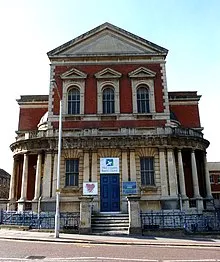
The BMA was born on July 19, 1832, at the Worcester Infirmary. Its founder, Sir Charles Hastings, envisioned a "Provincial Medical and Surgical Association" that would bridge the gap between fragmented medical practitioners. In 1856, it officially became the British Medical Association.
Throughout the 20th century, the BMA played a pivotal role in the creation of the National Health Service (NHS) in 1948. While initially cautious about the administrative structure, the BMA ensured that professional clinical independence remained at the heart of the service. Over nearly two centuries, the association has grown from a networking group into a sophisticated organization with over 500 employees, headquartered at the historic BMA House in London.
The BMA as a Trade Union: Protection and Power
The BMA is the only registered trade union in the UK dedicated exclusively to doctors and medical students. Its role as a collective bargaining agent is perhaps its most high-profile function.
Contract Checking and Employment Advice
For individual members, the BMA provides an essential safety net. The Employment Advice Service handles over 40,000 cases annually, offering:
-
Contract Verification: Ensuring new employment contracts meet national standards and don't include exploitative clauses.
-
Pay Disputes: Correcting underpayment issues and ensuring "exception reporting" is handled fairly for resident doctors.
-
Representation: Providing expert accompaniment in disciplinary hearings or grievance procedures.
National Pay Negotiations
The BMA is the primary negotiator with the government regarding doctors' pay and working conditions. In recent years, the association has been at the forefront of the "Full Pay Restoration" campaign, fighting to reverse the real-terms pay erosion experienced by the profession over the last decade.
World-Class Clinical Resources: The BMJ and Beyond
Membership in the BMA isn't just about protection; it’s about professional excellence.
The BMJ (British Medical Journal)
A wholly-owned subsidiary of the BMA, The BMJ is one of the world’s most influential medical journals. It provides members with:
-
Peer-reviewed research that shapes clinical guidelines globally.
-
Continuous professional development (CPD) modules.
-
Career advice and job listings via BMJ Careers.
The BMA Library
Located at BMA House, this is one of the most comprehensive medical libraries in Europe. Members enjoy:
-
Access to thousands of e-books and e-journals (including The Lancet and Nature).
-
Research assistance from expert librarians.
-
ClinicalKey access, providing point-of-care tools for diagnosis and treatment.
Advocacy and Public Health: Shaping the Nation's Health
The BMA leverages its "collective voice" to influence government policy on issues that extend far beyond the doctor's office.
-
Tobacco and Alcohol Control: The BMA was instrumental in lobbying for the smoking ban in public places.
-
NHS Funding: Continual advocacy for sustainable investment in the healthcare system to reduce waiting lists and improve patient safety.
-
Medical Ethics: The BMA’s Ethics Department is a global leader in defining the boundaries of modern medicine, from end-of-life care to the use of AI in healthcare.
-
Climate Change: Promoting sustainable practices within the NHS, aligning with their ISO 14001 certification.
Supporting the Journey: From Medical Student to Retirement
The BMA offers a tailored "professional journey" for every stage of a medical career.
Medical Students
Students receive specialized support, including exam preparation tools like BMJ OnExam, wellbeing services, and guidance on choosing a specialty through the Specialty Explorer tool.
International Medical Graduates (IMGs)
Recognizing the vital contribution of overseas doctors, the BMA offers a "New to the UK" support package, including a free first year of membership for eligible IMGs, helping them navigate the complexities of the NHS and UK immigration law.
Retired Members
The BMA ensures that retired doctors remain a valued part of the community, offering a reduced subscription rate and opportunities to mentor younger colleagues.
Wellbeing: Caring for the Caregivers
The mental health of doctors is a top priority. The BMA provides a 24/7 confidential counselling line and peer support services. These services are available to all doctors and medical students, regardless of membership status, reflecting the BMA’s commitment to the entire profession’s health.
BMA House: A Sustainable Landmark
BMA House in Tavistock Square is more than just an office. It is an award-winning, sustainable event venue (ISO 14001) that offers members:
-
A dedicated Member Lounge for working and networking.
-
Private meeting rooms and free Wi-Fi.
-
Beautiful gardens and historic architecture near Euston Station.
Financial and Membership Logistics
As a non-profit organization, the BMA reinvests its income—primarily from membership subscriptions—back into member services.
-
Payment Methods: Membership is typically paid via Direct Debit (monthly or annually), though credit cards and bank transfers are also accepted.
-
Tax Deductibility: BMA subscriptions are generally tax-deductible for UK taxpayers, effectively reducing the net cost of membership.
-
Registration: Trade Union Number 144T.
Global Influence and Partnerships
The BMA does not work in isolation. It is a key member of:
-
The World Medical Association (WMA)
-
European Junior Doctors (EJD)
-
The Academy of Medical Royal Colleges (AoMRC)
These partnerships ensure that the BMA has a seat at the table when global health crises or international medical standards are discussed.
Why the BMA Matters
In an era of rapid change and increasing pressure on the healthcare sector, the British Medical Association serves as the essential partner for doctors. By combining the power of a trade union with the prestige of a professional society, the BMA ensures that the medical profession remains strong, protected, and empowered to deliver the excellence in clinical care that the nation depends on.
Frequently Asked Questions
1. Who can join the British Medical Association?
Membership is open to all doctors and medical students in the UK, as well as international medical graduates currently practicing or seeking to practice in the UK.
2. Is the BMA part of the NHS?
No. The BMA is an independent professional association and trade union. It often negotiates with the NHS (and the government) but is entirely separate from it.
3. What is the difference between the BMA and the GMC?
The BMA is a trade union that supports and represents doctors. The General Medical Council (GMC) is the regulator that maintains the official register of doctors and sets standards for medical education and practice.
4. How does the BMA help with my contract?
Members can submit their employment contracts to the BMA’s legal experts for a full review to ensure the terms are fair, legal, and in line with national agreements.
5. Can I get a discount on my BMA membership?
Yes. The BMA offers reduced rates for medical students, retired doctors, those on lower incomes, and international doctors in their first years in the UK.
6. Does BMA membership include access to The BMJ?
Yes, BMA members receive full online access to The BMJ as part of their subscription, along with other clinical tools like BMJ Learning.
7. Can the BMA help with GMC investigations?
Yes. The BMA provides a Doctor Support Service that offers confidential, emotional, and peer support for doctors undergoing fitness to practice procedures.
8. Is my BMA subscription tax-deductible?
In most cases, yes. Professional subscriptions like the BMA are usually eligible for tax relief in the UK. You can claim this via your P87 form or self-assessment.
9. Where is BMA House located?
BMA House is located at Tavistock Square, London, WC1H 9JP, within walking distance of Euston and King's Cross stations.
10. How do I contact BMA Member Support?
You can reach Member Support Services at +44 (0)300 123 1233 or email them at support@bma.org.uk.

Top Categories
- Business Services 137
- Educational Services 93
- Event Organiser 45
- Health and Wellbeing 17
- Advertising Agencies 16
- Home and Garden 13
- Automotive 13
- Manufacturing Services 8
- Engineering 8
- Entertainment Services 5
- Legal Services 4
- Financial Services 4
- Gardening Services 4
- Accountants 2
- Cleaning Services 2
Top Viewed Articles




Spread the Word
Know someone who would love this? Share it with them!