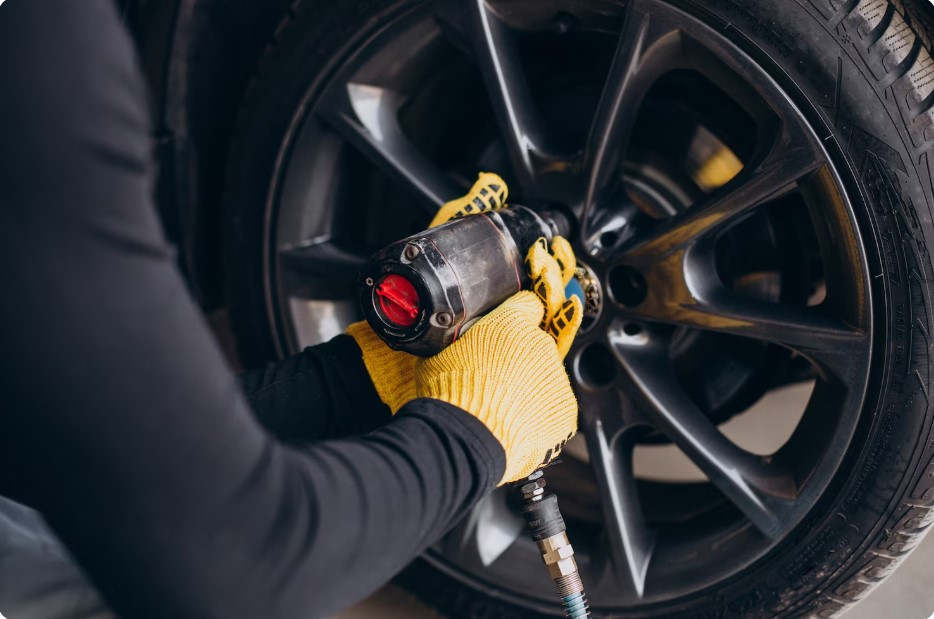
A Tyre Pressure Monitoring System (TPMS) is used to monitor tyre inflation pressure. But problems with alignment can also cause an abnormal loss of pressure, uneven tyre wear and repeated TPMS alarms.
What Is Meant by Wheel Alignment?
The wheel alignment is the way the wheels are set in the vehicle and across the road. A tyre can roll and sit off track due to incorrect camber, caster or toe angles. This can occur when hitting a pothole, kerb or road obstacle or due to worn suspension parts.
Tires Can Experience Uneven Wear Which Can Impact Pressure
The ineffective wheel alignment can lead to uneven wear and tear on tyres. This irregular wear could alter how the tyre touches the ground, and can also generate more heat when driving.
There Can Be Issues with Alignment That May Result in Pressure Loss
A TPMS sensor should not typically fail due to poor alignment or installation. However, if there is misalignment, it can lead to uneven tyre wear or strain on tyres and wheels. There is a serious damage can cause punctured tires.
It is due to the loss of air pressure, the TPMS warning light may come on after a while. If the warning keeps coming up after the correct pressure is achieved then it is advisable to test the tyre, wheel and alignment. It is best instead of continuing to add air to the tyre.
Why Different Tyres May Show Different Readings
When one of the wheels is misaligned, the tyre may be able to grip the road differently than the other tyres and wear differently. This can lead to various operating temperatures and pressure changes.
It is therefore possible to have some discrepancies between the numbers on your TPMS. But if there is a big difference or the pressure remains high. It is always worth checking as it may be due to a puncture, valve fault, sensor fault or incorrect tyre pressure.
When To Check Alignment And TPMS?
If your TPMS warning keeps coming up and your vehicle pulls to one side then your steering wheel is not centred or you. Then you see uneven tyre wear and you may want to check both tyre pressures and wheel alignment.
Tyre service professionals can measure the actual PSI, inspect tyres and wheels, test TPMS sensors and measure wheel alignment.
Final Thoughts
While wheel alignment does not directly affect the tyre pressure monitor sensors readings, incorrect wheel alignment will result in tyre wear, temperature variance and possible loss of pressure. If the TPMS warning is recurring, it could be a sensor problem or it could be a tyre or alignment problem.
Routine tyre pressure checks, TPMS inspections and wheel alignment checks can help to minimize tyre wear, ensure safe handling and reliable pressure monitoring.