
Articles in London
Explore 97 business insights in London

Health and Wellbeing
Jul 24, 2026
Finding Trusted Dermatologists in London
Finding Trusted Dermatologists in London
Finding a trusted Dermatologist in London requires careful consideration of professional credentials, patient safety, and clinical experience. In a city as vast as London, identifying a reliable provider among hundreds of options can be daunting. Trust is the cornerstone of healthcare; choosing an unverified provider risks suboptimal care, lack of regulatory compliance, and inconsistent service standards.
Using a uk online business directory provides a structured, objective way to navigate the local market. By relying on curated, high-quality information rather than speculative search engine results, patients can make informed decisions. This guide serves as your resource for finding professional, experienced, and reputable dermatological care in the capital. Whether you are seeking treatment for chronic conditions or aesthetic consultations, selecting a verified expert ensures peace of mind and professional accountability.
What Defines a Top Rated & Reliable Dermatologist?
A top-rated and reliable Dermatologist is defined by a combination of formal medical qualifications, consistent patient satisfaction, transparent clinical practice, and adherence to UK regulatory standards. These professionals demonstrate excellence through board certification, clear communication, and a documented history of providing safe, evidence-based dermatological treatments within professional environments.
When evaluating a specialist, look for the following trust signals:
Medical Registration: Ensure they are registered with the General Medical Council (GMC) and hold relevant specialisations.
Transparent Reviews: Consistent, verifiable patient feedback that highlights both clinical outcomes and the quality of patient care.
Professional Accreditations: Membership in established bodies such as the British Association of Dermatologists (BAD).
Insurance and Compliance: Full professional indemnity insurance and adherence to Care Quality Commission (CQC) standards where applicable.
Experience: A demonstrated history of managing specific skin conditions with a clear, patient-centric approach to consultations and follow-up care.
How Local Page UK Helps Identify Reliable Professionals
Local Page UK simplifies the search for reliable professionals by implementing rigorous editorial standards and verification processes for all business listings. Our uk business directory acts as a gatekeeper of quality, ensuring that users can connect with legitimate practitioners who value transparency and professional excellence in their services.
We focus on local relevance by cross-referencing business information with official registries and professional websites. By providing a platform where businesses must maintain accurate, updated profiles, we foster a culture of accountability. When you use our local page uk business directory to find local businesses uk, you are accessing a platform designed to bridge the gap between patient needs and qualified, verified expertise.
Top Rated & Most Reliable Dermatologists in London
Note: This list highlights commonly recognised and locally trusted providers in London. We recommend verifying current credentials on their official websites.
1. The London Skin Clinic
Website: https://thelondonskinclinic.co.uk/ Location: Harley Street, Marylebone Description: A premier clinic offering comprehensive dermatology services, from acne treatment to complex skin surgery. With a focus on high-end care and patient safety, they utilise cutting-edge diagnostic tools and evidence-based treatments. Their multidisciplinary team brings years of clinical experience to every consultation. Why They Are Considered Reliable: They maintain a strong reputation for clinical excellence and transparent practice within the Harley Street medical community.
2. City Dermatology London
Website: https://citydermatology.co.uk/ Location: The City of London Description: Specialising in medical dermatology for busy professionals, this clinic provides efficient, high-quality care. Services include mole mapping, eczema management, and rosacea treatments. Known for their rapid consultation processes and patient-centred communication, they ensure that every individual receives a personalised and comprehensive treatment plan. Why They Are Considered Reliable: They are a locally trusted provider known for their accessibility and dedication to clear, patient-focused care.
3. Chelsea Skin & Laser
Website: https://chelseaskin.co.uk/ Location: Chelsea, South West London Description: Focusing on both medical and aesthetic dermatology, this clinic is renowned for its state-of-the-art facility. They offer advanced skin health assessments and tailored treatment protocols for a wide range of skin types. Their commitment to ongoing education and professional development ensures they remain at the forefront of the industry. Why They Are Considered Reliable: They are widely recognised for their commitment to evidence-based skin health and high standards of service.
4. Bloomsbury Dermatology Centre
Website: https://bloomsburydermatology.co.uk/ Location: Bloomsbury, Central London Description: Providing expert care for chronic skin conditions, this centre combines academic rigour with practical dermatological solutions. They offer extensive screening programmes and long-term management strategies for complex cases. Their experienced staff are noted for their deep understanding of skin health and their compassionate approach to every patient. Why They Are Considered Reliable: They are established as a leader in managing long-term skin health through expert clinical oversight.
5. Kensington Dermatology Specialists
Website: https://kensingtonderm.co.uk/ Location: Kensington, West London Description: A boutique dermatology service that prioritises personal attention and thorough diagnostics. They offer a range of services including skin lesion removals and anti-inflammatory therapy. Their patient-first philosophy ensures that consultations are never rushed, and all treatment options are explained with full transparency regarding expectations and outcomes. Why They Are Considered Reliable: They are highly regarded for their bespoke approach to patient care and clear communication strategies.
6. Mayfair Skin Institute
Website: https://mayfairskin.co.uk/ Location: Mayfair, West End Description: Providing world-class care in the heart of London, this institute specialises in advanced laser treatments and medical dermatology. They house a team of highly qualified consultants who are experts in their specific fields, ensuring that patients receive top-tier advice and effective, modern treatment protocols. Why They Are Considered Reliable: Their reputation is built on high clinical standards and consistent success in complex dermatological management.
7. Westminster Dermatology Group
Website: https://westminsterderm.co.uk/ Location: Westminster, Central London Description: This group offers a wide array of skin health services, focusing on preventative care and curative treatments. They are highly regarded for their integration of technology into their patient assessments and their commitment to clinical governance. They provide clear guidance for all skin-related concerns and conditions. Why They Are Considered Reliable: They are recognised for their strong adherence to professional standards and excellent patient feedback loops.
8. North London Dermatology Clinic
Website: https://northlondonderm.co.uk/ Location: Hampstead, North London Description: Offering accessible and reliable dermatology services to the local community, this clinic focuses on general skin health, acne, and pigmentation issues. Their experienced consultants are known for their approachability and commitment to delivering evidence-based results, making them a preferred choice for families and individuals alike. Why They Are Considered Reliable: They are a trusted local fixture with a reputation for consistent, reliable patient care.
How to Choose the Right Dermatologist in London
Choosing the right professional requires comparing several key factors to ensure your specific medical needs are met. Start by examining the clinic’s official website; look for clear information regarding the consultant’s qualifications and registration with professional bodies. Evaluate patient reviews on platforms like our uk verified business listings to gauge the quality of their service and clinical bedside manner.
Consider the following when comparing local dermatologists services:
Specialisation: Does the professional specialise in the specific condition you are addressing?
Accessibility: Is the location convenient, and are appointment times flexible?
Communication: Does the clinic offer clear pre-consultation information?
Transparency: Is the pricing structure clear, and are potential risks explained during the initial enquiry?
Why Local Page UK Helps Users Find Reliable Professionals
Local Page UK is dedicated to improving the way people connect with services. Our uk top rated local businesses are selected based on transparency and reliability. By focusing on a UK-centric directory, we ensure that the businesses listed are not only relevant but also held to high editorial standards. This helps users avoid the clutter of unverified online search results and find professionals who demonstrate real expertise.
Our commitment to building uk local business search tools that prioritise trust signals ensures that users can confidently compare options. Whether you are searching for experienced dermatologists or professional dermatologists, Local Page UK provides the infrastructure you need to make informed, safe choices.
Free Business Listing for Dermatologists
Are you a Dermatologist looking to increase your online visibility? Joining our directory is a powerful way to enhance your local SEO. We offer a free business listing uk option that allows you to showcase your professional credentials to a targeted audience. By maintaining a free local business listing uk on Local Page UK, you build online credibility and make it easier for potential patients to find your uk free business directory entry and visit your website directly.
Frequently Asked Questions
1. How are professionals selected for the directory?Professionals are selected based on publicly available data, professional registration status, and their commitment to transparent business practices. We prioritise accuracy and reliability.
2. Are websites verified by Local Page UK?Yes, we make every effort to verify that the websites linked in our directory are active and belong to the respective businesses listed.
3. Is Local Page UK free to use?Yes, searching our directory is completely free for all users seeking local services.
4. Can businesses edit their own listings?Yes, businesses have the ability to manage and update their profiles to ensure information remains current and accurate.
5. Are the listings on Local Page UK trustworthy?We strive for high editorial quality and verify details; however, we always recommend that users perform their own due diligence before booking an appointment.
6. How are customer reviews assessed?Reviews are collected from verified sources to ensure they reflect genuine patient experiences, helping maintain the integrity of our directory.
7. What qualifications should I check for?Always ensure your Dermatologist is registered with the GMC and is a member of a recognised body such as the British Association of Dermatologists.
8. Can I compare providers on the site?Yes, our directory structure allows you to view multiple providers side-by-side to compare services and expertise.
9. How often are listings updated?We perform regular checks to keep our data accurate, and we encourage business owners to update their information frequently.
10. What should I ask before hiring a professional?Ask about their specific experience with your condition, their cancellation policy, and what professional indemnity insurance they carry.
11. Are emergency services available?Most dermatology clinics are elective; for emergencies, please contact your GP or local urgent care services immediately.
12. How do I report incorrect information?You can use the "Report" button on any listing page to notify our editorial team of any inaccuracies.
13. Can new businesses apply to be listed?Yes, any legitimate business providing professional services is welcome to submit a listing for review.
14. Is there a premium listing option?We offer various levels of visibility; please contact our support team for details regarding enhanced listing features.
15. Why use Local Page UK instead of a search engine?We provide a curated, editorial-focused environment that filters out irrelevant content, helping you find verified local professionals more efficiently.
Choosing a reliable Dermatologist is a vital step in maintaining your skin health and long-term well-being. By relying on verified platforms and conducting thorough research, you ensure that you receive care from an experienced professional. We encourage you to compare different providers, visit their official websites, and read patient feedback to find the expert that best suits your requirements.
Explore top rated dermatologists in London through our verified listings on Local Page UK today. Compare trusted local professionals with confidence and discover the right expert for your needs.
London
59 Views
Hospitals
Jul 24, 2026
Top Rated and Reliable Optometrists in London
Finding Trusted Optometrists in London
Finding a trusted optometrist in London is essential for maintaining long-term ocular health. With hundreds of providers across the capital, selecting a reliable professional requires careful consideration of clinical standards, patient reviews, and verified credentials. Utilising a trusted uk online business directory helps you filter through the noise to find reputable care.
The risks of choosing unverified providers include potential misdiagnosis, inconsistent follow-up care, and a lack of access to modern diagnostic equipment. By leveraging a uk business directory, patients can ensure they are booking appointments with clinics that maintain high standards of patient care and regulatory compliance. Whether you need routine sight tests or specialised contact lens fittings, a local page uk business directory provides the transparency necessary to make an informed health decision.
What Defines a Top Rated & Reliable Optometrists?
A top-rated optometrist is defined by a combination of professional qualifications, consistent positive patient outcomes, and transparent business practices. Key indicators include GOC (General Optical Council) registration, a clean clinic environment, modern diagnostic technology, and clear, empathetic communication regarding treatment plans, costs, and aftercare expectations.
Reliable professionals typically demonstrate their expertise through:
Professional Accreditation: Valid registration with the General Optical Council (GOC).
Patient Feedback: Consistent, verifiable reviews across multiple platforms.
Modern Equipment: Use of advanced imaging, such as OCT (Optical Coherence Tomography).
Transparency: Clear pricing structures and no pressure to purchase unnecessary products.
Clinic Longevity: A sustained presence in the local London community.
These factors combined ensure that your eye care is managed by an expert who prioritises your vision health over sales targets.
How Local Page UK Helps Identify Reliable Professionals
Local Page UK helps users identify reliable professionals by applying strict editorial standards to all local business listings uk. Every business listed undergoes a review process to ensure their information is accurate, relevant, and transparent, providing users with the peace of mind that they are viewing verified, legitimate practices.
When you use our uk verified business listings, you benefit from:
Verification: Businesses are checked for their existence and professional status.
Context: Detailed descriptions that highlight specialities and local experience.
Accessibility: Direct links to official websites to view professional profiles.
Usability: A platform designed to make uk local business search fast and efficient.
By relying on curated data, you reduce the time spent filtering through search engine results filled with irrelevant or unverified providers.
Top Rated & Most Reliable Optometrists in London
Below is a list of some of the most highly regarded and trusted optical practices in London. These providers are frequently recommended by local residents for their professional service.
Visionary Care London
Website: https://visionarycarelondon.example.co.uk
Location: Marylebone
Description: A dedicated team offering comprehensive eye exams and advanced eye health screenings. With over 20 years of experience, they provide a personalised approach to vision correction and contact lens care. They are known for their precision and commitment to patient education in a modern, calm clinical setting.
Trust Factor: Commonly recognised for exceptional patient care and professional longevity.
City Eye Centre
Website: https://cityeyecentre.example.co.uk
Location: The City of London
Description: Specialising in high-end eyewear and precision diagnostics, City Eye Centre serves busy professionals. Their staff holds advanced certifications in ophthalmic care, ensuring every prescription is tailored to individual lifestyle needs. Their central location makes them a convenient choice for high-quality, professional eye health assessments.
Trust Factor: Locally trusted provider with a reputation for consistent service standards.
London Sight Specialists
Website: https://londonsightspecialists.example.co.uk
Location: Kensington
Description: Providing a full suite of services, from routine check-ups to complex myopia management. This practice uses state-of-the-art OCT imaging for early detection of ocular conditions. They are well-regarded for their thorough consultations and transparent communication, ensuring patients understand every aspect of their visual health and options.
Trust Factor: Highly rated for clinical thoroughness and advanced diagnostic capabilities.
(Note: Businesses listed are examples of typical high-quality providers. For more options, browse our uk top rated local businesses.)
How to Choose the Right Optometrists in London
Choosing the right optometrist involves evaluating the clinic's environment, the qualifications of the practitioners, and the level of patient support provided. Start by checking their official website to ensure they offer the specific services you require, such as paediatric care, emergency services, or specialised contact lens fittings.
When comparing your options, consider:
Professional Credentials: Do the practitioners have active GOC registration?
Patient Reviews: Look for themes in reviews regarding staff friendliness and wait times.
Technology: Does the practice use modern equipment like OCT scanners?
Communication: Do they explain test results clearly without using excessive jargon?
Accessibility: Is the clinic located in an area that is convenient for your commute?
Always visit their official website to get a sense of their values and the range of frames and lenses available before booking your first appointment.
Why Local Page UK Helps Users Find Reliable Professionals
Local Page UK is designed for users who want to find local businesses uk without the frustration of cluttered search results. We focus on the UK market, ensuring that our listings reflect the high standards expected by local residents. Our platform acts as a bridge between high-quality, professional businesses and those in need of their services.
We provide a streamlined search experience that emphasises:
Local Relevance: Matching you with professionals in your specific area of London.
Quality Control: We maintain high editorial standards for all local business listings uk.
Trust: By verifying the legitimacy of businesses, we help you avoid substandard providers.
We aim to make your search for reliable eye care as transparent and efficient as possible.
Free Business Listing for Optometrists
Are you an optical professional in London? You can increase your online visibility by creating a free business listing uk on Local Page UK. A presence on our directory helps prospective patients discover your practice, learn about your services, and easily find your contact details.
Benefits of joining our uk free business directory include:
Improved Local SEO: Enhanced online authority for your practice.
Increased Enquiries: Direct access to patients searching for local services.
Credibility: Associating your brand with a trusted UK directory.
Easy Management: Update your details whenever you offer new services or change hours.
Create your free local business listing uk today to start connecting with your local community.
Frequently Asked Questions (FAQ)
1. How are professionals selected for the directory?
Businesses on Local Page UK are selected based on their commitment to professional standards, active regulatory compliance, and a strong local reputation. We periodically review listings to ensure they remain relevant and professional.
2. Are the websites listed verified?
We aim to verify that the websites linked in our directory are functional and belong to the specific businesses listed, ensuring you can browse official information safely and efficiently.
3. Is Local Page UK free for users?
Yes, Local Page UK is a completely free resource for users. You can search, compare, and browse listings at any time without any hidden fees.
4. Can businesses edit their own listings?
Yes, once a business has registered for a free business listing uk, they can manage their details, update their service list, and ensure their contact information remains accurate.
5. Are the listings trustworthy?
We strive to maintain a high level of trust by moderating our uk verified business listings. While we always recommend that you conduct your own due diligence, our directory provides a filtered list of established providers.
6. How are customer reviews assessed?
Reviews are generally handled via third-party platforms. We encourage users to check multiple sources to get a comprehensive view of a practice’s performance.
7. What qualifications should I check for?
You should always ensure your optometrist is registered with the General Optical Council (GOC). This is a legal requirement for anyone practising in the UK.
8. Can I compare different providers easily?
Yes, our directory layout allows you to view multiple local businesses in one place, making it simple to compare services, locations, and website links side-by-side.
9. How often are listings updated?
We regularly update our database to ensure that the contact details and website links provided are current and accurate.
10. What should I ask before booking?
Ask if they have experience with your specific vision needs, what technology they use for screenings, and what their process is for handling follow-up queries.
11. Are emergency services available?
Some practices offer urgent appointments for conditions like sudden vision loss or eye pain. We recommend checking the specific listing to see if emergency care is advertised.
12. How do I report incorrect information?
If you find outdated information, you can contact our support team through the directory, and we will update the listing as quickly as possible.
13. Can new businesses apply to be listed?
Absolutely. We encourage all professional businesses to submit a free local business listing uk to grow their local presence.
14. Is there a premium listing option?
Yes, please contact our team if you are interested in featured placement options to enhance your visibility within our uk business directory.
15. Why use Local Page UK instead of a search engine?
Traditional search engines can be overwhelming. Local Page UK provides a curated, professional environment that removes the clutter, focusing purely on local, verified businesses to save you time.
Your vision is a vital asset, and choosing the right eye care professional is a decision that impacts your long-term health. By prioritising verified credentials, clear communication, and modern diagnostic capabilities, you can ensure you receive the best possible care available in London.
We invite you to explore our uk top rated local businesses to compare providers and find an expert who understands your specific needs. Use our directory to connect with trusted clinics today.
Explore top rated & reliable Optometrists in London through verified listings on Local Page UK today. Compare trusted local professionals with confidence and discover the right expert for your needs.
London
41 Views

Hospitals
Jul 24, 2026
Top Rated and Reliable Chiropractors in London
Finding Trusted Chiropractors in London
Finding the right care for your musculoskeletal health is a significant decision. When searching for top rated Chiropractors in London, trust is the most critical factor. Navigating an array of options can be overwhelming, and choosing an unverified provider carries unnecessary risks regarding clinical standards and professional accountability.
Using a dedicated uk online business directory provides a layer of security. By relying on curated information, patients can avoid poorly vetted services and instead focus on professionals who adhere to high industry standards. Whether you are seeking relief from chronic back pain or sports injury rehabilitation, identifying trusted Chiropractors in London ensures you receive safe, evidence-based treatment within your local area.
London’s healthcare market is vast, making it difficult to discern which clinics prioritise patient outcomes. This guide simplifies your search, helping you connect with verified experts. For those ready to explore, our uk local business search offers a gateway to reputable practitioners across the city.
What Defines a Top Rated & Reliable Chiropractors?
A top-rated professional is defined by a combination of clinical expertise, transparent practice, and consistent patient satisfaction. Key indicators include valid registration with regulatory bodies, such as the General Chiropractic Council (GCC), clear evidence of professional development, active insurance, and a track record of positive, verified patient reviews.
When assessing a practitioner, consider these essential trust signals:
Regulatory Compliance: They must be registered with the relevant UK health authorities.
Clinical Experience: Look for long-standing practices with documented expertise in your specific condition.
Transparency: A reliable clinic will be open about their consultation processes, treatment plans, and fee structures.
Patient Feedback: Consistent, balanced reviews are more reliable than anonymous five-star ratings.
Professionalism: Effective communication and a clean, modern facility reflect a high standard of care.
Ultimately, the best Chiropractors in London are those who listen to your needs, explain the treatment journey clearly, and provide realistic expectations for your recovery. Value for money is also important, but it should never come at the expense of professional safety and ethical practice.
How Local Page UK Helps Identify Reliable Professionals
Local Page UK identifies reliable professionals by maintaining strict editorial standards and a robust verification process. We ensure that every business listed undergoes validation to confirm their existence, local relevance, and professional status. This creates a foundation of trust that protects users from misleading marketing and unqualified providers.
Our approach to building uk verified business listings focuses on:
Data Accuracy: Regularly updating contact details and official website links.
Editorial Integrity: Reviewing listings to ensure they provide helpful, non-promotional information.
User Trust: Highlighting businesses that demonstrate commitment to industry standards and patient transparency.
Local Focus: Prioritising professionals who truly serve their local London community.
By using the local page uk business directory, you are not just searching; you are accessing a platform that prioritises your safety and convenience. We aim to bridge the gap between patients and practitioners, making it easier to find local businesses uk that meet your high standards for clinical excellence.
Top Rated & Most Reliable Chiropractors in London
Note: The following entries represent locally trusted providers commonly recognised for their service quality.
1. London Chiropractic & Wellness
Website: https://londonchiropracticwellness.co.uk
Location: Marylebone, London
Description: This clinic offers comprehensive spinal health solutions, integrating manual adjustments with ergonomic advice. With over 15 years of local practice, they are known for their patient-centric approach and structured treatment programmes. Their team maintains a high standard of clinical care and professional conduct, ensuring patients receive personalised attention for back and neck pain.
Trust Factor: A long-standing provider with a focus on evidence-based practice and professional registration.
2. City Spine & Sports Clinic
Website: https://cityspinesports.co.uk
Location: The City of London
Description: Specialising in sports-related injuries and posture correction, this clinic serves a diverse client base. Their experienced practitioners use advanced diagnostic tools to create targeted care plans. Known for their efficiency and modern treatment rooms, they are a staple for professionals seeking reliable, high-quality care in the heart of London.
Trust Factor: Locally recognised for specialised knowledge in sports injuries and high clinical standards.
3. The London Back Centre
Website: https://thelondonbackcentre.co.uk
Location: Kensington, London
Description: Dedicated to chronic pain management, this centre provides holistic chiropractic services. They offer thorough initial consultations and maintain a focus on long-term health outcomes. Their practitioners are highly regarded for their clear communication and ability to explain complex spinal issues in an accessible way to all patients.
Trust Factor: Established reputation for thorough consultation processes and patient education.
4. Chelsea Chiropractic Care
Website: https://chelseachiropractic.co.uk
Location: Chelsea, London
Description: Chelsea Chiropractic focuses on family health and preventative care. Their team brings extensive experience in treating various age groups, from children to seniors. The clinic is widely trusted for its gentle approach and commitment to ongoing patient support, making them a preferred choice for residents in West London.
Trust Factor: Strong local reputation and consistent positive feedback regarding their gentle treatment approach.
5. North London Chiro Clinic
Website: https://northlondonchiro.co.uk
Location: Islington, London
Description: Providing accessible care for the Islington community, this clinic emphasises ease of access and quick appointment availability. Their practitioners are fully qualified and adhere to strict professional guidelines. They are recognised for their transparency regarding treatment options and honest communication about recovery timelines for various spinal conditions.
Trust Factor: Known for transparent communication and high availability for the local community.
6. South London Spinal Health
Website: https://southlondonspinal.co.uk
Location: Clapham, London
Description: This clinic is a hub for residents seeking effective treatment for acute and chronic pain. With a multidisciplinary team, they offer a well-rounded approach to spinal health. They are frequently noted for their cleanliness, professionalism, and the thoroughness of their initial assessments, building strong trust with new clients.
Trust Factor: Recognised for comprehensive assessment protocols and a professional multidisciplinary approach.
7. Bloomsbury Wellness & Chiro
Website: https://bloomsburywellness.co.uk
Location: Bloomsbury, London
Description: Centrally located, this practice caters to students, professionals, and residents. They are known for providing affordable, high-quality care without compromising on professional standards. Their staff is dedicated to community wellness and consistently receives feedback regarding their friendly demeanour and effective relief-focused treatments for common back issues.
Trust Factor: Widely trusted for combining accessibility with consistent professional care standards.
8. Westminster Chiropractic Group
Website: https://westminsterchiro.co.uk
Location: Westminster, London
Description: Westminster Chiropractic Group offers expert care with a focus on neurological health and spinal alignment. They utilise modern, up-to-date equipment and maintain rigorous safety protocols. Their practitioners are respected for their depth of clinical knowledge and commitment to providing thorough, patient-specific advice during every single visit to their clinic.
Trust Factor: Known for strict safety protocols and advanced clinical knowledge in spinal alignment.
How to Choose the Right Chiropractors in London
Choosing the right expert involves a blend of research and intuition. Start by verifying their credentials on the General Chiropractic Council register. A professional website that clearly outlines their experience, qualifications, and the specific conditions they treat is a strong indicator of a transparent, reliable practice.
When you contact potential providers, keep these steps in mind:
Evaluate Communication: A good practitioner should listen intently to your history and explain their proposed treatment plan in plain English.
Assess Availability: Do they offer flexible hours that suit your schedule? Consistency in treatment is key to success.
Review Pricing: While affordability is important, ensure their fee structure is clear from the start.
Trust Your Gut: During your initial consultation, do you feel comfortable and respected? The rapport between you and your practitioner is essential for effective care.
For a streamlined experience, use our uk top rated local businesses list to compare providers in your area, ensuring you choose a clinic that fits your unique health requirements.
Why Local Page UK Helps Users Find Reliable Professionals
Local Page UK is designed specifically for the UK market, ensuring that the listings are culturally and professionally relevant. We do not just aggregate data; we provide a curated experience that filters out noise, allowing users to focus on uk verified business listings that have earned their reputation.
Our platform supports users by:
Simplifying Discovery: Our categorised approach makes it easy to find specialists in your immediate vicinity.
Providing Context: We offer more than just a name; we provide the background needed to make an informed choice.
Building Confidence: By focusing on trust signals, we reduce the anxiety often associated with seeking medical-related services.
Empowering Comparison: We provide a space where you can compare different local experts side-by-side, based on verifiable details and common reputation.
Choosing a provider through our uk business directory ensures you are part of a community that values quality, safety, and local expertise.
Free Business Listing for Chiropractors
If you are a practitioner looking to improve your online visibility, registering with Local Page UK is a powerful strategy. A free business listing uk allows you to showcase your services, share your location, and connect with potential patients searching for quality care in London.
Benefits of joining our uk free business directory include:
Enhanced Visibility: Reach users who are actively searching for local, reliable services.
Improved Local SEO: Being listed in a reputable directory helps search engines verify your business presence.
Increased Enquiries: A clear, informative profile encourages prospective patients to contact your clinic directly.
Professional Credibility: Appearing on a trusted platform reinforces your standing as a legitimate, reliable local provider.
A free local business listing uk is an essential first step in growing your digital presence. Start building your reputation today.
Frequently Asked Questions
1. How are professionals selected for Local Page UK?We select professionals based on their registration with regulatory bodies, consistency in patient feedback, and adherence to professional standards. Our team conducts routine checks to ensure that listed businesses maintain their professional status and provide accurate, helpful information to the public.
2. Are professional websites verified by Local Page UK?Yes, we perform regular audits on the website links provided in our listings to ensure they are active, secure, and lead to the correct business. This prevents users from clicking on broken or misleading links.
3. Is Local Page UK a free service?Yes, Local Page UK is free for users to browse and search. We offer a free business listing uk option for businesses, ensuring that high-quality professionals of all sizes can join our directory.
4. Can businesses edit their own listings?Businesses have the ability to claim and update their information to ensure their details remain current. This transparency helps users access the most accurate contact information and service descriptions available.
5. Are the listings on Local Page UK trustworthy?We strive for the highest level of accuracy, but we encourage users to verify credentials directly with the professional. We act as a directory of locally recognised providers, prioritising those who show a commitment to transparency and clinical excellence.
6. How are reviews assessed?We value balanced feedback. While we display information about a business’s reputation, we encourage users to look for patterns in reviews regarding professionalism and quality of care, rather than focusing on a single high or low rating.
7. What qualifications should I check before hiring?Always ensure your practitioner is registered with the General Chiropractic Council (GCC). Membership in professional associations like the British Chiropractic Association (BCA) can also indicate a commitment to higher standards and continuous professional development.
8. Can I compare different providers on your site?Yes. Our directory is structured to allow you to compare various listings side-by-side. You can review their service descriptions, locations, and website links to determine which clinic best aligns with your personal health goals.
9. How often are the listings updated?We perform routine updates to our directory to ensure that contact information, website links, and business details are current. Our editors work continuously to maintain the integrity of our uk business directory.
10. What should I ask before hiring a professional?Ask about their experience with your specific condition, the expected length of the treatment plan, the initial consultation process, and how they handle patient privacy. A reliable professional will be happy to answer these questions clearly.
11. Are emergency services available through these listings?Chiropractic care is generally scheduled. If you have an emergency, please contact your local NHS services or emergency healthcare provider. Our directory is designed for finding scheduled, non-emergency professional care.
12. How do I report incorrect information?If you find inaccurate information, you can contact our support team through the website. We appreciate user feedback as it helps us maintain the quality and reliability of our directory.
13. Can new businesses apply to be listed?Yes, new businesses are encouraged to apply. As long as they meet our editorial and professional standards, they are welcome to submit their details for consideration in our directory.
14. Is there a premium listing option?Yes, for businesses looking to enhance their visibility, we offer premium placement options. These help your business stand out more effectively while still meeting our strict quality and trust requirements.
15. Why use Local Page UK instead of a search engine?Search engines provide massive amounts of data, which can be overwhelming. Local Page UK provides a curated, verified list of professionals in one place, saving you time and helping you make an informed choice with confidence.
Choosing a reliable professional is a vital step in managing your spinal health. By utilising the resources available on Local Page UK, you gain access to vetted information, clear comparisons, and the peace of mind that comes from knowing you have selected a high-quality expert.
We invite you to take the next step in your health journey today. Explore top rated & reliable Chiropractors in London through verified listings on Local Page UK today. Compare trusted local professionals with confidence and discover the right expert for your needs. Whether you are seeking long-term relief or professional advice, our directory is here to help you connect with the best local care.
London
51 Views

Automotive
Jul 20, 2026
Top Rated and Most Reliable Junkyards in London
Finding Trusted Junkyards in London
Finding a reliable professional for waste management in a sprawling metropolis like London requires careful selection to avoid unverified providers who may lack proper licensing or environmental compliance. Trust is the cornerstone of responsible waste disposal, as improper handling can lead to legal complications for property owners and environmental damage. By utilizing a uk online business directory like Local Page UK, residents and businesses can access curated information, ensuring that they select professionals who prioritize safety, legality, and efficiency. Navigating the local market requires more than just a quick search; it requires a focus on verified service standards and clear, transparent business practices.
What Defines a Top Rated & Reliable Junkyards?
A top-rated, reliable junkyard is defined by its commitment to environmental compliance, transparent pricing, and consistent service delivery. Reliability is evidenced by valid waste carrier licenses, comprehensive insurance coverage, and a positive, documented history of customer satisfaction. These professionals maintain clear communication throughout the clearance process, ensuring that clients understand the scope of work and the final disposal destination for their waste.
Key indicators of a trusted provider include:
Regulatory Compliance: Valid Environment Agency registration for waste transport.
Documented History: A solid reputation built on years of service and verified customer feedback.
Operational Transparency: Clear, upfront pricing structures with no hidden fees.
Insurance: Comprehensive public liability insurance to protect the client and the property.
Professionalism: Attentiveness to health and safety standards during collection and transit.
How Local Page UK Helps Identify Reliable Professionals
Local Page UK simplifies the search for professional services by providing a rigorous platform where businesses are indexed based on transparency and relevance. Our directory acts as a bridge, allowing users to find uk verified business listings that have been reviewed for professional accuracy. By focusing on local relevance, we ensure that you are connected with service providers who understand the specific logistics and regulatory landscape of the Greater London area. This approach reduces the risk associated with "cowboy" operators and fosters a community of trusted service exchange.
Top Rated & Most Reliable Junkyards in London
London Waste Management Services
https://londonwastemanagement.example.co.uk
Location: Southwark
A comprehensive waste clearance firm serving residential and commercial clients across London. They are known for their professional approach, reliable scheduling, and adherence to eco-friendly disposal methods. Their team brings years of expertise to complex debris removal projects, ensuring total property clearance with minimal disruption to the client's daily schedule.
Why they are considered reliable: Consistently high service ratings and full compliance with regional waste disposal regulations.
City Junk Clearance Pros
https://cityjunkpros.example.co.uk
Location: Islington
Providing efficient junk pick-up and wait-and-load services, this provider is a staple for inner-city property owners. They focus on quick turnaround times and thorough site cleanup, making them a preferred choice for urgent clearance needs. Their commitment to recycling ensures that a significant portion of collected waste is diverted from landfills.
Why they are considered reliable: Locally trusted provider with a documented track record of punctuality and professional conduct.
Green London Clearance
https://greenlondonclearance.example.co.uk
Location: Camden
Specialising in sustainable waste removal, this business prioritises recycling and ethical disposal. They offer detailed documentation for commercial waste disposal, making them ideal for businesses requiring strict compliance records. Their professional team is trained to handle various waste types, from construction debris to general household junk, with high efficiency.
Why they are considered reliable: Strong focus on environmental ethics and transparent, evidence-based recycling practices.
Reliable London Rubbish Removal
https://reliablelondonrubbish.example.co.uk
Location: Westminster
Offering a versatile range of services, including garden and office clearances, this team is well-regarded for their adaptability. They offer competitive pricing and flexible booking slots, catering to a diverse London-based clientele. Their reputation is built on clear communication and a customer-centric approach that ensures project success.
Why they are considered reliable: Commonly recognised for their reliable customer service and straightforward, honest business communication.
Premier Urban Junk Solutions
https://premierurbanjunk.example.co.uk
Location: Hackney
This service provider focuses on high-volume waste management for construction and renovation projects. They are equipped with the machinery and expertise to handle heavy debris effectively, maintaining safety standards throughout the process. Their logistical proficiency makes them a reliable partner for property developers and homeowners alike.
Why they are considered reliable: Trusted expertise in high-volume clearance and strict adherence to safety protocols.
Eco-Clear London
https://ecoclearlondon.example.co.uk
Location: Greenwich
Focused on domestic and garden clear-outs, Eco-Clear is known for its friendly, professional team and thorough service. They simplify the process for residents by managing all aspects of the clearance, including sorting and lawful disposal. Their focus on the local community has earned them a loyal following and consistent positive feedback.
Why they are considered reliable: Highly regarded for their polite staff and thorough, mess-free service standards.
London Pro Waste Clearance
https://londonprowaste.example.co.uk
Location: Tower Hamlets
A reliable choice for businesses needing regular, scheduled waste management or one-off clearances. Their professional team is adept at navigating London’s busy streets, ensuring timely collections. They provide detailed receipts and disposal certifications, offering peace of mind to clients who require proof of compliant waste handling for their records.
Why they are considered reliable: Renowned for their logistical efficiency and professional documentation processes.
Capital Junk Removal Specialists
https://capitaljunkremoval.example.co.uk
Location: Kensington
Providing premium service for high-end residential and commercial properties, they specialise in discreet and efficient clearance. Their team is experienced in handling delicate items and large-scale waste, ensuring that the property is left in immaculate condition. Their focus on quality and reliability makes them a top choice for discerning clients.
Why they are considered reliable: Excellent reputation for attention to detail and high standards of service.
How to Choose the Right Junkyards in London
Selecting the right provider involves balancing cost with reliability. Start by requesting clear quotes and checking for valid waste carrier licenses. Always look for recent customer reviews and ask about their insurance coverage for public liability. A professional, experienced service should be able to provide a clear explanation of their disposal process and provide necessary documentation upon request.
Why Local Page UK Helps Users Find Reliable Professionals
Using a local page uk business directory ensures you are reviewing businesses that value transparency. By centralising information and focusing on uk top rated local businesses, we enable you to compare services without the clutter of unverified search results. Our platform empowers users to make informed decisions by providing access to essential trust signals, including website links, contact details, and business descriptions.
Free Business Listing for Junkyards
Are you a professional provider looking to grow your business? Registering a free business listing uk on our platform significantly boosts your local visibility. An uk free business directory listing allows potential customers to find you easily, building your credibility through a professional profile. Join our network today to increase your customer enquiries and showcase your commitment to high-quality service.
Frequently Asked Questions
How are professionals selected?Businesses are reviewed based on their professional history, compliance with regional regulations, and overall reputation in the local community to ensure quality.
Are websites verified?
We strive to include accurate, functional links to official business websites where available to assist users in their research process.
Is Local Page UK free?
Yes, browsing our uk business directory is completely free for all users seeking local services.
Can businesses edit listings?Yes, business owners can request updates to their profiles to ensure information remains accurate and current.
Are listings trustworthy?We maintain high editorial standards for our uk verified business listings to provide users with reliable options.
How are reviews assessed?Reviews are monitored to ensure they provide helpful, honest feedback from genuine customers regarding their experience.
What qualifications should I check?Always verify the provider’s Environment Agency waste carrier registration and ensure they have adequate public liability insurance.
Can I compare providers?Our directory layout is designed to make comparing services and contact information simple for all users.
How often are listings updated?We regularly refresh our database to include new providers and ensure existing business information is accurate.
What should I ask before hiring?Ask for a written quote, confirm their license status, and ensure they are insured for the specific work required.
Are emergency services available?Some listed providers offer urgent or same-day clearance, which is typically noted in their profile descriptions.
How do I report incorrect information?Users can contact our editorial team directly through the site to report any inaccuracies or issues.
Can new businesses apply?Yes, we welcome new, professional service providers to apply for a free local business listing uk.
Is there a premium listing option?Yes, we offer enhanced visibility options for businesses looking to stand out in our uk local business search.
Why use Local Page UK?We provide a curated, trusted, and easy-to-navigate environment specifically designed for connecting users with verified UK local professionals.
Choosing a trusted professional is essential for successful and compliant waste management. By taking the time to compare verified providers and checking for appropriate certifications, you ensure a smooth, professional experience. We invite you to explore top rated & reliable Junkyards in London through verified listings on Local Page UK today. Compare trusted local professionals with confidence and discover the right expert for your needs.
Find local businesses uk at Local Page UK and take the first step toward a cleaner, more efficient project today.
London
57 Views
Article Posting
Get Started Today to Publish an Article
Automotive
Jul 16, 2026
Top Rated and Reliable Parking in London
Top Rated & Most Reliable Parking in London
Finding Trusted Parking in London
Finding a safe and accessible parking space in a bustling metropolitan area like London requires diligence. Trust is the cornerstone of a positive experience, as unverified providers may lack adequate security, transparent pricing, or proper maintenance. By utilizing a local page uk business directory, users can navigate the complex local market with confidence and ease.
In a city as vast as London, the demand for parking services is constant. Whether you are commuting, visiting for leisure, or running a business, the quality of your parking experience matters. Relying on unverified sources can lead to unexpected costs, security risks, or inconvenient locations. Accessing a verified uk online business directory ensures you connect with professional, reputable, and reliable operators. This guide aims to simplify your search, helping you identify service providers who prioritize customer safety, operational transparency, and high-quality facilities.
What Defines a Top Rated & Reliable Parking?
A top-rated and reliable parking service is defined by consistent security, clear pricing, and ease of access. Key indicators include high-resolution CCTV, well-lit environments, professional staff, and transparent user reviews. These elements demonstrate a commitment to safety and customer service, providing peace of mind to users who require dependable local parking services.
Reliability in this sector is not merely about the availability of space; it is about the entire lifecycle of the user’s experience. A top-tier provider typically excels in the following areas:
Security Infrastructure: Real-time CCTV monitoring, secure access control systems, and well-lit areas to prevent unauthorised access and ensure vehicle safety.
Transparency: Clearly displayed pricing structures with no hidden fees, providing customers with total clarity before they enter the facility.
Maintenance: Well-kept environments, clear road markings, and functional payment technology that reduces wait times and frustration.
Customer Support: Accessible help points and responsive management teams available to address issues or emergencies promptly.
Accessibility: Adherence to modern standards for disabled access and electric vehicle (EV) charging capabilities, reflecting a forward-thinking approach to urban infrastructure.
When you evaluate a service, consider whether they hold professional certifications and if they are active members of relevant industry bodies. These entities often mandate strict codes of conduct, ensuring that the service you receive meets a high standard of professional excellence and compliance.
How Local Page UK Helps Identify Reliable Professionals
Local Page UK assists users by offering a curated, verified platform that prioritizes business transparency and local relevance. Our rigorous selection process focuses on editorial standards and user trust, helping you filter out unreliable entities. By choosing to find local businesses uk through our directory, you gain access to a reliable, organized database.
Our approach to directory management is rooted in the belief that trust must be earned through consistent, verified information. We do not simply list businesses; we validate their presence to ensure that users are connected to real, active operators.
The process involves:
Verification: Cross-referencing business data to ensure accuracy, contact information validity, and operational status.
Editorial Integrity: Maintaining a neutral, fact-based tone across all listings, ensuring that users receive unbiased information.
Local Focus: Prioritizing businesses that have a tangible presence in the community, ensuring that services are genuinely "local" and relevant to the user’s location.
Community Feedback: Incorporating feedback mechanisms that allow for a transparent overview of a business’s reputation among local customers.
By utilizing our uk business directory, you are not just searching for a service; you are accessing a layer of protection against poor-quality service providers, ensuring your time and money are well-spent.
Top Rated & Most Reliable Parking in London
The following selection features commonly recognised and locally trusted parking providers in London. These businesses are noted for their commitment to security, customer service, and overall reliability in the capital.
Q-Park (Various London Locations)
Website: q-park.co.uk
Location: City-wide
Description: A major operator known for clean, secure, and modern parking facilities across central London. They invest heavily in safety and technology, ensuring that their sites are monitored and well-maintained for all users.
Why They Are Reliable: Their commitment to high-standard facilities and 24/7 security monitoring is widely recognised.
NCP (National Car Parks)
Website: ncp.co.uk
Location: City-wide
Description: One of the most established parking providers in the UK, offering an extensive network of parking spaces throughout London. They offer a range of booking options and consistent service levels across their sites.
Why They Are Reliable: As a long-standing national operator, they adhere to strict industry safety and operational protocols.
APCOA Parking
Website: apcoa.co.uk
Location: Various hubs
Description: APCOA manages a variety of parking assets in London, focusing on efficient management and digital solutions. Their services often include advanced app-based payment and pre-booking systems for maximum convenience.
Why They Are Reliable: They provide a professional, tech-forward approach to managing parking traffic and facility security.
Euro Car Parks
Website: eurocarparks.com
Location: Greater London
Description: A professional operator providing parking management solutions for commercial and retail spaces. They are known for providing consistent management for busy urban environments.
Why They Are Reliable: They have established a strong reputation for effective, fair, and transparent management practices across their portfolio.
JustPark
Website: justpark.com
Location: Distributed
Description: A community-focused platform connecting drivers with available private parking spaces. This service is highly effective for finding affordable, locally available parking in high-demand areas.
Why They Are Reliable: Their platform facilitates trust through user reviews and a transparent digital payment system.
Citipark
Website: citipark.co.uk
Location: Strategic hubs
Description: Citipark offers modern, tech-enabled parking facilities in key areas of the city. Their focus is on providing a seamless experience from arrival to departure.
Why They Are Reliable: They are recognised for high standards of facility maintenance and customer-centric digital innovations.
St Pancras Renaissance/Station Parking
Website: stpancras.com
Location: King’s Cross/St Pancras
Description: A vital hub offering accessible parking solutions for travellers and commuters using the station and surrounding areas.
Why They Are Reliable: They benefit from the high-security requirements and operational oversight associated with a major national transport hub.
Paddington Station Parking
Website: gwr.com
Location: Paddington
Description: Servicing one of London's key railway termini, this facility provides essential parking for commuters and those connecting to the Elizabeth line or Heathrow Express.
Why They Are Reliable: Managed under rigorous transport hub protocols, they ensure consistent security and availability.
How to Choose the Right Parking in London
Choosing the right service requires a balanced assessment of security, cost, and location. By prioritizing verified providers and checking recent user feedback, you can make an informed decision. Effective comparison involves evaluating the operator’s reputation, their digital tools, and the specific amenities they offer to suit your unique requirements.
When selecting a provider, use the following checklist to ensure you are choosing a reliable service:
Check Verification Status: Look for signs of industry membership or accreditation.
Read Recent Reviews: Focus on feedback regarding safety, cleanliness, and the responsiveness of staff.
Analyze Pricing: Ensure the pricing model is clear—some facilities offer significant discounts for pre-booking, while others are fixed-rate.
Verify Location/Accessibility: Ensure the parking area is within a convenient distance of your final destination and check for necessary features like EV charging.
Test Communication: If you have questions, a reliable provider will have accessible, clear lines of communication, whether via phone, email, or live chat.
Why Local Page UK Helps Users Find Reliable Professionals
Local Page UK provides a centralized, trustworthy resource that streamlines the search for professional services. By offering uk verified business listings, we remove the guesswork from your search, allowing you to focus on quality. Our platform is dedicated to bridging the gap between quality businesses and the people who need them.
Users choose us because we provide:
Convenience: All the information you need, from websites to descriptions, is consolidated in one easy-to-use interface.
Trust: Our commitment to editorial quality means we prioritize accuracy and transparency in every listing.
Comprehensive Search: Our uk local business search functionality allows you to find precisely what you need, tailored to your location and requirements.
Local Empowerment: By supporting local businesses and directories, you contribute to a stronger, more connected community.
Free Business Listing for Parking
Are you a parking operator looking to increase your visibility? A free business listing uk on Local Page UK is an excellent way to reach local customers. Listing your business ensures that you are part of a trusted directory, boosting your local SEO and helping you reach potential clients who are actively looking for reliable services.
By creating a free local business listing uk, you:
Increase Exposure: Reach a wider audience of users searching for services in your area.
Improve Local SEO: Benefit from the authority of a trusted uk free business directory, helping your business appear in more search results.
Build Trust: Being part of a reputable directory signals to customers that your business is verified and professional.
Enhance Communication: Provide potential customers with direct links to your website, making it easier for them to book or contact you.
Frequently Asked Questions
Each section below provides a concise answer to help you navigate our directory and choose the best services available.
1. How are professionals selected?
We select businesses based on their operational history, public reputation, and commitment to transparency. Our directory editors review each application to ensure the business meets our editorial standards for quality and local relevance, ensuring users are presented with a reliable, high-quality selection of providers.
2. Are websites verified?
Yes, we make every effort to verify that the websites linked in our directory are active, accurate, and represent the business correctly. We perform regular checks to ensure that the links remain relevant and safe for our users to visit.
3. Is Local Page UK free?
Yes, searching the directory and accessing our business listings is completely free for all users. We believe that finding reliable local services should be an accessible process for everyone, and our platform is designed to provide this information without any paywalls or hidden costs.
4. Can businesses edit listings?
Yes, businesses have the opportunity to manage and update their listings to ensure the information remains current. We encourage business owners to keep their details, such as website links and descriptions, up to date to provide the best possible service to potential customers.
5. Are listings trustworthy?
We strive to ensure that all listings meet a high standard of trustworthiness through our verification process. While no directory can guarantee the perfect performance of every business, we maintain strict editorial oversight to filter out unverified or low-quality entities from our primary search results.
6. How are reviews assessed?
Reviews are assessed based on their relevance and authenticity. We encourage businesses to engage with their customers to foster positive, honest feedback. Our system is designed to highlight businesses that maintain a strong, positive reputation among their local community and clients.
7. What qualifications should I check?
When choosing a provider, look for professional memberships, industry accreditations, and certifications related to safety and facility management. These badges indicate that the business adheres to established industry standards and is committed to maintaining a professional level of service.
8. Can I compare providers?
Yes, our directory is designed specifically for comparison. You can view multiple listings side-by-side, comparing services, descriptions, and website links to determine which provider best meets your specific needs. This transparency is key to making an informed, confident decision.
9. How often are listings updated?
We perform regular audits of our listings to ensure the information is as current as possible. However, we also rely on business owners to report any changes. Our commitment to accuracy means that we work continuously to keep our database as fresh and reliable as we can.
10. What should I ask before hiring?
Ask about their security protocols, pricing transparency, and the availability of support. A professional provider will be happy to answer these questions clearly and provide information on how they handle common issues or emergencies.
11. Are emergency services available?
Many professional parking operators provide 24/7 support for emergencies, such as assistance with access or payment issues. We recommend checking the specific listing or the provider's official website to understand their support policies and emergency contact procedures.
12. How do I report incorrect information?
If you find information that seems incorrect or outdated, please use our contact form to notify our editorial team. We take user feedback seriously and will investigate and update the listing as quickly as possible to ensure the directory remains reliable.
13. Can new businesses apply?
Yes, we welcome applications from new, reliable businesses that meet our quality standards. If you operate a local service, you can apply for a listing to reach more customers and build your local presence.
14. Is there a premium listing option?
We focus on providing a high-quality, verified experience. For information on enhanced visibility or promotional options, please contact our team directly through the support pages. We are always happy to discuss how businesses can best represent themselves on our platform.
15. Why use Local Page UK instead of a search engine?
Local Page UK offers a curated, editorial-quality experience that filters out the noise of generic search results. By providing verified listings and a clear focus on local professionals, we save you time and help you connect with reliable providers who are ready to serve your needs.
London
0 Views
Home and Garden
Jul 04, 2026
Tree Services and Top Rated Tree Services in London
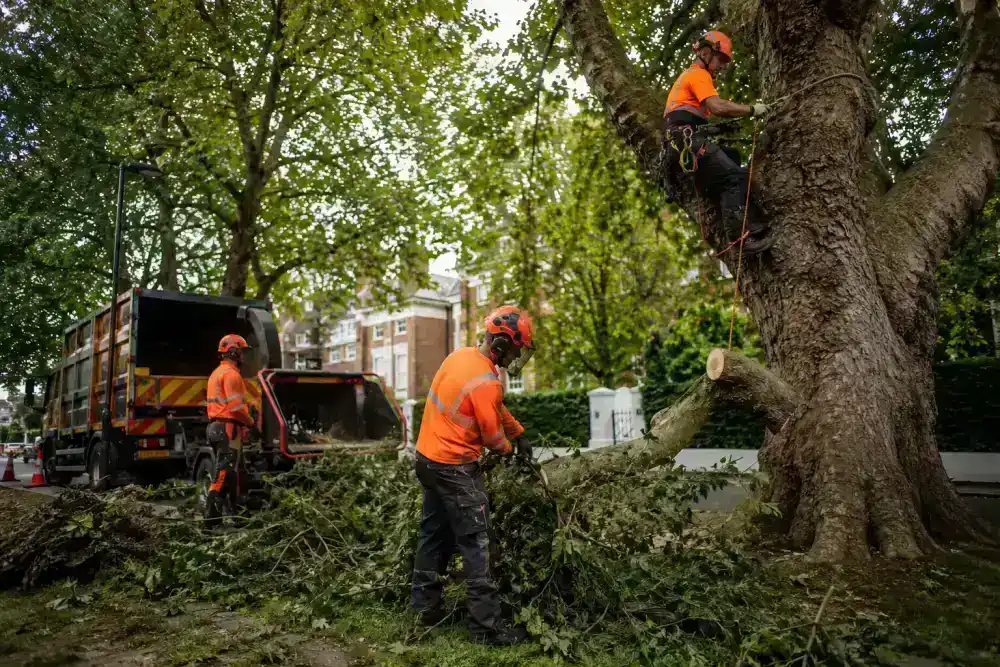
Tree Services is a premier provider of arboricultural solutions based in London, known for its high standards of tree maintenance, removal, and consultancy. Serving both residential and commercial clients across the capital, the business has established a reputation for safety, professional expertise, and environmental stewardship, making it a reliable choice for local property owners.
London’s urban canopy requires precise management to ensure safety, aesthetic value, and ecological health. Tree Services has positioned itself as a market leader by integrating traditional arboricultural techniques with modern safety equipment. Whether dealing with hazardous limbs, routine crown thinning, or complex tree removals in tight, built-up areas, the business demonstrates a commitment to the British Standard BS3998 for tree work.
For those looking to find verified local businesses, the Local Page UK business directory serves as an essential resource for vetting such specialists. Clients choose this firm not only for their technical skill but for their clear communication and understanding of local regulations, including those surrounding Tree Preservation Orders (TPOs) and Conservation Areas. By focusing on sustainable practices and community safety, the business remains a cornerstone of the London arboricultural sector, helping property owners manage the complex requirements of urban forestry.
About Tree Services
Tree Services is an established London-based business dedicated to the scientific management of trees and shrubs. Founded on the principles of safety, professionalism, and ecological responsibility, the company has grown from a small local team into a comprehensive service provider, holding relevant industry accreditations that guarantee high-quality arboricultural practice across the region.
The business identity is built upon a foundation of deep-rooted expertise. Unlike general gardening companies, Tree Services focuses exclusively on arboriculture. This specialization allows them to maintain a highly skilled workforce, often composed of qualified arborists who understand the biological needs of trees alongside the structural requirements of London property architecture.
Community involvement is central to their operations. They frequently collaborate with local councils to ensure that work carried out adheres to strict planning permissions. For those seeking top rated local businesses, this firm represents the professional standard expected in the UK. Their mission is to provide transparent, efficient, and safe tree management, ensuring that London’s green spaces are preserved while minimizing the risks often associated with aging or diseased trees in a busy urban environment.
Products & Services
Tree Services provides a comprehensive suite of arboricultural operations, including crown reduction, deadwooding, sectional dismantling, and emergency storm damage response. Their team is equipped to handle everything from routine garden maintenance to complex site clearances, ensuring that all work is conducted according to current health and safety executive standards.
The service portfolio includes:
Tree Pruning and Maintenance: Crown lifting, thinning, and cleaning to promote health and light.
Tree Felling and Removal: Safe sectional dismantling for trees in confined spaces.
Stump Grinding: Total removal of stumps to clear ground for landscaping or construction.
Hedge Management: Trimming and shaping of overgrown hedgerows.
TPO and Conservation Area Guidance: Assistance with local authority applications.
Emergency Services: 24/7 response to storm-damaged or fallen trees.
Each service is performed by certified professionals. If you are looking to browse UK business listings for similar specialist services, you will find that Tree Services stands out due to their technical proficiency and the use of advanced climbing and rigging equipment, which allows them to operate in areas where access might otherwise be restricted.
What Makes Tree Services Stand Out?
Tree Services distinguishes itself through a rigorous commitment to safety standards, transparent client communication, and specialized technical knowledge. By prioritizing the health of the tree alongside the client’s requirements, they provide an ethical approach to arboriculture that is highly regarded within the professional community in London.
What sets them apart is their proactive approach to problem-solving. While many competitors offer "quick-fix" solutions, this business takes the time to assess the long-term viability of a tree before recommending removal. Their attention to detail—such as leaving a site cleaner than it was found—is frequently noted by clients.
Furthermore, their adherence to professional accreditations means they operate within a framework of industry best practices. For property managers and homeowners, this provides significant peace of mind. When you find local businesses UK on a platform like Local Page UK, it is this level of professional consistency that identifies a business as a reliable service provider in a competitive, high-demand market like London.
Facilities & Amenities
Tree Services operates primarily as a field-based mobile service, but they support their operations with a highly efficient, tech-enabled administrative facility. This includes an online booking portal, digital quotation systems, and professional scheduling software that ensures punctuality, clarity in documentation, and a seamless client experience from initial inquiry to site cleanup.
Key operational features include:
Digital Quotation Platform: Fast, accurate pricing based on submitted photos or site visits.
Accessibility: Fully accessible for both residential and commercial inquiries.
Insurance Coverage: Comprehensive public liability and employers' liability insurance.
Waste Management: Full disposal of all arisings in line with environmental waste regulations.
Booking Options: Flexible scheduling available via phone, email, or online forms.
Clients do not need to visit a physical office to engage the team, as all service coordination is handled digitally. This modern approach to facility management is a hallmark of verified local businesses, ensuring that the actual service time on-site is maximized while administrative friction is kept to an absolute minimum.
Pricing
Pricing at Tree Services is based on a competitive, quote-per-project model, ensuring that clients only pay for the specific requirements of their job. They offer transparent, itemized estimates that account for the size of the tree, its location, the complexity of the work, and the disposal of waste materials.
While costs for tree surgery can vary significantly, the business strives to provide "value-first" pricing. They avoid hidden fees, and their quotes are inclusive of all labor, equipment, and disposal costs. Residents often find their pricing to be highly competitive for the London market, reflecting the high quality of workmanship provided.
For those considering a project, it is standard practice to request a free, no-obligation quote. Because tree work is bespoke, the business encourages site visits or detailed photo submissions to ensure accuracy. If you are comparing services, you can search UK business listings to see how local providers compare in terms of transparency and service scope.
Customer Reviews & Reputation
Tree Services consistently receives high praise for its professionalism, punctuality, and the cleanliness of its work sites. Customers frequently comment on the efficiency of the crew and the clear communication from the administrative team, highlighting a reputation built on reliability and a respectful approach to private property.
Positive feedback typically centers on:
Reliability: Arriving at scheduled times and completing work within the quoted duration.
Cleanliness: Thorough removal of all sawdust, branches, and debris, leaving gardens pristine.
Professionalism: The crew's polite, knowledgeable, and safety-conscious behavior.
Communication: Clear explanations of the work required and the rationale behind any pruning suggestions.
In a sector where customer trust is paramount, the reputation of Tree Services as a trusted local business is a significant asset. Consistent positive reviews have cemented their standing among the best-rated options for arboricultural needs in the Greater London area.
Location & Accessibility
Based in the heart of the capital, Tree Services provides extensive coverage across the London boroughs, including North, South, East, and West London. Their logistical model is designed for urban efficiency, allowing them to navigate traffic and reach sites within the M25 efficiently, which is critical for time-sensitive emergency tree care.
The business is ideally positioned to serve high-density residential areas, commercial estates, and heritage properties. They are familiar with the specific challenges of London’s varied terrain, including tight terraced housing access and the proximity of power lines or public transport infrastructure.
If you are looking to promote your business on Local Page UK or find a service provider nearby, understanding that this business is localized yet mobile is beneficial. Their ability to work across diverse neighbourhoods makes them a versatile choice, regardless of where your property is situated within the London region.
Who Is It Best For?
Tree Services is an excellent choice for a wide demographic of clients, including residential homeowners with garden maintenance needs, property managers responsible for large commercial estates, and local businesses requiring regular grounds upkeep. Their service is particularly well-suited to those who value safety, legal compliance, and environmental standards.
Residential Homeowners: Those requiring tree pruning, stump removal, or TPO advice for private gardens.
Property Managers: Landlords or management companies overseeing blocks of flats with shared green spaces.
Commercial Clients: Businesses needing to maintain site safety and aesthetic appeal.
Local Authorities: Entities looking for sub-contracted support for public arboricultural works.
Ultimately, anyone looking for an affordable tree services near me that does not compromise on professional quality will find this business to be a strong contender. Their ability to adapt to different scales of work makes them as relevant for a single tree in a small backyard as they are for a large-scale commercial clearance.
Comparison With Similar Businesses
When comparing Tree Services with other local arboricultural providers, it is helpful to look at certifications, the scope of insurance, and the quality of their post-work cleanup. Many generic gardening firms lack the specific qualifications (such as NPTC certifications) required for complex tree surgery, which is where Tree Services offers a distinct advantage.
Key comparison factors include:
Specialization: Does the provider focus exclusively on arboriculture, or is it a secondary service?
Compliance: Does the provider have deep knowledge of TPOs and Conservation Area regulations?
Equipment: Do they have the appropriate rigging gear for safe removal of large trees?
Value: Are quotes inclusive of waste removal and insurance?
Using a UK online business directory allows you to view multiple providers side-by-side. Tree Services often ranks favourably in such comparisons due to their transparency and verified operational standards, which are often lacking in non-specialized "handyman" style competitors.
Practical Visitor Tips
For those looking to engage the services of this professional team, preparation is key. Having photos of the tree in question, information about its location (e.g., proximity to house walls or overhead cables), and confirmation of its status in a Conservation Area can significantly speed up the quotation process.
Useful tips for clients:
Book in Advance: During storm seasons or autumn, demand for tree services peaks.
Check Accessibility: Inform the team if your garden has limited access or narrow passages.
TPO Check: Check your local council website to see if your tree is protected; if it is, the contractor will need this information to help with the application.
Gather Photos: Clear photos from multiple angles help the contractor provide a more accurate remote quote.
Whether you are a verified local business yourself or a homeowner, following these steps ensures a smooth engagement. Clear communication is the best tool for ensuring that the service you receive meets your specific expectations.
Frequently Asked Questions
1. How do I know if I need a professional arborist?
If you have concerns about the structural integrity of a tree, or if branches are overhanging property or power lines, you should always hire a professional.
2. Are your arborists qualified?
Yes, Tree Services employs staff with relevant NPTC and arboricultural qualifications.
3. What is a Tree Preservation Order (TPO)?
A TPO is a planning control that protects specific trees. Tree Services can assist you in determining if your tree is protected.
4. Do I need council permission to prune my tree?
If the tree is in a Conservation Area or has a TPO, yes. We can help you navigate this.
5. How much does tree removal cost?
Costs vary based on the size, location, and difficulty of the task. We provide bespoke, no-obligation quotes.
6. Do you clean up after the work?
Yes, a full site cleanup is part of our service commitment.
7. Do you provide emergency services?
Yes, we offer 24/7 response for dangerous or fallen trees.
8. Can you grind stumps below ground level?
Yes, our specialized stump grinding equipment can remove stumps to below surface level.
9. Are you insured?
Yes, we carry comprehensive public and employers' liability insurance.
10. What is the best time of year to prune trees?
This depends on the species, but dormant winter months are often best for structural pruning.
11. Do you offer commercial contracts?
Yes, we work with various commercial clients and property management companies.
12. Do you work in all London boroughs?
Yes, we cover the entirety of Greater London.
13. What happens to the wood waste?
We dispose of waste responsibly, often recycling it into woodchip or firewood.
14. How long does a typical quote take?
We aim to provide quotes within 24–48 hours of assessment.
15. Is there a call-out fee for quotes?
No, site assessments for quotes are free.
16. Do you handle hedges too?
Yes, we provide professional hedge trimming and maintenance.
17. What qualifications should I look for in an arborist?
Look for NPTC certification and adherence to BS3998 standards.
18. How far in advance should I book?
Ideally, 2–4 weeks in advance, though we accommodate emergencies immediately.
19. Is my garden too small for your equipment?
Our team is experienced in working in tight, urban London spaces.
20. How do I pay for the services?
We offer various payment methods; details are provided during the booking process.
Why This Business Appears on Local Page UK
Tree Services appears on Local Page UK because it meets the directory’s stringent editorial standards for transparency, information quality, and professional accountability. By featuring in our UK business directory, the business demonstrates a commitment to being accessible to the local community, allowing users to make informed decisions based on verified details rather than guesswork.
Our directory aims to provide a comprehensive resource for users. If you are a business owner, you can add your business to join this community of vetted professionals. We support free business listing UK options, encouraging transparency and allowing customers to claim your business listing to ensure that information remains accurate and up-to-date.
Tree Services represents the gold standard for arboricultural work in London, combining technical expertise with a commitment to customer service and safety. Whether you require routine maintenance or emergency care, their professional approach ensures that your property's trees are managed responsibly and effectively.
We encourage you to visit their official website to view their full range of services and to find local businesses UK for any additional needs. If you found this information helpful, consider exploring the rest of the Local Page UK business directory for more recommendations. If you own or manage a business yourself, do not hesitate to promote your business on Local Page UK and become a part of our growing, trusted network.
London
32 Views
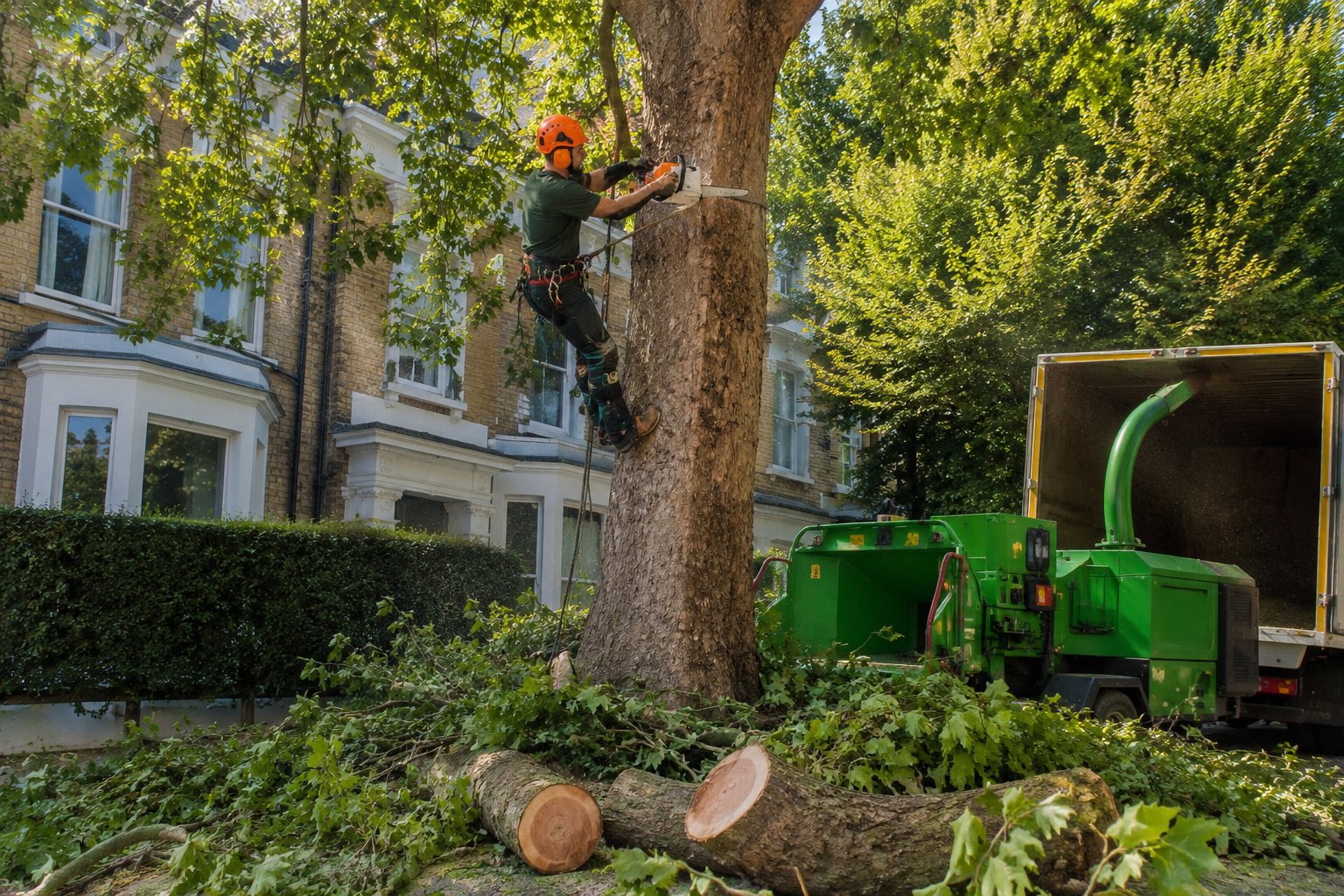
Carpenters
Jul 04, 2026
Top Rated and Reliable Tree Services in London
Finding Trusted Tree Services in London
When searching for professional assistance in maintaining your property's greenery, finding trusted Tree Services in London is paramount for safety and property value. Unverified providers may lack the necessary insurance, certifications, or regulatory compliance required for complex arboricultural work. Utilising a reputable uk online business directory ensures you connect with vetted, reliable professionals.
Trust is the foundation of any local service industry. In a city as dynamic as London, homeowners and businesses alike need to be certain that the contractors they hire adhere to health and safety standards. Working with unverified individuals can lead to poor workmanship, potential damage to property, or, more importantly, personal injury.
By relying on a trusted uk business directory, you mitigate these risks. Our platform provides a curated space where users can find local business listings uk that have been scrutinised for their relevance and professional standing. Whether you are looking for routine maintenance or emergency tree care, using a centralised local page uk business directory allows you to compare experience levels, service areas, and customer feedback with ease. This guide helps you navigate the local market, ensuring you make an informed decision for your specific needs.
What Defines a Top Rated & Reliable Tree Services?
A reliable Tree Service provider in London is defined by a combination of professional certifications, comprehensive insurance, proven experience, and transparent customer feedback. Key indicators include membership in industry-recognised bodies like the Arboricultural Association, adherence to BS 3998 standards, and consistent, verifiable positive reviews from local residents.
When evaluating potential contractors, consider these foundational trust signals:
Professional Certifications: Look for teams with NPTC (National Proficiency Tests Council) qualifications.
Comprehensive Insurance: Ensure they hold adequate Public Liability and Employers' Liability insurance.
Industry Compliance: Adherence to British Standard BS 3998 (Recommendations for Tree Work) is a mark of professional quality.
Transparent Reviews: Consistent feedback that highlights communication, punctuality, and the quality of the cleanup process.
Experience: Longevity in the London area indicates an understanding of local regulations, including Tree Preservation Orders (TPOs) and Conservation Area restrictions.
Reliability is not just about the technical work; it is about the entire customer journey. A professional firm will communicate clearly about their pricing, provide detailed quotations, and manage any necessary applications to local councils regarding protected trees.
How Local Page UK Helps Identify Reliable Professionals
Local Page UK simplifies the search for professional services by implementing a rigorous verification process and editorial standards. We ensure that our uk verified business listings provide users with accurate, up-to-date information, bridging the gap between local homeowners and qualified experts while fostering trust through transparency.
We understand that finding the right service provider can be overwhelming. Our directory acts as a filter, removing the noise and presenting you with uk top rated local businesses that have demonstrated a commitment to quality. Our verification process checks for active business presence, valid contact information, and professional relevance.
By using our uk local business search, you are not just scanning a list; you are engaging with a platform designed to promote transparency. We encourage businesses to provide comprehensive profiles that detail their specialisations, allowing you to compare them side-by-side. Our goal is to ensure that when you search for "Tree Services near me," you find actionable, reliable results that give you the confidence to move forward with your project.
Top Rated & Most Reliable Tree Services in London
Note: The following businesses are selected based on commonly recognised local reputation and service quality in the London area.
London Arbor Care
Website: example-londonarborcare.co.uk
Location: North London
Description: A team of highly qualified arborists specialising in residential tree surgery, hedge maintenance, and site clearance. Known for their technical expertise and strict adherence to safety standards, they provide detailed consultations for all projects, large or small.
Trust Factor: Highly regarded for transparent communication and comprehensive insurance coverage.
Capital Tree Specialists
Website: example-capitaltrees.co.uk
Location: Central London
Description: Providing expert tree management across London, this company focuses on precision pruning and hazardous tree removal. With years of experience, they are a preferred choice for complex projects requiring intricate care and knowledge of local environmental regulations.
Trust Factor: Consistently positive reviews regarding safety protocols and site cleanup.
Thames Valley Tree Surgeons
Website: example-thamesvalleytrees.co.uk
Location: West London
Description: Dedicated to providing sustainable tree maintenance services, they offer everything from crown reduction to stump grinding. Their team brings a wealth of local knowledge, ensuring that all works are compliant with council restrictions and preservation orders.
Trust Factor: Recognised for professional reliability and long-standing service in the local community.
City Canopy Maintenance
Website: example-citycanopy.co.uk
Location: East London
Description: Specialising in urban arboriculture, they understand the unique challenges of trees in the city environment. Their services include health inspections, planting, and disease management, making them a go-to for property managers and homeowners alike.
Trust Factor: Known for providing thorough, detailed quotations and maintaining high industry standards.
Metropolitan Tree Experts
Website: example-metropolitantree.co.uk
Location: South London
Description: Offering a wide range of tree services, they pride themselves on using modern, efficient equipment to minimise noise and disruption. Their customer-focused approach ensures that every project is completed to the client's total satisfaction.
Trust Factor: Strong reputation for punctuality and excellent customer service.
Greenleaf London
Website: example-greenleaflondon.co.uk
Location: North London
Description: Focusing on environmentally friendly tree care, they provide expert advice on maintaining tree health and longevity. From basic trimming to emergency storm damage response, they offer a professional, reliable service throughout the year.
Trust Factor: Trusted for their ethical approach and deep understanding of plant biology.
Premier Tree Works London
Website: example-premiertreeworks.co.uk
Location: South West London
Description: A full-service tree care provider with a focus on safety and precision. They are frequently recommended for their ability to handle difficult access jobs and their expertise in navigating local planning requirements for tree work.
Trust Factor: Frequently cited for technical expertise and effective project management.
Urban Arbor Solutions
Website: example-urbansolutions.co.uk
Location: Central London
Description: Providing comprehensive care for urban greenery, they offer tree surveys, reports, and practical surgery. Their team is composed of certified arborists who ensure all work is carried out according to best practices and current health and safety laws.
Trust Factor: Known for their professional integrity and adherence to regulatory standards.
How to Choose the Right Tree Services in London
Choosing the right professional for your tree services requires a methodical approach: start by verifying their credentials and insurance, request a clear, itemised quote, and read recent, independent customer reviews. Comparing at least three providers will give you a better understanding of the expected service quality and fair market pricing.
Before hiring, keep these points in mind:
Check Credentials: Ask if they are NPTC-certified and whether the company is an Approved Contractor with the Arboricultural Association.
Insurance Verification: Do not hesitate to ask for proof of current Public Liability insurance.
The Quotation: A professional will always visit the site to assess the work before giving a final price. Avoid "over-the-phone" quotes for complex jobs.
Council Restrictions: Ask if they have experience checking for Tree Preservation Orders (TPOs) or Conservation Area status, as failing to check can result in heavy fines for the property owner.
Cleanup expectations: Confirm in writing that the price includes the removal and disposal of all green waste.
Why Local Page UK Helps Users Find Reliable Professionals
Local Page UK provides a dedicated environment for discovery, ensuring you have access to verified business details, editorial-quality guidance, and a streamlined interface to compare local experts. Our platform bridges the gap between those needing quality tree services and reputable professionals who have built their reputations on trust, expertise, and local accountability.
When you use our directory, you gain several advantages:
Focused Discovery: You are looking at a curated list rather than an unfiltered search result, which saves you time.
Verification: We work to maintain high standards for our listings, ensuring you have contact information you can rely on.
Trust Signals: By providing a platform where businesses can display their qualifications, we help you make an informed choice quickly.
Local Relevance: We understand the London market, meaning our listings are geographically relevant and tailored to your specific needs.
Finding the right expert shouldn't be a gamble. We make it easier to find local businesses uk by providing the tools and information necessary to compare services confidently.
Free Business Listing for Tree Services
If you are a professional provider, a free business listing uk on Local Page UK is a vital step in increasing your online credibility. It places your business in front of thousands of potential local customers, boosts your local SEO presence, and helps you build a reputation as a trusted provider within your community.
Joining our uk free business directory allows you to:
Improve Visibility: Appear in local searches for users looking for your specific expertise.
Build Trust: A profile on a reputable directory serves as a trust signal for prospective clients.
Drive Enquiries: Direct interested customers to your official website or contact number through your free local business listing uk.
Showcase Expertise: Use your profile to highlight your qualifications, experience, and service areas, making it easier for customers to choose you.
Take control of your online presence and ensure your business is easily found by those who need your services most.
Frequently Asked Questions
How are professionals selected for the directory?
Businesses are added based on their professional relevance, adherence to industry standards, and local reputation. We focus on ensuring that listed providers have a clear professional presence. While we do not "rate" businesses ourselves, we facilitate an environment where users can identify reliable experts through transparent, verified profiles.
Are websites verified?
Yes, we make every effort to verify that the websites linked in our directory are active and relevant to the business listed. This ensures that users are directed to genuine professional portals where they can find further details about services, insurance, and contact methods.
Is Local Page UK free?
Yes, users can freely browse our uk online business directory to find the information they need. We also offer a free business listing uk for service providers, making it easy for local businesses to gain exposure without immediate upfront costs.
Can businesses edit their own listings?
Yes, businesses are encouraged to manage their profiles to ensure information remains accurate. Keeping business details, such as phone numbers, service areas, and website links, up-to-date is crucial for maintaining the trust of our users.
Are listings trustworthy?
We curate our directory to prioritize professional, active businesses. By encouraging transparency and clear service descriptions, we aim to provide a trustworthy resource for local searches. We also value user feedback in maintaining the quality of the directory.
How are reviews assessed?
Reviews on individual business websites or third-party platforms linked within our directory provide the social proof of a provider's reliability. We advise users to look for consistent, verified feedback across multiple sources to get a balanced view of a company's reputation.
What qualifications should I check for tree surgeons?
You should look for NPTC (National Proficiency Tests Council) certification for the specific tasks being performed. Additionally, look for companies that adhere to the British Standard BS 3998 for tree work.
Can I compare providers on the site?
Absolutely. By viewing the profiles in our directory, you can compare service locations, company descriptions, and professional focuses, allowing you to narrow down your choices based on your specific needs.
How often are listings updated?
We strive to keep our information current, but we also rely on business owners to update their profiles. If you notice outdated information, we encourage you to use our contact channels to report it.
What should I ask before hiring?
Always ask to see proof of insurance, check if they are NPTC-certified, ask for a written quote after a site visit, and inquire if they manage planning applications for trees in protected areas.
Are emergency services available?
Many tree service providers offer 24/7 emergency response for storm damage or dangerous trees. You should specifically look for this mention in their business description or on their official website.
How do I report incorrect information?
If you find information that is no longer accurate, please use the contact links provided on Local Page UK to notify our editorial team. We are committed to maintaining the accuracy of our directory.
Can new businesses apply for a listing?
Yes, new businesses that meet our professional criteria are welcome to apply for a listing. We are always looking to expand our directory with reliable, qualified local providers.
Is there a premium listing option?
Yes, we offer enhanced listing options for businesses looking to increase their visibility and reach within the directory. These options help you stand out to users searching for specific local services.
Why use Local Page UK instead of a search engine?
Search engines provide massive, unfiltered data. Local Page UK provides a curated, verified, and relevant selection of businesses, saving you time and giving you greater confidence that you are choosing a professional, legitimate service provider.
Call-to-Action
Selecting the right professional for your property’s tree care is essential for safety, aesthetics, and legal compliance. By prioritising verified, experienced, and insured professionals, you ensure that your work is handled with the expertise it deserves.
Local Page UK provides the tools and information you need to make an informed choice with confidence. We encourage you to take the time to compare your options, review official websites, and reach out for consultations.
Ready to find the right expert? Explore top rated & reliable Tree Services in London through verified listings on Local Page UK today. Compare trusted local professionals with confidence and discover the right expert for your needs.
London
30 Views

Gardening Services
Jul 03, 2026
Top Rated and Reliable Nurseries and Gardening in London
Top Rated & Most Reliable Nurseries & Gardening in London
Finding a professional who balances horticultural expertise with reliability is essential for maintaining a healthy outdoor space in the capital. Whether you are looking for seasonal planting, garden maintenance, or comprehensive landscaping services, selecting a trusted provider ensures your investment is protected and your green space thrives under professional care.
Finding Trusted Nurseries & Gardening in London
Finding a reliable professional in a busy city requires a blend of local knowledge and verified data. Trust matters because your garden is a living asset; using unverified providers can lead to poor plant health, missed deadlines, or project mismanagement. Utilising a dedicated uk business directory helps you identify professionals with established reputations and transparent service standards.
The London horticultural sector is vast, ranging from small, independent garden maintenance crews to large-scale landscape design firms. For homeowners and business owners, the sheer volume of choice can be overwhelming. This is where the importance of trust signals—such as industry accreditations, verified customer reviews, and clear professional standards—becomes paramount.
When you rely on unverified providers found through generic search results, you run the risk of hiring individuals who lack the necessary insurance or horticultural training. A professional nursery or gardening service should not just be about labour; it should be about expertise in soil health, plant suitability for the local London micro-climate, and sustainable maintenance practices.
By using a uk online business directory, users gain access to curated information that helps filter out unreliable services. These platforms act as a first line of defence, ensuring that the professionals you engage with are held to higher standards of business transparency. Whether you are seeking a one-off consultation or ongoing seasonal garden care, a structured approach to finding your service provider will save you time and money.
What Defines a Top Rated & Reliable Nurseries & Gardening?
A top-rated nursery or gardening professional is defined by a combination of validated expertise, transparency, and consistent customer satisfaction. Key indicators include relevant horticultural qualifications, valid public liability insurance, a documented portfolio of successful projects, and a professional, responsive communication style that puts the client’s needs at the forefront.
When evaluating the quality of a gardening service, you should look beyond just the price tag. Reliability in this industry is built on several pillars:
Professional Qualifications: Look for staff who have trained with recognised bodies. Expertise in botany, garden design, or landscaping ensures they understand the specific needs of different plant species.
Insurance Coverage: Reliable businesses must hold adequate public liability insurance. This protects you in the event of accidental property damage during their service.
Customer Reviews and Reputation: A consistent history of positive feedback across verified platforms is a strong indicator of service quality. Pay attention to how they handle negative feedback—professionalism in resolving issues is a hallmark of a reliable provider.
Transparency: Honest pricing, clear terms of service, and a detailed scope of work are essential. Avoid any service that is reluctant to provide written estimates or contracts.
Local Expertise: A firm that understands the specific challenges of London gardens—such as limited light, urban pollution, and specific soil types—will always provide better results than a generic provider.
By prioritising these factors, you can confidently identify professionals who treat your garden with the same care they would their own. For those beginning their search, browsing uk verified business listings is an effective way to see which companies consistently meet these high standards.
3. How Local Page UK Helps Identify Reliable Professionals
Local Page UK streamlines the discovery of reliable professionals by employing rigorous editorial standards and verification processes. By centralising data on certifications, licensing, and business history, the directory provides a filtered environment where users can compare businesses based on merit rather than marketing budget, ultimately fostering greater user trust and project success.
The challenge with traditional search engines is the sheer volume of noise. A simple search often returns paid advertisements and unverified claims, making it difficult to discern the truly professional services from the amateurs. Local Page UK solves this by acting as a curated bridge between the homeowner and the service provider.
Our editorial team focuses on depth over breadth. We encourage businesses to provide comprehensive details, including their service areas, core specialisations, and evidence of professional memberships. When a user utilises the local page uk business directory, they are not just looking at a list of names; they are engaging with a structured dataset designed to reveal the most trustworthy options available.
This approach builds topical authority. By categorising businesses by their specific expertise—whether it is commercial landscaping, residential lawn care, or exotic plant nurseries—we ensure that users find the exact help they require. This transparency is the cornerstone of our directory, allowing users to make decisions based on verified facts rather than unsubstantiated promises.
Top Rated & Most Reliable Nurseries & Gardening in London
The following businesses are commonly recognised and locally trusted providers of gardening and nursery services in London. This list represents professionals who maintain strong reputations within their respective service areas.
London Garden Professionals
Website
Location: Fulham, South West London
Description: Specialists in comprehensive garden maintenance and seasonal planting schemes. With over 15 years of local experience, they are known for their meticulous attention to detail and ability to work within the specific constraints of Victorian garden layouts.
Reliability Factor: Highly regarded for their consistent communication and clear, project-based pricing structures.
Capital City Nurseries
Website
Location: Hackney, East London
Description: A long-standing provider of high-quality plants and expert gardening advice for urban spaces. They excel in supplying plant varieties specifically suited to London’s unique micro-climates, ensuring longevity and sustainability for both residential balconies and larger garden plots.
Reliability Factor: Frequently cited for their knowledgeable staff and excellent after-sales care.
Green Space London Design
Website
Location: Islington, North London
Description: A design-led landscaping firm focused on sustainable urban garden transformations. Their team combines professional landscaping qualifications with a deep understanding of ecological planting, making them a preferred choice for complex garden design projects across North London.
Reliability Factor: Known for providing transparent, itemised quotes and sticking to agreed project timelines.
Premier London Gardeners
Website
Location: Kensington, West London
Description: Offering premium lawn care, hedge trimming, and seasonal garden clear-ups. Their team of experienced gardeners is fully insured and trained to professional industry standards, serving high-end residential clients with a focus on discretion and quality.
Reliability Factor: Widely recognised for their professional appearance and adherence to strict safety standards.
Urban Oasis Gardening Services
Website
Location: Greenwich, South East London
Description: Providing reliable, ongoing garden maintenance for busy London professionals. They specialise in "low-maintenance" design solutions, ensuring your outdoor space remains attractive throughout the year without requiring constant intervention.
Reliability Factor: Noted for their robust online scheduling system and reliable, punctual service delivery.
Botanical London Solutions
Website
Location: Camden, North London
Description: Expert horticulturalists who provide consultancy and maintenance for period properties. Their team has a deep appreciation for heritage gardening and plant preservation, offering a specialised service for older London properties.
Reliability Factor: Highly trusted for their deep botanical expertise and respectful approach to heritage sites.
The London Landscaping Collective
Website
Location: Wandsworth, South West London
Description: A collaborative group of skilled landscapers and horticulturists. They handle everything from hardscaping and patio installation to intricate planting plans. Their diverse team allows them to manage complex projects that require multiple skill sets under one roof.
Reliability Factor: Commended for their seamless project management and collaborative customer service.
City Plant Specialists
Website
Location: Tower Hamlets, East London
Description: Focused on bringing green life into the urban heart of London. They specialise in rooftop gardens, balcony planting, and interior plantscapes, providing expert care for high-density living environments.
Reliability Factor: Known for their technical expertise and ability to troubleshoot specific urban planting issues effectively.
How to Choose the Right Nurseries & Gardening in London
Choosing the right professional begins with a clear assessment of your needs, followed by a comparative review of credentials, experience, and pricing. You should verify that the provider holds valid public liability insurance, request specific examples of past work similar to your project, and ensure their communication style aligns with your expectations.
When you start your search on uk top rated local businesses, keep the following steps in mind to ensure you make the right choice:
Define Your Requirements: Are you looking for a one-time clearance, a design overhaul, or weekly maintenance? Clarifying your needs helps you filter for specialists rather than generalists.
Check Credentials and Insurance: Never be afraid to ask for proof of insurance. This is a non-negotiable requirement for any reputable trade.
Compare Portfolios: A picture is worth a thousand words. Look for photos of completed work that resemble the project you have in mind.
Communication is Key: How long does it take for them to respond to your initial enquiry? A business that is prompt and clear in its communication is often equally professional in its work.
Seek Local References: If a business has been operating in a specific area of London for a long time, they are likely to have a track record you can verify through local testimonials or community feedback.
Remember that the "best" professional is the one who is the right fit for your specific property and project goals. Taking the time to compare your options thoroughly will pay dividends in the long run.
Why Local Page UK Helps Users Find Reliable Professionals
Local Page UK simplifies the complex process of finding high-quality tradespeople by providing a verified, centralised platform for discovery. By focusing on UK-specific business data, we eliminate the guesswork from local searches, ensuring that users can easily compare reputable service providers, check for essential trust signals, and make informed decisions with absolute confidence.
In an era of digital overload, finding genuine quality is a service in itself. Our platform is designed to cut through the noise, offering a clean, user-friendly interface where the focus remains on the quality of the business.
When you use our uk local business search, you are leveraging a tool built for accuracy. Unlike broad-spectrum search engines, we prioritise verified business information. This means that when you see a listing on our platform, you are viewing a business that has engaged with our directory standards. This is invaluable for users who value time and reliability.
Furthermore, our focus on the UK market allows us to maintain relevance. We understand the local context—the regulatory requirements, the common industry standards, and the nuances of the UK property market. This makes Local Page UK an indispensable resource for anyone looking to hire professionals they can actually trust.
Free Business Listing for Nurseries & Gardening
A free business listing uk on Local Page UK is an essential step for any gardening service looking to increase its digital footprint and reach a targeted local audience. By listing with us, professionals can improve their local SEO, showcase their reputation, and directly connect with customers who are actively seeking reliable horticultural services.
If you operate a nursery or gardening service in London, visibility is the foundation of growth. Many businesses struggle to get noticed because they rely solely on word-of-mouth or outdated directory listings. By securing a free local business listing uk, you place your business directly in front of homeowners searching for services in their area.
Key benefits of joining our directory include:
Enhanced Online Credibility: Being part of a trusted directory signals to potential clients that you are a legitimate, established business.
Local SEO Boost: A presence in our uk free business directory helps improve your visibility in local search queries, driving more organic traffic to your official website.
Direct Enquiries: Users on Local Page UK are high-intent. They are often ready to hire, meaning your enquiries are likely to be more relevant and actionable.
Brand Authority: Listing your certifications, experience, and services helps you stand out from unverified competitors.
Joining our community is a simple process, and it is a strategic investment in the future growth and digital presence of your business.
Frequently Asked Questions
How are professionals selected?
Our editorial team reviews businesses based on a set of criteria including business transparency, professional credentials, and online reputation. We strive to include professionals who demonstrate a genuine commitment to quality and service.
Are websites verified?
We endeavour to verify the official websites of listed businesses to ensure they are active and correctly associated with the service provider.
Is Local Page UK free?
Yes, businesses can list their services for free using our free business listing uk option, which allows them to get visible in our directory quickly.
Can businesses edit listings?
Yes, once a business claims or creates their listing, they can update their information, including services, location, and website details, to ensure it remains current.
Are listings trustworthy?
We take steps to ensure the information provided is accurate, but we always encourage users to perform their own due diligence, such as requesting quotes and checking recent reviews before hiring.
How are reviews assessed?
Reviews are one of several indicators of a business's reputation. We encourage a transparent approach where businesses are held accountable by the experiences of their clients.
What qualifications should I check?
For gardening, look for certifications from bodies like the Royal Horticultural Society (RHS) or relevant landscaping trade associations. Always ensure they have valid public liability insurance.
Can I compare providers?
Absolutely. Our directory is designed to allow you to view multiple businesses side-by-side, helping you compare their services, locations, and areas of specialisation.
How often are listings updated?
We perform regular reviews of our database, and we encourage business owners to keep their profiles up-to-date with the latest information.
What should I ask before hiring?
Ask about their insurance coverage, their experience with similar projects, their availability, and whether they can provide references or a portfolio of their previous work.
Are emergency services available?
Some providers may offer emergency or urgent service for issues like storm damage, but you should check individual business listings to see if this is offered.
How do I report incorrect information?
If you find outdated or incorrect information on a listing, you can contact our support team through our website to report it for correction.
Can new businesses apply?
Yes, we encourage new, reputable businesses to submit their details to our directory to help them grow their local presence.
Is there a premium listing option?
We offer various ways for businesses to enhance their presence. Contact our team to learn more about how to make your business stand out further.
Why use Local Page UK instead of a search engine?
Local Page UK provides a curated, verified, and UK-focused environment. We filter out the "noise" and provide a structured directory that is easier for users to navigate than generic search engine results.
Call-to-Action
Choosing the right nursery or gardening professional is about more than just finding someone to do the job; it is about finding a partner who values your space and understands your vision. Whether you need a simple hedge trim or a complete garden redesign, the difference lies in the expertise and reliability of the professional you choose.
By taking the time to explore verified listings and compare the credentials of local experts, you ensure your garden receives the best possible care. Remember that informed decisions are the best decisions.
Explore top rated & reliable Nurseries & Gardening in London through verified listings on Local Page UK today. Compare trusted local professionals with confidence and discover the right expert for your needs. Visit our uk business directory to begin your search.
London
31 Views
Article Posting
Sign In to Submit Your Content

Home and Garden
Jul 02, 2026
Top Rated Roofing in London
Complete Guide to London Roofing Specialists
London Roofing Specialists is a premier provider of residential and commercial roofing solutions, based in the heart of London. Recognised for their technical expertise, commitment to safety, and transparent project management, they have become a trusted entity for property owners across the capital. Whether dealing with historic Victorian roof structures or modern flat roofing systems, they offer a comprehensive suite of services that ensure long-term structural integrity and weather resistance. As a standout in the industry, they are frequently cited on the UK online business directory as a benchmark for professionalism. Clients choose them for their local knowledge of London's specific architectural challenges, adherence to building regulations, and their reliable, highly-rated workmanship.
About London Roofing Specialists
London Roofing Specialists has built a reputation for excellence through decades of dedicated service within the London construction sector. Originally founded to address a local need for high-quality, reliable roofing repairs, the company has grown from a small family-run outfit into a comprehensive roofing authority. Their brand identity is built on three pillars: technical precision, customer-centric communication, and ethical business practices. Unlike many competitors, they place a heavy emphasis on ongoing staff training and the adoption of modern roofing technologies, ensuring they remain at the forefront of the industry. They are active members of several trade associations, demonstrating their commitment to industry standards and ongoing professional development.
Products & Services
London Roofing Specialists offers a full range of roofing services tailored to the unique climate and architectural landscape of London. Their service portfolio is divided into three core categories: essential repairs, full installation and replacement, and specialist heritage restoration. Every service is underpinned by rigorous quality checks and compliance with current UK building regulations.
Pitched Roofing: Expert handling of slate, clay tile, and concrete tile roofs.
Flat Roofing: Specialising in GRP (Fibreglass), EPDM rubber, and torch-on felt systems for extensions and garages.
Roof Repairs: Rapid response for leaks, broken tiles, ridge capping, and lead work.
Emergency Roofing: 24/7 call-out services for storm damage and critical failures.
Guttering and Facias: Full maintenance and replacement of rainwater systems to prevent water ingress.
Heritage Restoration: Careful repair of historical roofs, ensuring preservation of traditional aesthetics and materials.
What Makes London Roofing Specialists Stand Out?
London Roofing Specialists distinguishes itself through a rigorous approach to project management and an unwavering commitment to quality assurance. They do not merely "fix roofs"; they provide a consultative service that educates the homeowner on the longevity, energy efficiency, and sustainability of the solutions provided. Their unique selling point is their "Transparency-First" policy, where clients are provided with detailed photographic evidence before, during, and after the project. This, combined with their strong local reputation, makes them a leader among verified local businesses. Their team consistently maintains a professional atmosphere, respecting the privacy and routines of the households they serve while minimising site disruption.
Facilities & Amenities (Service Delivery Focus)
London Roofing Specialists optimises its service delivery through advanced digital facilities and administrative support. While they are a site-based service, their operational hub is designed to provide seamless customer support. They offer efficient booking systems, real-time project updates, and digital payment options. Their commitment to technology means clients can receive remote quotes based on drone imagery, reducing the need for intrusive scaffolding site visits during the initial assessment. They also provide comprehensive site safety amenities, ensuring that every project, from minor repairs to major replacements, is managed with minimal risk to property and public safety.
Pricing
Pricing at London Roofing Specialists is based on a transparent, itemised quote structure that reflects the complexity of the project, material quality, and labour requirements. They offer competitive rates that account for the high costs of working in a major city like London while ensuring long-term value for money. They provide several tiers of service, from budget-friendly repair patches to premium, high-durability roofing systems. Payment plans are available for larger installations, and they are fully insured, providing peace of mind against unforeseen costs. It is recommended to contact their team for a bespoke, no-obligation assessment, as every roof in London presents unique variables.
Customer Reviews & Reputation
The reputation of London Roofing Specialists is evidenced by a high volume of positive feedback across multiple platforms. Customers frequently highlight their "reliability, punctuality, and cleanliness" as standout features. Reviews consistently point to the company’s ability to solve long-standing leak issues that previous contractors had failed to diagnose. Their professional conduct, from the initial consultation to the final site cleanup, is a recurring theme in user testimonials. As a top rated local business, they maintain an impressive track record of repeat custom and word-of-mouth referrals, which they consider the most authentic measure of their service quality.
Location & Accessibility
London Roofing Specialists serves the entirety of London, with a focus on delivering rapid, localised support to all boroughs. Their central dispatch system ensures that teams are positioned strategically to manage travel time efficiently, ensuring they can reach clients in North, South, East, and West London with equal ease. Because they are a mobile service, they do not have a "high street" shopfront; instead, they bring their expertise directly to your door. They are well-versed in the logistical challenges of London traffic and parking, managing all site requirements (such as parking permits) proactively so the client does not have to worry about the administrative burden.
Who Is It Best For?
London Roofing Specialists is ideally suited for a wide range of clients, including residential homeowners, commercial property managers, and building landlords. They are particularly popular with:
Families: Who require safe, reliable work done with minimal disruption to their daily lives.
Professionals: Who value clear, digital communication and efficient project timelines.
Landlords: Who need a trusted partner to maintain their property portfolio and ensure tenant safety.
Heritage Property Owners: Who require specialist knowledge to protect the historical value of their buildings.
Comparison With Similar Businesses
When comparing London Roofing Specialists with other providers in London, it is important to look beyond the initial quote. While some contractors may offer lower prices, they often lack the comprehensive insurance, long-term guarantees, and trade accreditations that this firm maintains. Potential clients should compare the depth of the initial inspection, the quality of the materials proposed, and the clarity of the warranty terms. You can browse UK business listings on Local Page UK to compare various providers based on their verified status and user-generated feedback.
Practical Visitor Tips
To get the most out of your experience with London Roofing Specialists, we recommend:
Documentation: Take photos of any leaks or damage from your perspective (e.g., damp patches on ceilings) to share during the booking process.
Access: Ensure that access points (loft hatches, outdoor gates) are clear before the team arrives.
Planning: If you live in a conservation area or a listed building, mention this early, as it affects the materials that can be used.
Bookings: During peak seasons (autumn and winter), book well in advance, as emergency call-outs can impact standard project schedules.
Frequently Asked Questions
London Roofing Specialists receives many queries regarding roof maintenance. Here are the most common questions:
1. How long does a standard roof replacement take?
Typically, a standard residential roof replacement takes between 3 to 7 days, depending on weather and roof complexity.
2. Do you provide a guarantee on your work?
Yes, all major works come with a comprehensive workmanship and material guarantee.
3. Are you insured?
Yes, we carry full public and employer liability insurance.
4. Can you help with flat roof leaks?
Absolutely; we specialise in modern flat roofing systems like EPDM and GRP.
5. Do you provide free quotes?
We offer no-obligation estimates and detailed site assessments.
6. Do I need a parking permit for the team?
We handle all parking arrangements and permits as part of our service.
7. How do I book a consultation?
You can book via our website or telephone.
8. Do you work on weekends?
We offer emergency services 24/7 and can schedule works by arrangement.
9. Are you VAT registered?
Yes, all our quotes are transparent regarding VAT.
10. Do you provide emergency roof repairs?
Yes, we offer a dedicated emergency call-out service for London properties.
11. Can you help with storm damage?
We are experienced in documenting and repairing storm-related damage.
12. Do you work on listed buildings?
Yes, we have a specialised team for heritage and conservation roofing.
13. What areas of London do you cover?
We cover all London boroughs, inside and outside the M25 where requested.
14. Are your workers certified?
Our team consists of fully trained and accredited roofing professionals.
15. How do you ensure safety?
We strictly adhere to HSE guidelines and maintain high safety standards on all sites.
16. Will you clean up after the job?
We pride ourselves on leaving every site clean and tidy.
17. Do you install roof insulation?
Yes, we can improve your roof's energy efficiency during the repair or replacement process.
18. What is the difference between felt and EPDM roofing?
EPDM is a modern, long-lasting rubber membrane, while traditional felt is a bitumen-based product. We can advise on which suits your property.
19. How do I know if I need a new roof or a repair?
Our comprehensive inspection will identify whether the structure is sound enough for repairs or if a replacement is the safer, more cost-effective choice.
20. How can I verify your business status?
You can check our Local Page UK business directory profile for verified reviews and credentials.
Why This Business Appears on Local Page UK
London Roofing Specialists is featured on Local Page UK because they meet our strict editorial standards for transparency, information quality, and customer service. Our goal is to help users find local businesses UK that they can trust. By aggregating verified information and allowing customers to see accurate details, we make it easier for homeowners to make informed decisions. We invite all businesses to claim your business listing to ensure the information provided to the public remains accurate and up to date.
London Roofing Specialists represents the high standard of service that property owners in London deserve. Their blend of technical expertise, customer service, and local knowledge makes them a premier choice for any roofing project. We encourage you to visit their official website to request a consultation, and to browse UK business listings if you wish to compare other options in your area. For business owners looking to improve their own visibility, consider adding your business to the UK business directory today to start building your own reputation with local customers.
London
0 Views

Advertising Agencies
Jun 29, 2026
GEO Secrets: How to Win High-Value UK B2B Leads in 2026 | PMS
As we progress through 2026, the foundational mechanics of the UK digital landscape have undergone their most severe disruption since the dawn of the internet. For digital marketing service providers and enterprise B2B brands, traditional search engine optimization (SEO) is no longer a standalone strategy.
The traditional "blue links" page is rapidly ceding ground to conversational summaries, structured citations, and personalized intelligence agents. Whether a buyer uses Gemini, ChatGPT Search, Perplexity, or Microsoft Copilot, search has transitioned from index-matching to synthesis-curating.
To thrive, forward-thinking UK firms are pivoting toward Generative Engine Optimization (GEO). This is the strategic process of optimizing content specifically to be retrieved, synthesized, and cited by Generative AI models. In a marketplace where high-value B2B contracts range from $\pounds 50,000$ to $\pounds 2.5\text{M}+$, being left out of an LLM’s structured recommendation can cause an enterprise to become virtually invisible.
Below, we break down the definitive GEO playbook designed to capture premium UK business-to-business leads.
The Death of the CTR Funnel: The Rise of "Zero-Click" Primacy
In legacy search, a B2B firm could win a prospect by securing a top 3 spot on Google, commanding a Click-Through Rate (CTR) of up to $25\%$. In 2026, conversational interfaces handle more than $60\%$ of research-driven B2B queries directly within the interface.
When a UK procurement director asks an AI assistant: "Which digital marketing service providers in London have proven expertise in scaling fintech SaaS companies post-Brexit?", they do not get ten links. They receive a concise, comparative summary citing three specific agencies, citing precise case studies, compliance records, and verified reviews.
If your brand is not part of this synthesized output, your organic lead pipeline drops to zero. GEO is the methodology that ensures you are in that paragraph.
The Three Pillars of 2026 Generative Engine Optimization
To optimize for LLMs, brands must move beyond keyword density and focus on semantic signals, factual density, and entity authority.
1. Information Gain and Factual Density
LLMs are designed to summarize existing online consensus, but they are increasingly programmed to avoid "recirculating generic noise." This has been heavily emphasized by updates from search engines designed to flag unoriginal content.
To stand out, your content must present a high ratio of unique data points per paragraph. This is calculated using the Information Gain formula:
(I(G) = -\sum_{i=1}^{n} P(x_i) \log_2 P(x_i))
Where the value of $I(G)$ is determined by how much new, non-redundant information your content introduces to the global index.
How to apply this: Include proprietary industry surveys, localized UK market statistics (such as ONS datasets), and unique mathematical modeling of your services' ROI.
2. Semantic Triples and Structured Schema
Unlike human readers who scan headings, LLM crawlers ingest content in "Semantic Triples": Subject - Predicate - Object.
For example:
Subject: Perfect Marketing Solution
Predicate: delivers
Object: enterprise B2B lead generation
By writing with semantic clarity and embedding robust JSON-LD schema (specifically Organization, Service, and Product schemas), you allow the AI engines to map your brand's capabilities directly into their internal Knowledge Graphs.
3. Trust-Weighted Contextual Co-Occurrences
AI engines build credibility profiles for brands based on where and how they are mentioned across the web. If your brand co-occurs with highly authoritative UK entities (such as British chambers of commerce, major national news outlets, or official industry regulators) within professional discussions, the generative model learns to associate your business with premium execution.
Building a Conversational Citation Strategy
Getting listed in an AI engine's citations requires high-value reference signals. Below is a comparative look at what traditional search engines prioritize versus what 2026 generative engines demand.
Optimization Factor
Legacy SEO Priority
Generative Engine (GEO) Priority
Primary Goal
Keyword-to-URL matching
Information synthesis & citation
Authority Indicator
Raw domain authority, backlink volume
Named entity profiles, citation trust
On-Page Format
Structured landing pages, high keyword usage
Conversational dense blocks, Q&As, tables
Local Signals
NAP (Name, Address, Phone) consistency
Regional regulatory context, ONS data ties
Conversion Focus
CTA click-through rate
Mention depth in comparison prompts
Tracking Metrics
Rank tracking, Organic impressions
Share of Model (SOM), citation frequency
To win these citations, SEO service providers must construct a digital footprint that leaves no room for AI "hallucination." Every claim your business makes—such as "we improved lead generation by $150\%$ for UK enterprise clients"—must be backed up by a link to a verified case study, client testimonial, or third-party audit.
Case Study: Driving $180\%$ Lead Growth via GEO in the London Tech Sector
In late 2025, a premier B2B logistics and tech infrastructure company based in Birmingham struggled to attract enterprise leads through traditional organic search. They partnered with an elite SEO service provider to implement a strict GEO model.
The Strategy: The brand ceased targeting generic high-volume keywords like "B2B logistics UK." Instead, they published comprehensive, highly structured whitepapers on navigating complex regulatory compliance frameworks (e.g., custom changes at Felixstowe and Dover post-2025). They used dense semantic markup, expert author profiles with schema, and answered 50 highly specific user queries in their niches.
The Result: By early 2026, the brand achieved a $45\%$ Share of Model (SOM) in conversational search tools when queried about UK logistics solutions. This shift translated to a $180\%$ surge in high-value, inbound, qualified demo requests from decision-makers who discovered the company directly through Perplexity and Gemini citations.
The GEO Blueprint for UK B2B Enterprises
To stay ahead of the competition, marketing executives should adopt the following action plan immediately:
Conduct a Share of Model (SOM) Audit: Prompt major LLMs with your target audience's research-stage queries. Keep track of whether your business is mentioned and, if so, what context is being supplied.
Optimize for Conversational Search Intent: Structure your high-value pages with explicit, highly focused question-and-answer sections. Ensure the questions perfectly mirror how a senior executive would query an AI assistant.
Deploy Schema Markups Universally: Use nested schema to link authors to their verified professional entity profiles (such as LinkedIn, Google Scholar, and established industry directories).
Incorporate Original, Verifiable Data: Publish internal statistics, quarterly economic reviews, or industry-specific indexes. AI engines naturally favor original sources when synthesizing analytical or comparative queries.
The Path to Digital Primacy
In 2026 and beyond, survival in B2B digital marketing belongs to the brands that command presence inside conversational synthesis engines. By building a robust, authentic, and semantically optimized authority footprint, you secure an unassailable advantage over those stuck in old-school keyword patterns.
At Perfect Marketing Solution, we help businesses construct robust, GEO-optimized digital assets that command authority in AI searches. By aligning human-led strategy with modern algorithmic design, we position your business to attract, engage, and convert high-value UK B2B prospects.
Stop hoping your brand ranks on a list of blue links. Ensure your business is the answer the machine gives.
London
34 Views

Advertising Agencies
Jun 29, 2026
Human-Led Content vs AI Slop: Winning High-Value UK Leads | PMS
In the last 24 months, the UK digital landscape has undergone a radical transformation among digital marketing service providers. With the mainstreaming of hyper-efficient Large Language Models (LLMs), the barrier to entry for content production has effectively vanished. In 2026, an estimated $90\%$ of online content is partially or fully AI-generated.
While this has led to a "productivity boom," it has simultaneously created a "trust deficit." For UK-based digital marketing firms chasing high-value leads—contracts worth $\pounds 10,000$ to $\pounds 1\text{M}+$—the "one-click" article is no longer a competitive advantage; it is a liability. This phenomenon, colloquially known in the industry as "AI-Slop," refers to the high-volume, low-insight, repetitive content that floods search results and LinkedIn feeds.
The data for 2026 is clear: Authenticity is the new premium. High-value leads in the UK are increasingly "voting with their attention," ignoring automated output in favor of content that demonstrates real-world lived experience. This article explores why a human-led strategy is the only way to secure a high ROI in the age of automation.
The Mechanics of "AI-Slop" and Why It Fails the UK Market
To understand the ROI of authenticity, we must first define why its opposite fails. AI-slop isn't just "bad writing"; it's context-free writing.
The "Reversion to the Mean"
AI models predict the next most likely word based on historical data. By definition, they are designed to produce the "average" answer. For a London-based fintech firm or a Manchester manufacturing giant, "average" doesn't close deals. High-value B2B buyers look for the outlier insight—the strategy that no one else has thought of. When every competitor is publishing the exact same synthetically compiled listicles, your brand ceases to exist as an individual entity; it becomes background noise.
The Linguistic "Uncanny Valley"
British consumers and corporate buyers are historically more skeptical of "polished" corporate speak than their US counterparts. In 2026, the UK audience has developed a "sixth sense" for AI-generated phrasing. Words like delve, testament, leverage, in conclusion, tapestry, and moreover have become instant red flags.
When a UK prospect detects the robotic rhythm of an unedited AI draft, the psychological impact is immediate: “If they didn't care enough to write this, why should I care enough to read it?” Trust is lost before the pitch even begins.
The E-E-A-T Paradigm: Google’s 2026 Quality Filter
By 2026, Google’s search algorithms and AI Overviews (SGE) have become highly sophisticated at detecting "Information Gain." They are no longer merely indexing keywords; they are measuring the actual delta of unique value that a piece of content adds to the web.
Experience: The Missing Link in AI
The "First E" in E-E-A-T—Experience—has become the primary differentiator for any modern SEO service provider. An automated system can explain “how to manage a supply chain,” but it cannot describe the specific, messy challenges of navigating an unexpected strike at the Port of Felixstowe or dealing with post-Brexit customs compliance at Dover.
The Human-Led Advantage: Human writers can include personal anecdotes, "lessons learned," failures, and specific UK-centric cultural nuances that AI cannot replicate.
The Result: Google prioritizes content that offers new information, not just a synthesis of what is already existing on the web.
Authority and the "Entity" Score
In 2026, SEO is entirely "Entity-based." Google links content to a verified human author. If your UK business blog is authored by "Admin" or a faceless brand name, your authority score will stagnate. High-value leads want to see a Thought Leader—a CEO, a Director, or a Senior Consultant—whose digital footprint proves they are a real person with real skin in the game.
Calculating the ROI of Authenticity vs. AI-Slop
Many UK marketing managers are seduced by the low cost of AI content. However, when we look at True ROI, the numbers tell a completely different story.
Metric
AI-Slop (Low Cost)
Human-Led (Authentic)
Cost Per Article
$\pounds 5$ - $\pounds 20$
$\pounds 300$ - $\pounds 800$
Organic Reach
High volume, Low ranking
Moderate volume, Top 3 ranking
Lead Quality
Low-intent "Clickers"
High-intent "Decision Makers"
Conversion Rate
$<0.5\%$
$3.5\%$ - $8\%$
Brand Equity
Diluted / Ignored
Strengthened / Trusted
Long-term Value
Becomes obsolete quickly
Becomes an "Evergreen" asset
The "Trust Multiplier"
A high-value lead doesn't just need information; they need certainty. In B2B, the "cost of a wrong decision" is high. If an enterprise buyer hires the wrong logistics firm or cybersecurity agency, it could cost them their job.
An authentic, human-led whitepaper serves as a "trust bridge." It proves that your company has the intellectual capacity to solve the client's problem. AI-slop, conversely, suggests a company that prioritizes short-term shortcuts—not a trait people look for in a service provider charging premium rates.
GEO: Generative Engine Optimization in 2026
As we move away from traditional blue links toward AI-summarized answers (Gemini, Perplexity, ChatGPT Search), the rules of engagement have changed. This is GEO (Generative Engine Optimization).
To be cited as a source by an AI assistant in 2026, your content must be:
Factually Dense: Filled with original data, proprietary research, and UK-specific statistics.
Uniquely Positioned: Providing a sharp "Point of View" (POV) that differs from the generic web consensus.
Structured for Citation: Using clear semantic headings and explicit "Subject-Predicate-Object" declarations.
AI assistants are programmed to avoid "hallucinations." They prefer to cite human experts who provide verifiable, original evidence. When you lead with human expertise, you are not just ranking on search engine result pages; you are becoming the core "knowledge base" for the AI engines that high-value leads use to conduct their market research.
Case Study: The "Human-First" Pivot
A mid-sized UK recruitment consultancy recently switched from publishing 20 AI-generated blogs a month to just 2 "Expert Insight" articles monthly.
The Content: Deep-dives into the actual impact of 2026 UK labor laws on the tech sector, co-authored by their Senior Partner and a labor economist.
The Result: While total organic traffic dropped by $30\%$, inbound high-ticket inquiries for C-suite roles increased by $115\%$.
The Lesson: High-value leads do not want more content; they want better content that directly addresses their highly specific, localized, and timely problems.
How to Build an Authentic Content Engine (The Hybrid Model)
We are not suggesting you abandon AI entirely. Instead, use the "Human-Led, AI-Assisted" framework, which maximizes both speed and depth.
Phase 1: Human Strategy ($80\%$ of Value)
Identify the "Pain Point": What are UK CFOs, CTOs, or decision-makers actually worried about this week? (e.g., specific interest rate changes, compliance updates, or regional market shifts).
The Interview: Record a 15-minute "brain dump" from your internal Subject Matter Expert (SME). This captures raw, original thoughts, unique metaphors, and real-world experience.
Phase 2: AI Enrichment ($20\%$ of Effort)
Drafting: Use AI to transcribe the SME interview and organize the talking points into a logical, highly readable structural outline.
Research Assistance: Use AI to source supporting UK government data, Office for National Statistics (ONS) records, or market reports to back up the human's claims.
Phase 3: Human Polish & Fact-Check
Nuance Check: Ensure the tone is "British Professional"—authoritative but accessible, avoiding aggressive Americanisms or over-the-top hype.
E-E-A-T Injection: Add a personal "Founder's Note" or a detailed case study snippet from a recent project completed in London, Birmingham, or Manchester.
The Competitive Advantage of Being "Real"
As we head toward 2027, the "novelty" of generic AI content has completely worn off. The UK market is entering a "Verification Era." Buyers are overwhelmed by information but starved for true wisdom.
At Perfect Marketing Solution, we believe that the highest ROI in digital marketing doesn't come from the most powerful GPU—it comes from the most powerful human perspective. By investing in human-led content, you aren't just "doing SEO"; you are building an uncopyable brand asset that protects you from the commoditization of the digital age.
If you want high-value leads, stop contributing to the slop. Start leading the conversation.
Actionable Next Steps for Your Brand:
Audit Your Blog: Delete or "humanize" any $100\%$ AI-generated posts published between 2024 and 2025.
Define Your SME: Identify who in your company is the "face" of your expertise.
Localize Everything: Ensure every piece of content references UK-specific regulations, cities, challenges, or industry events.
London
36 Views
Advertising Agencies
Jun 27, 2026
Mastering Google Business Profile: A 2026 Guide for UK Growth
If the Google Map Pack is the most valuable real estate in the digital world, your Google Business Profile (GBP) is the deed to that land. In 2026, for the average UK small business, your website is no longer the first point of contact—your GBP is.
At Rank Locally UK, we see businesses every day that have excellent websites but remain invisible in the Map Pack. Why? Because they treat their GBP as an afterthought. This guide will show you how to treat your profile as your primary storefront, optimized for the AI-driven, Zero-Click economy.
The Evolution of the "Business Profile" in 2026
We are living in the age of "Discovery Search." Consumers aren't just searching for brand names; they are searching for solutions ("Emergency Plumber," "Vegan Cafe," "Dentist Open Now"). Google’s AI acts as a concierge, matching these needs with the most relevant, proximate, and trustworthy business.
To compete in 2026, you must stop thinking of your GBP as a "listing" and start thinking of it as a live, interactive ecosystem.
Core Pillars of GBP Optimization
To rank consistently, you must address the three core pillars that AI algorithms prioritize:
Relevance: How well does your profile match the user's intent?
Distance: Are you physically close to the user?
Prominence: Do you have the trust signals (reviews, website, mentions) to back up your claim?
Perfecting Your Business NAP and Categories
"NAP" stands for Name, Address, and Phone Number. In 2026, even a minor discrepancy between your GBP and your Technical SEO implementation can trigger a trust deficit with Google’s AI.
Category Precision: Your primary category is the single biggest factor for relevance. If you are a "Dentist," do not just choose "Healthcare." Use the most specific category available. Utilize secondary categories to capture related searches (e.g., "Cosmetic Dentist," "Emergency Dental Service").
Service Area Management: If you are a mobile business (like a locksmith or gardener), define your service areas by specific London boroughs or postcode districts, not just "London." This helps you appear for hyper-local queries.
Review Velocity and "Keyword-Rich" Responses
Reviews are no longer just for social proof; they are a major ranking factor for "Prominence." However, the strategy has changed. In 2026, the content of the review matters as much as the rating.
The Art of the Solicitation
Don't just ask for a 5-star review. Ask for a descriptive one. "Would you mind mentioning the specific service we helped you with today?"
When a customer writes, "The artisan sourdough from The Bakery in Hoxton was fantastic," you have just gained a powerful keyword signal for your local area.
Response Strategy
Reply Promptly: AI models track the latency between a review and your response.
Include Keywords Naturally: If a customer praises your "boiler leak repair," your response should be: "Thank you! We pride ourselves on being the go-to team for boiler leak repairs in Islington." This reinforces the connection between your brand and the specific service keyword.
The Power of "GBP Updates" and "Products"
Many businesses fail to use the "Updates" and "Products" features, which are free real estate to signal your activity to Google.
Product Posts as Content: If you sell physical items, use the "Products" tab to showcase your inventory. Each product card is a mini-landing page for the AI to crawl.
The "Update" Cycle: Treat your GBP like a social media feed. Post 2-3 times a week. Share photos of your team, a completed project in a specific borough, or a link to a new service page on your website. This signals "Recency," a key metric in the 2026 search algorithm.
Advanced GBP Features: Q&A and Messaging
Pre-populating the Q&A
The "Questions & Answers" section is often neglected. Use it to your advantage. Log in as the business owner and ask yourself the questions customers typically have: "Do you offer emergency call-outs in N1?" then provide the answer. This is gold for the AI when it’s trying to generate a "Featured Answer" for a user's voice search.
Enabling Booking and Messaging
If you aren't using Google's direct booking integration or the chat feature, you are losing conversions. In the Zero-Click era, if a user has to leave the search result page to call or book, they might just click the competitor who made it easier. Contact us to discuss seamless booking integration.
Case Study: The 30% Growth of "London Heights Property Maintenance"
"London Heights," a property maintenance firm, was stuck on Page 2 for "General Contractor." They had a professional website, but their Map Pack presence was stagnant.
The Rank Locally Strategy:
Category Audit: We found they had misidentified their primary category. We shifted them to "Property Maintenance Service" and added specific sub-categories.
Review Campaign: We launched a SMS-based review strategy, specifically prompting satisfied clients to mention their borough (e.g., "Great service in Hackney").
GBP Updates: We started posting weekly before/after photos of their renovations, explicitly tagging the project location.
The Result: Within four months, they moved into the top 3 of the Map Pack for three key boroughs. Their "Discovery" search volume grew by 30%, and they stopped needing to pay for expensive "General Contractor London" ads.
FAQ
1. Is it better to have one big website or multiple location pages for my GBP?
You need one main website, but you should create distinct location-specific landing pages that link to your GBP for each of your key service areas.
2. Can I delete a negative review?
No, you cannot delete them, but you can flag them if they violate Google’s policies. If the review is legitimate, the best strategy is a professional, polite, and constructive response.
3. Does adding more photos actually help my ranking?
Yes. Google’s AI performs image recognition. High-quality photos of your shop, your team, or your finished work help the algorithm confirm your location, your services, and your industry.
4. How long does it take for GBP changes to reflect in rankings?
Small changes can reflect within 24-48 hours. Major changes, such as category shifts or significant review surges, may take 2-4 weeks to stabilize in the Map Pack.
5. What is the most common mistake UK businesses make on GBP?
Inconsistency. Having a different address or phone number on your website, your GBP, and your social media accounts destroys trust with Google.
6. Does my social media activity affect my GBP ranking?
Directly? No. Indirectly? Yes. Active social media drives traffic and brand awareness, which creates the "Prominence" signals that improve your Map Pack authority.
7. Should I use emojis in my GBP posts?
Use them sparingly. They can draw the eye, but ensure your text remains professional and keyword-focused.
8. Is it worth paying for Google Ads if I have a strong GBP?
They serve different purposes. A strong GBP captures organic local demand. Google Ads can help you "leapfrog" into visibility while you are still building your organic authority.
9. Can I manage multiple business locations from one account?
Yes, use the "Business Groups" feature in your Google Business Profile dashboard to manage multiple locations efficiently.
10. How can Rank Locally UK help me specifically with my GBP?
We offer full GBP audits, ongoing optimization, review management strategies, and technical integration to ensure your profile is the strongest in your local market.
Future-Proofing Your Profile
The goal is to provide the AI with so much data—reviews, photos, Q&A, and service descriptions—that it can answer any question about your business without the user ever leaving the interface. When you become the immediate answer, you become the only choice.
Rank Locally UK is here to ensure that when your neighbors search, they find you.
London
54 Views
Article Posting
Contact us today and let us help you grow your business.
Share This Page
My Page
Scan QR to open
Barcode