
A Practical Guide to Finding Licensed Animal Breeders & Dealers
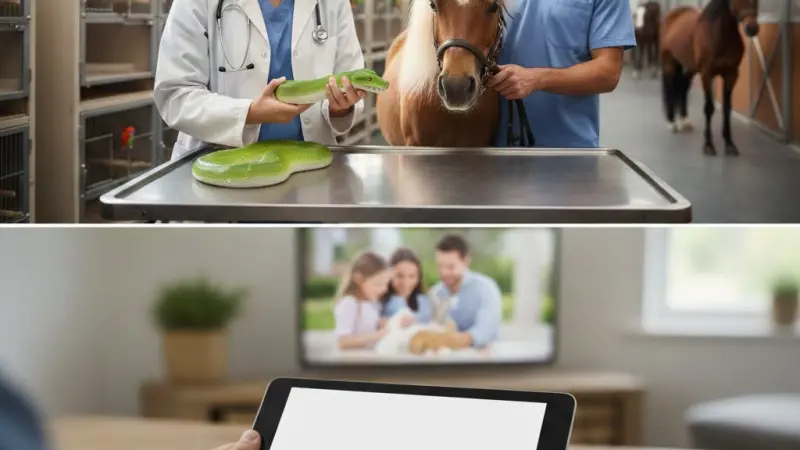
The "Breeders & Dealers – Other" sector in the United Kingdom represents a vital, multi-faceted segment of the national economy, extending far beyond the traditional image of domestic pet shops. This niche encompasses a diverse range of professionals, from specialist avian and reptile breeders to high-value equine dealers and livestock geneticists. In recent years, the industry has professionalised rapidly, driven by both consumer demand and stringent legislative frameworks like the Animal Welfare (Licensing of Activities Involving Animals) Regulations. As a cornerstone of the UK’s broader £8 billion pet care market, this sector supports thousands of rural and urban jobs, contributing significantly to the national GDP through animal sales, export of elite genetics, and the ancillary services of equipment and feed supply.

Finding a reputable provider within this space is no longer a matter of checking a local newspaper; it requires navigating a complex web of licensing and digital verification. For consumers and B2B partners alike, ensuring that a dealer is licensed is a moral and legal imperative. To simplify this search, many individuals now turn to a uk business directory website to filter for verified professionals who meet the UK’s high welfare standards.
The Landscape of Breeders & Dealers – Other in the UK
The UK’s animal breeding and dealing landscape has undergone a seismic shift in the mid-2020s. Following the "pandemic pet boom," which saw 3.2 million households acquire a new animal, the market has stabilised but remains significantly larger than its 2019 baseline. Currently, the "Other" breeding sector—which excludes mainstream high-volume dog and cat breeding—is a robust contributor to the economy, with the animal genetics market alone projected to grow at a CAGR of nearly 6% through to 2033.
Key regions of activity remain concentrated in rural hubs like North Yorkshire, Somerset, and the Scottish Borders, where land availability supports large-scale equine and exotic animal facilities. However, urban centres like London and Manchester have seen a rise in "boutique" breeders specialising in small mammals and ornamental birds. Evolution post-pandemic has focused on "quality over quantity," with a notable trend toward "premiumisation"—where buyers are willing to pay a significant premium for animals with documented health histories and superior temperaments.
In this evolving landscape, digital tools have become indispensable. Many modern breeders list their credentials on a uk local business directory to stand out from unlicensed "backyard" sellers who often lack the necessary local authority star ratings.
Comprehensive Services Breakdown
The "Breeders & Dealers – Other" category is a broad umbrella that covers several distinct specialisms:
Exotic and Specialist Breeders: This includes professionals focusing on reptiles, amphibians, and invertebrates. These breeders often provide comprehensive "lifetime support" packages, including specialized enclosures and climate-control advice.
Equine Dealers: Ranging from sports horse producers to pony dealers, these businesses are critical to the UK’s equestrian heritage.
Avian Specialists: Breeders of birds of prey, parrots, and ornamental waterfowl operate under strict CITES regulations and licensing.
Small Mammal Producers: Specialists in rabbits, guinea pigs, and fancy rats who focus on show-quality genetics and health screening.
For businesses looking to offer these niche services, visibility is key. To reach a wider audience, many professionals opt for a business
listing uk to ensure their specific niche—whether it be rare-breed poultry or championship-grade hamsters—is discoverable by the right demographic.
How to Choose the Right Service Provider
Selecting a service provider in this sector requires a rigorous vetting process. In the UK, any person breeding three or more litters a year or selling animals as a business must hold a valid Local Authority Licence.
Check the Star Rating: Most local authorities use a 1-to-5 star system. A 5-star rating indicates the highest welfare standards and a low-risk business.
Verify the License Number: Legally, breeders must display their license number on all advertisements.
Inspect the Premises: A reputable dealer will always welcome a scheduled visit. Look for cleanliness, adequate space, and the general temperament of the animals.
Online Reputation: Reviews and testimonials are invaluable. Searching for uk verified business listings can help you find professionals who have already been vetted by the community and directory platforms.
Industry Challenges & Future Outlook
The sector faces several headwinds as we move through 2026. Regulatory changes, particularly the expansion of "Lucy’s Law" and tighter controls on exotic imports, mean that administrative burdens for breeders are at an all-time high. Furthermore, sustainability is no longer optional; modern dealers are increasingly required to demonstrate "green" credentials, from reducing plastic waste in packaging to sourcing ethical, low-carbon feed.
Technology is also playing a transformative role. AI-driven health monitoring and blockchain-based pedigree tracking are becoming standard for high-end breeders. As the cost of compliance rises, many small-scale operators are finding that they need better marketing tools to justify their higher prices. Utilising a business listing uk can help these smaller, high-quality breeders maintain a competitive edge without a massive marketing budget.
Business Tips for Breeders & Dealers – Other Professionals
To thrive in 2026, animal professionals must move beyond word-of-mouth. Digital visibility is the new "shop front." Even the most ethical breeder will struggle to find buyers if they aren't appearing in local searches.
Optimise for Local Search: Ensure your business name, address, and phone number (NAP) are consistent across all platforms.
Showcase Credentials: Explicitly list your Local Authority Licence and star rating on your digital profiles.
Visual Storytelling: Use high-quality photography and video to show the environment the animals are raised in.
A strategic way to begin is by ensuring your business appears in uk service listings. This not only improves your SEO but also builds immediate trust with potential clients who are looking for professional, rather than casual, sellers.
Wrapping Up & Local Page Integration
The animal breeding and dealing sector remains a cornerstone of British life, combining a love for animals with high-level professional expertise. Whether you are a consumer looking for a healthy new pet or a business seeking a livestock partner, the importance of choosing a licensed, reputable professional cannot be overstated.
For UK businesses in this niche, the digital landscape is where the future lies. Local Page UK provides the premier platform for professionals to showcase their services, verify their credentials, and connect with a dedicated local audience. By bridging the gap between high-quality breeders and discerning buyers, Localpage ensures that animal welfare and business excellence go hand in hand.
Boost Your Visibility with Local Page UK
In the competitive "Breeders & Dealers – Other" sector, being "good" at what you do isn't enough—you have to be found. Local Page UK is designed specifically to help British small businesses and specialists reach their local community. By claiming your business listing uk, you can put your business in front of thousands of potential customers searching for verified animal professionals every day. Don't let your expertise go unnoticed; join the most trusted directory in the UK today.
Frequently Asked Questions
1. What exactly is a "Breeders & Dealers – Other" license?
In the UK, this category typically covers the breeding and sale of animals that do not fall under the primary dog or cat breeding categories. This includes birds, reptiles, small mammals, and exotic species. The license is issued by your local council after a thorough inspection of the premises by an animal welfare officer and, in some cases, a veterinarian. It ensures that the facility meets strict standards regarding space, nutrition, socialisation, and health. Holding this license is a legal requirement for anyone "selling animals as pets in the course of a business."
2. How can I check if a breeder is officially licensed?
Every licensed breeder or dealer in the UK is issued a unique license number by their local authority. Legally, they must display this number on their website and in any advertisements. You can verify this by checking the local council's online "Animal Licensing Register." If you cannot find the name, you should contact the council's Environmental Health department directly. Using a reputable uk online business directory can also help, as many platforms now require license verification before a listing is approved.
3. What is the star rating system for UK animal businesses?
The star rating system is a welfare standard indicator ranging from 1 to 5 stars. A 1-star rating usually means the business meets the minimum legal standards but is considered "higher risk" (often because it is new).
A 5-star rating is given to businesses that meet "higher standards" of welfare and have a proven track record of low-risk operation. As a consumer, choosing a 4 or 5-star breeder ensures you are supporting a business that goes above and beyond the legal minimum for animal care.
4. Do I need a license if I only breed animals as a hobby?
The "business test" is what determines the need for a license. If you breed animals with the intent to make a profit, or if you earn more than £1,000 in a year from sales, you are likely classified as a business and require a license. Even if you consider it a hobby, selling animals frequently or through online marketplaces may trigger a local authority inspection. It is always safer to consult your local council to avoid heavy fines or prosecution under the Animal Welfare Act.
5. Why is digital visibility important for local breeders?
In 2026, the majority of pet owners begin their search online. Without a presence on a dedicated Localpage, high-quality local breeders can be overshadowed by large-scale commercial operations or unethical "scam" listings. A digital profile allows you to display your license, share photos of your facilities, and collect reviews from happy customers, which builds the trust necessary to close a sale in a high-value niche market.
6. What are the requirements for selling exotic animals in the UK?
Selling exotic animals requires a "Selling Animals as Pets" license. Additionally, many species are protected under CITES (the Convention on International Trade in Endangered Species). If you are dealing in protected species, you must provide Article 10 paperwork to prove the animal was legally bred in captivity. Dealers must also provide the buyer with detailed "care sheets" that outline the specific biological needs of the animal, including UV lighting, humidity, and dietary requirements.
7. How has Lucy’s Law impacted animal dealers?
Lucy’s Law, introduced in 2020, prohibits the third-party sale of puppies and kittens. This means they must be sold by the person who bred them, at the place they were born. While this specifically targets dogs and cats, it has shifted the entire "Dealers" sector toward more transparency. Consumers now expect to see the parents and the breeding environment for almost all types of animals, and dealers who act as "middlemen" for other species are under increased scrutiny to prove the ethical origin of their stock.
8. What insurance do animal breeders and dealers need?
Professional breeders and dealers should hold Public Liability Insurance at a minimum. If you have employees, Employers’ Liability Insurance is a legal requirement. Many specialists also opt for "Professional Indemnity" and "Animal Mortality" insurance. This protects the business if an animal becomes ill shortly after a sale or if a visitor is injured on the premises. Having comprehensive insurance is often a prerequisite for obtaining a high star rating from the local council.
9. Can I sell animals online in the UK?
Yes, but you must follow strict advertising rules. You must include your license number and the name of the local authority that issued it in the advert. Many general marketplaces like Facebook have banned the sale of live animals, so many professionals are moving to specialist platforms and directories. Listing your business on a uk business directory is a safer and more professional way to attract serious buyers compared to social media groups.
10. What should be included in a "contract of sale" for an animal?
A professional contract should include the animal’s date of birth, health record (including vaccinations or parasite treatments), the license number of the breeder, and a "right to return" clause. This clause usually states that if a vet finds a pre-existing health condition within a certain timeframe, the buyer is entitled to a refund or help with vet bills. It provides legal protection for both the buyer and the seller.
11. How do I improve my animal business's local SEO?
To rank higher in local searches, ensure your "Google Business Profile" is fully updated and that you are listed in local directories. Use keywords that describe your specific niche, such as "licensed reptile dealer in Devon" or "pedigree rabbit breeder." Consistently gathering positive reviews from clients is the most effective way to signal to search engines that your business is a trusted authority in your area.
12. What are the penalties for breeding or dealing without a license?
Operating an animal-related business without a license is a criminal offence under the Animal Welfare (Licensing of Activities Involving Animals) (England) Regulations 2018. Penalties include unlimited fines and/or up to six months in prison. Furthermore, the local authority can ban you from ever holding an animal license or keeping animals in the future. It is a risk that can permanently end a professional career in the sector.
13. Is it better to buy from a breeder or a dealer?
A "breeder" produces the animals themselves, while a "dealer" may buy and sell animals bred by others (subject to licensing laws). When buying from a breeder, you can usually see the parents and the environment the animal was raised in from birth. When buying from a dealer, you must ensure they are licensed and can provide full traceability for where the animal came from. Both can be reputable, provided they are transparent and licensed.
14. What are the current trends in animal genetics and breeding?
In 2026, there is a massive move toward "Health-First Breeding." This involves using DNA testing to screen for hereditary diseases before mating. In the "Other" sector, this is particularly prevalent in the equine and avian worlds.
Buyers are increasingly asking for "Genetic Health Certificates" to ensure they aren't purchasing an animal that will suffer from chronic conditions later in life.
15. How do I get started with a professional listing for my animal business?
The easiest way to start is by creating a profile on a trusted platform like Local page. You will need to provide your business details, a description of your services, and high-quality images. Once your profile is live, you can add your license information to build immediate credibility. This helps you transition from a "hidden gem" to a well-known local authority in the animal breeding and dealing community.

Disclaimer: The information provided in this article is for general informational and research purposes only. Company details, features, services, and market positions may change over time. Readers are advised to visit official company websites and conduct independent research before making any business decisions or purchasing services.
Most Searchable Keywords

Recent Blogs



Related Listings
Categories
- Accountants (295)
- Advertising Agencies (559)
- Architects (149)
- Automobiles (377)
- Beauty (300)
- Carpenters (146)
- Cleaning Services (386)
- Dentists (189)
- Driving (62)
- Electricians (215)
- Energy (8)
- Event Organiser (685)
- Finance (599)
- Guide (3365)
- Health (2207)
- Information technology (206)
- Legal Services (353)
- Logistics (6)
- Maintenance (65)
- Manufacturing (35)

Sponsored Listings in Locksmith Services


Related Blogs

Gen Z Political Reporters and News Creators i...
Read this insightful article "Gen Z Political Reporters and News Creators in the UK" to expand your knowledge!

Famous Female Social Media Influencers Across...
Read this insightful article "Famous Female Social Media Influencers Across the UK" to expand your knowledge!

Your UK Sponsor Licence 2026 Step by Step Gui...
Read this insightful article "Your UK Sponsor Licence 2026 Step by Step Guide" to expand your knowledge!
Questions & Answers – Find What
You Need, Instantly!
How can I update my business listing?
Is it free to manage my business listing?
How long does it take for my updates to reflect?
Why is it important to keep my listing updated?
