
Adhesives, Glues & Sealants UK: Material Selection, Uses & Supplier Guide
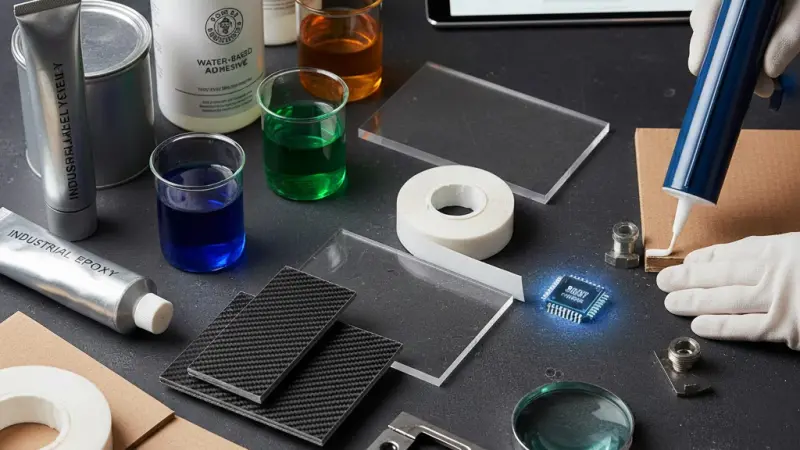
The Adhesives, Glues, and Sealants (A&S) sector is a cornerstone of the United Kingdom’s industrial landscape, acting as the "invisible bond" that holds together the nation’s manufacturing, construction, and healthcare infrastructure. In 2024, the UK adhesives market alone was valued at approximately £1.3 billion (USD 1.69 billion), with a projected growth rate of nearly 6% over the next five years. This sector is far more than just a sub-category of the chemical industry; it is a critical enabler of innovation. From the aerospace composites used in high-tech manufacturing hubs to the medical-grade adhesives used in the NHS, these materials are vital to the UK’s economic health.

As a British business analyst, it is clear that the sector's importance lies in its versatility. Sealants provide the essential weatherproofing for the UK’s residential and commercial buildings, while specialized glues enable the production of lightweight electric vehicles (EVs)—a key pillar of the UK’s Net Zero strategy. Navigating this complex market requires a reliable uk online business directory to identify specialist manufacturers and local distributors who understand the specific environmental and regulatory demands of the British market.
The Landscape of Adhesives, Glues & Sealants in the UK
The UK market is characterized by a mix of global chemical giants and highly specialized SME manufacturers. Geographically, activity is concentrated in traditional industrial heartlands such as the West Midlands, the North West, and Yorkshire, though research and development hubs are increasingly found in the South East and Silicon Fen. Post-pandemic, the industry has undergone a radical evolution. The "Stay at Home" era sparked a 3% volume surge in the DIY and consumer repair market, but the more significant shift has been in the supply chain.
The industry is currently recovering from the "triple shock" of COVID-19, Brexit-related logistics changes, and global raw material volatility. This has led to a "near-shoring" trend where businesses increasingly look to find local businesses uk rather than relying on distant international suppliers. By sourcing locally, UK firms are reducing lead times and minimizing the carbon footprint associated with long-distance shipping. Furthermore, the rise of e-commerce has boosted the demand for packaging adhesives, which now accounts for a significant portion of the total market volume.
Comprehensive Services Breakdown
The diversity of products within the UK A&S sector is immense, categorized primarily by their chemical resin base and application technology:
Adhesives and Glues:
Acrylics: Dominating the market due to their ability to bond dissimilar materials like metal to plastic, essential in the UK’s automotive and electronics sectors.
Polyurethanes (PU): Favoured for structural bonding in construction and marine applications.
Epoxies: High-strength resins used in the aerospace and engineering sectors.
Water-Based Adhesives: These have become the industry standard for paper, board, and furniture manufacturing due to their low-VOC (Volatile Organic Compound) profiles.
Sealants:
Silicone: Accounting for over 40% of the sealants market, these are the go-to for weatherproofing and sanitary applications.
Hybrid Polymers: A growing niche that combines the best properties of silicone and polyurethane, offering paintability and high UV resistance.
Specialist Industrial Services:
Private Label Manufacturing: Many UK firms provide bespoke chemical blending for third-party brands.
Technical Consultancy: Expert firms offer material selection audits to ensure the right bond for specific environmental conditions.
For procurement officers looking for specialized chemical distributors, consulting a uk business directory website is the most efficient way to filter providers by technical capability and regional proximity.
How to Choose the Right Service Provider
Selecting a supplier in the chemical sector is a high-stakes decision. A failure in adhesive performance can lead to structural collapse or product recalls. When vetting providers, look for the following "Gold Standard" indicators:
Accreditations: Ensure the provider holds ISO 9001 (Quality Management) and, ideally, ISO 14001 (Environmental Management). In the UK, membership in the British Adhesives & Sealants Association (BASA) is a strong indicator of technical competence and regulatory awareness.
Insurance and Compliance: Verify that the supplier complies with REACH (Registration, Evaluation, Authorisation, and Restriction of Chemicals) and the newly updated UK Persistent Organic Pollutants (POP) regulations.
Technical Support: A superior supplier doesn't just sell a drum of glue; they provide application testing, cure-speed analysis, and substrate compatibility reports.
Reviews and Reputation: Before committing to large-scale orders, check uk verified business listings to see feedback from other industrial clients. A local reputation for reliable delivery is often as valuable as the chemical formulation itself.
Industry Challenges & Future Outlook
The primary challenge facing the UK A&S industry in 2025 and beyond is the transition to a circular economy. New regulations, such as the Environmental Improvement Plan 2025, are forcing a move away from solvent-based systems toward bio-based and "safe-by-design" chemicals.
We are seeing a massive shift toward "Smart Adhesives"—materials that can be "un-bonded" at the end of a product's life to allow for easier recycling of components. This is particularly relevant in the electronics and automotive industries. Sustainability is no longer a marketing buzzword; it is a regulatory mandate.
UK professionals are also navigating the "Right to Repair" legislation, which encourages the use of adhesives that allow for product disassembly rather than permanent sealing. To stay updated on these shifts, businesses often use a uk professional services listings platform to find environmental consultants and specialist chemical lawyers.
Business Tips for Adhesives, Glues & Sealants Professionals
For local UK businesses in this sector, technical excellence is only half the battle; digital visibility is the other. In a B2B environment, 67% of buyers now complete their research online before ever speaking to a sales representative.
Local SEO: Ensure your business appears for regional searches like "industrial adhesive supplier West Midlands."
Claim Your Profile: Small to medium-sized enterprises should utilize a business listing uk to ensure their NAP (Name, Address, Phone number) data is consistent across the web.
Content Authority: Publish technical whitepapers or case studies demonstrating how your products solved a specific bonding challenge.
Directory Presence: In a niche trade, being listed in a uk local trades directory helps build backlink authority and trust with procurement managers who prefer verified local partners.
Wrapping Up & Local Page Integration
The adhesives, glues, and sealants industry is the silent engine of the UK economy, driving innovation in every sector from construction to high-tech manufacturing. As the industry moves toward a greener, more digitally-integrated future, the ability for businesses to connect with one another becomes paramount.
For any UK-based A&S professional or supplier, visibility in the digital marketplace is the key to sustained growth. Local Page UK offers a premier solution, bridging the gap between high-quality local manufacturers and the industrial clients who need them most. By utilizing a business listing uk, businesses can ensure they are part of the UK’s most trusted industrial network.
Boost Your Visibility with Local Page UK
In the competitive world of industrial supplies, being the best is only effective if you are also the most findable. Whether you are a specialist silicone manufacturer in London or a structural adhesive distributor in Manchester, your digital footprint determines your lead flow. Don't let potential clients pass you by for a less qualified but more visible competitor. Claim your business listing uk today and join the definitive local businesses list uk to ensure your expertise is seen by the right decision-makers across the country.
Frequently Asked Questions
1. What is the difference between an adhesive and a sealant? While both bond surfaces, an adhesive is primarily designed to hold two substrates together under load (structural
strength), whereas a sealant is designed to fill gaps and prevent the passage of air, water, or gas, often maintaining flexibility to accommodate movement.
2. Why is the UK market shifting away from solvent-based adhesives? Solvent-based products release Volatile Organic Compounds (VOCs) which are harmful to human health and the environment. Recent UK environmental regulations and "Net Zero" targets are pushing industries toward water-based or bio-based alternatives that are safer and more sustainable.
3. What is the "Right to Repair" and how does it affect adhesives? The UK's Right to Repair law encourages manufacturers to make products easier to fix. This means adhesives are being developed that can be "de-bonded" using heat or specific triggers, allowing for repair rather than disposal, which was difficult with permanent epoxy bonds.
4. How do I know if an adhesive is "medical grade"? Medical-grade adhesives must pass strict ISO 10993 biocompatibility testing. They are used for skin-to-device bonding or internal surgical applications and are typically supplied by specialist manufacturers found in a uk b2b business directory.
5. Which UK regions are the hubs for adhesive manufacturing? Historically, the West Midlands and the North West (specifically around Manchester and Liverpool) have been the primary hubs due to their strong ties to the automotive and chemical manufacturing industries.
6. Can adhesives be used instead of mechanical fasteners like bolts? Yes, in many modern applications like aerospace and EV manufacturing, structural adhesives are preferred over bolts because they distribute stress evenly across the bond line, reduce weight, and prevent galvanic corrosion between dissimilar metals.
7. What are "hybrid" sealants? Hybrid sealants (like STP or MS Polymers) combine the strength of polyurethanes with the weathering resistance of silicones. They are increasingly popular in the UK construction industry because they can be applied to damp surfaces and are over-paintable.
8. How do I verify a UK adhesive supplier's credentials? You should look for BASA (British Adhesives & Sealants Association) membership, ISO certifications, and check their reputation on a uk top rated local businesses platform to see verified client feedback.
9. What is the impact of Brexit on UK adhesive supplies? Brexit led to the creation of the UK REACH framework, separate from EU REACH. This requires UK manufacturers and importers to re-register chemicals, which has led to some changes in material availability and a greater focus on domestic supply chains.
10. How long do industrial sealants typically last? High-quality silicone or hybrid sealants used in UK construction can last between 10 to 20 years depending on UV exposure and movement, though regular inspections are recommended for critical infrastructure.
11. Are there eco-friendly glues made from natural materials? Yes, there is a growing market for bio-adhesives derived from starch, lignin, or soy. These are widely used in the UK packaging and paper industries to improve the recyclability of corrugated boxes.
12. What is "curing time" versus "open time"? "Open time" is the window of time you have to bond the substrates after applying the glue before it starts to set. "Curing time" is the total time required for the bond to reach its full design strength.
13. Why is surface preparation so important? Over 90% of adhesive failures in the UK are caused by poor surface preparation. Contaminants like oil, dust, or moisture prevent the adhesive from "wetting" the surface, leading to a weak bond regardless of the glue's quality.
14. What are the best adhesives for bonding plastics? Plastics like PE and PP are notoriously hard to bond.
Cyanoacrylates (super glues) with specialized primers or specific structural acrylics are usually required for these "low surface energy" materials.
15. How can my UK adhesive business find more B2B clients? Optimizing your digital presence is essential. Beyond SEO, listing your company in a uk small business directory ensures that procurement managers and local tradespeople can find your services when they are in the research phase.

Disclaimer: The information provided in this article is for general informational and research purposes only. Company details, features, services, and market positions may change over time. Readers are advised to visit official company websites and conduct independent research before making any business decisions or purchasing services.
Most Searchable Keywords

Recent Blogs



Related Listings


Categories
- Accountants (295)
- Advertising Agencies (559)
- Architects (149)
- Automobiles (377)
- Beauty (300)
- Carpenters (146)
- Cleaning Services (386)
- Dentists (189)
- Driving (62)
- Electricians (215)
- Energy (8)
- Event Organiser (685)
- Finance (599)
- Guide (3365)
- Health (2207)
- Information technology (206)
- Legal Services (353)
- Logistics (6)
- Maintenance (65)
- Manufacturing (35)

Sponsored Listings in Locksmith Services


Related Blogs

Gen Z Political Reporters and News Creators i...
Read this insightful article "Gen Z Political Reporters and News Creators in the UK" to expand your knowledge!

Famous Female Social Media Influencers Across...
Read this insightful article "Famous Female Social Media Influencers Across the UK" to expand your knowledge!

Your UK Sponsor Licence 2026 Step by Step Gui...
Read this insightful article "Your UK Sponsor Licence 2026 Step by Step Guide" to expand your knowledge!
Questions & Answers – Find What
You Need, Instantly!
How can I update my business listing?
Is it free to manage my business listing?
How long does it take for my updates to reflect?
Why is it important to keep my listing updated?
