
Building Blocks Explained: Choosing the Right Manufacturer & Distributor
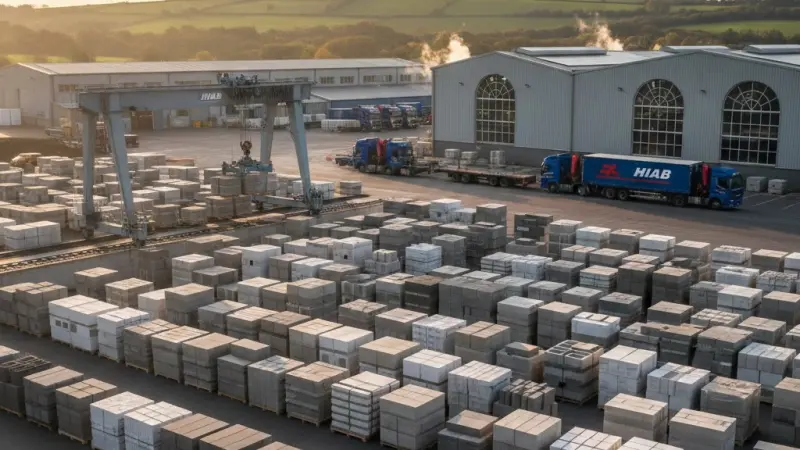
The construction industry serves as the backbone of the British economy, and at the heart of this sector lies the critical niche of building block manufacturers and distributors. Whether it is a massive infrastructure project in the City of London or a residential development in the Scottish Highlands, the quality, availability, and logistical efficiency of masonry units determine the success of the build. In the United Kingdom, the production and supply chain for building blocks is a sophisticated network that balances traditional craftsmanship with cutting-edge industrial automation.

For developers, architects, and independent contractors, the choice of a manufacturer or distributor is not merely a procurement decision; it is a strategic partnership. The sector contributes billions to the national GDP and supports hundreds of thousands of jobs across the manufacturing, logistics, and retail arms of the supply chain. As the UK faces a perennial housing shortage and a pressing need for modernised commercial spaces, the reliance on a robust uk online business directory to connect builders with reliable suppliers has never been higher.
Economic volatility and shifting trade patterns have placed the spotlight on domestic production. British manufacturers are increasingly preferred over imported alternatives due to lower carbon footprints and more predictable lead times. This sector is characterized by a high degree of specialisation, ranging from the production of dense aggregate blocks to lightweight aerated blocks designed for superior thermal insulation. Understanding the nuances of this market is essential for any professional looking to navigate the complexities of modern British construction.
The Landscape of Building Block Mnfrs & Distributors in the UK
The current landscape of building block production in the UK is a fascinating mix of multinational giants and highly specialised regional players. Historically, production has been concentrated in areas with rich mineral deposits, such as the East Midlands and South West England. Today, while these geographical hubs remain vital, the distribution network has expanded to ensure that even the most remote sites have access to high-quality materials.
Market data suggests that the demand for concrete blocks in the UK remains resilient, driven by the government's commitment to housebuilding targets. However, the industry has undergone a significant evolution post-pandemic. The global supply chain disruptions of 2020 and 2021 taught the UK construction industry a hard lesson about over-reliance on international imports. Consequently, we have seen a "re-shoring" of interest, with contractors looking closer to home. To find these domestic partners, many have turned to a uk business directory to source local expertise that can guarantee delivery schedules.
Post-pandemic, the focus has shifted toward digital integration and logistical transparency. Manufacturers are no longer just "makers"; they are data-driven entities providing BIM (Building Information Modelling) files, environmental product declarations (EPDs), and real-time tracking of shipments. This evolution ensures that the "Building Block" of the past—a simple heavy object—is now a highly engineered component with a digital twin, integrated into a complex, just-in-time delivery system.
Comprehensive Services Breakdown
Navigating the offerings of building block specialists requires an understanding of the diverse product categories and value-added services available in the modern market.
Product Specialisation
Dense Aggregate Blocks: The workhorses of the industry, these are used for load-bearing walls and provide excellent acoustic insulation.
Lightweight Aggregate Blocks: Preferred for their ease of handling and improved thermal performance, often used in inner leaves of cavity walls.
Aerated Concrete (AAC): These blocks are prized for their high insulation properties and are essential for meeting stringent UK building regulations regarding energy efficiency.
Architectural Masonry: Beyond structural utility, many manufacturers offer "fair-faced" blocks with specific colours and textures, eliminating the need for plastering or rendering.
Value-Added Services
Top-tier distributors do more than move pallets. They offer technical consultation, helping architects select the correct block strength (7.3N/mm2 vs 10.4N/mm2) for specific structural requirements.
Furthermore, modern distributors often provide "mixed-load" capabilities, allowing smaller firms to access a variety of materials without the need for massive storage space.
For those operating in this space, visibility is the currency of growth. Many successful firms ensure they are listed on a business listing uk to capture the attention of procurement managers who are increasingly searching for niche specialisations online. From bespoke cutting services to onsite technical support, the breadth of services offered today reflects an industry that is deeply integrated into the architectural design process.
How to Choose the Right Service Provider
Selecting a partner in the masonry supply chain requires a rigorous vetting process. In a market where a single delayed delivery can stall a multi-million-pound project, the "cheapest" option is rarely the most cost-effective.
Key Selection Criteria:
Accreditations: Ensure the manufacturer adheres to British Standards (BS EN 771-3). Look for ISO 9001 (Quality Management) and ISO 14001 (Environmental Management) certifications.
Logistical Capability: Does the distributor have a fleet of crane-offload vehicles (HIABs)? Can they navigate tight urban sites in London or Manchester?
Insurance and Liability: Comprehensive public and product liability insurance is non-negotiable for any reputable uk service listings entry.
Local Reputation: Reviews and case studies from similar projects are invaluable. A supplier might be great at high-volume residential builds but lack the precision needed for bespoke commercial architecture.
Using a uk local business directory allows you to filter providers based on their proximity to your site, which significantly reduces haulage costs and the associated environmental impact. Always request a "Schedule of Rates" and check for hidden "part-load" charges that can inflate the final invoice.
Industry Challenges & Future Outlook
The building block sector is currently navigating a period of profound transition. The most significant driver is the UK’s "Net Zero" target by 2050. Concrete production is traditionally carbon-intensive, leading to a surge in innovation regarding carbon-captured aggregates and cement-free blocks.
The Sustainability Shift
Manufacturers are now under pressure to provide EPDs (Environmental Product Declarations) that detail the "embodied carbon" of every block. We are seeing a move toward the circular economy, where crushed demolition waste is repurposed into new aggregate blocks. Professionals in this field must stay updated on these shifts, often utilizing a business listing uk to network with green-tech start-ups in the masonry space.
Regulatory and Technological Changes
Building Regulations (Part L) are becoming increasingly strict regarding thermal bridges and U-values. This means block manufacturers must innovate faster than ever. On the digital side, the adoption of AI for inventory management and the use of drones for warehouse stocktaking are becoming standard. Companies that fail to adapt to these digital and environmental demands will find themselves excluded from major government-funded tenders.
Business Tips for Building Block Professionals
If you are a manufacturer or distributor, your technical excellence is only half the battle; you must also be visible to your target audience. In the B2B world of construction, digital presence is no longer optional.
Local SEO is King: Most contractors search for "building blocks near me." Ensuring your Google Business Profile is optimized
and that you appear in a local business listings uk is vital for capturing local demand.
Content Authority: Publish technical guides on block strengths, fire ratings, and thermal efficiency. This builds trust with structural engineers and architects.
Leverage Directories: Do not underestimate the power of a find local businesses uk platform. These sites often have higher domain authority than a small local manufacturer's website, meaning they rank better on search engines and funnel high-intent traffic to your business.
Photography: High-quality images of your facility, your fleet, and completed projects provide tangible proof of your capacity and quality.
By maintaining an active presence on a uk local business search platform, you ensure that when a site manager needs an emergency delivery of 2,000 blocks, your name is the first they see.
Wrapping Up & Local Page Integration
The building block industry is a fundamental pillar of the UK's built environment. From the foundational strength of dense aggregates to the innovative future of carbon-neutral masonry, the manufacturers and distributors in this sector are essential to the nation's progress. Navigating this market requires a blend of technical knowledge, logistical foresight, and the right digital tools to find the perfect partners.
For businesses looking to thrive in this competitive landscape, visibility is everything. Whether you are an established manufacturer or a rising distributor, being part of a comprehensive local businesses list uk is the most effective way to ensure your services reach those who need them most. In an era where digital search precedes every physical purchase, having a presence on a platform like Local Page is the ultimate building block for your own business growth.
Boost Your Visibility with Local Page UK
In the fast-paced world of UK construction, your business cannot afford to be invisible. For professionals in the Building Block Manufacturers & Distributors sector, reaching procurement officers and site managers requires a multi-channel approach. By claiming your business listing uk on Local Page UK, you place your company in front of a targeted audience actively looking for trade and professional services. Don't let your competitors take the lead—build your digital foundation today.
Frequently Asked Questions
1. What are the main types of building blocks used in the UK?
The UK construction industry primarily uses three types of blocks: dense aggregate blocks, lightweight aggregate blocks, and autoclaved aerated concrete (AAC) blocks. Dense blocks are used for load-bearing walls due to their high compressive strength and sound insulation. Lightweight blocks are made with expanded clay or furnace bottom ash, making them easier to handle. AAC blocks, or "aircrete," provide the best thermal insulation, helping builders meet energy efficiency standards. Choosing the right type depends on whether the priority is structural strength, ease of manual handling, or heat retention within the building envelope.
2. How do I verify the quality of a block manufacturer?
Quality verification should start with British Standards. Any reputable manufacturer will have products tested to BS EN 771-3 standards. You should also look for a CE or UKCA mark, which indicates the product meets essential health, safety, and environmental requirements.
Furthermore, check for ISO 9001 certification, which proves the company follows a consistent quality management system. Visiting their facility or requesting a sample for testing is also a common practice for large-scale projects to ensure consistency in density and dimensions across different batches.
3. What is the difference between a manufacturer and a distributor?
A manufacturer is the entity that physically produces the blocks from raw materials like cement, water, and aggregates. They often deal in very high volumes. A distributor, or merchant, acts as the middleman. They purchase in bulk from various manufacturers and store the stock in local depots. Distributors are often more flexible for smaller contractors, offering mixed-load deliveries and shorter lead times. Many distributors also provide expert advice on which manufacturer's product is best suited for a specific local building regulation or soil condition.
4. How has the "Net Zero" target affected the industry?
The UK's commitment to Net Zero has forced the industry to innovate rapidly. Traditional cement production is a high carbon-emitter. As a result, many manufacturers are now using "secondary aggregates" (recycled materials) or "GGBS" (ground granulated blast-furnace slag) to reduce the carbon footprint of their blocks. Architects are increasingly requesting Environmental Product Declarations (EPDs) to calculate the total embodied carbon of a project. This shift is making sustainable manufacturing practices a major competitive advantage in the current UK market.
5. Where can I find a list of reputable local suppliers?
Finding local suppliers is best done through a dedicated Localpage which allows you to filter by region and service type. These directories often feature verified businesses, providing an extra layer of security for procurement managers. Using a local supplier is not just about supporting the local economy; it also significantly reduces "transport miles," which lowers the overall carbon footprint of your construction project and can lead to lower delivery fees compared to national haulage.
6. What are the typical delivery lead times for building blocks?
Lead times vary significantly based on the block type and current market demand. Standard dense blocks are usually available within 3-5 working days from local distributors. However, specialised architectural masonry or high-performance aerated blocks may have lead times of 2-4 weeks if they need to be manufactured to order. During peak construction seasons or periods of raw material shortages, these times can extend. It is always advisable to place "call-off" orders well in advance of when the materials are needed on-site.
7. Do I need special insurance to distribute building blocks?
Yes, distribution involves significant risks, particularly during the offloading process. A distributor should have comprehensive Public Liability Insurance and Product Liability Insurance. Additionally, if you operate a fleet of HGVs with crane attachments (HIABs), you need specific insurance for the lifting equipment and the "Goods in Transit." For those looking to hire a distributor, checking their insurance status on a verified listing site is a crucial step in the due diligence process to ensure you are protected against onsite accidents.
8. What is a "Fair-Faced" block?
A fair-faced block is a masonry unit designed to be left exposed rather than covered with plaster, render, or cladding. These blocks are manufactured with a higher degree of aesthetic consistency, featuring uniform colours and smooth or textured finishes. They are popular in commercial buildings, schools, and modern "industrial-style" residential interiors. Because they serve as both the structure and the finish, they require careful handling during transport and installation to avoid chips or cracks that would be visible in the final build.
9. Can I buy building blocks directly from the manufacturer?
Large-scale developers and national housebuilders often buy directly from manufacturers to secure the lowest possible unit price. However, for most small-to-medium enterprises (SMEs) or self-builders, manufacturers usually redirect sales through their approved distributor network. This is because manufacturers are set up for full-load deliveries (usually 20+ tonnes) and do not have the logistical infrastructure to manage small, frequent "drops." Buying through a distributor also provides access to credit accounts, which are vital for managing construction cash flow.
10. How do building blocks contribute to acoustic insulation?
Acoustic insulation is largely a function of mass. Dense aggregate blocks are excellent for preventing the transmission of sound between rooms or adjacent properties (party walls). In the UK, Building Regulations Part E sets out the requirements for sound insulation. Using high-density blocks (1800−2000kg/m3) helps builders meet these requirements without needing complex multi-layered wall systems. This makes masonry construction a preferred choice for apartment blocks and semi-detached housing where noise complaints can be a significant issue.
11. What are the challenges of transporting building blocks?
The primary challenge is weight. A single pallet of blocks can weigh over a tonne, meaning a standard delivery truck can only carry a limited number of units. This makes logistics expensive and sensitive to fuel price fluctuations. Furthermore, many construction sites have restricted access, requiring specialized "moffett" (truck-mounted forklifts) or urban-sized vehicles. Distributors must carefully plan routes to avoid low bridges and weight-restricted zones, making local knowledge an essential trait for any logistics partner in this sector.
12. Are there recycled options for building blocks?
Yes, the UK is a leader in recycled masonry. Many "Green Blocks" are now manufactured using up to 80% recycled content, including crushed glass, wood fibres, or recycled concrete aggregate (RCA) from demolition sites. These products often perform just as well as their virgin-material counterparts. Using recycled blocks can help a project achieve a higher BREEAM rating (Building Research Establishment Environmental Assessment Method), which is often a requirement for public sector builds and high-end commercial developments.
13. How should building blocks be stored on a construction site?
Blocks should be stored on level, firm ground to prevent the stacks from leaning or collapsing. They should remain in their original shrink-wrap until needed to protect them from excessive moisture. If the wrap is removed, they should be covered with polythene sheets. Absorbing too much rainwater can lead to "efflorescence" (white salty staining) or, in winter, can cause the blocks to crack if the absorbed water freezes and expands. Proper storage ensures the structural integrity and aesthetic quality of the masonry.
14. What are "BIM" files and why do manufacturers provide them?
BIM stands for Building Information Modelling. It is a digital representation of the physical and functional characteristics of a building. Leading UK manufacturers now provide BIM objects for their blocks, which architects can "drop" into their 3D design software.
These files contain data on thermal performance, weight, and fire rating. This allows for more accurate energy-loss calculations and structural simulations long before a single block is laid on-site, reducing errors and material waste during the construction phase.
15. How can a digital directory help my masonry business grow?
In a traditional industry like construction, word-of-mouth is powerful, but digital discovery is now the primary way new contracts are initiated. A digital directory connects you with a broader demographic, including out-of-area developers looking for local expertise. It provides a platform to showcase your accreditations, project gallery, and customer testimonials. By maintaining an updated profile on a platform like Local page, you ensure that your business is part of the professional ecosystem that modern contractors use to build their supply chains.

Disclaimer: The information provided in this article is for general informational and research purposes only. Company details, features, services, and market positions may change over time. Readers are advised to visit official company websites and conduct independent research before making any business decisions or purchasing services.
Most Searchable Keywords

Recent Blogs


Related Listings


Categories
- Accountants (295)
- Advertising Agencies (559)
- Architects (149)
- Automobiles (377)
- Beauty (300)
- Carpenters (146)
- Cleaning Services (386)
- Dentists (189)
- Driving (62)
- Electricians (215)
- Energy (8)
- Event Organiser (685)
- Finance (599)
- Guide (3365)
- Health (2207)
- Information technology (206)
- Legal Services (353)
- Logistics (6)
- Maintenance (65)
- Manufacturing (35)

Sponsored Listings in Locksmith Services


Related Blogs

Gen Z Political Reporters and News Creators i...
Read this insightful article "Gen Z Political Reporters and News Creators in the UK" to expand your knowledge!

Famous Female Social Media Influencers Across...
Read this insightful article "Famous Female Social Media Influencers Across the UK" to expand your knowledge!

Your UK Sponsor Licence 2026 Step by Step Gui...
Read this insightful article "Your UK Sponsor Licence 2026 Step by Step Guide" to expand your knowledge!
Questions & Answers – Find What
You Need, Instantly!
How can I update my business listing?
Is it free to manage my business listing?
How long does it take for my updates to reflect?
Why is it important to keep my listing updated?
