
Agricultural Merchants UK: Product Ranges, Pricing & Supply Insights
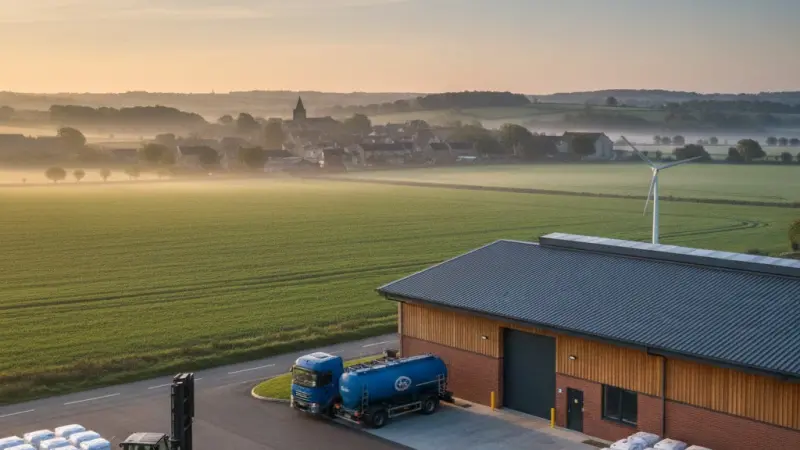
The agricultural merchant sector remains the bedrock of the United Kingdom’s rural economy. Often referred to as the 'fourth emergency service' by farmers, these merchants provide the essential bridge between global manufacturers and the local farm gate. In the UK, agriculture contributes approximately £12 billion to the national economy, but its true impact is magnified through the supply chains managed by professional merchants. From the rolling hills of the Cotswolds to the intensive arable fields of East Anglia, merchants ensure that the vital inputs—seed, fertiliser, animal feed, and fuel—are delivered with precision timing.
As we navigate a period of unprecedented change in British farming, the role of the merchant has evolved from a simple supplier to a strategic partner. They provide the technical expertise necessary to navigate new environmental subsidy schemes and the logistics required to keep the nation fed. For those looking to connect with these vital players, utilizing a uk local business directory is the most efficient way to identify regional specialists who understand the unique soil types and climatic conditions of specific British counties. This guide explores the intricate landscape of the industry, offering insights into product ranges, pricing volatility, and the future of supply chains.
The Landscape of Agricultural Merchants in the UK
The UK agricultural merchanting landscape is a diverse mix of multi-national corporations, regional family-run businesses, and farmer-owned cooperatives. Collectively, they manage the distribution of billions of pounds worth of inputs annually. Currently, the market is characterized by a "hub and spoke" model; large distribution centres serve as regional hubs, while local branches provide the face-to-face consultancy that farmers value. Key regions of activity remain concentrated in the South West for dairy and livestock, the East Midlands and East Anglia for cereal production, and the North for hardy livestock farming.
Post-pandemic, the industry has undergone a significant transformation. The "Just-in-Time" delivery model, which dominated the pre-2020 era, was severely tested by global supply chain disruptions. In response, merchants have invested heavily in localized warehousing and robust inventory management systems. There is also a growing trend toward digital integration. Modern farmers are increasingly using a uk business directory to find specialized suppliers who can offer niche products like regenerative agriculture blends or specific bio-stimulants. This shift toward "Phygital" (physical and digital) service ensures that while the handshake deal remains, it is supported by real-time data and online accessibility.
Comprehensive Services Breakdown
The product range offered by a modern UK agricultural merchant is staggering in its breadth. It typically spans five core categories:
1. Crop Nutrition and Protection
This includes nitrogen-based fertilisers, potash, and phosphates, alongside advanced liquid fertiliser solutions. Merchants provide agronomist-led advice on pesticide and herbicide application, ensuring compliance with the UK’s stringent environmental regulations.
2. Animal Feed and Nutrition
From bulk compound feeds to bespoke mineral buckets and supplements, merchants cater to every livestock sector. Pricing in this segment is highly sensitive to global soy and wheat markets, making the merchant’s role in securing forward contracts essential for farm profitability.
3. Seed and Genetics
Merchants are at the forefront of the "Better Biology" movement, supplying high-yield cereal seeds, oilseeds, and increasingly popular cover crops used in sustainable farming practices.
4. Hardware, Fencing, and General Supplies
Often referred to as the "Country Store" side of the business, this includes high-tensile fencing, animal health products (vaccines, wormers), and even workwear. This sector is a primary reason why many look for local business listings uk to find a nearby branch for immediate hardware needs.
5. Fuel and Lubricants
The delivery of red diesel (Gas Oil) and kerosene remains a staple service, with
merchants offering fuel management systems to help farmers track consumption and mitigate theft.
How to Choose the Right Service Provider
Selecting an agricultural merchant is a decision that impacts the entire harvest cycle. A farmer isn't just buying a bag of seed; they are buying the reliability of the supply chain behind it.
Accreditations and Standards
Ensure the merchant is a member of the Agricultural Industries Confederation (AIC). Look for specific schemes such as the Trade Assurance Scheme for Combinable Crops (TASCC) or the Feed Materials Assurance Scheme (FEMAS). These ensure that the products delivered are safe, traceable, and meet legal requirements.
Reputation and Reviews
In the rural community, reputation is everything. However, beyond word-of-mouth, it is wise to consult uk verified business listings to see independent reviews and service ratings. A merchant with a history of late deliveries during the harvest window can cost a farm thousands in lost yield.
Insurance and Credit Terms
Agricultural production is seasonal, meaning cash flow is often lumpy. Top-tier merchants offer flexible credit terms that align with the sale of crops or livestock. Always verify that they carry adequate professional indemnity insurance, especially if they are providing agronomy advice.
Industry Challenges & Future Outlook
The UK agricultural sector is currently facing its most significant regulatory shift since the 1970s. The transition from the Basic Payment Scheme (BPS) to the Sustainable Farming Incentive (SFI) under the Environmental Land Management (ELM) scheme is forcing a rethink of input usage.
Sustainability and Green Initiatives
Merchants are now stocking more "green" inputs—products that sequester carbon or reduce nitrogen runoff. The "Net Zero" target for British farming by 2040 means merchants must become experts in carbon auditing. Those who fail to adapt to these sustainability demands will likely see their market share diminish.
Technological Shifts
From precision farming tools to satellite-guided fertiliser spreaders, technology is reducing the volume of inputs required while increasing their efficiency. For tech-focused providers, listing their specialisms on a uk local business directory is vital to attracting the next generation of "AgTech" savvy farmers.
Business Tips for Agricultural Merchants Professionals
For professionals operating in this niche, the days of relying solely on the local market day for leads are over. Digital visibility is the new "shop front."
Marketing and Digital Presence
Many merchants still lack a robust online presence. By securing a business listing uk, a merchant can ensure that when a farmer searches for "cattle feed near me" or "agronomy services," their business appears in the results. High-quality imagery of the warehouse, delivery fleet, and staff builds immediate trust.
Networking and B2B Relationships
Strength in this industry comes from partnerships. Whether you are a small independent or a growing regional player, being part
of a uk b2b business directory allows you to connect with wholesalers, logistics providers, and manufacturers more effectively.
Wrapping Up & Local Page Integration
The UK agricultural merchant sector is a resilient, innovative, and essential component of the British economy. As pricing volatility and environmental regulations continue to present challenges, the expertise provided by these professionals will only become more valuable.
For businesses looking to thrive in this competitive landscape, visibility is the key to growth. Local Page provides the premier solution for UK-based companies to showcase their services to a targeted audience. By ensuring your business is listed correctly, you bridge the gap between your expertise and the farmers who need it most.
Boost Your Visibility with Local Page UK
In an industry where location and reliability are paramount, appearing at the top of local search results is a competitive necessity. Whether you specialize in bulk grain trading or local animal health supplies, your customers are looking for you online. We invite all UK agricultural merchants and service providers to claim their business listing uk today. By joining the local page uk business directory, you ensure that your business is reachable, verified, and ready for the future of digital trade.
Frequently Asked Questions
What are the primary responsibilities of an agricultural merchant in the UK? Agricultural merchants act as the vital link in the supply chain, sourcing inputs like seed, fertiliser, and feed from manufacturers and distributing them to farmers. They also provide technical advice, agronomy services, and credit facilities to help farms manage their seasonal cash flow and production cycles.
How has Brexit affected the pricing of agricultural inputs? Brexit has introduced new customs procedures and regulatory requirements, which have contributed to increased administrative costs and potential delays at the border. This, combined with currency fluctuations, has led to greater price volatility for imported goods like machinery parts and certain chemicals.
Why should a merchant use a uk small business directory? A directory listing increases online visibility, helping local farmers find the merchant’s services through search engines. It also provides a platform for verified reviews and contact information, building trust with potential new clients who may be moving into the area or looking for better service.
What is the difference between an independent merchant and a cooperative? An independent merchant is a private business, often family-owned, focused on providing personalized service.
A cooperative is owned by its farmer-members, often returning profits to them in the form of dividends or lower input costs, though service styles can differ significantly between the two.
How can I find a reliable merchant for organic farming supplies? You can search a uk service listings site and filter for organic-certified merchants. Look for those who explicitly mention certification from bodies like the Soil Association to ensure their products meet organic standards.
What is the impact of global energy prices on fertiliser costs? The production of nitrogen fertiliser is highly energy-intensive, primarily relying on natural gas. When global gas prices rise, the cost of manufacturing fertiliser increases sharply, which merchants must then pass on to the farmer, often leading to rapid price changes in the market.
Do agricultural merchants offer delivery services to remote areas? Yes, most merchants have their own fleet of specialized vehicles, including ATVs and tankers, designed to reach remote farm locations. Delivery schedules are often optimized regionally to ensure cost-effectiveness and timely arrival of essential supplies.
How do I list my agricultural business for free? You can visit a business listing uk and follow the registration process. You will typically need to provide your business name, address, contact details, and a description of your agricultural specialisms to get started.
Are agricultural merchants involved in grain marketing? Many merchants operate a "buy-back" system where they supply the seed and then offer to buy the resulting crop from the farmer at harvest. This provides farmers with a guaranteed market and helps merchants secure a consistent supply of grain for their own processing or export.
What role do agronomists play within a merchanting business? Agronomists are crop specialists who visit farms to monitor plant health and soil conditions. They provide prescriptions for fertilisers and pesticides, ensuring that farmers use chemicals responsibly and efficiently to maximize yields while minimizing environmental impact.
How can technology improve the merchant-farmer relationship? Digital portals allow farmers to track their orders, view invoices, and access technical data sheets in real-time. Merchants can use data analytics to predict when a farmer might need a top-up of feed or fuel, allowing for proactive and efficient service.
What insurance should a reputable merchant carry? A professional merchant should have public liability, product liability, and professional indemnity insurance. This protects both the business and the farmer in the event of faulty products or incorrect technical advice that leads to crop failure or financial loss.
Is it possible to find uk top rated local businesses for livestock equipment? Yes, using a specialized directory allows you to see ratings and testimonials from other farmers. This is particularly useful for high-capital investments like livestock handling systems or milking parlour technology where quality is critical.
How are merchants supporting the transition to sustainable farming? Merchants are increasingly stocking bio-stimulants, cover crop seeds, and precision application tools.
They also provide the technical knowledge required for farmers to join environmental schemes, helping them balance profitability with ecological stewardship.
Can I get credit terms from most agricultural merchants? Most established merchants offer trade accounts with credit terms, usually ranging from 28 days to seasonal "harvest-to-harvest" terms. Approval is typically subject to credit checks and a history of reliable trading within the industry.
Disclaimer: The information provided in this article is for general informational and research purposes only. Company details, features, services, and market positions may change over time. Readers are advised to visit official company websites and conduct independent research before making any business decisions or purchasing services.
Most Searchable Keywords
Recent Blogs


Related Listings

Categories
- Accountants (295)
- Advertising Agencies (559)
- Architects (149)
- Automobiles (377)
- Beauty (300)
- Carpenters (146)
- Cleaning Services (387)
- Dentists (189)
- Driving (62)
- Education (1)
- Electricians (215)
- Energy (8)
- Event Organiser (687)
- Finance (602)
- Guide (3439)
- Health (2207)
- Information technology (206)
- Legal Services (361)
- Logistics (6)
- Maintenance (65)
Sponsored Listings in Legal Services

Related Blogs

When Is My MOT Due Free Check and Common Fail...
Read this insightful article "When Is My MOT Due Free Check and Common Failures" to expand your knowledge!
Lost V5C Log Book Cost Timescale and Rules
Read this insightful article "Lost V5C Log Book Cost Timescale and Rules" to expand your knowledge!

Intensive Driving Courses: Costs Pass Rates a...
Read this insightful article "Intensive Driving Courses: Costs Pass Rates and Who They Suit" to expand your knowledge!
Questions & Answers – Find What
You Need, Instantly!
How can I update my business listing?
Is it free to manage my business listing?
How long does it take for my updates to reflect?
Why is it important to keep my listing updated?
