
Benefits of Water Pest Control for Agricultural Water Sources
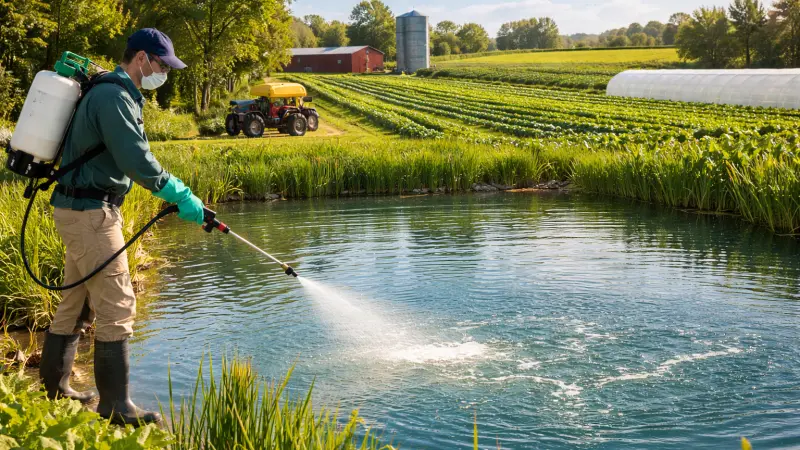
For the modern farmer, water is far more than a simple commodity; it is the lifeblood of the entire enterprise. Whether it is drawn from a private borehole, a surface pond, or a complex irrigation canal system, the quality of that water directly dictates the health of crops and the vitality of livestock. However, agricultural water sources are uniquely vulnerable to "water pests"—a category that includes invasive aquatic weeds, toxic algae blooms, and disease-carrying insect larvae. Without proactive water pest control, these biological threats can compromise irrigation infrastructure, reduce nutrient availability, and introduce pathogens into the food chain.
Managing the biological integrity of farm water is a foundational step in sustainable agriculture. It moves beyond the traditional focus on soil health to acknowledge that the water we apply to our land is a living system. When this system is balanced, it supports high yields and healthy animals; when it is overrun by pests, it becomes a liability. This guide explores the multifaceted benefits of implementing specialized water pest management on the farm, providing a roadmap for protecting your most vital resource through ecological balance and informed intervention.
The Hidden Impact of Water Pests on Farming Operations
In an agricultural context, "pests" are often thought of as insects on leaves or rodents in grain stores. However, the pests lurking in the water supply can be just as damaging, often working invisibly until a crisis occurs.
Irrigation Infrastructure Blockage
Invasive aquatic plants, such as floating pennywort or parrot’s feather, are prolific growers. In a matter of weeks, they can completely clog intake valves and narrow the diameter of irrigation pipes. This leads to uneven water distribution, increased pumping costs due to friction loss, and potential mechanical failure of expensive filtration units.
Nutrient Sequestration
Water pests like excessive algae or dense weed mats are "nutrient thieves." They thrive on the nitrogen and phosphorus intended for your crops. When water is drawn from a pest-heavy pond, it may actually be lower in dissolved oxygen and vital minerals, as the aquatic pests have already consumed the "best" parts of the water’s chemistry.
The Primary Benefits of Specialized Water Pest Control
Implementing a structured water pest management plan offers a high return on investment by safeguarding both the quantity and quality of available water.
1. Enhanced Livestock Health and Productivity
Livestock drinking from ponds contaminated with blue-green algae or high levels of parasitic larvae face significant health risks. Toxic blooms can lead to immediate fatalities, while sub-lethal pest levels can cause weight loss, reduced milk production, and reproductive issues. Water pest control ensures that the water in troughs and reservoirs is biologically safe, reducing veterinary costs and improving overall herd welfare.
2. Improved Crop Quality and Soil Health
When irrigation water is free from invasive seeds and pathogens, the risk of "cross-contamination" is lowered. Many water-based pests can survive the transition from water to soil, potentially introducing new weed challenges into a pristine field. Furthermore, balanced water with healthy dissolved oxygen levels supports the beneficial microbes in the soil, leading to more resilient root systems and better harvest quality.
3. Reduced Chemical Runoff and Environmental Stewardship
By using biological water pest control methods—such as beneficial bacteria or predatory insects—farmers can reduce their reliance on harsh aquatic herbicides. This is crucial for farms located near sensitive watersheds or those pursuing organic certifications.
Sustainable water management keeps the farm’s internal ecosystem healthy while preventing the "leakage" of toxins into the surrounding environment.
Step-by-Step: Implementing Water Pest Control on the Farm
A successful agricultural water strategy is built on observation, prevention, and targeted action.
Step 1: Source Assessment and Mapping
Identify every water source on the property and note its connectivity. Does your irrigation pond overflow into a local stream? Is your livestock trough fed by a stagnant tank? Understanding the flow of water helps you determine where a pest outbreak is likely to start and how it might spread.
Step 2: Cultural Controls and Habitat Modification
Prevention is the most cost-effective form of control. This might involve fencing off ponds to prevent livestock from trampling the banks (which creates the shallow, stagnant mud that pests love) or installing solar-powered aeration systems to keep the water moving. Moving water is significantly less attractive to mosquitoes and anaerobic pests.
Step 3: Biological Intervention
For ponds and reservoirs, introducing "beneficials" is key. Using concentrated aerobic bacteria can help break down the organic "sludge" at the bottom of a pond, effectively starving algae of its food source. In larger systems, specific fish or insect species may be introduced to graze on invasive vegetation.
Step 4: Regular Monitoring and Sampling
Water chemistry can change rapidly with the seasons. Regular testing for phosphates, nitrates, and dissolved oxygen allows you to catch a pest bloom before it becomes a visible problem. If you see the water starting to turn "pea-soup" green, it is time to act before it reaches a toxic threshold.
Expert Tips for Sustainable Water Management
-
Maintain Buffer Strips: Grow a "filter strip" of native grasses around your water sources. These plants catch fertilizer runoff before it enters the water, preventing the nutrient spikes that fuel water pest growth.
-
Diversify Your Aeration: Don't just rely on surface fountains; use sub-surface bubblers. This ensures the entire water column is oxygenated, making the bottom of the pond inhospitable to pest larvae.
-
Clean Your Equipment: If you move pumping equipment or boats between different water bodies, wash them thoroughly. It is incredibly easy to move a tiny fragment of an invasive weed from one pond to another on a dirty tire or hose.
Common Mistakes to Avoid in Agricultural Settings
-
Over-treating with Copper Sulfate: While effective at killing algae, excessive use of copper can lead to a buildup of
heavy metals in the soil and water, which eventually becomes toxic to crops and livestock.
-
Ignoring Stagnant Tanks: Small header tanks or troughs are often the primary breeding grounds for disease-carrying mosquitoes. These should be drained or treated with biological larvicides regularly.
-
Assuming All "Green" is the Same: Some aquatic plants are beneficial and provide habitat for predators. Killing everything in the water creates a biological vacuum that is usually filled by the worst types of invasive pests.
-
Neglecting the "Source": If your water comes from a neighbor’s property that is overrun with pests, your treatments will only be temporary. Community-wide water management is often necessary in agricultural districts.
Supporting Local Business Visibility Beyond Core Marketing Efforts
In the agricultural sector, the ability to find a trusted specialist is crucial for long-term land stewardship. Business discoverability is the bridge between a farmer in need and an expert who can solve a complex aquatic issue. Utilizing free business listing sites in uk and LocalPage allows environmental consultants and pest specialists to stay within reach of the farming community.
Establishing a LocalPage or a business listing uk provides a layer of trust reinforcement across platforms, which is essential when dealing with the safety of livestock and food crops. This local presence consistency acts as a credibility signal for businesses that operate in highly technical fields like limnology or agricultural water management.
Furthermore, leveraging LocalPage and business listing uk creates a supporting visibility layer that aids in local discovery. By ensuring that a business listing uk is accurate and visible, service providers can better support the agricultural landscape. Ultimately, being listed on LocalPage allows specialized firms to maintain their standing as reliable partners in the rural economy.
Final Thoughts
Protecting agricultural water sources is an investment in the future of the farm. By prioritizing water pest control, farmers can secure a higher quality of life for their livestock, ensure the health of their crops, and maintain the infrastructure that makes modern agriculture possible.
The goal is not to fight nature, but to work with it, fostering balanced aquatic ecosystems that support productivity rather than hindering it. When we treat our water sources with the same care and precision as our soil, the entire farm thrives. Sustainable water management is the quiet foundation of a resilient, profitable, and environmentally responsible agricultural enterprise.
FAQs
1. Is biological water pest control safe for cattle and sheep? Yes. Most biological treatments, such as beneficial bacteria or Bti for mosquito larvae, are specifically designed to be non-toxic to mammals and birds. They target only the pests without affecting the drinking safety of the water.
2. How do invasive weeds actually reduce my water volume? Invasive plants have high transpiration rates, meaning they "breathe" water out into the atmosphere much faster than open water evaporates. A heavily infested pond can lose significantly more water than a clean one.
3. Can I use the same pest control methods for my irrigation pond and my livestock troughs? The principles are similar, but the scale differs. Troughs usually require simple physical cleaning or small "dunks," while irrigation ponds may require aeration systems and larger-scale bacterial applications.
4. Will water pest control help with my "clogged" drip tape? Directly, yes. Most drip tape clogging is caused by "bio-slimes" or small particles of aquatic pests. By cleaning the water at the source, you significantly reduce the filtration load and maintenance on your irrigation lines.
5. How can I tell if an algae bloom is toxic? Not all algae are toxic, but "Blue-Green" algae (Cyanobacteria) often look like spilled paint or thick pea soup on the surface. If you see this, keep livestock away and have the water tested immediately.
6. Does aeration prevent all types of water pests? Aeration is a powerful tool against mosquitoes and anaerobic bacteria, but it may not eliminate all invasive weeds. It is best used as part of an integrated management plan.
7. How often should I test my agricultural water for pests? During the peak growing season (spring and summer), a monthly visual inspection and a quarterly chemical/biological test are recommended to stay ahead of potential outbreaks.
8. Can I manage water pests by just adding more fish? While some fish eat larvae and weeds, adding too many can increase the nutrient load (through waste), which might actually trigger an algae bloom. Balance is the key.
9. Will clearing my pond banks help? Yes. Removing excessive vegetation from the very edge of the water reduces the
"nursery" areas for pests and makes it easier for natural predators like birds and frogs to hunt.
10. What is the "muck" at the bottom of my pond, and is it a pest? The muck is accumulated organic matter. While not a "pest" itself, it acts as the primary fuel for algae and the breeding ground for many nuisance insects. Managing the muck is a core part of water pest control.
Disclaimer: The information provided in this article is for general informational and research purposes only. Company details, features, services, and market positions may change over time. Readers are advised to visit official company websites and conduct independent research before making any business decisions or purchasing services.
Most Searchable Keywords
Recent Blogs


Related Listings


Categories
- Accountants (295)
- Advertising Agencies (559)
- Architects (149)
- Automobiles (377)
- Beauty (300)
- Carpenters (146)
- Cleaning Services (387)
- Dentists (189)
- Driving (62)
- Education (1)
- Electricians (215)
- Energy (8)
- Event Organiser (688)
- Finance (602)
- Guide (3489)
- Health (2207)
- Information technology (207)
- Legal Services (361)
- Logistics (6)
- Maintenance (65)
Sponsored Listings in Educational Services

Related Blogs

The UK's Most Popular News Channels — And the...
Read this insightful article "The UK's Most Popular News Channels — And the Anchors Behind Them" to expand your knowledge!

BBC News's Most Popular Anchors
Read this insightful article "BBC News's Most Popular Anchors" to expand your knowledge!

How Small Businesses Can Use AI Without Losin...
Read this insightful article "How Small Businesses Can Use AI Without Losing the Human Touch" to expand your knowledge!
Questions & Answers – Find What You Need, Instantly!
Connect with local business experts, share verified insights, and find trusted answers across the Local Page UK network.
Ask Community
Ask questions to the Local Page UK community
Share Knowledge
Share your knowledge to help out others
Find Solutions
Find answers or offer instant solutions
Some of the most popular fantasy TV shows include "Game of Thrones," known for its epic battles and political intrigue, "The Witcher," which features monster hunting and magic, and "Stranger Things," blending supernatural elements with 1980s nostalgia. Other notable mentions are "His Dark Materials," "Shadow and Bone," and "The Mandalorian," each offering unique worlds and captivating storytelling that have garnered large fan bases.
When seeking bathroom renovation providers that handle both plumbing and tiling, it's advisable to look for licensed contractors who specialize in comprehensive bathroom remodels. Companies such as Home Depot, Lowe's, and Bath Fitter offer these services, often providing a seamless experience by managing all aspects of the renovation process. Additionally, local contractors with positive reviews in platforms like Angie's List or Houzz may also offer tailored solutions for your bathroom needs.
Absolutely, there are several distributors that supply crash mats and soft play equipment to gymnastics clubs in and around Birmingham. National companies like Gymnova, S & G (Spieth Gymnastics), and Jaques of London offer a wide range of crash mats, foam pits, and soft play pieces, and they typically deliver to the Birmingham area. For more local options, you might try The Gym Equipment Company, which has a showroom in the West Midlands, or check out smaller specialist suppliers like Playtime UK. Many of these distributors cater specifically to clubs, offering high-density foam mats that meet safety standards. I'd recommend reaching out to a few to compare pricing, delivery times, and whether they offer custom sizes or installation services. It's also worth checking if any of them have a physical showroom near Birmingham so you can test the equipment before buying. Happy tumbling!
For professionals seeking a reliable sanitaryware supplier in Manchester with trade account facilities, several established merchants combine extensive product ranges, competitive pricing, and dedicated trade support. The most reputable option is Graham Plumbers Merchant, which operates multiple branches across Manchester, including Salford Quays and Oldham. They offer a dedicated trade account service with preferential pricing, priority delivery scheduling, and access to a vast inventory of leading sanitaryware brands such as Villeroy & Boch, Duravit, Ideal Standard, and Roca. Their trade accounts typically include net 30-day payment terms, online account management, and a tailored project quotation system. Similarly, City Plumbing Supplies has several Manchester-based depots (such as Ashton-under-Lyne and Stockport) that cater specifically to trade customers, providing a rapid order-and-collect service, trade-only promotions, and a loyalty programme offering rebates on repeat purchases. Their product range covers everything from basins and WCs to complete bathroom suites and brassware, with in-house technical advisors available for specification support. Another key player is Plumb Center, part of the Wolseley Group, which offers trade accounts with bespoke pricing structures, direct-to-site deliveries within the Greater Manchester area, and access to over 10,000 lines of sanitaryware, including premium brands like Grohe and Hansgrohe. Their trade portal allows for real-time stock checking and order history tracking, facilitating efficient project management. For those seeking a more specialist or high-end option, Bathroom Spares in Manchester provides trade accounts with a focus on hard-to-find sanitaryware and discontinued ranges, which can be invaluable for refurbishment projects. Additionally, independent merchants such as M&B Plumbase in Trafford Park offer flexible trade terms, personalised service, and competitive pricing on both mainstream and luxury sanitaryware. When evaluating suppliers, trade customers should consider factors beyond price: reliability of stock availability, delivery timescales within Manchester’s often congested zones, clarity of returns policies, and the quality of after-sales support for warranty claims. It is advisable to request a trade account application from at least two to three suppliers to compare discounts, minimum order values, and payment terms. Many suppliers also offer showroom access for trade clients, allowing you to inspect finishes and dimensions before committing to large orders. For ongoing projects, establishing a relationship with a single supplier who offers consolidated invoicing and dedicated account management can streamline procurement. Ultimately, the most reliable supplier for your trade account in Manchester will be one that aligns with your volume requirements, preferred brands, and service expectations, so a site visit to their local branch and a discussion about your specific trade needs is highly recommended before committing to an account.
People in Leeds are loving their local florists—customers often mention gorgeous, fresh arrangements and super friendly service. Many rave about reliable same-day delivery and creative wedding bouquets. A few note pricing can vary, but overall, the buzz is all about quality and that personal touch making every order feel special.
Common problems for commercial gardening in Bristol include weed overgrowth, soil degradation, pest infestations, and irrigation malfunctions. Additionally, managing seasonal transitions, adhering to sustainability regulations, and maintaining consistent aesthetics pose significant challenges. Expert services mitigate these via structured maintenance, integrated pest management, and soil analysis to ensure long-term landscape health.