
Aldi UK: The Secret Strategy Behind Britain’s Favourite Disrupter
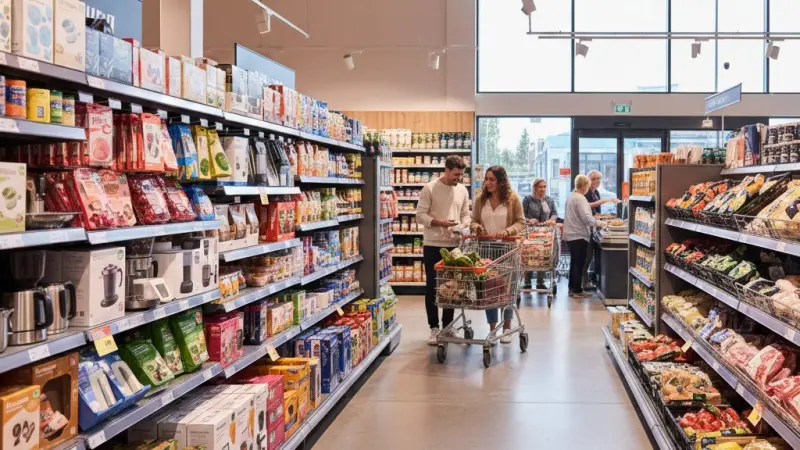
Aldi UK is the British branch of the global discount supermarket giant, providing high-quality groceries and household essentials at significantly lower prices than traditional competitors. By focusing on private-label brands and operational efficiency, Aldi has grown from a single store in Birmingham in 1990 to become the fourth-largest supermarket chain in the United Kingdom. Customers choose Aldi for its streamlined shopping experience, famous Specialbuys, and commitment to British sourcing. To get the best value at Aldi UK, shoppers should look for the Super Six fruit and vegetable deals, shop early for limited-edition middle aisle items, and embrace the high-speed checkout process that characterises the brand's efficiency. With over a thousand stores across the country, the retailer continues to expand its footprint, challenging the dominance of the Big Four supermarkets while maintaining a firm grip on the hearts of budget-conscious British households.
The rise of the discount model in the United Kingdom represents a fundamental shift in consumer behaviour. For decades, the British public relied on massive hypermarkets with endless choices. However, the arrival of a leaner, more focused alternative proved that quality did not have to be sacrificed for the sake of a lower price point. Aldi operates on a philosophy of simplicity, removing the hidden costs of marketing and complex logistics to pass savings directly to the person at the till. This approach has resonated particularly well during periods of economic fluctuation, cementing the brand's position as a reliable pillar of the community.
Evolution of the Discount Supermarket Model
The journey of this retailer began with a specific vision: to simplify the grocery shop while ensuring that every product on the shelf met a rigorous standard of excellence. Unlike traditional grocers that stock thousands of variations of a single product, the discount model focuses on curated selections. This strategy reduces waste and lowers overhead costs, allowing for a more sustainable business model that benefits both the retailer and the consumer. Over the past thirty years, the brand has evolved from a "budget" option into a mainstream choice for all demographics, proving that value is a universal priority.
Impact on British Retail Culture
The influence of this supermarket on the UK high street cannot be overstated. It forced established giants to rethink their pricing strategies and introduced the concept of "price matching" to the public consciousness. Beyond the financial aspect, it changed how people perceive store brands. Previously, "own-brand" items were seen as inferior, but the high performance of these products in blind taste tests and industry awards has completely shifted that narrative. Today, many shoppers prefer the house brands over traditional household names.
Changing Consumer Perceptions
Shoppers now recognise that a lower price doesn't equate to a compromise in ethics or taste. By winning numerous awards for their wines, spirits, and fresh produce, the retailer has built a level of trust that rivals heritage brands. This cultural shift has made the weekly shop more efficient and less influenced by expensive marketing campaigns.
Commitment to British Farming and Sourcing
One of the strongest pillars of the brand's success in the UK is its dedication to local suppliers. By sourcing a vast majority of its core products from British farms, the retailer ensures freshness while supporting the domestic economy. This commitment is particularly visible in the meat, dairy, and poultry sections, where the Red Tractor logo is a frequent sight. This strategy not only reduces the carbon footprint associated with long-distance shipping but also fosters long-term relationships with British producers who value the consistency and fairness of the partnership.
Supporting Regional Producers
Local sourcing extends beyond just the basics. Many regional specialities find their way onto the shelves, allowing small-scale producers to reach a national audience. This reciprocal relationship ensures that the supermarket remains connected to the communities it serves. By prioritising British goods, the company provides a buffer against global supply chain disruptions, ensuring that shelves remain stocked with high-quality produce even when international markets are volatile. It is a win-win scenario for the farmer, the shop, and the final customer.
Freshness and Quality Standards
Rigorous quality checks are performed at every stage of the supply chain. From the farm gate to the store shelf, products are monitored to ensure they meet strict British standards. This focus on local supply chains results in a shorter time from harvest to home, which is a key differentiator in the competitive fresh food market.
The Mystery and Allure of the Middle Aisle
Perhaps no feature of the modern supermarket is as talked about as the central aisle dedicated to non-food items. Known as Specialbuys, these products are released twice a week and cover everything from gardening tools to high-end kitchen gadgets. The limited nature of these items creates a sense of urgency and excitement, turning a mundane grocery run into a treasure hunt. This clever retail tactic has garnered a cult following, with dedicated social media groups and forums tracking the latest releases and sharing tips on how to secure the most popular items before they sell out.
Navigating the Seasonal Releases
The strategy behind these releases is meticulously planned to align with the British seasons. In the spring, the focus shifts to garden renovations and outdoor living, while the winter months see an influx of cosy home essentials and festive decorations.
The value offered in this section is often unbeatable, frequently undercutting specialist retailers on price without lagging behind on functionality. This unpredictability keeps the brand relevant and ensures that customers return frequently to see what new surprises have arrived on the shelves since their last visit.
Maximising the Specialbuy Experience
To truly benefit from these deals, shoppers often use the mobile app to preview upcoming stock. Being prepared is essential, as the most sought-after products, such as air fryers or garden furniture, can disappear within minutes of the store opening. It is a unique aspect of the brand that blends traditional retail with event-based shopping.
Operational Efficiency as a Driver of Value
Everything about the store layout and operation is designed with efficiency in mind. From the way pallets are used for stocking to the multi-barcoded packaging that speeds up scanning, no detail is too small to be optimised. This relentless focus on speed allows the retailer to operate with fewer staff members than a traditional supermarket while maintaining high throughput. For the customer, this translates to shorter wait times and, most importantly, lower prices at the checkout. The environment is functional and no-nonsense, appealing to those who want to get their shopping done quickly and move on with their day.
High Speed Checkout Logistics
The checkout process is famous for its brisk pace. Staff are trained to scan items at a speed that often surprises new shoppers. This isn't just about being fast; it's about reducing the cost of labour per transaction. Customers are encouraged to pack their bags at the long benches behind the tills, keeping the flow of shoppers moving constantly. While it may feel different from the leisurely pace of premium grocers, it is the engine that drives the significant savings found on every receipt.
Optimised Store Layouts
The standardisation of store designs across the country means that once a customer knows one shop, they know them all. This reduces "search time" for products and allows the company to build new locations rapidly. The lack of in-store distractions like deli counters or pharmacies further streamlines the experience and keeps costs down.
Sustainable Practices and Future Outlook
As environmental concerns become a priority for British consumers, the retailer has stepped up its efforts to reduce plastic waste and lower carbon emissions. Ambitious targets have been set to ensure that all packaging is recyclable, reusable, or compostable. Furthermore, many stores are being fitted with solar panels and energy-efficient lighting to reduce their environmental impact. Looking ahead, the brand is exploring new formats, including "checkout-free" technology and smaller urban stores to reach a wider audience in densely populated city centres, ensuring its continued dominance in the retail landscape.
Expansion into Digital Channels
While the physical store remains the heart of the business, digital integration is becoming increasingly important. Click-and-collect services have been rolled out across numerous locations, providing a convenient option for those who prefer to shop online. The company is also leveraging data to better understand customer preferences, allowing for more targeted Specialbuys and more efficient stock management. This digital evolution is being handled carefully to ensure it doesn't add unnecessary costs that would impact the core value proposition of the brand.
Environmental Milestones
Reducing food waste through partnerships with local charities and food banks has been a major success. By donating surplus food, the retailer supports local communities while hitting its sustainability goals. These initiatives demonstrate that a discount model can still be a responsible and forward-thinking corporate citizen in the modern era.
Common Mistakes to Avoid When Shopping
Newcomers to the discount shopping experience often make the mistake of expecting a traditional supermarket environment. One common error is failing to bring a pound coin or a token for the trolley, which is essential for the deposit system. Another mistake is not being prepared for the speed of the checkout; having your bags ready in the trolley beforehand makes the process much smoother. Additionally, some shoppers overlook the "Super Six" deals, missing out on the best value produce available that week. Finally, ignoring the middle aisle until the weekend often means missing the best Specialbuys, which typically launch on Thursdays and Sundays.
Understanding Brand Substitutes
Many shoppers are hesitant to try the store's own-brand versions of their favourite products. This is often a mistake, as many of these items are produced to identical or even superior standards compared to the big-name brands.
Trialing these alternatives is the fastest way to slash a monthly grocery bill. Often, the only difference is the packaging and the marketing budget behind it. Starting with non-perishables and household cleaners is a low-risk way to begin the transition to a full discount shop.
Preparation and Planning
Arriving without a list can lead to overspending in the Specialbuys section. While the deals are great, they are only savings if you actually need the item. Checking the digital leaflet before you leave home is the best way to stay focused and ensure you get exactly what you need without getting distracted by the shiny gadgets in the middle.
Practical Guide to Maximising Your Savings
To get the most out of your visit, timing is everything. Mid-week evenings are generally the quietest times to shop, allowing you to browse the aisles without the weekend crowds. Always check the "Reduced to Clear" sections for items nearing their sell-by date, which are often marked down by up to seventy-five percent. Utilising the brand's own app can give you a head start on the upcoming Specialbuys, allowing you to plan your visit around specific product launches. Lastly, don't forget to look at the bottom shelves, as this is often where the very lowest-priced "everyday essentials" range is located, offering incredible value on staples like pasta, rice, and flour.
Decoding the Price Tags
The price tags often contain useful information beyond just the cost. Look for unit prices (e.g., price per kilogram or per litre) to accurately compare the value of different pack sizes. Often, the smaller pack can actually be cheaper per unit than the "bulk" version, depending on current promotions. Being a savvy reader of these labels ensures that you are always getting the best possible deal regardless of the flashy packaging on the front of the shelf.
Developing a Shopping Routine
Establishing a routine helps you navigate the store faster and ensures you never miss a seasonal deal. By visiting on the same day each week, you become familiar with the restocking cycles and the staff, which can often lead to tips on when the best items will be hitting the floor. Consistency is the key to long-term financial benefits when switching to a discount grocer.
The Future of Discount Retail in Britain
The retail landscape is constantly shifting, but the appetite for value remains a constant in British life. As technology advances, we can expect to see more automation within the stores, further driving down costs. However, the core appeal of the brand—high quality at low prices—will likely remain unchanged. With plans to open hundreds of more stores, the accessibility of this shopping model is set to increase, reaching even more rural and underserved communities. The brand's ability to adapt while staying true to its founding principles suggests it will remain a dominant force for decades to come.
Adapting to Changing Lifestyles
As more people work from home or move away from traditional nine-to-five schedules, the supermarket is adapting its opening hours and product ranges to suit. Increased focus on "ready-to-eat" and high-quality convenience food is a response to the busy lives of modern Brits. Despite these changes, the fundamental promise of keeping prices lower than the competition remains the primary goal. The ongoing "supermarket wars" will continue to benefit the consumer as retailers vie for loyalty through innovation and aggressive pricing.
Technological Integration
Expect to see smarter apps that help you navigate the store and perhaps even scan as you shop in the future. While the brand is cautious about any technology that adds cost, anything that improves efficiency is on the table.
The focus will always be on how technology can serve the goal of low prices, rather than just being a gimmick for the sake of it.
Frequently Asked Questions
What are the best days to find Specialbuys in stock?
The most popular non-food items, known as Specialbuys, are typically released in stores on Thursdays and Sundays. To ensure you secure high-demand products like garden furniture or kitchen appliances, it is highly recommended to arrive at the store as it opens on these specific days. You can also preview upcoming deals via the mobile app or the weekly leaflet to plan your visit in advance.
Is the quality of own-brand products comparable to big names?
Yes, many of the store's private-label products are manufactured to the same or even higher standards than well-known household brands. Many items consistently win prestigious industry awards and perform exceptionally well in blind taste tests conducted by independent consumer groups. By removing the costs associated with traditional branding and advertising, the retailer can offer these high-quality alternatives at a fraction of the usual market price.
How does the supermarket keep its prices so low?
The low price point is achieved through a variety of operational efficiencies. These include a smaller, curated selection of products to reduce waste, high-speed checkout processes, and simple store layouts that require fewer staff members. Additionally, the focus on private-label goods allows the company to negotiate better deals directly with suppliers and avoid the "middleman" costs typically associated with stocking a large variety of different external brands.
Does the retailer offer home delivery services in the UK?
Currently, the brand focuses primarily on the in-store experience to keep overheads low and prices down. While they have previously trialled various delivery partnerships and online wine sales, their main digital offering is now centred around a Click and Collect service at selected locations. This allows customers to shop online and pick up their groceries at a time that suits them, maintaining efficiency while providing extra convenience for shoppers.
Where can I find information about new store openings?
The company is undergoing an aggressive expansion plan across the United Kingdom, aiming to reach over 1,200 stores in the coming years. Information regarding new locations and planned opening dates is regularly updated on their official website. Local newspapers and community boards also frequently carry announcements when a new site has been secured, as these developments often bring new jobs and increased footfall to local high streets and retail parks.
Disclaimer: The information provided in this article is for general informational and research purposes only. Company details, features, services, and market positions may change over time. Readers are advised to visit official company websites and conduct independent research before making any business decisions or purchasing services.
Most Searchable Keywords
Recent Blogs
-

Pavel Durov — The Visionary Founder Behind Telegram Messenger
-
UK Exam Calendar 2026–2027: The Complete Guide to Every Upcoming Exam, Deadline & Results Day
-
How Much BBC Radio 4 Today Programme Hosts Really Earn
-
New UK Trade Union Access Rules for Employers in 2026
-
Winter Fuel Payment Eligibility and How Much You Could Get


Related Listings

Categories
- Accountants (295)
- Advertising Agencies (559)
- Architects (149)
- Automobiles (377)
- Beauty (300)
- Carpenters (146)
- Cleaning Services (387)
- Dentists (189)
- Driving (62)
- Education (1)
- Electricians (215)
- Energy (8)
- Event Organiser (686)
- Finance (602)
- Guide (3377)
- Health (2207)
- Information technology (206)
- Legal Services (357)
- Logistics (6)
- Maintenance (65)
Sponsored Listings in Computer Repairs


Related Blogs

Pavel Durov — The Visionary Founder Behind Te...
Read this insightful article "Pavel Durov — The Visionary Founder Behind Telegram Messenger" to expand your knowledge!

UK Exam Calendar 2026–2027: The Complete Guid...
Read this insightful article "UK Exam Calendar 2026–2027: The Complete Guide to Every Upcoming Exam, Deadline & Results Day" to expand your...

How Much BBC Radio 4 Today Programme Hosts Re...
Read this insightful article "How Much BBC Radio 4 Today Programme Hosts Really Earn" to expand your knowledge!
Questions & Answers – Find What
You Need, Instantly!
How can I update my business listing?
Is it free to manage my business listing?
How long does it take for my updates to reflect?
Why is it important to keep my listing updated?
