
Winter Fuel Payment Eligibility and How Much You Could Get
- 👤 Ryan Reynolds
- 👁️ 46 Views
- Last Updated: July 29, 2026
- 🏷️ Guide
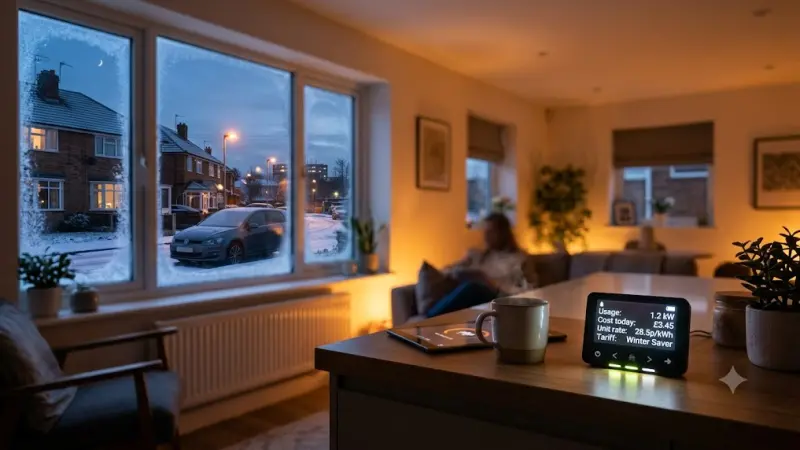
As the chill of the UK winter sets in, household energy bills inevitably rise, placing a significant burden on fixed-income households. For millions of older individuals, the Winter Fuel Payment has long been a vital financial lifeline. However, with recent shifts in government policy, fluctuating Ofgem energy price caps, and an increasingly volatile energy market, understanding exactly how this scheme works has never been more critical.
In this comprehensive guide, we will explore the Winter Fuel Payment in deep detail. We will uncover the latest rules, highlight the commercial context of the UK energy sector, and explain how you can leverage this government support to offset rising costs. Furthermore, we will delve into the broader energy market, providing actionable advice to help you evaluate tariffs and select the most reliable energy suppliers for your specific household needs.
Understanding the UK Winter Fuel Payment: Industry Overview
The UK energy sector is a complex ecosystem heavily influenced by global wholesale gas prices, renewable energy infrastructure investments, and domestic regulatory frameworks set by Ofgem. Amidst this commercial landscape sits the Winter Fuel Payment, a tax-free annual grant distributed by the Department for Work and Pensions (DWP). Historically introduced to prevent fuel poverty among the elderly, the scheme has recently undergone significant structural changes, transitioning from a universal benefit to a more targeted support system.
In the current economic climate, heating support for UK pensioners is an urgent priority. While energy companies offer various tariffs, the underlying costs remain high. The Winter Fuel Payment acts as a crucial buffer, injecting millions of pounds into the consumer economy every winter, effectively allowing households to meet their obligations to private energy firms. Understanding how this payment interacts with the wider energy market is essential for making informed purchasing decisions and long-term financial plans.
Eligibility: Who Qualifies for the Winter Fuel Payment?
Determining whether you are entitled to this crucial support requires a close look at the latest DWP guidelines. The Winter Fuel Payment eligibility criteria have tightened, meaning that simply reaching the state pension age is no longer the sole requirement for all households.
To qualify, individuals must generally be born on or before a specific date (which aligns with the state pension age) and be living in the UK during the designated qualifying week, which typically falls in September. Most importantly, recent legislative updates mean that receiving other qualifying benefits is now a central pillar of eligibility.
The Role of Pension Credit
If you are looking to secure your Winter Fuel Payment, establishing your eligibility for Pension Credit is the single most important step. Pension Credit tops up weekly income for those over the state pension age. Ensuring your application is approved before or during the Pension Credit qualifying week is vital, as this acts as the gateway to the Winter Fuel Payment and a host of other UK state pension age benefits, including free TV licences for the over-75s and cold weather payments.
Circumstances That Affect Eligibility
Even if you meet the age and benefit criteria, certain circumstances might disqualify you or alter your payment. These include:
-
Residing in a care home for the entirety of the qualifying period.
-
Receiving free treatment in a hospital for more than a year.
-
Being incarcerated.
-
Living outside the UK in certain circumstances (though some expats in specific European Economic Area countries may still qualify under legacy agreements).
If you believe you are entitled but have not received an automatic notification by November, it is essential to understand how to claim Winter Fuel Allowance manually through the official UK government portal or by contacting the Winter Fuel Payment Centre directly.
Financial Breakdown: How Much Do You Actually Get?
The exact sum you receive is not a flat rate; it is calculated based on your age and your living arrangements during the qualifying week. The core objective is to ensure that those who are oldest, and therefore most vulnerable to cold-related health issues, receive the highest level of support.
When evaluating the Winter Fuel Payment amount 2026, the figures generally range between £100 and £300.
-
If you live alone (or with people who do not qualify): You will receive the full standard amount for your age bracket. Those aged 80 and over receive the higher tier payment (up to £300).
-
If you live with someone who also qualifies: The payment may be split between you, depending on which exact benefits you receive.
-
If you live in a care home: The amount is usually reduced, provided you are still eligible.
This tax-free injection of cash is designed to be spent directly on energy bills, though the government does not mandate or track how you spend it. However, from a commercial perspective, this is the perfect time to evaluate whether your current energy tariff is actually serving your financial interests.
The UK Energy Market: Trends and Market Insights
To truly maximize the value of your government winter heating help, it is necessary to look at the broader UK energy market. The landscape of domestic energy suppliers has changed drastically over the past five years. Following the collapse of numerous smaller energy firms, the market has consolidated around a few major players—often referred to as the "Big Six" alongside a handful of robust, tech-driven challengers.
Current UK Trends
-
The Return of Fixed Tariffs: For several years, Ofgem’s price cap made standard variable tariffs the safest (and often only) option. Recently, suppliers have reintroduced fixed-rate deals. Understanding when to lock into a fixed rate is crucial for budget stability.
-
Smart Meter Integration: Energy companies are aggressively pushing smart meter installations. These devices allow access to agile or time-of-use tariffs, rewarding consumers who shift their energy usage to off-peak hours.
-
Green Energy Demands: More consumers are demanding 100% renewable electricity. Suppliers are competing heavily on their green credentials, though buyers must verify that these claims are backed by Renewable Energy Guarantees of Origin (REGO) certificates.
Given these market conditions, relying solely on your Winter Fuel Payment is not enough. Proactive consumers are actively looking to switch energy providers online to secure better rates before winter peaks.
Commercial Guidance: Comparing UK Energy Suppliers
The Winter Fuel Payment provides capital, but how you spend it dictates its longevity. Rather than allowing your current supplier to absorb the payment through inflated standard variable rates, you should actively compare UK energy suppliers to ensure you are getting optimal value.
When conducting supplier comparison, UK buyers and consumers should evaluate companies based on the following criteria:
Supplier Selection Criteria
-
Unit Rates and Standing Charges: Do not just look at the estimated monthly direct debit. You must analyze the pence per kWh for both gas and electricity, as well as the daily standing charge. A low unit rate is useless if the standing charge erodes your savings.
-
Customer Service Metrics: According to Citizens Advice, customer service wait times and complaint resolution rates vary wildly among UK suppliers. Older demographics particularly benefit from suppliers with dedicated, accessible UK-based call centres.
-
Exit Fees: If you are considering a fixed tariff, check the exit fees.
Also Read: How to Check Credit Score Free UKHigh exit fees can trap you in a bad deal if wholesale prices plummet.
-
Vulnerable Customer Support: The best suppliers have robust Priority Services Registers (PSR), offering advance notice of power cuts, priority support, and specialized account management for pensioners.
If your goal is to find the cheapest winter energy tariffs, you must look beyond the introductory headline rates and read the detailed tariff information labels (TIL).
Comparison Table: Evaluating Energy Tariff Types
To assist you in making an informed commercial decision, here is a breakdown of the primary tariff structures available in the UK market:
| Tariff Type | Price Stability | Best Suited For | Key Buying Consideration |
| Standard Variable (SVT) | Low (Changes with Ofgem Price Cap) | Those who want flexibility with zero exit fees. | Watch out for sudden spikes when the Ofgem cap adjusts quarterly. |
| Fixed Rate Tariff | High (Price locked for 12-24 months) | Households seeking budget certainty over winter. | Ensure the locked rate is competitive; check for high early exit penalties. |
| Time of Use (Agile) | Very Low (Prices change half-hourly) | Highly engaged users with smart meters and battery storage. | Not recommended for most pensioners unless using automated smart home tech. |
| Green / Renewable | Medium to High | Environmentally conscious consumers. | Verify REGO certification; these tariffs sometimes carry a premium. |
Taking the time to hunt down the best energy deals for seniors—those that combine competitive pricing with excellent Priority Services Register support—can save significantly more money than the Winter Fuel Payment provides alone.
Expert Tips for Maximizing Winter Energy Efficiency
Receiving the payment and finding a good tariff are only two pieces of the puzzle. The third is reducing consumption without sacrificing warmth or comfort. Effective energy bill reduction strategies require a mix of behavioural changes and minor home investments.
-
Optimize Your Thermostat: Turning your room thermostat down by just 1 degree Celsius can save up to 10% on your annual heating bill. The recommended temperature for living areas is 21°C, and 18°C for bedrooms.
-
Bleed Your Radiators: Trapped air prevents hot water from circulating effectively, meaning your boiler works harder for less heat. Bleeding radiators annually is a vital maintenance step.
-
Draft Proofing: Seal gaps around windows, doors, and floorboards. Professional draft-proofing can save substantial amounts, but DIY solutions (like draft excluders and thermal curtains) are highly effective immediate fixes.
-
Boiler Servicing: A well-maintained boiler is an efficient boiler. Ensure your boiler is serviced annually by a Gas Safe registered engineer before the winter freeze begins.
Common Mistakes When Claiming Benefits and Switching
Navigating government bureaucracy and commercial energy markets is fraught with potential pitfalls. Here are the most common mistakes to avoid:
-
Assuming Automatic Enrollment: The biggest mistake UK pensioners make is assuming they will automatically receive the Winter
Also Read: How to Apply for State Pension UKFuel Payment without checking their Pension Credit eligibility. Always verify your status via the DWP.
-
Ignoring the Standing Charge: When looking for a cheaper supplier, many focus entirely on the unit rate. If you are a low energy user, a high daily standing charge will constitute a massive portion of your bill. Always calculate the total estimated annual cost.
-
Failing to Read the Meter: If you do not have a smart meter, failing to submit regular manual meter readings will result in estimated bills. This often leads to overpaying during the summer and facing sudden, massive "catch-up" bills in the winter.
-
Loyalty to a Single Supplier: Energy companies rarely reward loyalty. The best deals are aggressively targeted at new acquisition customers. You should review your contract annually.
The Future of Energy Support and Policy Changes
The landscape of UK welfare and energy regulation is constantly shifting. With ongoing debates about net-zero targets and public spending, the framework surrounding the Winter Fuel Payment is likely to see further adjustments in the coming years.
Industry analysts predict a tighter integration between household energy efficiency ratings (EPCs) and government support. Future schemes may prioritize funding for structural improvements such as heat pumps and advanced insulation—over direct cash payments. Therefore, using current support mechanisms to future-proof your home's energy efficiency is a highly recommended long-term strategy.
Navigating the financial pressures of the colder months requires a proactive approach. The Winter Fuel Payment remains a cornerstone of the government's strategy to protect vulnerable households, but it is no longer a guaranteed entitlement for everyone over the state pension age. By ensuring you meet the stringent new criteria—particularly regarding Pension Credit—you can secure this vital financial lifeline.
However, receiving the payment is only the first step. True financial resilience against the harsh UK winter demands that you take commercial control of your energy outgoings. By actively comparing suppliers, understanding tariff structures, and implementing practical home efficiency measures, you can stretch the value of your Winter Fuel Payment much further. Stay informed, review your utility contracts annually, and do not hesitate to claim every benefit to which you are legally entitled.
Frequently Asked Questions
1. Do I need to apply for the Winter Fuel Payment every year?
In most cases, if you have received the Winter Fuel Payment before and your circumstances (such as your address or benefit claims) have not changed, you will receive it automatically. However, if you are newly eligible, especially under the new Pension Credit rules, you may need to submit an initial claim.
2. Can I still get the Winter Fuel Payment if I am still working?
Yes. Your employment status does not immediately disqualify you. Eligibility is based on your age (reaching the state pension age) and, under newer rules, your receipt of qualifying means-tested benefits during the qualifying week, regardless of whether you engage in part-time work.
3. What is the difference between the Winter Fuel Payment and the Cold Weather Payment?
The Winter Fuel Payment is an annual, lump-sum grant intended to help older citizens pay their heating bills. The Cold Weather Payment is a separate scheme that pays out £25 for each 7-day period of very cold weather (zero degrees Celsius or below) between November and March, available to people on certain benefits.
4. How do I know if my energy supplier is offering a fair price?
The best way to judge is to check the Ofgem price cap, which sets the maximum limit standard variable tariffs can charge per unit of energy. You can then use Ofgem-accredited price comparison websites to check if there are fixed tariffs offering rates below the current cap.
5. Will my Winter Fuel Payment affect my other state benefits?
No. The Winter Fuel Payment is completely tax-free and does not count as income or savings when calculating your entitlement to other benefits, such as Housing Benefit, Council Tax Reduction, or Pension Credit.
Disclaimer: The information provided in this article is for general informational and research purposes only. Company details, features, services, and market positions may change over time. Readers are advised to visit official company websites and conduct independent research before making any business decisions or purchasing services.
Most Searchable Keywords
Recent Blogs


Related Listings

Categories
- Accountants (295)
- Advertising Agencies (559)
- Architects (149)
- Automobiles (377)
- Beauty (300)
- Carpenters (146)
- Cleaning Services (387)
- Dentists (189)
- Driving (62)
- Electricians (215)
- Energy (8)
- Event Organiser (686)
- Finance (602)
- Guide (3377)
- Health (2207)
- Information technology (206)
- Legal Services (357)
- Logistics (6)
- Maintenance (65)
- Manufacturing (35)
Sponsored Listings in Automotive


Related Blogs

New UK Trade Union Access Rules for Employers...
Read this insightful article "New UK Trade Union Access Rules for Employers in 2026" to expand your knowledge!
Winter Fuel Payment Eligibility and How Much...
Read this insightful article "Winter Fuel Payment Eligibility and How Much You Could Get" to expand your knowledge!

Sexual Harassment Rules Tighten Across UK Fro...
Read this insightful article "Sexual Harassment Rules Tighten Across UK From October 2026" to expand your knowledge!
Questions & Answers – Find What
You Need, Instantly!
How can I update my business listing?
Is it free to manage my business listing?
How long does it take for my updates to reflect?
Why is it important to keep my listing updated?
