
Animal Carrier Services UK: Regulations, Routes & Pet Transport Tips
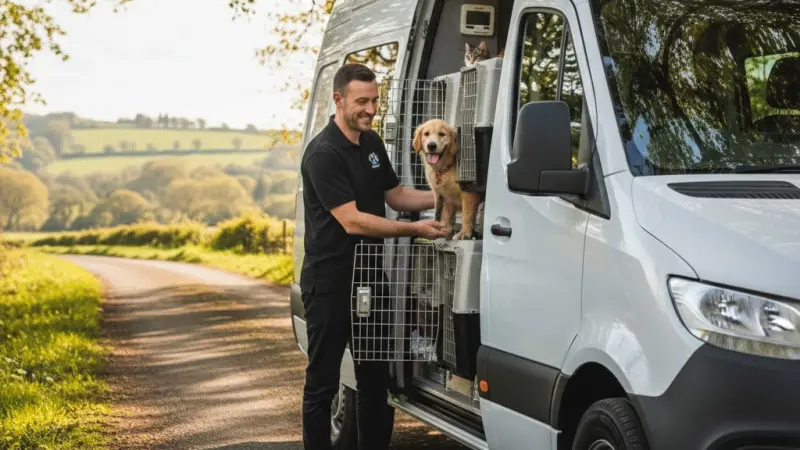
The pet economy in the United Kingdom has witnessed a stratospheric rise over the last decade, evolving from a niche interest into a multi-billion pound powerhouse. At the heart of this movement is the Animal Carrier Services sector, a vital infrastructure that ensures the safe, ethical, and efficient movement of pets and livestock across the British Isles and beyond. Whether it is a family relocating from London to Edinburgh, a breeder sending a prize-winning Spaniel to a new home, or a rescue organisation importing dogs from overseas, the demand for professional transport has never been higher.

In the UK, pets are widely considered integral family members. This cultural shift has transformed animal transport from a basic logistical task into a specialised service requiring deep expertise in animal welfare, vehicle engineering, and legal compliance. The economic importance of this sector cannot be overstated; it supports thousands of small-to-medium enterprises (SMEs), from independent "man with a van" couriers to large-scale international pet relocation firms. For many of these specialist operators, finding a business listing uk is the first step toward establishing a digital presence in a highly competitive marketplace.
As we navigate through 2024 and beyond, the sector faces unique pressures. Post-Brexit regulatory changes have redefined how animals cross borders, while the "pandemic puppy" boom has created a sustained surge in domestic transport needs. This guide serves as the definitive resource for understanding the complexities of the UK animal carrier landscape, providing actionable insights for consumers and business growth strategies for professionals.
The Landscape of Animal Carrier Services in the UK
The current market for animal transport in Britain is characterised by high fragmentation and regional specialisation. While major players dominate the international air-freight pet relocation space, the domestic market is powered by local experts who understand the nuances of the UK’s motorway networks and rural access routes.
Market data suggests that the UK pet care market is worth over £7 billion annually, with transport services accounting for a significant and growing portion of ancillary spending. The evolution of the industry post-pandemic has been particularly marked. During the lockdowns of 2020 and 2021, pet ownership soared, but the ability of owners to travel was restricted. This created a massive reliance on third-party couriers to facilitate the delivery of new pets. Post-pandemic, the trend has shifted toward "pet-cations" and permanent relocations as people moved away from urban centres to the countryside, necessitating professional transport for their animals.
Geographically, activity is densest around the "Home Counties" and major metropolitan hubs like Manchester, Birmingham, and Glasgow. However, there has been a notable increase in demand in coastal and rural regions. For consumers in these areas, using local business listings uk has become the primary method for discovering vetted, reliable transporters who operate within specific catchment areas. The industry has matured from an unregulated "gig economy" model into a professionalised sector where Type 1 and Type 2 Animal Transport Authorisations are the standard expectation rather than the exception.
Comprehensive Services Breakdown
The diversity of products and services within the animal carrier niche is vast, catering to everything from tiny reptiles to equine transport. Understanding these categories is essential for anyone looking to navigate the uk business directory to find the right partner.
1. Domestic Pet Chauffeur Services
These are door-to-door services typically used for vet visits, grooming appointments, or day-care transfers. They often use modified cars or small vans equipped with crash-tested crates and climate control.
2. Long-Distance Relocation
For moves between major UK cities or from the mainland to the islands (such as the Isle of Wight or the Hebrides), specialised long-distance carriers offer "shared rides" or "private VIP" options. These vehicles are usually large-panel vans (like Mercedes Sprinters) fitted with specialized ventilation and CCTV to monitor the animals during transit.
3. International Pet Relocation
A complex service involving customs clearance, "Pet Passport" verification, and coordination with airlines. This sub-sector requires a deep understanding of IATA (International Air Transport Association) Live Animals Regulations (LAR).
4. Rescue and Charity Transport
Non-profit and commercial couriers work together to move animals from high-kill shelters or overseas rescues to UK foster homes. This often involves "DEFRA-approved" vehicles that can handle high volumes of animals while maintaining strict bio-security protocols.
To ensure these services are visible to those who need them most, many charities and support businesses list themselves in a uk business directory website to reach a broader audience.
5. Livestock and Equine Transport
Beyond domestic pets, there is a massive industry dedicated to moving horses and livestock. This requires heavy-duty horseboxes and specialised trailers, often requiring different driving license categories (C1 or C) and specific welfare-in-transport certifications.
How to Choose the Right Service Provider
Selecting a transporter is a high-stakes decision. The safety and emotional well-being of a living creature are on the line. Consumers should adopt a "vetting first" mentality. The first port of call should be checking for a DEFRA (Department for Environment, Food & Rural Affairs) authorisation. Any business transporting animals over 65km for commercial purposes must hold a valid transporter authorisation.
Beyond legal requirements, insurance is non-negotiable. Standard van insurance does not cover "goods in transit" when those "goods" are live animals. Specialist "Care, Custody, and Control" insurance is required to protect the owner and the business in the event of an accident or illness. Reviews and local reputation also play a massive role. In the digital age, a provider's history is often visible through uk service listings, where previous customers leave feedback on punctuality, cleanliness, and the handler's temperament with the animals.
Always ask for photos of the vehicle interior. A professional carrier will be proud to show off their sanitised, well-lit, and temperature-controlled environment. If a provider is hesitant to provide documentation or photos, it is a significant red flag.
Industry Challenges & Future Outlook
The animal carrier industry is currently at a crossroads, facing both regulatory hurdles and technological opportunities. The most immediate challenge is the post-Brexit landscape. The movement of animals between the UK and the EU now requires significantly more paperwork, including Export Health Certificates (EHCs) and specific entry point requirements. This has increased costs and transit times, forcing many smaller operators to seek help through a uk online business directory to find customs brokers and partners who can assist with the logistics.
Sustainability is the next big frontier. The UK government’s push toward Net Zero is putting pressure on couriers to transition to electric vehicles (EVs). However, for long-distance animal transport, EV range and the availability of charging points that can accommodate large vans or trailers remain a concern. We are seeing the early adoption of solar-powered ventilation systems that keep crates cool without needing the engine to be running—a major win for both the environment and animal welfare.
Technology is also improving the "customer journey." Real-time GPS tracking and in-crate cameras are becoming standard features. Owners now expect to see their pet’s status via a smartphone app. As these technologies become more affordable, the gap between "premium" and "standard" services will narrow, and businesses will need to list in a business listing uk to highlight their tech-forward approach and stay competitive.
Business Tips for Animal Carrier Services Professionals
For the professional animal transporter, the challenge isn't just about animal care—it's about business visibility. In a crowded market, being the "best" is irrelevant if no one can find you. Digital marketing is the engine of growth in this sector.
Firstly, focus on local SEO. Most people search for "pet transport near me." To capture this traffic, your business must be listed on authoritative platforms. Claiming a spot in a uk local business search ensures that when a local pet owner is in need, your name appears at the top of their results.
Secondly, leverage social media. Photos of happy pets in transit provide the "social proof" that pet owners crave.
However, these platforms should drive traffic back to a central hub—your website or a directory profile—where your credentials (DEFRA license, insurance, etc.) are clearly displayed.
Networking is also vital. Form partnerships with local vets, kennels, and breeders. They are the primary influencers for pet owners. Often, these professionals use a uk business directory website to find reliable transport partners for their clients, making your presence on such sites a critical B2B lead generation tool.
Wrapping Up & Local Page Integration
The UK animal carrier services sector is a testament to the nation's love for its animals. It is a complex, highly regulated, but ultimately rewarding industry that provides a lifeline for pet owners and businesses alike. As the industry continues to professionalise and adopt new technologies, the importance of trust and transparency will only grow.
For businesses looking to thrive in this environment, visibility is the currency of success. Navigating the digital landscape can be daunting, but tools like Local Page UK provide the perfect bridge between service providers and the customers who need them. By centralising information and providing a platform for verified listings, it simplifies the process of "finding and being found" in the modern British economy.
Boost Your Visibility with Local Page UK
In the competitive world of animal transport, your reputation is everything. But even the most highly-rated service can't grow if it remains hidden from potential clients. Whether you are a sole trader with a single pet-taxi or a national relocation firm, being found online is critical to your survival and growth.
By joining the Local Page UK community, you place your business in front of thousands of active users searching for professional services every day. Don't leave your growth to chance. Take control of your digital footprint today and claim your business listing uk. It’s the fastest way to build local trust, improve your SEO, and reach more pet owners in your area.
Frequently Asked Questions
What is a DEFRA Type 1 transport authorisation?
A DEFRA Type 1 authorisation is a legal requirement for anyone transporting animals as part of a business for journeys over 65km, up to a maximum of 8 hours. It ensures the transporter meets specific welfare standards.
How do I check if a pet courier is insured?
You should ask the provider to send a copy of their insurance certificate. Specifically, look for "Care, Custody, and Control" and "Public Liability" insurance, which are essential for live animal transport.
Are electric vans suitable for animal transport?
Yes, but they require careful route planning. Many modern electric vans have sufficient range for
regional pet taxi services, though long-distance carriers are still transitioning as charging infrastructure improves.
What are the rules for pet transport to Northern Ireland?
Since Brexit, moving pets to Northern Ireland from Great Britain requires specific documentation, including a microchip, rabies vaccination, and a tapeworm treatment for dogs, similar to EU travel rules.
Can I transport my pet in a shared van?
Shared transport is a cost-effective option where multiple pets from different owners are transported in the same vehicle. Professional couriers ensure each pet has its own secure, isolated crate.
How often should animals be exercised during long journeys?
Current UK welfare regulations suggest that dogs should be exercised and offered water at least every 4 to 5 hours, though many professional couriers provide more frequent stops.
What makes a vehicle "DEFRA approved"?
A DEFRA-approved vehicle typically features non-slip flooring, adequate ventilation, temperature monitoring, and secure, crash-tested crates that are appropriately sized for the animal.
How can I find a pet transporter in my local area?
The most effective way is to use a dedicated uk local business directory where you can filter by service type and location to find vetted local providers.
Do I need a pet passport for domestic UK travel?
No, a pet passport is not required for travel between England, Scotland, and Wales. It is only required for international travel or travel to Northern Ireland and the EU.
What should I pack for my pet's journey?
You should provide enough food for the duration, a familiar-smelling blanket, any required medication, and clear written instructions regarding feeding and exercise schedules.
Are there size limits for pets in transport?
Most professional couriers can accommodate any size, from small birds to giant breeds like Great Danes, provided they have the correct crate size to allow the animal to stand, turn, and lie down.
How much does professional pet transport cost?
Costs vary based on distance, the type of service (shared vs. private), and the animal's needs. Regional trips may start at £50, while cross-country relocations can range from £200 to £600.
Can puppies be transported professionally?
Yes, but they must usually be at least 8 weeks old and fully weaned. Some couriers have higher age requirements to ensure the puppy is robust enough for the journey.
What happens if my pet gets ill during transit?
Professional couriers have protocols to stop at the nearest 24-hour veterinary surgery. Their
insurance should cover emergency care, but you should verify this beforehand.
Why should I list my transport business on Local Page UK?
Listing your business on Local Page UK increases your online authority, improves your local SEO, and makes it easier for customers to find your contact details and verified credentials.

Disclaimer: The information provided in this article is for general informational and research purposes only. Company details, features, services, and market positions may change over time. Readers are advised to visit official company websites and conduct independent research before making any business decisions or purchasing services.
Most Searchable Keywords

Recent Blogs



Related Listings


Categories
- Accountants (295)
- Advertising Agencies (559)
- Architects (149)
- Automobiles (377)
- Beauty (300)
- Carpenters (146)
- Cleaning Services (386)
- Dentists (189)
- Driving (62)
- Electricians (215)
- Energy (8)
- Event Organiser (685)
- Finance (599)
- Guide (3365)
- Health (2207)
- Information technology (206)
- Legal Services (353)
- Logistics (6)
- Maintenance (65)
- Manufacturing (35)

Sponsored Listings in Locksmith Services


Related Blogs

Gen Z Political Reporters and News Creators i...
Read this insightful article "Gen Z Political Reporters and News Creators in the UK" to expand your knowledge!

Famous Female Social Media Influencers Across...
Read this insightful article "Famous Female Social Media Influencers Across the UK" to expand your knowledge!

Your UK Sponsor Licence 2026 Step by Step Gui...
Read this insightful article "Your UK Sponsor Licence 2026 Step by Step Guide" to expand your knowledge!
Questions & Answers – Find What
You Need, Instantly!
How can I update my business listing?
Is it free to manage my business listing?
How long does it take for my updates to reflect?
Why is it important to keep my listing updated?
