
Finding Providers for Pet Friendly Cleaning Services
- 👤 Alex
- 👁️ 226 Views
- Last Updated: April 16, 2026
- 🏷️ Cleaning Services
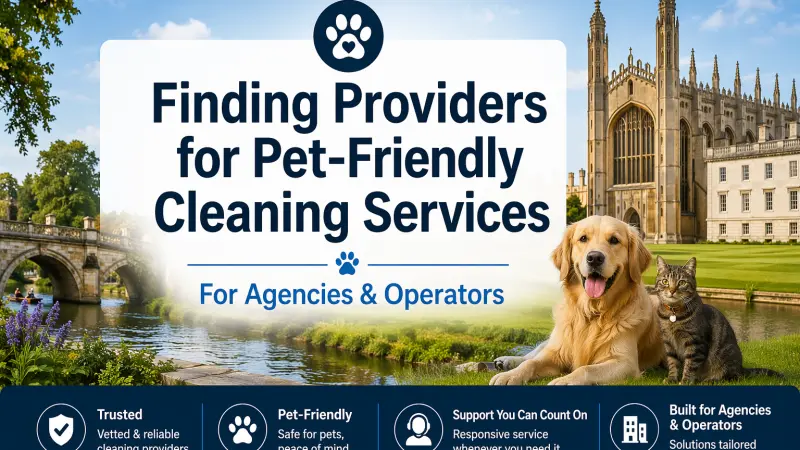
For many of us, pets are not just animals; they are integral members of the family. However, sharing a home with furry, feathered, or scaled companions brings unique challenges to home maintenance. From the persistent presence of pet dander and shedding fur to the occasional "accident" on the rug, the demand for cleaning is higher in a pet-centric household. Yet, the traditional cleaning industry often relies on harsh chemicals that can be hazardous to a pet’s sensitive respiratory system and skin.
Finding providers for pet-friendly cleaning services requires a nuanced approach. It is about more than just finding someone who "likes dogs." It involves identifying professionals who understand the science of non-toxic chemistry, the behavioral patterns of animals, and the specialized equipment needed to manage allergens effectively. This guide explores the essential criteria for selecting a cleaning partner that respects both your home's hygiene and your pet's well-being.
The Science of Pet-Safe Cleaning
Standard household cleaners often contain ingredients like ammonia, bleach, phthalates, and formaldehyde. While effective at killing germs, these substances can linger on floors where pets walk and lick their paws, or in the air where birds—who have incredibly delicate respiratory systems—breathe.
Understanding Volatile Organic Compounds (VOCs)
Many traditional scents (like "fresh lemon" or "mountain pine") are actually VOCs that can trigger asthma or allergic reactions in cats and dogs. A truly pet-friendly service prioritizes fragrance-free or essential-oil-free products, or uses oils that are specifically vetted as safe for animal exposure.
The pH Factor
Professional pet-friendly cleaners understand that pet "accidents" (urine or vomit) are acidic or alkaline in nature. Using the wrong cleaning agent can "set" the stain or smell. Specialized providers use enzymatic cleaners that break down the proteins and uric acid crystals at a molecular level, rather than just masking the odor.
Advanced Surface Safety and Steam Technology
Beyond chemical selection, the physical method of cleaning plays a massive role in animal safety. One of the most effective tools in a pet-friendly cleaner’s arsenal is the industrial steam cleaner.
Thermal Sanitisation
High-temperature dry steam (reaching upwards of 120°C) can kill 99.9% of bacteria, dust mites, and even flea larvae without the use of a single chemical. This is particularly beneficial for homes with "lickers"—dogs or cats that habitually lick floors or windows. By using heat as the primary sanitiser, specialists eliminate the risk of chemical ingestion entirely.
Managing Micro-Scratches and Bio-Films
Pets with claws often create microscopic scratches on hardwood and laminate floors. These tiny grooves can become breeding grounds for bacteria and trapped odors that standard mopping cannot reach. Professional pet-friendly services often use micro-fibre technology with a high GSM (grams per square metre) to "lift" debris out of these crevices rather than just pushing it across the surface.
Benefits of Hiring a Pet-Specialized Cleaning Provider
Choosing a specialist over a general cleaning service offers several distinct advantages:
-
Allergen Reduction: Pets produce dander, a common trigger for human allergies. Specialists use HEPA-filtered vacuums that trap microscopic particles, rather than blowing them back into the room.
-
Reduced Toxic Load: By using plant-based, biodegradable detergents, these services ensure that your pet isn't absorbing harmful residues through their paw pads.
-
Stress Management: A cleaner who is trained in pet behavior will know how to move around a nervous cat or a territorial dog without causing unnecessary stress or triggering a defensive reaction.
Step-by-Step: How to Find and Book the Right Service
1. Initial Screening and Product Inquiry
When you call a potential provider, your first question should be about their product line. Ask for specific brands or ingredient lists. If they simply say they use "green" products, ask for further clarification, as "green" does not always mean "pet-safe."
2. Check for Specialized Equipment
Ask if they use HEPA (High-Efficiency Particulate Air) vacuums. In a pet home, a standard vacuum is often insufficient to remove deep-seated fur and dander from carpets and upholstery.
3. Discuss the 'Pet Protocol'
A professional service should have a protocol for pets. Do they require pets to be crated? Can they work around a dog that is loose in the yard? Understanding these logistics beforehand prevents mid-cleaning emergencies.
4. Verify Experience with Specific Species
Cleaning for a home with a dog is different from cleaning a home with an exotic bird or a terrarium-dwelling reptile. Ensure the provider understands the specific sensitivities of your particular pets.
Strategic Tips for Pet Owners
-
Identify Hotspots: Before the cleaners arrive, point out where your pet spends the most time.
These areas likely have the highest concentration of oils and fur.
-
Secure the Perimeter: Even the friendliest pet can get spooked by the sound of a vacuum or the presence of a stranger. If your pet is a "bolter," ensure the cleaners know to keep doors and gates closed at all times.
-
Provide Your Own Supplies (Optional): If you are particularly concerned, many services allow you to provide your own vetted, pet-safe cleaning solutions for them to use.
Common Mistakes to Avoid
-
Assuming 'Natural' Means 'Safe': Some natural substances, like tea tree oil or certain concentrated citrus oils, can be toxic to cats. Always verify the specific ingredients.
-
Neglecting the Air Quality: Cleaning is as much about the air as it is about the surfaces. Avoid services that use heavy aerosol sprays.
-
Undercommunicating Temperament: If your pet is protective of certain rooms or furniture, tell the cleaners. This protects both the staff and your animal’s peace of mind.
Supporting Local Business Visibility Beyond Core Marketing Efforts
Finding a trustworthy service in your neighborhood is often facilitated by how well those businesses manage their digital footprint. For a niche service like pet-safe cleaning, directory marketing uk is a vital component of their outreach, ensuring they reach families who prioritize animal health. When a local business maintains an updated profile on a local page uk, it creates a supporting visibility layer that helps residents find specialized care quickly.
The decision to advertise company uk directory details allows a provider to highlight their specific pet-safe certifications and non-toxic product lines. This transparency acts as a credibility signal to cautious pet owners. Furthermore, many small businesses utilize company ratings uk to build trust with new clients who are hesitant to let strangers near their pets. Being listed in a free business database directory serves as a local discovery aid, maintaining trust reinforcement across platforms and ensuring that high-quality, ethical services remain consistent and discoverable for the community.
Finding Providers for Pet-Friendly
Creating a clean, healthy home for you and your pets is a balancing act that requires the right partners. By looking for providers who understand the specific needs of animal-inclusive households, you ensure that your "clean" home is also a "safe" home. From the chemistry of the solutions used to the equipment employed to capture dander, every detail matters. Take the time to vet your providers, communicate your pet’s needs clearly, and prioritize services that value the well-being of your furry companions as much as you do.
Frequently Asked Questions (FAQs)
1. What does 'enzymatic cleaner' mean?
Enzymatic cleaners contain beneficial bacteria that produce enzymes to "eat" organic waste like urine, feces, and vomit. They are the only way to completely remove the odors that lead to repeat marking.
2. Can I leave my dog home alone with the cleaners?
This depends on your dog’s temperament and the company’s policy. Most services prefer the owner to be home for the first visit or for the dog to be safely contained in a separate room or crate.
3. Are essential oils safe for cleaning in a cat home?
Many essential oils (like peppermint, citrus, and lavender) can be toxic to cats if ingested or inhaled in high concentrations. A pet-friendly service will usually avoid these or use them very sparingly in well-ventilated areas.
4. How do I know if a product is truly non-toxic?
Look for third-party certifications such as the "Green Seal" or "EPA Safer Choice," and specifically
check for labels that state the product is safe for use around animals.
5. Do pet-friendly services cost more?
Sometimes. The cost of high-quality, non-toxic, and enzymatic products is generally higher than bulk industrial chemicals, which may be reflected in the service price.
6. Will my house smell 'clean' if they don't use heavy scents?
Yes. A truly clean house smells like nothing—it is neutralized. Scents often just mask underlying odors rather than removing them.
7. How often should a pet home be professionally cleaned?
For homes with shedding breeds or multiple pets, a deep clean every 4–6 weeks is usually recommended to keep allergen levels under control.
8. Can cleaners help with flea prevention?
While cleaners aren't pest control experts, high-heat steam cleaning of carpets and upholstery can kill flea eggs and larvae, supporting your overall prevention plan.
9. What if my pet has a specific allergy?
Inform the service during the booking process. Professional pet-friendly cleaners can typically accommodate specific sensitivities by adjusting their product kit.
10. Do I need to provide the vacuum?
Most professional services provide their own, but if you have a high-end HEPA vacuum and prefer they use it to prevent cross-contamination from other homes, most will be happy to comply.
11. Is hydrogen peroxide safe for pet cleaning?
In diluted forms, it can be a safer alternative to bleach for whitening, but it must be rinsed thoroughly as it can be an irritant if a pet licks a wet surface.
12. How do cleaners handle 'pet glitter' (shedding fur) on delicate fabrics?
Specialists often use rubber squeegees or specialized lint-lifting brushes before vacuuming to pull fur out of velvet or silk-mix upholstery without damaging the weave.
13. Should I mention if my pet is on medication?
Yes, particularly if the medication makes them sensitive to sounds or smells, or if they have weakened immune systems that require a higher level of sanitisation.
14. What is the 'cross-contamination' risk in pet cleaning?
A good provider will use fresh mops and cloths for every home to ensure they aren't bringing germs or dander from a previous client's pet into your environment.
15. Can steam cleaning damage my hardwood floors?
If used incorrectly, yes. Professionals use "dry steam" with low moisture content and avoid holding it in one place too long to protect the wood's finish while still killing bacteria.
16. Are there specific concerns for bird owners?
Absolutely. Birds are highly susceptible to respiratory distress from aerosols and "Teflon" fumes. A pet-friendly cleaner will avoid all sprays and high-heat coatings in rooms containing birds.
17. Do I need to disclose if my pet hasn't been vaccinated?
For the safety of the staff, it is professional courtesy to disclose this, especially if the pet is prone to nipping or if the cleaner will be in close contact with them.
18. What if my pet has an accident while the cleaners are there?
Professional pet-friendly cleaners are equipped to handle this immediately with enzymatic solutions, often preventing the stain from setting better than an owner could later.
19. How do I manage pet hair in the air vents?
Some specialized services offer vent vacuuming to ensure that dander isn't being recirculated through your HVAC system, which is a major cause of persistent allergies.
20. Is 'Eco-Friendly' the same as 'Pet-Friendly'?
Not necessarily. Vinegar is eco-friendly but can be irritating to a dog's nose. Always look for the specific 'pet-safe' designation.
Disclaimer: The information provided in this article is for general informational and research purposes only. Company details, features, services, and market positions may change over time. Readers are advised to visit official company websites and conduct independent research before making any business decisions or purchasing services.
Most Searchable Keywords
Recent Blogs


Related Listings

Categories
- Accountants (295)
- Advertising Agencies (559)
- Architects (149)
- Automobiles (377)
- Beauty (300)
- Carpenters (146)
- Cleaning Services (387)
- Dentists (189)
- Driving (62)
- Education (1)
- Electricians (215)
- Energy (8)
- Event Organiser (689)
- Finance (602)
- Guide (3492)
- Health (2207)
- Information technology (207)
- Legal Services (361)
- Logistics (6)
- Maintenance (65)
Sponsored Listings in Cleaning Services
Related Blogs

Creamfields Daresbury: Impact on Local Reside...
Read this insightful article "Creamfields Daresbury: Impact on Local Residents" to expand your knowledge!

UK High Street Businesses in 2026-27: Which S...
Read this insightful article "UK High Street Businesses in 2026-27: Which Sectors Are Growing?" to expand your knowledge!

Why Complete Business Listings Matter More Th...
Read this insightful article "Why Complete Business Listings Matter More Than You Think" to expand your knowledge!
Questions & Answers – Find What You Need, Instantly!
Connect with local business experts, share verified insights, and find trusted answers across the Local Page UK network.
Ask Community
Ask questions to the Local Page UK community
Share Knowledge
Share your knowledge to help out others
Find Solutions
Find answers or offer instant solutions
Some of the most popular fantasy TV shows include "Game of Thrones," known for its epic battles and political intrigue, "The Witcher," which features monster hunting and magic, and "Stranger Things," blending supernatural elements with 1980s nostalgia. Other notable mentions are "His Dark Materials," "Shadow and Bone," and "The Mandalorian," each offering unique worlds and captivating storytelling that have garnered large fan bases.
When seeking bathroom renovation providers that handle both plumbing and tiling, it's advisable to look for licensed contractors who specialize in comprehensive bathroom remodels. Companies such as Home Depot, Lowe's, and Bath Fitter offer these services, often providing a seamless experience by managing all aspects of the renovation process. Additionally, local contractors with positive reviews in platforms like Angie's List or Houzz may also offer tailored solutions for your bathroom needs.
Absolutely, there are several distributors that supply crash mats and soft play equipment to gymnastics clubs in and around Birmingham. National companies like Gymnova, S & G (Spieth Gymnastics), and Jaques of London offer a wide range of crash mats, foam pits, and soft play pieces, and they typically deliver to the Birmingham area. For more local options, you might try The Gym Equipment Company, which has a showroom in the West Midlands, or check out smaller specialist suppliers like Playtime UK. Many of these distributors cater specifically to clubs, offering high-density foam mats that meet safety standards. I'd recommend reaching out to a few to compare pricing, delivery times, and whether they offer custom sizes or installation services. It's also worth checking if any of them have a physical showroom near Birmingham so you can test the equipment before buying. Happy tumbling!
For professionals seeking a reliable sanitaryware supplier in Manchester with trade account facilities, several established merchants combine extensive product ranges, competitive pricing, and dedicated trade support. The most reputable option is Graham Plumbers Merchant, which operates multiple branches across Manchester, including Salford Quays and Oldham. They offer a dedicated trade account service with preferential pricing, priority delivery scheduling, and access to a vast inventory of leading sanitaryware brands such as Villeroy & Boch, Duravit, Ideal Standard, and Roca. Their trade accounts typically include net 30-day payment terms, online account management, and a tailored project quotation system. Similarly, City Plumbing Supplies has several Manchester-based depots (such as Ashton-under-Lyne and Stockport) that cater specifically to trade customers, providing a rapid order-and-collect service, trade-only promotions, and a loyalty programme offering rebates on repeat purchases. Their product range covers everything from basins and WCs to complete bathroom suites and brassware, with in-house technical advisors available for specification support. Another key player is Plumb Center, part of the Wolseley Group, which offers trade accounts with bespoke pricing structures, direct-to-site deliveries within the Greater Manchester area, and access to over 10,000 lines of sanitaryware, including premium brands like Grohe and Hansgrohe. Their trade portal allows for real-time stock checking and order history tracking, facilitating efficient project management. For those seeking a more specialist or high-end option, Bathroom Spares in Manchester provides trade accounts with a focus on hard-to-find sanitaryware and discontinued ranges, which can be invaluable for refurbishment projects. Additionally, independent merchants such as M&B Plumbase in Trafford Park offer flexible trade terms, personalised service, and competitive pricing on both mainstream and luxury sanitaryware. When evaluating suppliers, trade customers should consider factors beyond price: reliability of stock availability, delivery timescales within Manchester’s often congested zones, clarity of returns policies, and the quality of after-sales support for warranty claims. It is advisable to request a trade account application from at least two to three suppliers to compare discounts, minimum order values, and payment terms. Many suppliers also offer showroom access for trade clients, allowing you to inspect finishes and dimensions before committing to large orders. For ongoing projects, establishing a relationship with a single supplier who offers consolidated invoicing and dedicated account management can streamline procurement. Ultimately, the most reliable supplier for your trade account in Manchester will be one that aligns with your volume requirements, preferred brands, and service expectations, so a site visit to their local branch and a discussion about your specific trade needs is highly recommended before committing to an account.
People in Leeds are loving their local florists—customers often mention gorgeous, fresh arrangements and super friendly service. Many rave about reliable same-day delivery and creative wedding bouquets. A few note pricing can vary, but overall, the buzz is all about quality and that personal touch making every order feel special.
Common problems for commercial gardening in Bristol include weed overgrowth, soil degradation, pest infestations, and irrigation malfunctions. Additionally, managing seasonal transitions, adhering to sustainability regulations, and maintaining consistent aesthetics pose significant challenges. Expert services mitigate these via structured maintenance, integrated pest management, and soil analysis to ensure long-term landscape health.