
Armed Services Reserve Forces UK: Commitment Levels, Benefits & Joining
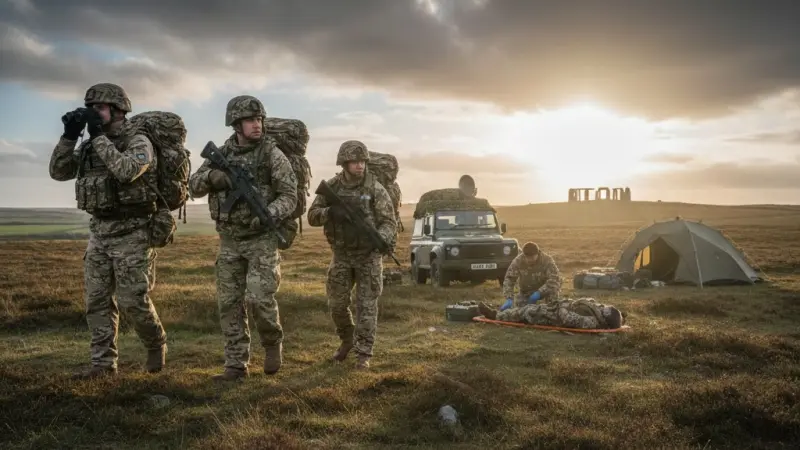
The Armed Services – Reserve Forces sector represents a cornerstone of the United Kingdom’s integrated defence strategy. Comprising the Royal Naval Reserve, Royal Marines Reserve, Army Reserve, and Royal Air Force Reserve, these volunteer forces provide approximately one-sixth of the UK’s total military personnel. From a business analyst’s perspective, the Reserves are not merely a military asset but a significant driver of economic resilience and skill acquisition within the UK workforce. Reservists bring high-level leadership, technical proficiency, and crisis management skills back to their civilian employers, creating a symbiotic relationship between national security and private sector productivity.
In the current climate, the economic importance of the Reserves has never been clearer. They support domestic resilience during national emergencies—such as the pandemic and climate-related floods—while maintaining readiness for international deployment. For those looking to support this ecosystem, finding the right partners is essential. Many support services for veterans and reservists can be found via a business listing uk, which helps connect the military community with civilian-run enterprises. This guide explores the intricate landscape of the UK Reserves, the commitment required, and the strategic benefits for individuals and the broader economy.
The Landscape of Armed Services – Reserve Forces in the UK
The current landscape of the Reserve Forces is shaped by the "Future Soldier" and "Reserve Forces 2030" (RF30) reviews, which seek to redefine the role of the part-time soldier in an era of global competition. As of recent data, the UK Army Reserve alone targets a trained strength of approximately 30,000 personnel, with the RAF and Naval reserves providing specialized aviation and maritime support.
Post-pandemic, the industry has evolved significantly. We have seen a shift toward "Whole Force" integration, where Reservists are no longer seen as a "force of last resort" but as an essential part of daily operations. Regionally, activity is concentrated in major hubs such as the South West (home to the Royal Navy and various Army regiments), Scotland, and the Midlands. The digital transformation within the forces has also accelerated, with a greater emphasis on cyber security and electronic warfare roles. To keep track of the various organizations supporting these regions, many people rely on local business listings uk to identify specialized trainers, equipment suppliers, and veteran-friendly recruiters.
The market size of the defence sector continues to grow, with billions of pounds allocated to procurement and personnel. This evolution has spurred a secondary market of professional services, including bespoke insurance for reservists, specialized medical clinics, and tactical equipment retailers. The industry is no longer just about the uniform; it is an expansive network of civil-military cooperation that fuels innovation across the UK.
Comprehensive Services Breakdown
The services provided within the Reserve Forces niche are diverse, ranging from front-line combat roles to highly technical logistics and medical support. Each branch offers unique products and career paths that cater to different civilian skill sets.
1. The Army Reserve
The Army Reserve is the largest component, offering roles in infantry, engineering, signals, and intelligence. The "product" here is the highly trained soldier-specialist. Many Army Reservists are recruited specifically for their civilian expertise in fields like medicine or niche engineering. Businesses that provide peripheral services to these units often list their details in a uk business directory to ensure units can find local supplies quickly.
2. The Royal Naval & Royal Marines Reserve
Focusing on maritime security and amphibious operations, these forces provide essential support to the Fleet. Their services include diving, mine countermeasures, and sea-going logistics. Recruitment for these roles is often high-intensity, requiring specialized medical and fitness services.
3. The RAF Reserve
The RAF Reserve offers roles in flight operations, police, and ground support. As the RAF moves toward a "Next Generation" force, the focus has shifted heavily toward space and cyber domains. For businesses looking to offer specialized technical services to this sector, utilizing a business listing uk is a strategic way to gain visibility among procurement officers and individual personnel.
4. Specialist Support Services
Beyond the military units themselves, a vast array of "support products" exists. This includes legal advice for employer-reservist disputes, mental health services tailored for veterans, and specialized financial products. These service providers form a critical layer of the Reserve ecosystem, ensuring that the transition between civilian and military life is seamless.
How to Choose the Right Service Provider
For consumers—whether they are individual reservists seeking equipment or businesses looking to hire veteran-led consultancies—due diligence is paramount.
The Armed Services sector is strictly regulated, and choosing a provider requires looking for specific markers of quality.
Firstly, look for the Armed Forces Covenant bronze, silver, or gold awards. These indicate that a business has made a public commitment to support the military community. Secondly, verify professional accreditations. In the UK, trade services and professional consultancies should be registered with relevant bodies such as the ISO or specific military-approved lists.
Customer reviews and local reputation are also vital. In the military community, word-of-mouth is powerful, but digital verification is the modern standard. When searching for reliable partners, many users turn to uk service listings to read peer reviews and check the verified status of a company. Insurance is another non-negotiable factor; ensure any service provider has comprehensive public liability and professional indemnity insurance that explicitly covers military-related activities.
Industry Challenges & Future Outlook
The Reserve Forces sector faces several structural challenges as we move further into the 2020s. Recruitment and retention remain the primary hurdles. The "Generation Z" workforce seeks different value propositions than previous cohorts, prioritizing flexibility and digital engagement.
Technology shifts are also disrupting the sector. The rise of AI and autonomous systems means the "product" of the Reserves is shifting from physical manpower to intellectual and technical "augmentation." Sustainability is another growing concern; the Ministry of Defence (MoD) is under pressure to reach Net Zero targets, leading to green initiatives in base management and vehicle procurement.
For businesses operating in this space, staying ahead of regulatory changes is crucial. The UK government frequently updates the Reserve Forces Act, and staying compliant requires constant vigilance. Organizations that thrive will be those that embrace digital visibility. Using a uk business directory website is no longer optional for small to medium enterprises (SMEs) in the defence supply chain; it is a necessity for being discovered by larger prime contractors. Furthermore, those who list their services in a business listing uk can better navigate the competitive landscape of the UK's evolving "Sovereign Capability" requirements.
Business Tips for Armed Services – Reserve Forces Professionals
If you operate a business within or adjacent to the Reserve Forces sector—be it a training academy, a tactical gear shop, or a consultancy—marketing your local presence is vital. The UK defence community is tight-knit, but it is also increasingly digital-first.
Leverage Social Proof: Highlighting your status as a veteran-owned business or a Covenant signer can significantly boost trust.
Optimize for Local Search: Many reservists look for services near their barracks or home addresses. Ensure your Google Business Profile and local directory entries are accurate.
Focus on Specialized SEO: Use keywords that your specific audience uses, such as "MOD approved" or "Reservist kit."
Networking: Attend regional Reserve Forces’ and Cadets’ Associations (RFCA) meetings to build face-to-face relationships.
To bridge the gap between physical networking and digital reach, professionals should ensure they are listed in uk verified business listings. This provides a layer of credibility that generic social media profiles cannot match. By maintaining a high-quality online presence, you ensure that when a unit or an individual needs your specific "niche" product, you are at the top of the search results.
Wrapping Up & Local Page Integration
The UK Armed Services Reserve Forces are a vital asset to the nation's security and its economic fabric. For the individual, the Reserves offer a path to personal growth and world-class training. For the business community, the sector offers a wealth of opportunities for service provision and high-skill recruitment.
As we look to the future, the integration of civilian and military spheres will only deepen. To navigate this complex market, businesses must prioritize visibility and credibility. Local Page stands as the premier uk local business directory for connecting the military community with the best service providers the UK has to offer. Whether you are a veteran starting a new venture or an established firm supporting our forces, being part of a trusted network is the key to sustainable growth in this authoritative sector.
Boost Your Visibility with Local Page UK
In the Armed Services – Reserve Forces sector, being found by the right people at the right time is critical. Whether you provide tactical gear, specialized training, or professional consultancy, your digital footprint determines your success. We encourage all businesses in this niche to claim their business listing uk on Local Page UK. By doing so, you join a verified network of professionals, making it easier for units, reservists, and the general public to discover your services.
Frequently Asked Questions
1. What is the minimum time commitment for a UK Reservist?
Most Reserve roles require a minimum commitment of 19 or 27 days per year, including a two-week annual camp and several training weekends.
2. Can I join the Reserves if I have no prior military experience?
Yes, the majority of Reservists join as "Direct Entrants" with no previous military background and receive full training from scratch.
3. Are Reservists paid for their time?
Yes, Reservists receive daily pay based on their rank, plus an annual "bounty" (tax-free bonus) if they meet their minimum training requirements.
4. What is the age limit for joining the UK Reserve Forces?
The age limits vary by service, but generally, you can join the
Army Reserve between 18 and 43, with some exceptions for specialists.
5. Do I need my employer’s permission to join the Reserves?
While you don't legally need permission, it is highly recommended to discuss it with your employer as they may need to release you for deployment.
6. Can I be sent into combat as a Reservist?
Yes, Reservists are liable for mobilization and can be deployed on operations both at home and overseas alongside regular forces.
7. What happens to my civilian job if I am mobilized?
Legislation protected under the Reserve Forces Act 1996 ensures your right to return to your job, and employers can claim financial assistance.
8. Are there specialized roles for doctors and nurses?
Absolutely, the Reserve Forces have a significant requirement for medical professionals who serve in specialized medical regiments.
9. What are the fitness requirements for the Reserves?
Fitness standards are the same as the regular forces and involve cardiovascular tests, strength tests, and weight-carrying assessments.
10. Can I leave the Reserves whenever I want?
Reservists can generally resign at any time, provided they are not currently mobilized or under specific training obligations.
11. Is there a difference between the Army Reserve and the Territorial Army?
The Territorial Army was renamed the Army Reserve in 2014 to better reflect its integrated role within the "Whole Force."
12. Do Reservists get a pension?
Yes, Reservists earn days toward a military pension under the Armed Forces Pension Scheme 15 (AFPS 15) for the time they serve.
13. What is the "Bounty" payment?
The bounty is a tax-free lump sum paid annually to Reservists who complete their required training days and pass their annual tests.
14. How do I find a local Reserve unit?
You can use the official military recruitment websites or search for military-affiliated organizations in a uk local business search.
15. Are there opportunities for overseas travel?
Yes, Reservists often participate in training exercises abroad in locations such as Kenya, Cyprus, Canada, and Germany.
Disclaimer: The information provided in this article is for general informational and research purposes only. Company details, features, services, and market positions may change over time. Readers are advised to visit official company websites and conduct independent research before making any business decisions or purchasing services.
Most Searchable Keywords
Recent Blogs


Related Listings
Categories
- Accountants (295)
- Advertising Agencies (559)
- Architects (149)
- Automobiles (377)
- Beauty (300)
- Carpenters (146)
- Cleaning Services (387)
- Dentists (189)
- Driving (62)
- Electricians (215)
- Energy (8)
- Event Organiser (686)
- Finance (602)
- Guide (3373)
- Health (2207)
- Information technology (206)
- Legal Services (353)
- Logistics (6)
- Maintenance (65)
- Manufacturing (35)
Sponsored Listings in Travel Agencies



Related Blogs

Explore Dog Friendly Walks in the Cotswolds f...
Read this insightful article "Explore Dog Friendly Walks in the Cotswolds for 2026" to expand your knowledge!

How Much Do UK Actors Really Earn Full Indust...
Read this insightful article "How Much Do UK Actors Really Earn Full Industry Breakdown" to expand your knowledge!

Blue Light Card UK 2026 Check Eligibility and...
Read this insightful article "Blue Light Card UK 2026 Check Eligibility and Claim" to expand your knowledge!
Questions & Answers – Find What
You Need, Instantly!
How can I update my business listing?
Is it free to manage my business listing?
How long does it take for my updates to reflect?
Why is it important to keep my listing updated?
