
Explore Dog Friendly Walks in the Cotswolds for 2026
- 👤 Ryan Reynolds
- 👁️ 25 Views
- Last Updated: July 27, 2026
- 🏷️ Guide
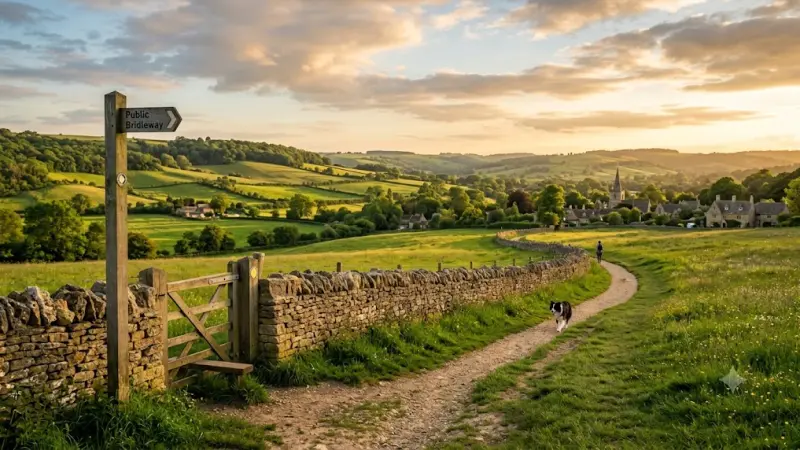
The search for the Best Dog-Friendly Walks in the Cotswolds 2026 is becoming a primary driver for domestic tourism in the UK. As pet ownership continues to hold steady following the pandemic boom, the demand for high-quality, accessible, and well-equipped rural destinations has fundamentally reshaped the hospitality and leisure industries. For families, couples, and solo travellers seeking the perfect rural escape, locating the Best Dog-Friendly Walks in the Cotswolds 2026 is no longer just an afterthought; it is often the central factor determining where they stay, eat, and spend their money.
The Cotswolds, newly rebranded from an Area of Outstanding Natural Beauty (AONB) to a National Landscape, spans nearly 800 square miles across five counties. It offers an unparalleled network of over 3,000 miles of public footpaths, bridleways, and byways. However, not all trails are created equal when it comes to accommodating canine companions. Navigating livestock, difficult stone stiles, and busy road crossings requires careful planning. This comprehensive guide provides an authoritative breakdown of the premier routes, commercial market insights, supplier comparisons for accommodation, and expert advice for planning the ultimate pet-centric getaway.
The Rising Demand for the Best Dog-Friendly Walks in the Cotswolds 2026
The rural tourism sector is undergoing a massive shift. Historically, dog-friendly travel was considered a niche requirement, often relegated to lower-tier accommodation or off-season bookings. Today, the "pound hound" economy is a multi-billion-pound sector in the UK. Pet owners are willing to pay premium rates for luxury experiences that cater explicitly to their dogs, provided the surrounding infrastructure supports their needs.
Industry Overview and Cotswolds tourism market trends
Current Cotswolds tourism market trends indicate a sharp increase in demand for premium, dog-inclusive travel packages. Local hospitality providers are reporting that properties allowing dogs are booked up to 14 months in advance, significantly outperforming pet-free alternatives. This commercial shift is driving investment into rural infrastructure. Estate managers and local councils are upgrading traditional wooden stiles to dog-friendly kissing gates, while luxury hotels are installing dedicated dog-washing stations and offering bespoke canine room service menus.
This economic injection is vital for the preservation of the Cotswolds National Landscape dog walking paths. The revenue generated by visitors parking at National Trust sites, dining at local establishments, and booking local services directly funds the maintenance of these ancient trails, ensuring they remain passable and safe year-round.
The Value of dog-friendly walking holidays
For commercial buyers whether you are a travel agency putting together bespoke tour packages, or an independent traveller acting as a consumer—understanding the logistics of dog-friendly walking holidays is critical. A successful holiday hinges on the proximity of accommodation to safe, well-marked trails. Consumers are increasingly seeking out itineraries that require minimal driving once they arrive at their destination, preferring to step out of their cottage directly onto the trail.
Furthermore, the rise of the "staycation" means that domestic travellers are investing heavily in outdoor gear. The market for rugged dog harnesses, portable hydration systems, and GPS tracking collars has seen exponential growth, mirroring the increased footfall on challenging rural trails.
Selecting the Perfect Route: Essential Criteria for Dog Owners
When evaluating the Best Dog-Friendly Walks in the Cotswolds 2026, it is essential to look beyond mere scenery. A truly exceptional dog-walking route must meet specific functional criteria to ensure the safety of the animal, the owner, and the local agricultural community.
Benefits of circular walking routes for dogs
Experienced hikers consistently favour circular walking routes for dogs. Linear walks require complex logistical planning, often necessitating two cars or a reliance on rural public transport, which rarely accommodates wet, muddy dogs. Circular routes eliminate this friction, allowing walkers to start and finish at the same point—ideally a designated car park or a welcoming pub.
Identifying accessible footpaths for dogs
The historical nature of the Cotswolds means that many paths cross ancient field boundaries. Traditional Cotswold stone stiles can be incredibly difficult for large, heavy breeds or older dogs with mobility issues to navigate. The best routes feature accessible footpaths for dogs, meaning they have been upgraded with modern kissing gates, wide bridleways, or gap-stiles. When planning a route using Ordnance Survey maps, buyers and tourists should actively look for trails designated as bridleways, as these are guaranteed to be gate-accessed rather than stile-accessed.
Navigating Livestock and the Countryside Code
The Cotswolds is a working agricultural landscape. A significant challenge for dog owners is the high density of sheep and cattle. The Countryside Code mandates that dogs must be kept under close control, and specifically on a short lead around livestock. The best dog walks often balance open arable land or enclosed woodland—where dogs can safely exercise off-lead—with managed grazing land where leads are strictly required.
Detailed Route Analysis: The Best Dog-Friendly Walks in the Cotswolds 2026
The following routes have been selected based on their terrain, accessibility, lack of road walking, and proximity to high-quality, pet-accommodating commercial venues.
1. The Broadway Tower countryside trails
Broadway Tower offers one of the most iconic silhouettes in the region. The Broadway Tower countryside trails provide a spectacular, moderate-level circular walk that caters perfectly to active dogs. Starting from the picturesque village of Broadway, the trail follows the Cotswold Way National Trail up the escarpment.
-
Distance: 4 miles (circular)
-
Difficulty: Moderate (includes a steep ascent)
-
Terrain: Well-maintained paths, open grassland, and some woodland.
-
Livestock: Sheep are frequently present near the tower; leads are essential in these specific zones.
-
Amenities: The Morris and Brown café at the summit is exceptionally welcoming to dogs, providing an ideal midway resting point.
-
Why it ranks highly: The route features wide, clear paths that are heavily trafficked and well-maintained, reducing the risk of tick exposure found in denser undergrowth.
2. The Chipping Campden scenic walking routes
Chipping Campden marks the official start (or end) of the 102-mile Cotswold Way. The Chipping Campden scenic walking routes are renowned for their mix of architectural beauty and sweeping rural vistas.
A highly recommended circular route takes walkers out of the town, up to Dover’s Hill, and back through the shaded woodlands of the escarpment.
-
Distance: 4.5 miles (circular)
-
Difficulty: Easy to Moderate
-
Terrain: Paved village streets transitioning into woodland tracks and open National Trust grassland.
-
Livestock: Dover’s Hill often hosts grazing sheep.
-
Why it ranks highly: Dover’s Hill provides vast, open spaces perfect for high-energy dogs to run on a long line, combined with the safety of National Trust management. The town itself is heavily geared towards tourists, offering ample water bowls and dog-friendly seating areas.
3. Bourton-on-the-Water to The Slaughters
For those seeking a gentler, flat walk, the path connecting Bourton-on-the-Water to the twin villages of Lower and Upper Slaughter is unmatched. This route follows the River Eye and the River Windrush, offering plenty of opportunities for water-loving breeds to cool off safely.
-
Distance: 3 to 4 miles (depending on exact route)
-
Difficulty: Easy (virtually flat)
-
Terrain: Riverside paths, quiet country lanes, and meadows.
-
Livestock: Minimal, though occasional horses in adjacent paddocks.
-
Why it ranks highly: The lack of steep inclines and the absence of difficult stiles make this one of the most accessible routes for older dogs, puppies, and owners with mobility considerations. The shallow, slow-moving rivers are exceptionally safe for dogs to paddle in.
4. Cleeve Hill and Belas Knap
For dramatic views and a sense of scale, Cleeve Hill is the highest point in the Cotswolds. The routes here represent some of the top dog-friendly hikes in Gloucestershire, offering vast expanses of common land where dogs can roam extensively without the strict confinement of narrow footpaths.
-
Distance: Variable (Common land allows for bespoke 2-mile to 8-mile routes)
-
Difficulty: Moderate to Challenging (due to elevation and exposure to weather)
-
Terrain: Open, rugged grassland and rocky limestone outcrops.
-
Livestock: Cleeve Common is grazed by sheep and sometimes cattle; extreme vigilance is required, though the vast sightlines make it easy to spot livestock well in advance.
-
Why it ranks highly: The sheer sense of space is unmatched. For high-drive working breeds (such as Spaniels and Collies), the open common land provides the necessary physical and mental stimulation that enclosed paths cannot offer.
5. Leckhampton Hill and the Devil’s Chimney
Another spectacular Gloucestershire escarpment walk, Leckhampton Hill offers a brilliant mix of woodland, Iron Age hillforts, and Victorian quarry remains, culminating in the unique limestone pillar known as the Devil’s Chimney.
-
Distance: 4.5 miles (circular loop)
-
Difficulty: Moderate
-
Terrain: Forest trails, steep ascents, and open scarp edges.
-
Livestock: Generally less livestock than Cleeve Hill, though grazing cattle are sometimes introduced for conservation purposes.
-
Why it ranks highly: The woodland sections provide essential shade during the warmer summer months, making this a much safer option for dogs when temperatures rise and open hilltops become hazardous.
Dining Out: Integrating Hospitality with Your Walk
A major component of the UK rural leisure economy is the hospitality sector. The integration of high-quality dining with walking routes is a massive draw for consumers.
Evaluating dog-friendly pubs in the Cotswolds
The term "dog-friendly" is applied broadly, but commercial buyers and tourists should look for establishments that go beyond merely tolerating dogs in the garden. The best dog-friendly pubs in the Cotswolds offer access to indoor bar areas with hard floors (crucial for wet weather), provide dedicated dog menus or treats at the bar, and ensure water bowls are frequently refreshed. Establishments like The Ebrington Arms near Chipping Campden or The Mount Inn in Stanton set the industry standard, actively marketing themselves to the canine demographic and seeing significant revenue increases as a result.
Discovering dog-friendly cafes near walking trails
For morning walks, café culture is equally important. Many rural estates and National Trust properties have adapted their commercial offerings. You will now find superb dog-friendly cafes near walking trails, such as the facilities at Westonbirt Arboretum or the various independent coffee stops in Stow-on-the-Wold. These venues provide robust outdoor seating, tie-up points, and shaded areas, allowing owners to comfortably secure their dogs while they purchase food and drink.
Accommodation: Finding pet-friendly Cotswold holiday cottages
The supplier landscape for rural accommodation is fiercely competitive. When booking a base for your holiday, the choice of agency dictates the quality of the experience.
Supplier Comparison Advice
For UK businesses planning corporate retreats with pets, or consumers booking family holidays, choosing the right supplier for pet-friendly Cotswold holiday cottages requires evaluating their specific pet policies. Not all "pet-friendly" cottages are equal; some charge exorbitant supplementary fees, restrict dogs from living rooms, or lack enclosed gardens.
| Booking Agency / Supplier | Market Position | Pet Surcharge | Enclosed Garden Guarantee | Best For |
| Canine Cottages | Pet-first specialist | Usually included in base price | Yes, highly verified | Buyers wanting a 100% dog-focused experience without hidden rules. |
| Rural Retreats | Luxury / High-end | Approx. £30 - £50 per dog | Variable (must check listing) | Luxury consumers seeking premium properties; stricter rules on furniture access. |
| Cotswolds Hideaways | Local specialist | Approx. £25 per dog | Filter available | Deep local knowledge; great for finding isolated properties near trails. |
| Sykes Holiday Cottages | Mass market / Value | Varies by individual owner | Filter available | Budget-conscious travellers; massive inventory but highly variable pet rules. |
Commercial Guidance: Always verify the definition of an "enclosed garden." A 3-foot dry stone wall might contain a terrier, but it will not secure a German Shepherd. Premium suppliers provide detailed boundary descriptions to prevent holiday disasters.
Outsourcing and Support: local dog walkers and pet services
While the primary goal of visiting the Cotswolds is to walk your dog, commercial realities and tourist itineraries sometimes dictate otherwise. Visitors may wish to spend a day visiting a non-dog-friendly attraction, such as certain interior sections of Blenheim Palace or a fine-dining establishment.
This demand has given rise to a thriving micro-economy of local dog walkers and pet services. Professional, fully insured pet sitters and dog walkers in villages like Broadway, Bourton, and Burford offer bespoke day-care services for tourists. When selecting a local service, commercial buyers must ensure the provider holds valid public liability insurance, canine first aid certification, and ideally, a local council boarding license if the dog is leaving the owner's accommodation. Utilizing these services allows tourists to inject money into the local service economy while ensuring their pet is professionally exercised in a familiar rural environment.
Essential Buying Considerations for Canine Hiking
Undertaking the Best Dog-Friendly Walks in the Cotswolds 2026 requires preparation. The terrain, while generally moderate, can be highly variable depending on the season. Winter brings deep mud and slippery limestone, while summer introduces the risks of heatstroke and adder bites. Consumers should consider the following equipment purchases to ensure a safe trip:
-
GPS Tracking Collars: The Cotswolds features vast expanses of woodland and common land. A GPS tracker (such as those utilizing the UK's mobile networks) is an essential investment for dogs with high prey drive who might bolt after a deer or pheasant.
-
Robust, Padded Harnesses: Standard neck collars are insufficient for long rural hikes, particularly if you need to physically assist your dog over a broken stile or steep riverbank. A high-quality harness with a top-mounted handle provides critical safety and control.
-
Tick Prevention and First Aid: The Cotswolds has a high population of deer, bringing a corresponding risk of ticks.
Buyers must ensure their dogs are up-to-date with veterinary-prescribed tick prophylactics. Furthermore, a canine first aid kit—including tick twisters, bandages, and saline solution—is mandatory for responsible hiking.
-
Portable Hydration Systems: Natural water sources in agricultural areas can carry agricultural runoff or blue-green algae in standing water. Carrying a dedicated, leak-proof dog water bottle ensures your pet stays hydrated without risking gastrointestinal issues.
Expert Tips and Common Mistakes to Avoid
Even experienced dog owners can fall foul of rural regulations or geographical hazards. To maximize your experience on the trails, adhere to the following expert insights.
Common Mistakes
-
Ignoring Livestock Signs: The most severe mistake a walker can make is assuming their dog is "friendly" and letting it off-lead near sheep. Livestock worrying is a criminal offence in the UK, and farmers have the legal right to shoot dogs that are actively endangering their flock. Always default to a short lead if you cannot see the entirety of the next field.
-
Underestimating the Heat: The Cotswolds' open escarpments offer very little shade. Walking a dog on Cleeve Hill at midday in July is highly dangerous. Plan walks for early morning or late evening during the summer months.
-
Relying on Mobile Signal for Navigation: Mobile network coverage in the deep Cotswold valleys (such as around the Slaughters or Naunton) is notoriously poor. Relying solely on a smartphone app without downloading the map offline, or failing to carry a physical OS Map (Explorer OL45), often leads to navigation errors.
Expert Tips
-
Master the "Wait" Command: When navigating narrow kissing gates or busy rural road crossings, a solid "wait" command ensures you can manage the gate or check for traffic without being pulled forward.
-
Utilize the National Trail Infrastructure: The Cotswold Way is managed by National Trails and receives the highest level of funding for path maintenance. When in doubt, routes that utilize sections of the Cotswold Way will generally have the best-maintained stiles, gates, and signage.
-
Check Pub Serving Times: Rural Cotswold pubs rarely serve food all day. Kitchens typically close between 2:30 PM and 6:00 PM. Time your circular walk meticulously to ensure you arrive during service hours, and always book a table in advance, explicitly mentioning you have a dog to secure appropriate seating.
Industry Terminology and Entity-Rich Context
To navigate the Cotswolds pet tourism market effectively, understanding industry terminology is beneficial.
-
Public Right of Way (PRoW): Legally protected routes that the public has the right to pass along. These include footpaths (pedestrians only), bridleways (pedestrians, horses, cyclists), and restricted byways.
-
The Countryside Code: The statutory guide published by Natural England detailing the responsibilities of visitors to rural areas, particularly regarding gates, litter, and livestock control.
-
AONB / National Landscape: The Cotswolds was designated an Area of Outstanding Natural Beauty in 1966, a title recently updated nationally to "National Landscape" to reflect the active conservation required to maintain these environments.
-
First-Dollar Gross / Pet Pound: Commercial terms used by the hospitality industry to describe the total economic impact and specific revenue generated directly by pet-owning tourists.
Frequently Asked Questions
1. Are dogs allowed on the entire length of the Cotswold Way?
Yes, dogs are legally permitted on all public rights of way that make up the 102-mile Cotswold Way. However, owners must strictly adhere to the Countryside Code, keeping dogs under close control, especially when crossing farmland containing livestock or passing through protected wildlife habitats.
2. What is the most accessible dog walk in the Cotswolds for older dogs?
The riverside walk between Bourton-on-the-Water and Lower Slaughter is widely considered the most accessible route. It features virtually no elevation, well-maintained flat paths, and lacks difficult stone stiles, making it perfect for senior dogs or puppies requiring low-impact exercise.
3. Do I need to keep my dog on a lead at Broadway Tower?
While Broadway Tower Country Park welcomes dogs, they must be kept on a lead in specific areas, particularly near the resident herd of red deer and grazing sheep. There are designated open spaces where well-behaved dogs can exercise freely, but close control is mandatory near the wildlife.
4. How can I find cottages with truly secure gardens in the Cotswolds?
When booking accommodation, use specialist agencies like Canine Cottages, or contact suppliers directly to request photographic proof of the garden boundaries. Specify your dog's breed and jumping capability, as a standard three-foot Cotswold stone wall is rarely sufficient for larger, athletic breeds.
5. Are there restrictions on taking dogs into Cotswold pubs?
The vast majority of rural Cotswold pubs are exceptionally dog-friendly, actively welcoming them into bar areas and gardens. However, dogs are routinely restricted from formal dining rooms and carpeted restaurant areas due to hygiene and comfort regulations. Always call ahead to reserve a dog-friendly table in the bar.
Disclaimer: The information provided in this article is for general informational and research purposes only. Company details, features, services, and market positions may change over time. Readers are advised to visit official company websites and conduct independent research before making any business decisions or purchasing services.
Most Searchable Keywords
Recent Blogs

Related Listings
Categories
- Accountants (295)
- Advertising Agencies (559)
- Architects (149)
- Automobiles (377)
- Beauty (300)
- Carpenters (146)
- Cleaning Services (387)
- Dentists (189)
- Driving (62)
- Electricians (215)
- Energy (8)
- Event Organiser (686)
- Finance (602)
- Guide (3375)
- Health (2207)
- Information technology (206)
- Legal Services (354)
- Logistics (6)
- Maintenance (65)
- Manufacturing (35)
Sponsored Listings in Legal Services



Related Blogs

BBC Radio 2 Presenters Family Age and Net Wor...
Read this insightful article "BBC Radio 2 Presenters Family Age and Net Worth Guide" to expand your knowledge!

Step-by-Step Guide to Claiming a TV Licence D...
Read this insightful article "Step-by-Step Guide to Claiming a TV Licence Discount or Exemption" to expand your knowledge!

Meet the Fair Work Agency Changing UK Work Ru...
Read this insightful article "Meet the Fair Work Agency Changing UK Work Rules in 2026" to expand your knowledge!
Questions & Answers – Find What
You Need, Instantly!
How can I update my business listing?
Is it free to manage my business listing?
How long does it take for my updates to reflect?
Why is it important to keep my listing updated?
