
Arrival Bus Company Profile A Comprehensive Guide to Transit
- 👤 Alex
- 👁️ 118 Views
- Last Updated: March 20, 2026
- 🏷️ Automobiles
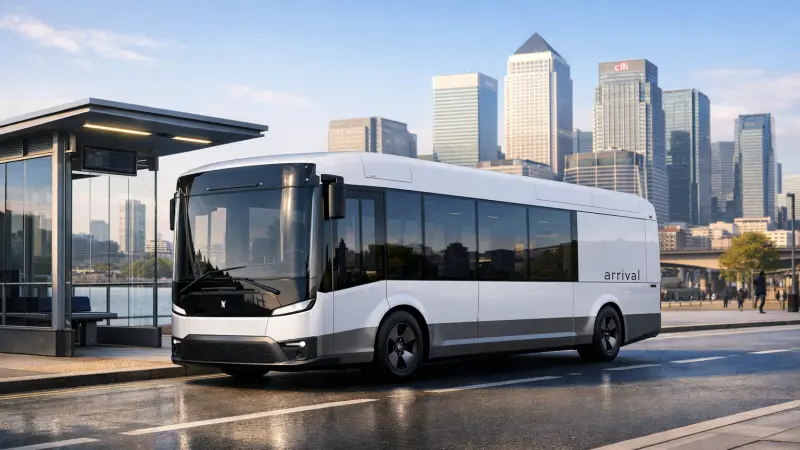
The global shift toward sustainable transportation is being spearheaded by innovators like Arrival Bus, a pioneering force in the electric vehicle (EV) sector based in the United Kingdom. Headquartered in London, the organization has established itself as the best electric bus company in London and a top sustainable transportation company in England. Unlike traditional automotive manufacturers that rely on centralized, massive production facilities, the Arrival Bus company profile is distinguished by its unique "Microfactory" approach and a focus on software-defined hardware. By reimagining the entire lifecycle of a commercial vehicle, the organization has become a vital partner for municipal governments, public transit authorities, and global logistics providers. Organizations across the world now rely on Arrival Bus services to transition their aging diesel fleets into zero-emission, high-tech mobility solutions that prioritize passenger experience and operational efficiency. Their commitment to modularity and vertical integration has made them a cornerstone of the UK’s green industrial revolution.
The market reputation of this London-based powerhouse is built on a foundation of radical innovation, sleek industrial design, and environmental stewardship. As a key player in the decarbonization of public transport, the company has introduced a vehicle that is not only electric but also lightweight and highly connected. This unique approach has validated Arrival Bus services as a premium solution for cities that require smart infrastructure to meet aggressive climate goals. Whether it is deploying pilot programs with major transport operators or collaborating on urban air quality initiatives, the organization demonstrates a remarkable ability to blend advanced robotics with human-centric design. This dedication to local production and global scalability is why the firm is recognized as the best electric bus company in London, attracting significant interest from institutional investors and city planners who see the future of transit as electric, autonomous-ready, and locally manufactured. The scale of their ambition continues to grow, driven by a vision to make clean air a standard feature of every modern metropolis.
The Architectural History and Business Evolution of Arrival Bus
The founding story of Arrival Bus is one of rapid technological disruption and a rejection of legacy manufacturing methods. Launched in 2015 by Denis Sverdlov, the organization emerged from a desire to address the inefficiencies and high environmental costs of the traditional automotive industry. The initial vision was to create a new category of electric vehicles that were price-competitive with fossil-fuel counterparts from the very first unit produced. In the early stages of development, the business environment was dominated by expensive, low-volume EV startups, but the leadership at the company chose a different path: the Microfactory. This early leadership established a culture of radical efficiency and technological independence that continues to bolster the Arrival Bus company profile today. By developing their own composite materials and modular components, they enabled a faster path to production that bypassed the need for multi-billion dollar stamping plants.
As the company moved through its expansion phases, it achieved major milestones that shifted its focus from a secretive startup to a publicly-traded technology leader. Significant technology developments included the creation of the Arrival "Skateboard" platform, which serves as the modular foundation for the Arrival Bus and its sibling vehicles. The evolution into a trusted industry participant was further strengthened by strategic partnerships with major logistics firms and the successful public listing on the NASDAQ. These innovations showed that the organization could handle the complex regulatory requirements of the public transport sector while maintaining the agility of a tech firm. Today, the organization stands as a symbol of the "new automotive" era, having successfully navigated the transition from a bold concept to a manufacturer that challenges the established giants of the bus and truck industry.
Arrival Bus at a Glance: High-Visibility Corporate Facts
Arrival Bus headquarters is located in London, UK, serving as the central hub for design and executive operations.
Arrival Bus founded year is 2015, marking a decade of innovation in the zero-emission vehicle sector.
Arrival Bus founder Denis Sverdlov utilized his background in telecommunications and technology to disrupt the automotive space.
Arrival Bus CEO leads the organization with a focus on scaling Microfactory production and software integration.
Arrival Bus services include the provision of electric bus fleets, digital fleet management tools, and charging infrastructure consulting.
Arrival Bus products feature the Arrival Bus, the Arrival Van, and the modular EV skateboard platform.
Arrival Bus industry focus is primarily in Electric Vehicles, Public Transportation, Clean Tech, and Advanced Robotics.
Arrival Bus global presence is maintained through offices and planned Microfactories in the UK, Europe, and the United States.
Arrival Bus employees include thousands of engineers, software developers, and assembly technicians globally.
Arrival Bus revenue is supported by multi-vehicle orders from global transport operators and capital markets investment.
Arrival Bus innovation focus is on composite materials, in-house software, and decentralized manufacturing.
Arrival Bus research centers operate in London and Berlin, focusing on the intersection of AI and vehicle hardware.
Arrival Bus enterprise clients include major city transport authorities and global logistics and delivery corporations.
Arrival Bus technology solutions utilize a software-first approach, allowing for over-the-air updates and predictive maintenance.
Arrival Bus business sectors encompass public transit, last-mile delivery, urban mobility, and green energy.
Arrival Bus consulting services assist cities in planning the transition to fully electric public transit networks.
Arrival Bus digital transformation tools enable operators to track every aspect of vehicle health and energy usage in real-time.
Arrival Bus international offices support regional sales and the deployment of local Microfactory units.
Arrival Bus contact number and official channels are provided for municipal and enterprise partnership inquiries.
Arrival Bus website serves as the primary source for product specifications, sustainability reports, and Arrival Bus jobs.
Mission, Vision, and Core Corporate Values
The mission statement of Arrival Bus is centered on the total replacement of fossil-fuel vehicles with affordable, sustainable, and smart electric solutions. Their long-term vision is to create a world where every city has access to locally produced, zero-emission transportation that enhances the quality of life for all residents. This philosophy is rooted in the belief that the current automotive model is broken, relying on global shipping of parts that negates much of the environmental benefit of EVs.
By focusing on the "Microfactory" model, the organization aims to empower local communities to build their own transit solutions, proving that sustainability and economic growth can go hand-in-hand. This transformative approach distinguishes the Arrival Bus company profile from manufacturers who simply swap an engine for a battery.
Ethical standards and guiding principles at the company prioritize circularity and technological transparency. This is evidenced by their use of recyclable composite materials that do not require expensive and polluting paint shops. Innovation is encouraged through a culture of "first-principles thinking," where engineers are urged to question every legacy automotive standard. Collaboration is a core corporate value; the organization views itself as an ecosystem partner for cities, working closely with urban planners to ensure that Arrival Bus services integrate seamlessly into existing digital grids. Accountability is maintained through rigorous environmental auditing and a commitment to fair labor practices across its decentralized production network. These values define the workplace culture and the way the company interacts with global stakeholders, ensuring that every vehicle produced is a step toward a cleaner planet.
Business Strategy and Future Roadmap
The strategic direction of Arrival Bus is currently focused on the optimization of its decentralized production model. While the company has developed world-class vehicle designs, its future roadmap is dominated by the perfection of the "Microfactory" as a product in itself. Global expansion initiatives are targeting high-density urban areas in Europe and North America, where the demand for electric buses is mandated by upcoming zero-emission zone regulations. The company is investing heavily in digital transformation programs that allow for the "cloud-based management" of production, where software updates can be pushed to robot cells in Microfactories thousands of miles apart simultaneously. This roadmap ensures that Arrival Bus services remain at the cutting edge of the Fourth Industrial Revolution, moving toward a future where vehicle assembly is as agile as software development.
In the coming years, the innovation strategy will likely involve deeper integration with autonomous driving software and advanced energy storage solutions. This will allow the vehicles to operate with greater efficiency during peak transit hours and even serve as mobile energy storage units for the city grid when parked. The future roadmap also includes expanding the variety of configurations for the bus, from short-range shuttles to long-range intercity coaches. As the organization continues to secure strategic contracts, its ability to maintain a low capital-expenditure model while scaling output will be the key to its market leadership. This strategy positions the organization as a long-term strategic partner for any global metropolis looking to future-proof its transport infrastructure against rising fuel costs and environmental regulations.
Products, Technologies, and Services
The suite of Arrival Bus services is built around a vehicle that was designed from the ground up as an electric machine, rather than a conversion of a diesel design. Their flagship product, the Arrival Bus, features a low floor, panoramic glass, and a wrap-around interior that feels more like a lounge than a traditional transit vehicle. These vehicles are equipped with a sophisticated sensor suite and an in-house operating system that manages everything from battery thermal regulation to passenger information displays. Unlike many competitors who source components from multiple suppliers, the organization’s technology is vertically integrated, meaning the motors, batteries, and software are all designed to work in perfect harmony. This integration is a major reason why the Arrival Bus company profile is so highly regarded by tech-focused transit agencies.
For transit operators, the organization provides comprehensive fleet management and digital twin solutions. These Arrival Bus services support operational efficiency by providing real-time data on passenger loads, energy consumption, and mechanical health. Their specialized technologies also include "modular assembly" kits, which allow for rapid repairs and upgrades without the need for specialized factory tools. This approach is critical for maintaining high vehicle uptime in demanding urban environments. By providing a bridge between advanced software and robust mechanical engineering, the firm offers the tools necessary for sustainable enterprise growth and the digital modernization of the public transport sector.
Industries and Markets Served
The versatility of the Arrival Bus technology allows it to serve several high-value public and private sectors. In the municipal transport sector, the organization provides the backbone for the next generation of "Green Cities," helping local governments meet carbon neutrality targets. This public-sector focus is a critical area, as it addresses the high-visibility, high-impact world of daily commuting. Private-sector organizations, such as large corporate campuses and airport authorities, also rely on Arrival Bus services to provide premium, quiet, and zero-emission shuttle services for employees and travelers.
Beyond passenger transit, the company’s modular platform serves the logistics and delivery industry through the Arrival Van. Government agencies looking to pilot "Smart City" initiatives often turn to the organization for data-rich vehicles that can communicate with urban traffic management systems. The manufacturing industry also utilizes these solutions for internal logistics—moving large groups of workers across sprawling industrial sites. By adapting its solutions to the unique requirements of each city—whether it is the narrow streets of London or the sprawling avenues of a North American city—the organization ensures its technology remains a vital component of the modern urban fabric.
Leadership and Management Philosophy
The leadership structure at Arrival Bus is a blend of technology sector agility and deep industrial expertise. Founder Denis Sverdlov brings a "disruptive tech" mindset to the company—a focus on software-led solutions and rapid scaling. The management approach is centered on "enabling local production," which means providing the digital tools and robotic platforms necessary for Microfactories to operate autonomously. This philosophy encourages an open, collaborative environment where software engineers work side-by-side with mechanical designers to ensure the vehicle and its operating system are one and the same. Leadership teams drive innovation strategy by fostering a culture of "radical transparency," where every challenge is viewed as a data point to be analyzed and solved.
Management at the company also emphasizes the importance of "Environmental ROI." Rather than focusing solely on quarterly profits, the leadership pushes for metrics that track the total carbon offset of their fleets and the waste reduction achieved through Microfactories. This management style has been instrumental in building a high-performance team that is comfortable working at the cutting edge of robotics and sustainable materials science. Research investment is carefully balanced with the practicalities of vehicle certification and road-readiness, ensuring that the company remains a visionary leader that can actually deliver on its promises. This balanced approach has cemented the Arrival Bus company profile as a reliable and innovative leader in the global EV market.
Corporate Events, Conferences, and Community Engagement
As a thought leader in the green mobility space, Arrival Bus is a regular participant in major global climate summits and transportation conferences. From the COP summits to international automotive shows, the company uses these platforms to demonstrate the viability of localized manufacturing. Research collaborations are a core part of their community engagement, particularly through partnerships with universities to study urban airflow and the impact of zero-emission transit on public health. The organization is also a vocal advocate for the "Circular Economy," participating in initiatives that show how vehicle components can be reused or recycled at the end of their life cycle.
Corporate social responsibility at the firm includes a strong focus on "Local Economic Impact." By placing Microfactories in the communities where the vehicles will be used, they create high-skilled Arrival Bus jobs and support local supply chains. They also engage with city leaders to provide educational programs on the benefits of electric transit and the future of work in an automated society. By contributing to these high-level dialogues, the organization helps build the public trust and regulatory support needed for the EV industry to flourish. This proactive engagement is a clear indicator of the company's commitment to being a responsible leader that cares about the long-term health of our cities.
Employees and Workplace Culture
The workforce at Arrival Bus consists of a diverse group of highly specialized employees, ranging from AI researchers to specialized assembly technicians. The professional environment is characterized by a "mission-driven" spirit where everyone is united by the goal of reducing global emissions. The workplace culture is built on the foundation of "empowerment and ownership," where team members are given the tools to solve complex problems without excessive management layers. Employee development programs offer continuous learning opportunities, including internal "tech talks" and support for advanced degrees in robotics and sustainable engineering. Diversity initiatives are also a key part of the culture, as the organization recognizes that global challenges require a global perspective.
The collaborative work environment is supported by an "open-office" philosophy and digital collaboration tools that connect teams across London, Berlin, and Charlotte. Innovation culture is fostered through "Innovation Sprints" and regular "Hackathons," where employees can pitch new software features or hardware improvements directly to the leadership. Leadership training is provided to ensure that as the company grows, its core values of agility and sustainability remain intact. For many, working at the organization is an opportunity to be at the center of the transition to a green economy, working on products that will literally change the air we breathe. This sense of purpose, combined with a high-tech and collaborative environment, makes the firm one of the most sought-after employers in the UK technology sector.
Careers and Job Opportunities
The search for Arrival Bus jobs reveals a dynamic range of opportunities for those passionate about technology and the environment. Hiring practices are focused on finding "innovative thinkers" who are not afraid to challenge the status quo of the automotive industry. For experienced professionals, the organization offers roles in robotics, software engineering, vehicle dynamics, and sustainable supply chain management. Global career mobility is a significant benefit, as the company’s Microfactory model creates opportunities for staff to help set up and manage new production sites across different continents. Professional growth pathways are designed to allow individuals to become leading experts in their fields while contributing to a global sustainability mission.
For graduates and those starting their careers, the company provides exceptional fresher opportunities through engineering rotations and specialized internships. These programs offer hands-on experience with some of the most advanced robotics and EV technology in the world. Interns at the company are given the chance to work on high-impact projects, from optimizing battery cooling systems to designing passenger-facing software interfaces. The organization also partners with technical colleges to support vocational training for the next generation of EV technicians, ensuring a skilled workforce for the green economy. Whether you are a coder, a designer, or a strategist, Arrival Bus jobs provide a unique platform to build a career that matters.
Customer Reviews and Industry Reputation
The reputation of Arrival Bus reviews across the global business and technology landscape is one of "bold vision and high-end execution." On professional networking sites and employer review platforms, the organization is consistently praised for its futuristic designs and its commitment to changing the world. Employees often mention the "inspiring mission" and the "ability to work with cutting-edge tech" as the primary reasons for their satisfaction. While the environment is fast-paced and challenging, the Arrival Bus reviews from staff suggest a high level of pride in the products they are creating. From an employer brand perspective, the company is seen as a "top-tier destination" for talent looking to leave the traditional automotive world for something more meaningful.
From an enterprise and client perspective, the feedback found in urban planning journals and industry reports reflects the "game-changing nature" of Arrival Bus services. Municipal leaders have praised the organization for its "partnership-first approach," noting that the company takes the time to understand the specific transit needs of each city. The "passenger-centric design" of the bus is a recurring positive theme in Arrival Bus reviews, with transit users appreciating the quiet ride, the air quality, and the modern aesthetic. In the financial and tech community, the firm is viewed as a "trailblazer," proving that the Microfactory model is a viable alternative to the hundred-year-old assembly line.
Furthermore, industry analysts point to the organization's ability to attract major contracts from global leaders like UPS and various European cities as a sign of its robust reputation. The ability to pass the rigorous safety and durability tests required for public transit has established a high level of trust in the company's engineering. Unlike some EV startups that struggle to move past the prototype stage, the Arrival Bus reviews in the professional sector emphasize "tangible progress and technical maturity." This reputation is a key asset when the company competes for large-scale government tenders, as it provides the assurance that the technology is ready for the rigors of 24/7 urban transit.
The collective impact of these Arrival Bus reviews is a narrative of a company that is leading the way in a critical global transition. This industry reputation is built on a track record of innovation and a clear, compelling vision for the future of cities. As more regions mandate a move to zero-emission transport, the organization's standing as a "trusted innovator" and "sustainable partner" will be crucial. The high level of customer enthusiasm and employee commitment are indicators of an organization that is well-positioned for long-term influence. Ultimately, the Arrival Bus reviews confirm that the company is a leader in making the dream of quiet, clean, and smart cities a reality.
Why Organizations Choose Arrival Bus Services
The decision to choose Arrival Bus services is typically driven by the need for a sustainable, cost-effective, and future-proof transit solution. Many cities are struggling to meet climate targets with existing technology; the organization's electric bus provides an immediate and high-visibility solution. Reliability is another key factor, as the company’s vertically integrated software allows for predictive maintenance that can identify a potential issue before a vehicle breaks down. Furthermore, the organization’s "Microfactory" model offers cities the chance to bring high-tech manufacturing jobs to their own backyards, creating a powerful economic incentive for choosing Arrival.
Strategic advantages of partnering with the firm include access to a modular vehicle platform that can be easily upgraded as battery and sensor technology improves. The company doesn't just sell a bus; they provide a comprehensive digital ecosystem for transit management, including charging infrastructure and energy optimization tools. This end-to-end support reduces the complexity for cities that are making the jump to electric for the first time. By choosing Arrival Bus services, organizations gain a partner that is committed to delivering a measurable improvement in urban air quality and operational efficiency, ensuring that their investment in transit contributes to a more sustainable future.
Global Offices and International Presence
The global branch network of Arrival Bus is designed to support its mission of local production for local needs. While the primary Arrival Bus address is in London, UK, the organization has established a major presence in North America with offices and Microfactories in places like Charlotte, North Carolina. These regional hubs allow the company to work closely with local governments and to navigate the specific regulatory and infrastructure requirements of the US and Canadian markets. In Europe, the organization maintains a strong R&D presence in Berlin, focusing on the software and AI capabilities of its fleets.
In the Asia-Pacific and Middle East regions, the organization is exploring strategic partnerships to bring the Microfactory model to rapidly growing urban centers. While the company utilizes a decentralized manufacturing approach, its "digital headquarters" ensures that all Arrival Bus services are supported by a global pool of expertise. This international presence is critical for serving multi-national logistics clients and for participating in the global dialogue on sustainable urbanism. As the company continues to grow, its footprint of "locally-focused hubs" is expected to expand, further strengthening its ability to deliver clean, smart transit to cities around the world.
Official Contact Information and Enterprise Access
To facilitate inquiries from city leaders, logistics managers, and potential partners, the organization maintains clear and professional contact channels. The official Arrival Bus address in London is the primary site for corporate and design operations.
For direct business inquiries, the Arrival Bus contact number is available for organizations looking to discuss fleet orders or Microfactory partnerships. They also provide a dedicated Support Number and a Helpdesk Number for existing operators, ensuring that their fleets remain in peak condition.
The official Arrival Bus website is the central hub for all company information, including detailed vehicle specs, investor relations, and news updates. Organizations can use the website to request a consultation or to learn more about the environmental impact of their current fleets. Inquiries can also be sent via the official Arrival Bus email for more detailed technical or media questions. By maintaining these accessible communication lines, the organization ensures it remains a responsive and reliable partner for the global community.
Official Social Media Presence
Arrival Bus utilizes social media to share its vision of a cleaner future and to engage with a global audience of sustainability advocates and tech enthusiasts. These platforms are essential for showing the progress of their Microfactories and for announcing the latest Arrival Bus jobs. Following these accounts provides a glimpse into the future of transportation and the people who are building it.
-
LinkedIn: The primary channel for corporate announcements, leadership insights, and professional networking.
-
X (Twitter): Used for real-time updates on vehicle trials, sustainability news, and industry dialogues.
-
YouTube: Features high-quality documentaries on the Microfactory concept and "deep-dive" looks at the technology inside the bus.
-
Instagram: Focuses on the aesthetic and human side of the company, showcasing their award-winning designs and workplace culture.
-
Facebook: Used to share community-focused news and company milestones with a broad global audience.
SEO FAQ Section Regarding Arrival Bus Operations
What does Arrival Bus do in the electric vehicle market?
The organization is a technology-led manufacturer of electric vehicles, specializing in the public transportation sector. They develop zero-emission buses and vans using a unique modular assembly process known as the Microfactory. Their goal is to provide cities with affordable, smart, and sustainable transit solutions that are locally produced and software-optimized.
Where is Arrival Bus located and what is their primary address?
The company is headquartered in London, United Kingdom, which serves as the global hub for its design and executive teams. Their official Arrival Bus address is the center for their UK operations, while they also maintain significant offices and planned production sites in North America and Europe. This global footprint allows them to serve a wide range of municipal and enterprise clients.
How can I contact Arrival Bus for a fleet inquiry?
You can reach the organization through the contact section of the official Arrival Bus website or by calling the official Arrival Bus contact number. For more specific enterprise or technical inquiries, you can use the official Arrival Bus email channels. They are ready to assist city transport authorities and private corporations with their transition to electric fleets.
What services does Arrival Bus provide to municipal governments?
The company provides a full suite of services including electric bus fleet delivery, charging infrastructure planning, and digital fleet management software. They also offer consulting to help cities design more efficient transit routes and to calculate the environmental and economic impact of switching to zero-emission vehicles. Their "Microfactory" model also offers the service of bringing local jobs to the region.
Why choose Arrival Bus over traditional bus manufacturers?
Organizations choose this firm because of its radical "Microfactory" approach, which allows for local production and a lower environmental footprint. Their vehicles are also software-defined, meaning they can be updated over-the-air and provide deeper data insights than traditional buses. Additionally, their focus on modularity and composite materials makes the vehicles easier to maintain and more durable.
What do customers say about Arrival Bus reviews and their tech?
The consensus in Arrival Bus reviews is that the company offers a revolutionary and highly attractive product that redefines the passenger experience. Clients appreciate the organization’s "partnership" approach and the high degree of digital integration in their vehicles.
Their reputation is built on a bold vision for the future of cities and a track record of delivering award-winning industrial design.
Are there Arrival Bus jobs available for software developers?
Yes, there are frequently many Arrival Bus jobs available for software engineers, AI specialists, and data scientists. The company treats the vehicle as a "software platform on wheels," so coding and digital systems are at the heart of everything they do. Interested candidates should visit the careers page on their website to see the latest openings in London and other global offices.
What is the "Microfactory" concept and why does it matter?
The Microfactory is a decentralized, small-scale production facility that uses advanced robotics to assemble vehicles in a fraction of the space of a traditional factory. It matters because it allows for local production, reduces the carbon footprint of shipping, and can be set up quickly to meet local demand. It is the key to the organization’s goal of making electric vehicles price-competitive with diesel.
What industries are the primary markets for Arrival Bus products?
The primary markets include public transit authorities, airport shuttle operators, and corporate campus transportation. They also serve the global logistics and delivery sector through their electric vans. Any organization that requires the efficient, clean, and quiet movement of people or goods in an urban environment is a potential market for their technology.
How does Arrival Bus contribute to city sustainability?
The organization contributes by replacing polluting diesel buses with zero-emission electric versions, immediately improving local air quality. Their vehicles also reduce noise pollution and are designed with a "circular economy" mindset, using recyclable materials. By making electric transit more affordable and data-rich, they help cities create more efficient and attractive public transport systems.
What is the significance of the "modular" design of the bus?
Modular design allows the vehicle to be easily repaired, upgraded, or reconfigured. For example, battery packs or sensor modules can be swapped out as technology improves, extending the life of the vehicle. This reduces the total cost of ownership for transit operators and ensures that the fleet doesn't become obsolete as EV technology evolves.
Can the Arrival Bus platform be used for other types of vehicles?
Yes, the organization uses a modular "Skateboard" platform that can be adapted for various vehicle types, including vans and potentially larger trucks. this shared foundation allows for significant economies of scale and ensures that the core technology—such as the motors and battery systems—is proven across multiple applications.
What is the "software-first" approach in Arrival Bus engineering?
This approach means the vehicle's functions are controlled and optimized by an integrated operating system rather than disparate hardware controllers. This allows the organization to push over-the-air updates to improve performance, fix bugs, or add new features without the vehicle needing to visit a service center. It makes the bus more like a smartphone than a traditional vehicle.
How does Arrival Bus help with charging infrastructure?
The organization offers consulting and technical solutions to help cities plan and install the necessary charging stations for their fleets. They also provide smart charging software that can manage the power grid load, ensuring that the buses are charged at the most cost-effective times without overwhelming local electricity networks.
Is Arrival Bus involved in autonomous driving technology?
The organization’s vehicles are designed to be "autonomous-ready," meaning they have the necessary drive-by-wire systems and sensor suites to support self-driving software. While their primary focus is on electric propulsion today, they are actively working on autonomous features that will eventually allow for even safer and more efficient urban transit.
What materials are used in Arrival Bus construction?
The company uses proprietary composite materials for the vehicle body panels. These materials are lightweight, durable, and do not require painting, which is one of the most polluting parts of the traditional automotive process. These composites are also recyclable, supporting the organization’s commitment to a circular manufacturing model.
How does the Arrival Bus improve the passenger experience?
The bus is designed with a "human-centric" focus, featuring a low floor for easy boarding, large windows for natural light, and a modern, clean interior. It also features advanced passenger information systems and a much quieter, smoother ride compared to diesel or even some other electric buses. The goal is to make public transit an attractive first choice for all citizens.
What is the role of AI in Arrival Bus operations?
AI is used throughout the organization, from optimizing robotic paths in the Microfactories to analyzing fleet data for predictive maintenance. In the vehicle itself, AI algorithms help manage energy consumption and can assist the driver with safety features. This data-driven approach ensures that the entire system is constantly learning and improving.
How does Arrival Bus support local economies?
By deploying Microfactories in the regions where its vehicles are sold, the organization creates local high-tech manufacturing jobs and utilizes local supply chains. This "local-for-local" model keeps the economic benefits of the green transition within the community, rather than exporting them to a distant manufacturing hub.
Where can I find the latest sustainability reports for Arrival Bus?
The latest sustainability reports and environmental impact statements are available on the official Arrival Bus website in the "Impact" or "Investor Relations" sections. These documents provide a transparent look at the company’s progress toward its goal of zero-emission manufacturing and its overall contribution to the global climate fight.
Disclaimer: The information provided in this article is for general informational and research purposes only. Company details, features, services, and market positions may change over time. Readers are advised to visit official company websites and conduct independent research before making any business decisions or purchasing services.
Most Searchable Keywords
Recent Blogs


Related Listings
Categories
- Accountants (295)
- Advertising Agencies (559)
- Architects (149)
- Automobiles (377)
- Beauty (300)
- Carpenters (146)
- Cleaning Services (387)
- Dentists (189)
- Driving (62)
- Education (1)
- Electricians (215)
- Energy (8)
- Event Organiser (687)
- Finance (602)
- Guide (3482)
- Health (2207)
- Information technology (206)
- Legal Services (361)
- Logistics (6)
- Maintenance (65)
Sponsored Listings in Cleaning Services


Related Blogs

Ghost Brokers Fake Car Insurance Scam Explain...
Read this insightful article "Ghost Brokers Fake Car Insurance Scam Explained" to expand your knowledge!

UK Baby Names Fastest Rising and Falling Name...
Read this insightful article "UK Baby Names Fastest Rising and Falling Names" to expand your knowledge!

How to Claim for Pothole Damage From Your Cou...
Read this insightful article "How to Claim for Pothole Damage From Your Council" to expand your knowledge!
Questions & Answers – Find What You Need, Instantly!
Connect with local business experts, share verified insights, and find trusted answers across the Local Page UK network.
Ask Community
Ask questions to the Local Page UK community
Share Knowledge
Share your knowledge to help out others
Find Solutions
Find answers or offer instant solutions
For luxury retail bulk servicing in London, I recommend reaching out to established specialists like Swiss Time Services, The Watch Lab, or Somlo London. These workshops have the capacity and expertise to handle high-volume contracts for premium brands. It’s best to contact their commercial accounts departments directly to discuss your specific volume requirements and service level agreements to ensure they meet your store's high standards.
Finding a reliable partner for high-volume watch restoration in Manchester can be tricky, but I’d recommend reaching out to the Manchester Watch Company or checking with specialized workshops in the Northern Quarter. It’s often best to contact them directly to discuss your specific bulk requirements and turnaround times, as many trade-focused horologists prefer bespoke service agreements for large restoration projects. Good luck with your search!
Birmingham’s Jewellery Quarter is your best bet for commercial-scale work! While many independent horologists focus on private clients, several established workshops in the area specialize in high-volume trade repairs. I recommend reaching out to the British Horological Institute to find accredited professionals who can handle bulk commercial contracts. Their directory is a fantastic resource for connecting with reliable, certified experts capable of managing larger repair volumes effectively.
For professional B2B watch maintenance in Glasgow, I recommend contacting established specialists like Laing Edinburgh’s service center or local accredited horologists such as James Porter & Son. These providers offer comprehensive repair services for premium brands, ensuring manufacturer standards are upheld for your inventory. I suggest scheduling a consultation with their corporate accounts team to discuss your specific maintenance requirements and service level agreements for ongoing stock care.
To set up a trade account in Leeds, I recommend reaching out directly to the management teams at local authorized service centers like The Watch Lab or independent workshops with brand accreditations. Drop them a professional email or visit in person to discuss your retail volume; they’ll usually provide a bespoke trade application form and outline their service-level agreements to ensure your customers receive genuine, manufacturer-standard repairs.
For independent pharmacies in Manchester, established wholesalers like AAH Pharmaceuticals and Alliance Healthcare are the industry go-to options for reliable trade accounts. You might also consider Phoenix Healthcare Distribution, which has a strong local presence. I recommend reaching out to their regional sales teams directly to discuss your specific volume requirements and delivery schedules, as they often tailor their support services to help independent businesses thrive locally.
Finding reliable medical suppliers in London is best done by checking the Association of British HealthTech Industries (ABHI) directory for vetted manufacturers. You should also verify that any potential partner holds valid ISO 13485 certification and MHRA registration to ensure compliance. Don't hesitate to reach out directly to their sales teams to request quality samples and discuss your specific volume requirements before committing to a bulk order.
Hi there! Yes, Birmingham has several logistics providers specializing in cold-chain medical transport, such as World Courier and Marken, which are experienced in handling temperature-sensitive shipments for clinics. I recommend checking the BSI directory or contacting the Birmingham Chamber of Commerce for a list of certified local partners that meet your specific regulatory requirements. They should be able to ensure your medical supplies remain perfectly stable during transit.