
Arts Transportation & Storage UK: Packing Standards, Insurance & Logistics
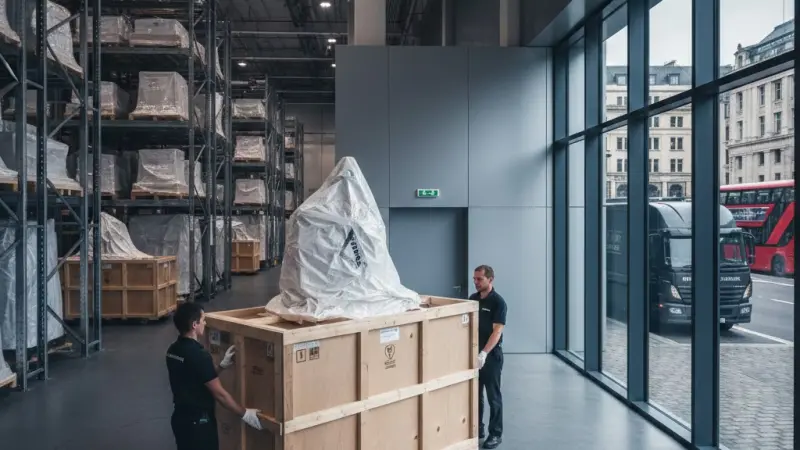
The United Kingdom remains a global powerhouse in the arts and culture sector, contributing billions to the national economy annually. Behind the glitz of high-profile auctions at Christie’s and the hushed corridors of the Tate Modern lies a sophisticated, high-stakes infrastructure: the Arts Transportation & Storage industry. This sector is the invisible glue that holds the global art market together, ensuring that priceless masterpieces, fragile sculptures, and expansive installations move seamlessly from private collections to public exhibitions. For any business operating in this niche, establishing a presence in a business listing uk is the first step toward visibility in a market where precision and trust are the primary currencies.

The economic importance of this sector cannot be overstated. According to recent data, the UK art market accounts for approximately 17% of global sales by value, positioning it as the third-largest market worldwide behind the US and China. This translates to thousands of movements every month, each requiring bespoke crating, climate-controlled environments, and specialized handling. The logistics of art are not merely about moving an item from point A to point B; they are about risk mitigation, heritage preservation, and adhering to international standards that protect the "soul" of the object.
The Landscape of Arts Transportation & Storage in the UK
The UK’s arts logistics landscape has undergone a radical transformation over the last five years. While London remains the undisputed "Golden Triangle" for art activity—centered around the commercial galleries of Mayfair and the auction houses of St. James's—significant growth has been observed in regional hubs like Manchester, Edinburgh, and the South West. These regions are increasingly seeing a demand for local business listings uk as private collectors move out of the capital and regional museums expand their touring programs.
Post-pandemic, the industry has evolved from a "Just-in-Time" model to a more resilient "Just-in-Case" strategy. During the lockdowns, the art market proved remarkably resilient, with a massive surge in online sales—growing by over 25% annually. This shift forced logistics providers to adapt to the "last-mile" delivery needs of private collectors who were purchasing high-value works via digital platforms. Today, the market size for art logistics is estimated at over $6 billion globally, with the UK capturing a significant portion of the European share. The post-Brexit environment has also introduced new complexities, such as the requirement for CITES permits and specialized customs bonding, making the expertise of a professional logistics partner more valuable than ever.
Comprehensive Services Breakdown
The services provided by UK art logistics firms are multi-faceted, catering to museums, galleries, auction houses, and private HNWIs (High-Net-Worth Individuals). Understanding the nuances of these services is essential for any collector or institution looking to find the right uk service providers directory for their needs.
Bespoke Crating and Packing: Every artwork is unique. Standards dictate the use of acid-free materials, Tyvek wrapping, and custom-built plywood crates lined with plastazote foam. For international transit, crates must be ISPM15 heat-treated to comply with global biosecurity regulations.
Climate-Controlled Storage: Many artworks require stable environments—typically 20°C and 50% relative humidity. Specialized warehouses in the UK offer "bond" status, allowing owners to defer VAT and import duties while the work is in storage.
Specialist Installation: This involves the physical mounting of art, often requiring structural engineering for heavy sculptures or intricate lighting setups for multimedia installations.
Customs and Heritage Documentation: Navigating the Electronic Trade Documents Act (ETDA) and ensuring compliance with the Ivory Act 2018 is a specialized service that prevents legal bottlenecks at the border. Many professionals list these specialized consultancy services on a business listing uk to help clients navigate the red tape.
How to Choose the Right Service Provider
Selecting a logistics partner in the arts sector is a decision that involves auditing both technical capability and reputation. For those conducting a uk local business search, the following criteria are non-negotiable:
Accreditations: Look for ARTIM (Art Transporters Network) or ICEFAT (International Convention of Exhibition and Fine Art Transporters) membership.
These indicate a commitment to global gold standards.
Security & Insurance: The provider must offer "Nail-to-Nail" insurance coverage. This ensures the work is covered from the moment it is touched at the origin to the moment it is hung at the destination.
Facility Standards: High-spec storage should be equipped with Grade 4 security systems, 24/7 monitoring, and fire suppression systems that use gas rather than water to avoid damaging the collection.
Digital Visibility and Reviews: A reputable company will often have a strong presence on a local page uk business directory, where clients can verify their history and expertise.
Industry Challenges & Future Outlook
The path ahead for UK arts logistics is defined by three major shifts: technology, sustainability, and regulation.
Technological Shifts: The adoption of IoT (Internet of Things) sensors is now standard for high-value shipments. These "smart crates" provide real-time data on shock, light exposure, temperature, and GPS location. Artificial Intelligence is also being used for route optimization, ensuring that the most fuel-efficient and vibration-free paths are taken. Professionals who leverage these technologies often stand out in the uk online business directory as forward-thinking leaders.
Sustainability: The "Gallery Climate Coalition" (GCC) has put pressure on the industry to reduce its carbon footprint. This has led to the rise of "Sea Freight" as a viable alternative to air freight for non-urgent exhibitions and the recycling of packing materials.
Regulatory Changes: Post-Brexit trade continues to be a challenge. However, the digitization of trade documents is expected to increase efficiency by 20% over the next two years, reducing the "paper trail" that has historically slowed down the movement of art across the English Channel. For any business, staying listed on Local Page ensures they are reachable as these regulations shift and clients seek modern solutions.
Business Tips for Arts Transportation & Storage Professionals
To thrive in the competitive UK landscape, local businesses must master the art of digital visibility. While the arts world is often built on handshakes and referrals, the modern collector begins their journey on a search engine.
Claim Your Niche: Don't just be a "mover." Be a "Fine Art Specialist." Ensure this terminology is reflected in your uk local business search profile.
Local SEO: Focus on the regions you serve. If you have a warehouse in the East
Midlands’ "Golden Triangle," make sure you are prominently listed in those specific geographic categories.
Network Digitally: Use platforms like Localpage to connect with B2B partners, such as interior designers and gallery managers, who require reliable sub-contractors for their own projects.
Showcase Expertise: Use your directory listing to link to case studies of complex installations or international moves. Trust is built through demonstrated success.
Wrapping Up & Local Page Integration
The Arts Transportation & Storage sector is a vital organ of the UK’s cultural economy. As we look toward 2026 and beyond, the demand for high-spec, secure, and sustainable logistics will only grow. Whether you are a gallery manager in London or a private collector in the Cotswolds, finding a verified professional is the most critical step in your journey.
For UK-based businesses, there is no better way to signal your authority and reliability than by joining the uk business directory website. By positioning your services where collectors and curators are actively looking, you ensure that your business remains at the forefront of this prestigious industry.
Boost Your Visibility with Local Page UK
In the world of high-end art, your reputation is your most valuable asset. But a reputation is only useful if people can find you. For professionals in the Arts Transportation & Storage sector, digital visibility is no longer optional—it is the foundation of growth. By claiming your business listing uk on Localpage, you put your brand in front of thousands of potential clients who are searching for verified, high-quality services. Don't leave your growth to chance; join the premier network for UK professionals today.
Frequently Asked Questions
1. What are the standard packing materials for fine art?
Fine art requires pH-neutral and non-abrasive materials. Common standards include Tyvek (a breathable, waterproof synthetic), acid-free tissue paper, and glassine for paintings. For structural support, plastazote foam is used within custom plywood crates to absorb vibrations during transit.
2. How much does art insurance typically cost in the UK?
Insurance costs vary based on the value of the artwork and the transit route. Typically, "Nail-to-Nail" commercial insurance ranges from 0.5% to 2% of the artwork's declared value. Many collectors use the Government Indemnity scheme for public exhibitions to lower costs.
3. What is the "Golden Logistics Triangle" in the UK?
The "Golden Triangle" refers to a region in the East Midlands (encompassing Northamptonshire, Leicestershire, and Milton Keynes) that allows logistics providers to
reach 90% of the UK population within a four-hour drive, making it a prime location for art storage hubs.
4. Do I need a special permit to move antique art containing ivory?
Yes. Under the Ivory Act 2018, which was further extended in 2025, any item containing ivory must either be registered or certified as exempt before it can be sold or moved for commercial purposes. Professional movers found on a uk business directory can often assist with this documentation.
5. What is climate-controlled art storage?
It is a specialized warehouse environment maintained at a constant temperature (usually 18–22°C) and relative humidity (45–55%). This prevents organic materials like wood and canvas from expanding or contracting, which can cause cracking or warping.
6. How has Brexit affected art transportation to Europe?
Brexit introduced customs declarations, potential import VAT (though often deferred via Temporary Admission), and the need for EORI numbers. Moving art now requires significantly more paperwork and lead time than it did pre-2021.
7. What is "Nail-to-Nail" insurance?
This is a comprehensive policy that covers an artwork from the moment it is removed from its original location (the "nail") through transit and storage, until it is successfully installed at its final destination.
8. Can I use a standard removal company for fine art?
It is highly discouraged. Standard movers lack the specialized equipment (air-ride suspension vehicles), packing materials, and training required to handle fragile or high-value cultural heritage items safely.
9. What are ISPM15 crates?
ISPM15 is an international standard for wood packaging. It requires that all solid wood crates used for international shipping be heat-treated or fumigated to prevent the spread of pests and diseases.
10. How do I find a reputable art mover in my local area?
The best approach is to use a uk local business search to find providers with verified reviews and relevant accreditations like ARTIM or ICEFAT.
11. What is "Temporary Admission" (TA) in art logistics?
TA is a customs procedure that allows artworks to be imported into the UK for up to two years for exhibition or sale without paying import VAT or duties, provided the work is eventually re-exported.
12. Are there sustainable options for art shipping?
Yes. Many companies now offer consolidated sea freight options, use bio-degradable packing materials, and operate electric vehicles for local "last-mile" deliveries in cities like London and Manchester.
13. What is a "T-form" in art transit?
A T-form (T1 or T2) is a transit document used to move non-Union goods between two points in the UK or EU customs territory without those goods being subject to import duties during the journey.
14. How should sculptures be transported?
Sculptures often require custom-built internal "bracing" or "contouring" within a crate to ensure that
delicate appendages or heavy bases do not shift and cause structural damage.
15. Why is digital visibility important for art logistics firms?
Since most curators and private collectors now search online for services, appearing in a uk online business directory is essential for building brand trust and capturing "in-market" leads who are ready to book a move.

Disclaimer: The information provided in this article is for general informational and research purposes only. Company details, features, services, and market positions may change over time. Readers are advised to visit official company websites and conduct independent research before making any business decisions or purchasing services.
Most Searchable Keywords

Recent Blogs



Related Listings


Categories
- Accountants (295)
- Advertising Agencies (559)
- Architects (149)
- Automobiles (377)
- Beauty (300)
- Carpenters (146)
- Cleaning Services (386)
- Dentists (189)
- Driving (62)
- Electricians (215)
- Energy (8)
- Event Organiser (685)
- Finance (599)
- Guide (3365)
- Health (2207)
- Information technology (206)
- Legal Services (353)
- Logistics (6)
- Maintenance (65)
- Manufacturing (35)

Sponsored Listings in Locksmith Services


Related Blogs

Gen Z Political Reporters and News Creators i...
Read this insightful article "Gen Z Political Reporters and News Creators in the UK" to expand your knowledge!

Famous Female Social Media Influencers Across...
Read this insightful article "Famous Female Social Media Influencers Across the UK" to expand your knowledge!

Your UK Sponsor Licence 2026 Step by Step Gui...
Read this insightful article "Your UK Sponsor Licence 2026 Step by Step Guide" to expand your knowledge!
Questions & Answers – Find What
You Need, Instantly!
How can I update my business listing?
Is it free to manage my business listing?
How long does it take for my updates to reflect?
Why is it important to keep my listing updated?
