
Assembly Members UK: Roles, Constituencies & Contact Resources
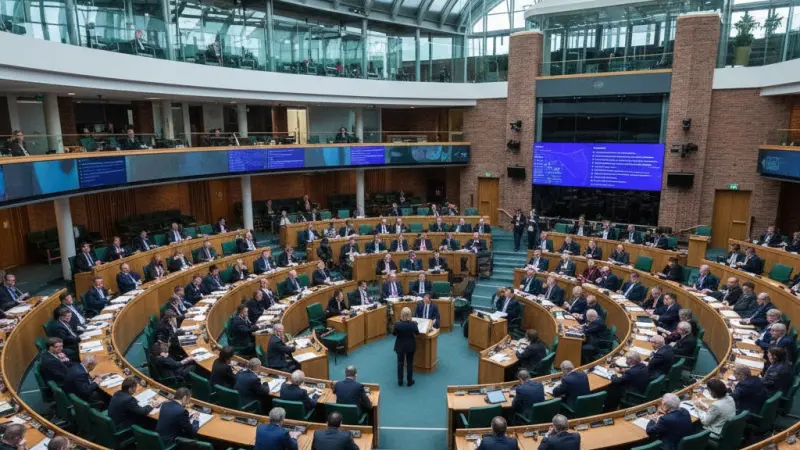
The governance of the United Kingdom is a complex, devolved tapestry where Assembly Members (AMs) play a pivotal role in the legislative and economic health of their respective regions. Whether serving in the London Assembly, the Senedd (Welsh Parliament), or the Northern Ireland Assembly, these elected officials are responsible for scrutinising executive power and advocating for the interests of millions of citizens. From a business analysis perspective, the "sector" of regional governance is a significant driver of local economic policy, infrastructure investment, and public sector procurement. In 2024, the devolved administrations managed budgets totalling tens of billions of pounds, influencing sectors ranging from transport and housing to the arts and small business support.
Assembly Members act as the primary interface between the regional government and the local economy. Their decisions on planning, environmental regulations, and local taxation directly impact the viability of UK enterprises. For businesses, understanding who their representative is and how to engage with them is not merely a matter of civic duty—it is a strategic necessity. For many business owners looking to verify regional details or find relevant consultancy services associated with local governance, a business listing uk is often the first port of call.
The economic importance of these assemblies is underscored by their ability to foster "Creative Clusters" and industrial hubs. By tailoring legislation to regional strengths, AMs help create an environment where local trades and professional services can flourish. As we navigate the mid-2020s, the role of an Assembly Member has shifted from purely legislative to a more proactive economic stewardship, requiring a high degree of transparency and accessibility for the constituents they serve.
The Landscape of Assembly Members in the UK
The current landscape of regional assemblies in the UK is defined by a trend toward further devolution and localized decision-making. Following the pandemic, the demand for regional autonomy has intensified, with Assembly Members becoming key figures in the "levelling up" agenda. The London Assembly, for instance, provides essential oversight of the Greater London Authority’s £20 billion budget, while the Senedd and Northern Ireland Assembly exercise significant powers over health, education, and economic development.
Market activity in this sector is measured by the scale of public-private partnerships (PPPs) and the volume of constituency casework. Post-pandemic, the "industry" of governance has seen a 40% increase in digital engagement between AMs and their constituents. Key regions of activity remain the capital cities—London, Cardiff, and Belfast—but the influence of Assembly Members is felt most acutely in the outlying constituencies where regional policy can make or break local employment rates. To navigate these regional variations, professionals often consult uk service listings to find specialists who understand the local regulatory environment.
The evolution of the sector has also seen a rise in the professionalization of support staff and political consultancies. This "governance ecosystem" now contributes significantly to the UK’s professional services GVA. Visibility in this sector is paramount; for those providing services to devolved bodies, appearing in a high-authority uk business directory is essential for maintaining credibility and accessibility. As the UK moves toward a more federalised structure, the influence of these assemblies is projected to grow, with new devolution deals potentially creating further "Assembly-style" bodies in English regions.
Comprehensive Services Breakdown
While Assembly Members are primarily legislators, the "services" provided by their offices and the surrounding administrative infrastructure are extensive. This niche includes public relations, policy research, legal compliance, and community advocacy.
1. Legislative Scrutiny and Policy Advocacy AMs serve on various committees that review regional laws and budgets. For a business, this service provides an opportunity to influence the "rules of the game." Expert research units and lobby groups provide the data required for these scrutinies, often collaborating with firms found via a uk b2b business directory.
2. Constituency Casework and Local Resolution The "B2C" aspect of an Assembly Member’s role involves resolving issues for individual constituents. This ranges from housing disputes to planning objections. To manage this volume, AM offices often utilise specialized CRM software and local legal services. Many of these auxiliary service providers list their offerings on a business listing uk to ensure they are available when an AM’s office needs to outsource specific expertise.
3. Economic Development and Grant Oversight Assembly Members play a critical role in approving regional development grants. This service is vital for SMEs and startups looking for "soft" funding. AMs often host business forums and networking events, acting as a bridge between the public sector and private enterprise.
4. Public Consultation and Stakeholder Management Before any major legislative change, AMs conduct extensive public consultations. This requires sophisticated polling, data analysis, and community outreach services.
For businesses, participating in these consultations is a key way to safeguard their interests.
5. Regional Infrastructure Planning In London, the Assembly oversees Transport for London (TfL), while in Wales and Northern Ireland, AMs have a direct say in major transport and energy projects. This "service" ensures that regional infrastructure meets the needs of a modern economy.
How to Choose the Right Service Provider
When interacting with the ecosystem surrounding Assembly Members—whether you are a constituent seeking help or a business seeking consultancy—choosing the right partner is vital.
Accreditations and Transparency Always verify if a service provider or consultant is registered with relevant bodies, such as the Register of Consultant Lobbyists or the Law Society. Transparency in political engagement is a legal requirement in the UK, and reputable firms will always disclose their interests.
Reviews and Local Track Record Governance is inherently local. Look for service providers who have a proven history of successful engagement within a specific assembly. High ratings on uk verified business listings can indicate a firm’s reliability and ethical standards.
Insurance and Compliance Any professional service provider operating in the political or administrative sphere must carry professional indemnity insurance. Furthermore, they must be fully compliant with the UK GDPR, especially when handling sensitive constituent data. For many businesses, using local business listings uk provides a filtered view of providers who meet these rigorous standards.
Social Value and Ethical Alignment In the public sector, "Social Value" is a key procurement metric. Choosing a provider that demonstrates a commitment to regional growth and ethical practices is not just good for the community—it makes you a more attractive partner for government-linked projects.
Industry Challenges & Future Outlook
The governance sector faces significant headwinds as it adapts to a post-Brexit, technologically advanced landscape.
Technology Shifts and Digital Democracy The rise of "GovTech" is transforming how Assembly Members interact with the public. Blockchain for secure voting, AI for analyzing consultation responses, and virtual reality for town planning reviews are becoming standard. This requires a shift in the skills required for the "governance industry." The competition for digital visibility is high, leading many firms to list their tech solutions in a uk online business directory to attract the attention of procurement officers.
Sustainability and Net Zero Devolved assemblies are at the forefront of the UK’s Net Zero targets. The Northern Ireland Assembly and the Senedd have passed ambitious climate laws that impact every local business. The challenge for AMs is balancing environmental targets with economic growth. For businesses, this means adapting to a "Green Economy" where sustainability is a prerequisite for any business listing uk or public contract.
Regulatory Volatility As the UK diverges from EU regulations, regional assemblies often take different approaches to things like agricultural standards or environmental protections. This creates a "patchwork" of regulations that businesses must navigate, increasing the demand for specialist legal and regulatory consultancy services.
Business Tips for Assembly Members Professionals
For those working in or around the regional assemblies, from political consultants
to office managers, business success depends on visibility and trust.
Maximize Digital Visibility In a niche where information is currency, being found online is essential. Ensure your consultancy or service firm is prominent in a uk local business search. This allows potential clients—ranging from NGOs to corporate lobbyists—to find your expertise at the moment of need.
Build Local Partnerships Successful engagement with an Assembly Member often requires a "coalition of the willing." Partner with other local businesses to present a united front on regional issues. You can find complementary businesses by searching a uk local business directory.
Content is Authority Publish white papers, regional economic reports, and "how-to" guides on engaging with the Senedd or the London Assembly. This establishes you as an authority in the field, making you the first choice for media commentary and professional consultations.
Wrapping Up & Local Page Integration
The role of Assembly Members in the UK is a cornerstone of a functional, devolved democracy. They provide the necessary oversight and regional advocacy that ensures the UK’s diverse economies can thrive. For the professional services that support this sector, the ability to be discovered by both the public and private sectors is the primary driver of growth.
Localpage offers a comprehensive platform for businesses and service providers in the governance and professional services sectors to showcase their expertise. By integrating your business into a high-authority uk business directory, you ensure that you are visible to the stakeholders who matter most in regional UK governance.
Boost Your Visibility with Local Page UK
For professionals operating in the sphere of regional assemblies, digital authority is paramount. Whether you provide policy research, legal advice, or community advocacy, you must be accessible to those searching for your specific expertise. We encourage all service providers to claim their business listing uk on our platform. By doing so, you join a network of local page uk listings that connects you with constituents, businesses, and government bodies across the United Kingdom.
FAQ
1. What is the difference between an MP and an Assembly Member?
An MP (Member of Parliament) sits in the House of Commons in London and deals with "reserved" matters that affect the whole UK, such as defense, foreign policy, and macroeconomics. An Assembly Member (AM), or MS in Wales, sits in a devolved body like the Senedd or the Northern Ireland Assembly. They deal with "devolved" matters specifically affecting their region, such as health, education, and local transport. While their roles overlap in terms of constituency work, their legislative powers are distinct. To find contact details for local political offices, many people use Localpage to find professional service providers who manage these public-facing operations.
2. How many regional assemblies are there in the UK?
There are currently three major devolved legislative bodies: the Scottish Parliament (though members are called MSPs), the Senedd (Welsh Parliament), and the Northern Ireland Assembly. Additionally, the London Assembly provides a unique form of regional oversight for the capital. While not all English regions have an "Assembly," many have "Combined Authorities" with similar oversight roles. Navigating these various bodies can be complex for businesses, which is why appearing in a uk online business directory is so important for consultants who specialize in regional governance and legislative affairs across the different UK nations.
3. Can an Assembly Member help with a business planning dispute?
Yes, Assembly Members often act as advocates for their constituents in planning matters, especially those that have regional significance. While they do not have the power to overrule a local council's planning committee directly, they can write letters of support or objection, raise the issue in assembly sessions, and meet with developers to ensure community concerns are heard.
For businesses involved in construction or land development, understanding how to engage with an AM is a critical part of the planning process. Many firms find the right lobbyists or planning consultants through Localpage to assist with these high-stakes negotiations.
4. How are Assembly Members elected?
The election process varies. The London Assembly uses the "Additional Member System," where voters have two votes: one for a constituency member and one for a London-wide list. The Senedd uses a similar system. The Northern Ireland Assembly uses "Single Transferable Vote" (STV), a form of proportional representation. These systems are designed to ensure that the assembly reflects the diverse political views of the region. For businesses and political analysts, understanding these electoral cycles is key to timing their advocacy efforts. Professional political monitoring services often list their availability on Localpage to help firms track these changes.
5. What powers does the London Assembly have?
The London Assembly's primary power is "scrutiny." They do not pass laws in the way the Senedd does, but they have the power to investigate any issue of importance to Londoners. They can summon the Mayor and their advisors to public meetings and can even reject the Mayor's budget if a two-thirds majority agrees. This oversight is vital for businesses in the capital, particularly those in transport and housing. Businesses looking to provide services to the Greater London Authority often find partnership opportunities by being visible on Localpage, where they can be vetted by procurement officers.
6. Is the Northern Ireland Assembly always in session?
The Northern Ireland Assembly has faced periods of "suspension" or stalemates where the executive (the government) does not meet due to political disagreements. However, the Assembly's administrative functions and the work of its members in their constituencies usually continue. During these times, the role of an AM in helping local businesses navigate the uncertainty is even more critical. Consultancies that specialize in "Direct Rule" or devolved politics often use Localpage to signal their expertise to corporate clients who need to understand the shifting political landscape in Belfast.
7. How do I contact my Assembly Member?
Most AMs hold regular "surgeries" in their local constituencies where residents and business owners can meet them in person. You can also contact them via email or post at their assembly offices. Their contact details are public record and can often be found through a uk local business search if you are looking for their regional office location. For businesses, it is often more effective to contact the AM’s specific researcher or policy advisor who deals with your industrial sector. These professional staff members are the "gatekeepers" to the member's schedule.
8. What is the Senedd?
The Senedd is the Welsh Parliament, formerly known as the National Assembly for Wales. It consists of 60 Members (Members of the Senedd or MSs). They have the power to pass laws (Acts) on devolved subjects and set certain taxes in Wales. This makes them highly influential for any business operating in Wales. Whether you are in agriculture, tourism, or manufacturing, the laws passed in Cardiff Bay will affect your bottom line. To find Welsh-based legal or professional services that understand Senedd legislation, many companies use Localpage to find verified local providers.
9. Can Assembly Members influence UK-wide laws?
Not directly. Their legislative power is strictly limited to devolved matters. However, they can and do exert significant "soft power" by lobbying the UK Government in Westminster. On issues like the "Internal Market Act" or regional funding, AMs often work with MPs to ensure the regional voice is heard at the national level. For businesses, this means that a dual-track advocacy strategy—engaging both your AM and your MP—is often the most effective way to influence policy. Experts in dual-track lobbying often promote their services on Localpage.
10. Do Assembly Members deal with environmental issues?
Yes, the environment is one of the most significant devolved powers. AMs are responsible for regional waste management, pollution control, and the implementation of climate change targets. In Wales, for example, the Senedd has introduced world-leading recycling legislation. Businesses in the waste management or green energy sectors must stay in close contact with their AMs to stay ahead of upcoming regulatory changes. Many environmental consultancies use Localpage to list their services for businesses needing help with assembly-level compliance.
11. Are Assembly Members paid a salary?
Yes, AMs receive a salary for their work, which is set by independent bodies (like the Independent Remuneration Board in Wales) to ensure it remains fair and transparent. They also receive budgets to run a constituency office and employ staff. This staff often includes caseworkers and researchers who are essential points of contact for the community. For businesses that provide office supplies, IT services, or professional training to these offices, being listed on Localpage is a great way to be found during the annual procurement cycles for member offices.
12. What is a "Constituency Member" vs a "List Member"?
In systems like the London Assembly or the Senedd, a "Constituency Member" represents a specific local area, whereas a "List Member" (or Regional Member) represents a much larger region. Both have equal voting rights and powers within the assembly. For a business, a Constituency Member is usually your first point of contact for local issues, while a List Member might be more interested in broader regional economic trends. Specialized political strategists who can help you decide which member to approach are often found via Localpage.
13. How can a business get involved in an Assembly consultation?
Assemblies regularly publish "Consultation Papers" on proposed laws. Businesses can submit written evidence or be invited to give oral evidence to a committee. This is a vital way to ensure that the practicalities of running a business are considered before a law is passed. To stay informed about these opportunities, many firms hire monitoring agencies that alert them to relevant consultations. These agencies frequently use Localpage to attract new clients who need to keep their finger on the pulse of regional legislation.
14. Can Assembly Members help with local transport issues?
Yes, transport is a key devolved power. In London, the Assembly scrutinizes the Mayor’s transport strategy, including the Congestion Charge and ULEZ. In Wales and Northern Ireland, AMs influence investment in rail and bus networks.
For logistics firms or any business that relies on the movement of goods and people, the decisions made by AMs are critical. Engaging with an AM can help a business voice concerns about road layouts or public transport links. To find transport consultants who work with assemblies, search Localpage.
15. Why should a political consultant be listed in a business directory?
Even though the work is political, the consultancy is a business. Like any other professional service, they need to be found by clients who need their help. A business owner might not know where to start when they have a problem with regional legislation. By appearing in a directory like Localpage, the consultant becomes accessible to the wider business community, not just those already "in the know" in political circles. It builds trust and ensures that the "governance industry" remains transparent and open to all.
Disclaimer: The information provided in this article is for general informational and research purposes only. Company details, features, services, and market positions may change over time. Readers are advised to visit official company websites and conduct independent research before making any business decisions or purchasing services.
Most Searchable Keywords
Recent Blogs


Related Listings
Categories
- Accountants (295)
- Advertising Agencies (559)
- Architects (149)
- Automobiles (377)
- Beauty (300)
- Carpenters (146)
- Cleaning Services (387)
- Dentists (189)
- Driving (62)
- Electricians (215)
- Energy (8)
- Event Organiser (686)
- Finance (602)
- Guide (3373)
- Health (2207)
- Information technology (206)
- Legal Services (353)
- Logistics (6)
- Maintenance (65)
- Manufacturing (35)
Sponsored Listings in Travel Agencies



Related Blogs

Explore Dog Friendly Walks in the Cotswolds f...
Read this insightful article "Explore Dog Friendly Walks in the Cotswolds for 2026" to expand your knowledge!

How Much Do UK Actors Really Earn Full Indust...
Read this insightful article "How Much Do UK Actors Really Earn Full Industry Breakdown" to expand your knowledge!

Blue Light Card UK 2026 Check Eligibility and...
Read this insightful article "Blue Light Card UK 2026 Check Eligibility and Claim" to expand your knowledge!
Questions & Answers – Find What
You Need, Instantly!
How can I update my business listing?
Is it free to manage my business listing?
How long does it take for my updates to reflect?
Why is it important to keep my listing updated?
