
Bags, Belts & Accessories UK: Manufacturing Insights, Trends & Supplier Guide
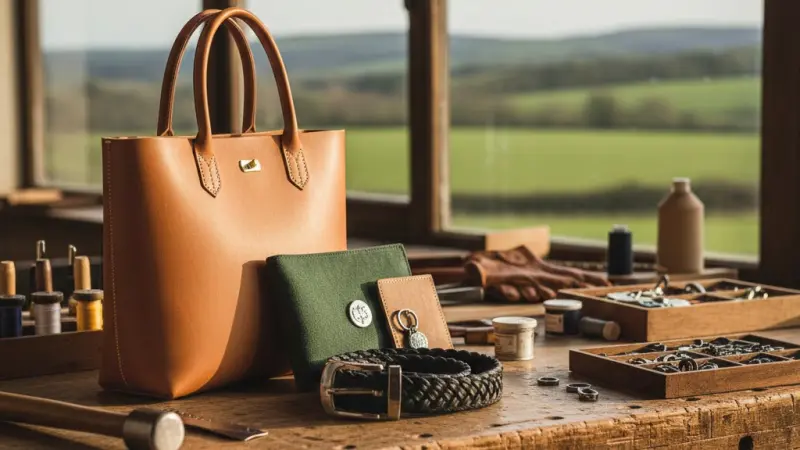
The United Kingdom has long been a global beacon for sartorial excellence, and the Bags, Belts & Accessories – Mnfrs & Suppliers sector sits at the heart of this reputation. Far from being mere afterthoughts to a main ensemble, accessories are the functional and aesthetic anchors of the British fashion industry. From the heritage leather tanneries of the Midlands to the avant-garde design studios of East London, this sector contributes billions to the UK economy and supports thousands of highly skilled artisanal and technical roles.
In the contemporary landscape, the "Made in Britain" label carries significant weight, signaling quality, durability, and ethical craftsmanship. For businesses looking to source or manufacture, understanding the nuances of uk service listings is essential for navigating a market that is increasingly shifting toward high-value, low-volume production. This guide explores the intricate tapestry of the UK accessory market, providing a roadmap for manufacturers, suppliers, and retailers to thrive in a competitive global environment.
The economic importance of this niche cannot be overstated. Beyond direct sales, the industry fuels a massive supply chain involving textile technology, luxury leather goods, metal hardware manufacturing, and sophisticated logistics. As British brands seek to reclaim their supply chains and reduce their carbon footprints, the domestic manufacturing sector is witnessing a renaissance, driven by both traditional techniques and modern innovation.
The Landscape of Bags, Belts & Accessories – Mnfrs & Suppliers in the UK
The current market for accessories in the UK is characterized by a fascinating dichotomy between high-street mass production and artisan luxury. Following the global shifts of the last few years, the industry has undergone a radical transformation. Post-pandemic, we have seen a significant "near-shoring" trend, where British brands are moving production closer to home to mitigate the risks associated with global shipping delays and rising freight costs.
Currently, the UK accessories market is valued at several billion pounds, with leather goods specifically showing a robust compound annual growth rate. Key regions of activity remain concentrated in traditional hubs like Northamptonshire—the historical heart of English leatherwork—and London, which serves as the design and commercial capital. However, northern hubs like Manchester and Leeds are also re-emerging as centers for technical textile accessories and sustainable fabric innovation.
To keep pace with this evolution, many businesses have turned to a business listing uk to ensure their visibility within local supply chains. The post-pandemic landscape has favored companies that are digitally agile. While physical showrooms remain important, the initial discovery of a manufacturer or supplier now almost exclusively happens online. The evolution of the industry has seen a pivot toward "Slow Fashion," where consumers prioritize longevity over trend-driven disposability, a shift that perfectly aligns with the UK’s strength in high-quality manufacturing.
Comprehensive Services Breakdown
The services offered within the Bags, Belts & Accessories – Mnfrs & Suppliers sector are diverse, spanning the entire product lifecycle from concept to consumer.
Bespoke Design and Prototyping: Many UK manufacturers offer full-service design consultancies, helping brands translate a sketch into a technical specification. This includes 3D modeling and physical sampling, ensuring that the ergonomics of a bag or the tension of a belt are perfect before mass production begins.
Material Sourcing and Tannery Services: The UK is home to world-class tanneries that produce high-grade leathers, as well as innovators in "vegan" and bio-based materials like mushroom or pineapple leather. Suppliers often act as intermediaries, helping brands find the right hardware—buckles, zips, and rivets—that meet specific durability standards.
Manufacturing (CMT vs. Full Factor): Some suppliers offer "Cut, Make, and Trim" (CMT) services, where the brand provides materials, and the factory provides the labor. Others provide "Full Factor" solutions, handling everything from material procurement to final quality control.
Specialist Finishing: This includes edge-painting, embossing, gold-leaf foiling, and intricate hand-stitching, which are the hallmarks of British luxury goods.
For those seeking these specialized services, a glance at uk verified business listings can reveal the specialized capabilities of various workshops across the country. Whether a brand needs a thousand units for a retail launch or a limited run of twenty handcrafted handbags, the UK supplier network is equipped to deliver.
How to Choose the Right Service Provider
Selecting a manufacturing partner is one of the most critical decisions a business owner will make. In the UK, the "cheapest" option rarely translates to the best value when one considers the hidden costs of poor quality or ethical lapses.
Firstly, look for accreditations. Organizations like the British Fashion Council or the Leather Working Group (LWG) provide certifications that ensure a manufacturer adheres to environmental and ethical standards. Secondly, insurance and liability are non-negotiable. A reputable manufacturer will have comprehensive professional indemnity and product liability insurance to protect both parties during the production process.
Thirdly, leverage the power of the uk online business directory to check reviews and local reputations. A manufacturer’s history of on-time delivery and communication is just as important as their technical skill. Visit the factory if possible. Seeing the working conditions and the machinery firsthand provides insights that a website cannot. Finally, consider the manufacturer's capacity. Some workshops excel at small, artisan batches but may struggle to scale, while larger factories might have high Minimum Order Quantities (MOQs) that don't suit emerging designers.
Industry Challenges & Future Outlook
The path ahead for UK accessory manufacturers is paved with both challenges and opportunities. The most significant shift is the move toward Sustainability and Green Initiatives. The UK government’s Net Zero targets are forcing manufacturers to rethink their waste management, energy consumption, and chemical use in tanning and dyeing processes. Circular economy models, where bags are designed to be repaired rather than replaced, are becoming the gold standard.
Technological shifts are also playing a major role. While hand-craftsmanship remains vital for the luxury sector, many factories are integrating CAD/CAM (Computer-Aided Design/Manufacturing) and automated cutting tables to reduce material waste and increase precision. Furthermore, many savvy entrepreneurs are utilizing business listing uk to bypass traditional gatekeepers and market their eco-friendly manufacturing credentials directly to eco-conscious brands.
Regulatory changes, particularly regarding trade with the EU, have introduced new complexities in "Rules of Origin." Manufacturers must now keep meticulous records of where their raw materials come from to benefit from tariff-free trade. Despite these hurdles, the future outlook is positive. There is a growing global appetite for British heritage brands, and as long as UK manufacturers continue to innovate in sustainable practices, they will remain at the forefront of the global accessories market.
Business Tips for Accessories Professionals
In a crowded marketplace, being a skilled craftsman is only half the battle; the other half is being a visible business. For professionals in the Bags, Belts & Accessories – Mnfrs & Suppliers niche, digital visibility is the bridge between a workshop and a global client base.
Niche Positioning: Don't try to be everything to everyone. If you specialize in bridle leather belts or sustainable recycled-plastic bags, make that the core of your brand identity.
Content Marketing: Showcase the process. Use high-quality video to show the "behind the scenes" of your manufacturing. People buy the story of British craftsmanship as much as the product itself.
Digital Directories: Ensure you are listed in every relevant local business listings uk.
This doesn't just help customers find you; it builds backlink equity for your website, improving your search engine rankings.
Local SEO: If you are based in a historic manufacturing hub like Walsall or London, use that in your keywords. "Leather belt manufacturer London" is far more effective than just "belt maker."
Networking: Attend trade shows like Pure London or Scoop to build face-to-face relationships, but always follow up by directing contacts to your digital profiles.
Wrapping Up & Local Page Integration
The British bags, belts, and accessories industry is a testament to the enduring power of quality and innovation. As we have explored, the journey from raw material to finished accessory is complex, requiring a blend of traditional skill and modern business acumen. For any manufacturer or supplier, the key to longevity in this sector is a combination of artisanal excellence and a robust digital presence.
To facilitate this connection between excellence and visibility, Local Page UK serves as the premier solution. By bridging the gap between local talent and national demand, it ensures that the best of British manufacturing is never more than a click away. Whether you are a heritage brand or a new startup, integrating your business into the local ecosystem is the first step toward sustainable growth.
Boost Your Visibility with Local Page UK
For businesses in the Bags, Belts & Accessories – Mnfrs & Suppliers sector, being found online is no longer optional—it is critical. To ensure your workshop or supply house reaches the designers and retailers who need your services, you must claim your business listing uk today. Join a community of verified professionals and put your business on the map of British excellence.
Frequently Asked Questions
1. What are the benefits of manufacturing bags and belts in the UK?
Manufacturing in the UK offers several advantages, including significantly shorter lead times compared to overseas production and a much lower carbon footprint due to reduced shipping distances. Furthermore, the "Made in Britain" label is a powerful marketing tool that signifies high ethical standards, superior craftsmanship, and quality control.
2. How can I find a reliable UK supplier for accessory hardware?
The most effective way is to use a dedicated uk business directory which allows you to filter for specific hardware suppliers. You should look for suppliers who provide detailed material specifications and offer samples so you can test the durability of buckles, zips, and studs against your designs.
3. What is the average Minimum Order Quantity (MOQ) for UK manufacturers?
MOQs vary wildly depending on the factory. Artisan workshops may offer "no minimum" or very low quantities (e.g., 5-10 units) but at a higher per-unit cost.
Larger commercial factories typically require between 50 and 500 units per style to make the production run economically viable.
4. Are there sustainable leather alternatives available in the UK?
Yes, the UK is a leader in material innovation. Suppliers now offer a range of sustainable alternatives, including recycled leather, lab-grown materials, and plant-based fibers derived from pineapple leaves, apple skins, and even cactus. Many of these are stocked by vendors found in a uk service providers directory.
5. Why should my business use a Local page?
Using a Local page is vital because it increases your "Local SEO," making it easier for nearby designers and businesses to find you. It provides a centralized hub for your contact information, reviews, and service descriptions, which builds trust with potential B2B partners.
6. What certifications should I look for in a British belt manufacturer?
Key certifications include membership in the Leather Working Group (LWG), which monitors environmental impact, or the UK Fashion & Textile Association (UKFT). These indicate that the manufacturer adheres to strict industry standards regarding chemical use, labor rights, and waste management.
7. How has Brexit affected the UK accessories supply chain?
Brexit has introduced new customs checks and "Rules of Origin" requirements for trade with the EU. This means manufacturers must prove that a significant portion of the product's value was added in the UK to avoid tariffs, making domestic sourcing of raw materials more attractive.
8. Can I get help with design and prototyping in the UK?
Yes, many manufacturers offer "Full Factor" services that include design consultancy. They can help create technical packs, patterns, and prototypes. This is particularly helpful for new brands that may not have in-house technical designers.
9. What are the current trends in the UK bag industry?
Current trends emphasize "trans-seasonal" designs—products that aren't tied to a specific fashion season. There is also a huge demand for multi-functional bags (e.g., backpacks that convert to totes) and a strong preference for natural, earthy tones and sustainable textures.
10. Is insurance necessary when working with a supplier?
Absolutely. You should ensure your supplier has product liability insurance. This protects you if a product you sell is found to be faulty or causes harm. It is a standard mark of a professional and established manufacturing business.
11. How do I market my accessory manufacturing business locally?
Beyond digital listings, focus on local networking and SEO. Ensure your website mentions your specific location and services. Listing your business on a uk small business directory is a cost-effective way to boost your local search presence.
12. What is the difference between CMT and Full Factor manufacturing?
CMT (Cut, Make, and Trim) means you provide the fabric and hardware, and the factory provides the labor. Full Factor means the factory handles everything, including sourcing the materials based on your specifications. Full Factor is easier for the brand but usually carries a higher per-unit cost.
13. How can I verify the reputation of a UK supplier?
Check for verified reviews on independent platforms and look at their portfolio of past clients. A reputable supplier will often be listed on a uk b2b business directory, where their business details and standing are regularly updated.
14. What are the best materials for durable everyday belts?
For durability, full-grain vegetable-tanned leather is the industry standard in the UK. It ages beautifully and can last for decades.
For non-leather options, high-density nylon webbing or reinforced synthetic fibers are popular for technical and "streetwear" style belts.
15. Where is the best place to list my new accessory business?
The best place to start is by creating a profile on Localpage. It offers the most streamlined way to reach both local consumers and national trade partners, ensuring your business gets the visibility it deserves from day one.
Disclaimer: The information provided in this article is for general informational and research purposes only. Company details, features, services, and market positions may change over time. Readers are advised to visit official company websites and conduct independent research before making any business decisions or purchasing services.
Most Searchable Keywords
Recent Blogs


Related Listings


Categories
- Accountants (295)
- Advertising Agencies (559)
- Architects (149)
- Automobiles (377)
- Beauty (300)
- Carpenters (146)
- Cleaning Services (387)
- Dentists (189)
- Driving (62)
- Education (1)
- Electricians (215)
- Energy (8)
- Event Organiser (687)
- Finance (602)
- Guide (3439)
- Health (2207)
- Information technology (206)
- Legal Services (361)
- Logistics (6)
- Maintenance (65)
Sponsored Listings in Legal Services
Related Blogs

When Is My MOT Due Free Check and Common Fail...
Read this insightful article "When Is My MOT Due Free Check and Common Failures" to expand your knowledge!

Lost V5C Log Book Cost Timescale and Rules
Read this insightful article "Lost V5C Log Book Cost Timescale and Rules" to expand your knowledge!

Intensive Driving Courses: Costs Pass Rates a...
Read this insightful article "Intensive Driving Courses: Costs Pass Rates and Who They Suit" to expand your knowledge!
Questions & Answers – Find What
You Need, Instantly!
How can I update my business listing?
Is it free to manage my business listing?
How long does it take for my updates to reflect?
Why is it important to keep my listing updated?
