
Bakery Equipment UK: Mnfr Specs, Maintenance & Upgrade Recommendations
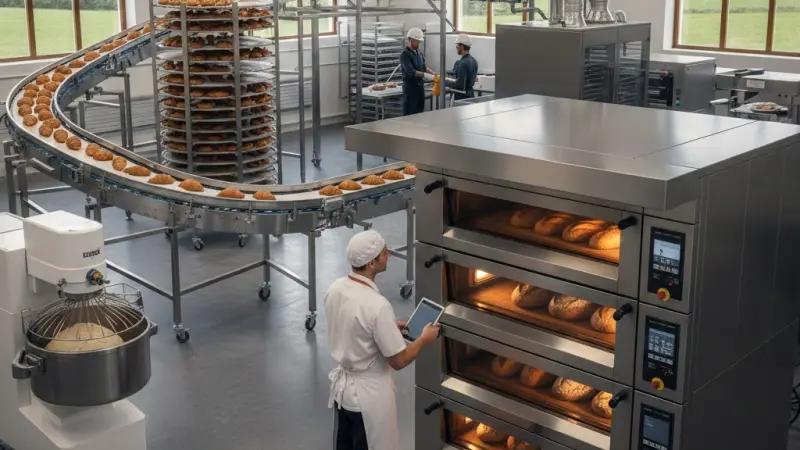
The United Kingdom’s bakery sector is a cornerstone of the national economy, contributing billions of pounds in GVA (Gross Value Added) and supporting hundreds of thousands of jobs. At the heart of this vibrant industry lies the Bakery Equipment Mnfrs & Suppliers sector, a specialised engineering and distribution niche that provides the essential hardware for everything from artisanal sourdough micro-bakery setups to massive industrial plant bakeries producing millions of loaves weekly.

The economic importance of this sector cannot be overstated. As British consumers increasingly shift toward premium, "clean label" products and artisanal varieties, the demand for sophisticated, high-precision equipment has surged. Manufacturers in the UK are no longer just selling ovens and mixers; they are providing integrated technological solutions that manage humidity, temperature, and timing with millisecond accuracy. This evolution has made it vital for businesses to find the right partners through uk professional services listings to ensure they are investing in machinery that meets stringent UK safety and efficiency standards.
The UK market is unique due to its blend of heritage baking traditions and a highly competitive retail environment. Supermarket "In-Store Bakeries" (ISBs) require high-volume, reliable machinery, while the booming "craft" sector demands versatility and aesthetic design. Consequently, the manufacturers and suppliers serving this industry have had to become incredibly agile, offering bespoke engineering services alongside standard product lines. This guide aims to explore the intricacies of this sector, providing a roadmap for procurement, maintenance, and long-term asset management in the British baking landscape.
The Landscape of Bakery Equipment Mnfrs & Suppliers in the UK
The current landscape of the bakery equipment industry in the UK is one of resilience and rapid technological integration. Post-pandemic, the industry has shifted from a "just-in-time" supply chain model to one focused on "just-in-case" resilience. Market analysts estimate the UK food processing machinery sector to be worth over £1 billion, with bakery equipment accounting for a significant portion of that valuation.
Key regions of activity remain concentrated in traditional industrial heartlands. The Midlands, particularly around Birmingham and Leicestershire, serves as a hub for heavy engineering and oven manufacturing. Meanwhile, Northern England and parts of Scotland have seen a rise in specialised suppliers focusing on automation and robotics. Since the pandemic, there has been a notable "localisation" of the supply chain. Businesses that previously relied on cheaper overseas imports found themselves stranded by global shipping delays, leading to a renewed appreciation for a business listing uk where local engineering firms can be identified and contacted quickly.
Evolution in the sector is also driven by the labour shortage currently affecting the UK hospitality and manufacturing industries. This has forced an evolution toward "plug-and-play" machinery that requires less manual intervention. Modern suppliers are now focusing on the "Internet of Things" (IoT), where ovens and mixers are connected to the cloud, allowing for remote diagnostics and predictive maintenance. This shift ensures that a bakery in Cornwall can have its equipment monitored by an engineer in Manchester, reducing downtime and improving the overall lifespan of the assets.
Comprehensive Services Breakdown
The services and products offered by UK bakery equipment specialists go far beyond the simple sale of a machine. A modern "total solution" provider typically offers a three-tiered service model: Consultation and Design, Installation and Integration, and Life-Cycle Maintenance.
1. Primary Equipment Manufacturing
This includes the core "heavy hitters" of the bakery floor:
Modular Deck Ovens: Essential for artisanal bread, allowing for stone-sole baking and independent temperature control for each deck.
Spiral and Planetary Mixers: Engineered for heavy dough loads, focusing on oxygenation and gluten development without overheating the product.
Provers and Retarder-Provers: Sophisticated climate-controlled environments that manage the fermentation process, often featuring touch-screen interfaces for complex proofing schedules.
2. Specialized Processing Machinery
For large-scale operations, suppliers provide:
Automatic Dividers and Rounders: Ensuring weight accuracy and consistent shaping.
Laminating Lines: Crucial for the UK’s puff pastry and croissant market, providing consistent fat-to-dough ratios.
Cooling and Handling Systems: Spiral coolers and automated conveyor belts that move products from oven to packaging without human contact.
3. After-Sales and Bespoke Engineering
Maintenance is the lifeblood of the industry. Many providers listed in the uk local business search now offer "Service Level Agreements" (SLAs) that guarantee 24/7 emergency repair. This is critical because a failed oven in a commercial bakery can lead to thousands of pounds in lost revenue in a single morning. Furthermore, bespoke engineering allows bakeries to retrofit old machinery with modern, energy-efficient components, extending the life of the asset while reducing carbon footprints.
How to Choose the Right Service Provider
Selecting a bakery equipment manufacturer or supplier is a long-term commitment. Given the high capital expenditure involved, due diligence is mandatory. The first step is to verify the provider’s standing in a reputable uk local business directory to ensure they have a physical presence and a history of operation within the UK market.
Key Selection Criteria:
Accreditations: Look for ISO 9001 (Quality Management) and CE/UKCA marking on all machinery. For service providers, Gas Safe registration is essential if they are handling gas-fired ovens.
Spare Parts Availability: Ask the supplier where their parts warehouse is located. If the parts have to come from mainland Europe or Asia, your downtime could be weeks instead of hours.
Insurance and Liability: Ensure the provider has comprehensive public and product liability insurance, particularly for on-site installations.
Reviews and Case Studies: Don’t just take the salesperson’s word for it. Visit a working bakery that uses their equipment. A reputable supplier should be happy to provide references.
Local reputation often outweighs national marketing. A supplier that is "just down the road" can provide a level of emergency support that a national giant simply cannot match. By using a local search tool, you can find regional specialists who understand the specific water hardness levels or power grid nuances of your area, which can surprisingly affect the performance of high-end bakery machinery.
Industry Challenges & Future Outlook
The UK bakery equipment sector faces several headwinds, primarily driven by energy costs and the push for "Net Zero." High-intensity ovens are energy-hungry, leading to a massive push for electric-fired systems and heat-recovery technology. Manufacturers are now designing ovens that capture the heat usually lost through the flue and repurpose it to heat the bakery’s water supply or prover.
Sustainability is no longer a "nice to have"; it is a regulatory requirement. The UK government’s commitment to reducing carbon emissions means that older, inefficient gas ovens may eventually face "green taxes" or phase-outs.
Consequently, the future outlook is dominated by "Green Baking" initiatives. This includes the development of hydrogen-ready burners and more efficient insulation materials like high-density mineral wool.
Digitalization also poses a challenge. As equipment becomes more complex, the "right to repair" becomes a hot topic. Bakeries want to ensure they aren't locked into proprietary software that prevents local engineers from performing basic fixes. To stay ahead, manufacturers are increasingly listing their services on a business listing uk to reach a wider audience of tech-savvy bakery owners who are looking for the latest in automated, sustainable baking technology.
Business Tips for Bakery Equipment Professionals
For those operating on the supply side of the industry, marketing a local business requires a blend of traditional "handshake" networking and modern digital visibility. In a niche b2b sector, your potential clients are looking for expertise, reliability, and speed.
1. Prioritize Digital Visibility
Most bakery owners start their search for new equipment online. If your business isn't visible on the first page of a uk top rated local businesses list, you are missing out on the majority of the market. Ensure your website is mobile-responsive, as many bakers browse for solutions on their phones while on the bakery floor.
2. Content Marketing
Position yourself as an authority. Write whitepapers on "Reducing Energy Consumption in Commercial Ovens" or "The Benefits of Vacuum Cooling." This builds trust before a sales call even takes place.
3. Local Networking
Attend trade shows like the "Farm Shop & Deli Show" or the "National Association of Master Bakers" meetings. However, supplement this with a strong presence in a uk service providers directory to ensure that when a baker has an emergency at 3:00 AM, your company is the first one they find.
Wrapping Up & Local Page Integration
The bakery equipment industry in the UK is a sophisticated, high-stakes sector that requires a deep understanding of both engineering and the culinary arts. As the industry moves toward a more automated and sustainable future, the relationship between the baker and the equipment supplier will only become more critical. For UK businesses, navigating this complex market requires access to verified, high-quality data.
Whether you are a manufacturer looking to showcase your latest convection oven or a bakery owner in desperate need of a repair specialist, Local Page UK serves as the premier solution. By bridging the gap between local expertise and those who need it most, it ensures that the British baking industry remains competitive, efficient, and innovative.
Boost Your Visibility with Local Page UK
For businesses in the Bakery Equipment Mnfrs & Suppliers sector, being found online is critical. In an era where digital presence dictates market share, simply having a great product is not enough. You need to be where your customers are looking. We encourage all UK-based equipment manufacturers, suppliers, and service engineers to claim their business listing uk to reach more customers and solidify their place in the local economy.
FAQs
1. What are the essential safety certifications for bakery equipment in the UK?
In the UK, all bakery equipment must carry the UKCA mark (or the CE mark for older equipment), which indicates compliance with safety, health, and environmental protection standards. Furthermore, if the equipment is gas-powered, the installation and servicing must be performed by a Gas Safe registered engineer with specific catering qualifications.
Electrical components should meet BS 7671 standards. Regular PAT testing is also a requirement for any portable electrical appliances within a commercial kitchen or bakery environment.
2. How often should commercial ovens undergo professional maintenance?
Commercial ovens should ideally be serviced every six months. High-volume bakeries may require quarterly inspections. Maintenance focuses on calibrating temperature sensors, checking door seals for heat loss, inspecting heating elements or burners, and ensuring that the steam injection system is free of limescale. Preventative maintenance not only prevents costly downtime but also ensures energy efficiency, as a poorly maintained oven can consume up to 20% more energy.
3. Can I retrofit my old bakery equipment with modern energy-saving technology?
Yes, many UK manufacturers offer retrofitting services. This can include installing variable speed drives (VSDs) on mixers to reduce electricity consumption, adding better insulation to oven chambers, or upgrading to digital control panels that allow for more precise energy management. Retrofitting is often a cost-effective alternative to purchasing new equipment and can significantly extend the operational life of your assets while helping your business meet sustainability goals.
4. What is the difference between a spiral mixer and a planetary mixer?
A spiral mixer is designed specifically for bread dough. The bowl rotates while the spiral hook remains in a fixed position, which allows for efficient mixing without overworking the dough or increasing its temperature. A planetary mixer is more versatile; the attachment moves around the bowl like a planet around a sun. It is ideal for cake batters, creams, and lighter doughs but can struggle with large quantities of heavy bread dough compared to a dedicated spiral mixer.
5. How can I find a reliable local repair engineer for my bakery?
Finding a reliable engineer requires searching through a verified Local page to ensure the provider has a legitimate business presence. You should look for engineers who specialize specifically in bakery equipment rather than general catering equipment, as ovens and provers have unique calibration requirements. Always check for insurance, industry-specific certifications, and local customer reviews before booking a service call to ensure high-quality workmanship.
6. Why is limescale a major problem for bakery equipment in certain UK regions?
Many parts of the UK, particularly the South and East of England, have "hard" water containing high levels of calcium and magnesium. When this water is turned into steam in ovens or provers, it leaves behind limescale deposits. Over time, these deposits can clog steam nozzles, damage heating elements, and cause sensors to fail. Installing a high-quality water filtration or softening system is essential for any equipment that uses a water connection in hard-water areas.
7. What are the benefits of using a retarder-prover?
A retarder-prover allows a baker to control the fermentation process by chilling the dough to "retard" or slow down the yeast activity, and then automatically warming it up to "prove" the dough at a set time. This allows for overnight fermentation, which improves the flavour and texture of the bread and ensures that fresh loaves are ready for baking first thing in the morning without the baker needing to be present during the night.
8. Is it better to buy or lease bakery equipment in the UK?
Buying equipment upfront is a larger capital expenditure but results in long-term asset ownership. Leasing can be more tax-efficient and preserves cash flow, allowing you to upgrade to the latest technology every few years. Many UK suppliers offer "lease-to-buy" schemes. The choice depends on your business's financial health, tax strategy, and how quickly you expect your production needs to grow or change.
9. What should I look for in a modular deck oven?
When choosing a modular deck oven, look for independent temperature controls for the top and bottom of each deck, high-quality stone soles for heat retention, and a robust steam generator. Modular designs are beneficial because they allow you to add more decks as your business grows without needing to replace the entire oven. Energy efficiency ratings and the quality of the door seals are also critical factors for long-term operational costs.
10. How does vacuum cooling work in a commercial bakery?
Vacuum cooling involves placing hot products from the oven into a vacuum chamber. As the pressure is lowered, the boiling point of water decreases, causing moisture inside the bread to evaporate rapidly. This cools the product from the inside out in minutes rather than hours. The benefits include a crisper crust, improved shelf life, and the ability to slice or package products almost immediately after baking.
11. What are the current trends in "Green Baking" equipment?
The main trends include the shift toward electric-only bakeries to utilize renewable energy, the implementation of heat recovery systems, and the use of AI to optimize baking cycles for minimal energy waste. Manufacturers are also experimenting with hydrogen-powered burners. Additionally, there is a focus on "closed-loop" systems where water used in the baking process is filtered and reused for cleaning or steam generation.
12. How do I ensure my bakery layout is efficient?
An efficient layout follows the "linear flow" principle: ingredients move from storage to mixing, then to proving, baking, cooling, and finally packaging without crossing paths or creating bottlenecks. Consulting with an equipment supplier during the design phase is crucial, as they can provide CAD drawings that account for the required clearance spaces for oven doors and the ergonomic movement of staff.
13. What is the "Internet of Things" (IoT) in bakery equipment?
IoT refers to machinery that is connected to the internet to share data. For bakeries, this means ovens that can send alerts to a manager's phone if a temperature drop is detected, or mixers that track their own usage to alert an engineer when a service is due. This "smart" technology reduces human error and allows for predictive maintenance, catching small issues before they become catastrophic failures.
14. Are there grants available for upgrading to energy-efficient bakery equipment?
Yes, various UK government initiatives and local council schemes offer "Green Grants" or "Capital Allowance" tax breaks for businesses that invest in energy-saving technology. The "Industrial Energy Transformation Fund" (IETF) is one example that larger bakeries may access.
It is advisable to check with your local Chamber of Commerce or a specialist business advisor to see what funding is currently available in your specific region.
15. How do I list my bakery equipment business on a professional directory?
To list your business and increase your digital reach, you should visit a reputable platform like Localpage and follow their submission process. You will typically need to provide your business name, contact details, a description of your services, and your geographic coverage. A well-optimized listing helps local bakers find your services quickly, especially when they are searching for urgent repairs or looking to upgrade their machinery with a trusted local partner.

Disclaimer: The information provided in this article is for general informational and research purposes only. Company details, features, services, and market positions may change over time. Readers are advised to visit official company websites and conduct independent research before making any business decisions or purchasing services.
Most Searchable Keywords

Recent Blogs



Related Listings


Categories
- Accountants (295)
- Advertising Agencies (559)
- Architects (149)
- Automobiles (377)
- Beauty (300)
- Carpenters (146)
- Cleaning Services (386)
- Dentists (189)
- Driving (62)
- Electricians (215)
- Energy (8)
- Event Organiser (685)
- Finance (599)
- Guide (3365)
- Health (2207)
- Information technology (206)
- Legal Services (353)
- Logistics (6)
- Maintenance (65)
- Manufacturing (35)

Sponsored Listings in Locksmith Services


Related Blogs

Gen Z Political Reporters and News Creators i...
Read this insightful article "Gen Z Political Reporters and News Creators in the UK" to expand your knowledge!

Famous Female Social Media Influencers Across...
Read this insightful article "Famous Female Social Media Influencers Across the UK" to expand your knowledge!

Your UK Sponsor Licence 2026 Step by Step Gui...
Read this insightful article "Your UK Sponsor Licence 2026 Step by Step Guide" to expand your knowledge!
Questions & Answers – Find What
You Need, Instantly!
How can I update my business listing?
Is it free to manage my business listing?
How long does it take for my updates to reflect?
Why is it important to keep my listing updated?
