
Basics of Water Pest Management for Land Developers
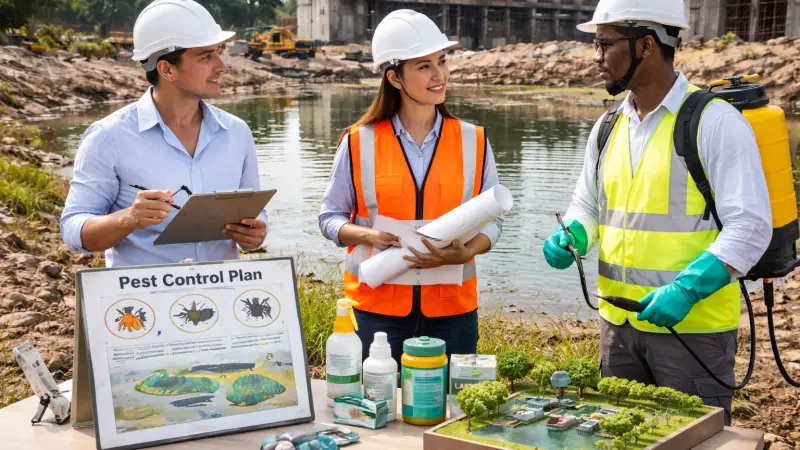
Land development is an intricate process of transforming raw terrain into functional residential or commercial hubs. However, the early stages of clearing, grading, and infrastructure installation often create unintended environmental consequences—most notably, the creation of aquatic pest habitats. When soil is compacted or excavated, natural drainage patterns are disrupted, leading to the accumulation of stagnant water. Without a mechanical necessity for proper water management, these sites can quickly become epicenters for mosquitoes, midges, and other waterborne pests.

For the modern land developer, managing these risks is not just an environmental obligation; it is a critical component of project viability and public health. A site overrun by pests can lead to worker dissatisfaction, neighborhood complaints, and even legal hurdles. By integrating water pest management into the initial phases of site planning, developers can ensure a smoother construction process and deliver a final product that is both safe and desirable. This article explores the fundamental strategies for detecting, preventing, and managing water-based pests throughout the development lifecycle.
Overview: The Intersection of Construction and Aquatic Biology
To manage pests effectively, developers must recognize how construction activities inadvertently facilitate insect breeding.
Habitat Creation During Grading
During the grading phase, heavy machinery creates depressions and tire ruts that can hold rainwater for weeks. Because the soil is often compacted, the water cannot permeate the ground, leading to long-term stagnation. These small, shallow "puddles" are often more productive breeding grounds for mosquitoes than large, deep lakes because they lack natural predators like fish or dragonfly nymphs.
Infrastructure and Stormwater Management
Temporary drainage solutions, silt fences, and unfinished culverts are essential for erosion control, but they are also primary sites for water pest activity. If a stormwater retention pond is designed without proper aeration or steep enough banks, it may become a permanent liability rather than a functional asset. Understanding the biology of these pests allows developers to design infrastructure that naturally discourages infestation.
The Benefits of Proactive Water Pest Management
Investing in early-stage pest management offers several strategic advantages that protect the project's bottom line.
1. Enhanced Workforce Safety and Morale
Construction crews working in high-pest environments are at risk of distraction and disease. By keeping the site clear of biting insects, developers maintain a higher standard of occupational health, which translates to better focus, fewer mistakes, and a more efficient build timeline.
2. Regulatory Compliance and Risk Mitigation
Many local authorities have strict mandates regarding standing water and vector control on development sites. A proactive management plan ensures that the project remains in compliance with health department regulations, preventing stop-work orders or significant fines that can arise from neglected site hygiene.
3. Long-Term Property Reputation
For residential developments, the perception of the site during the "show home" phase is vital. A neighborhood that is plagued by mosquitoes before the first resident moves in will struggle with sales. Managing water pests from day one ensures that the development is marketed as a high-quality, comfortable living environment.
Step-by-Step: Implementing Water Pest Control on Site
Land developers should follow these tactical steps to maintain a pest-resistant construction site.
Step 1: Integrate Drainage into Site Prep
Don't wait for the final landscaping to address drainage. Ensure that the site is graded continuously to prevent low spots from holding water. Use temporary pumps to clear excavations after heavy rainfall, ensuring that water does not sit for more than 48 to 72 hours.
Step 2: Monitor Silt and Sediment Traps
Silt fences and sediment basins are designed to catch runoff, but the resulting "muck" is highly attractive to midges and mosquitoes.
Regularly inspect these areas and ensure they are either drained or treated with biological larvicides to prevent them from becoming breeding hubs.
Step 3: Utilize Biological Larvicides
In areas where water must remain—such as unfinished retention ponds—apply biological controls like Bti. These target-specific bacteria are safe for the environment and workers but highly effective at stopping larvae from reaching adulthood. This is a crucial "hold-over" measure until permanent aeration can be installed.
Step 4: Educate the Site Team
Ensure that site supervisors are trained to recognize the signs of stagnant water and larval activity. A quick daily walk-around to empty discarded containers, tires, or tarps can eliminate thousands of potential pests before they become a problem.
Expert Tips for Sustainable Site Management
-
Design for Steep Banks: When creating permanent ponds, ensure the banks are steep. Mosquitoes prefer the shallow, vegetated "shelf" at the water's edge.
-
Prioritize Aeration: If the development includes a decorative or functional water body, plan for an aeration system early in the electrical layout.
-
Coordinate with Landscaping: Choose plants for bioswales and retention areas that do not create "matted" vegetation, which can provide a safe haven for larvae away from wind and predators.
Common Mistakes in Land Development Water Management
-
Ignoring Temporary Ruts: A tire track from a bulldozer can breed hundreds of mosquitoes. These small sites are often the biggest contributors to a site-wide infestation.
-
Delayed Drainage Implementation: Waiting until the end of the project to fix "minor" drainage issues allows several generations of pests to establish themselves.
-
Over-Reliance on Chemical Sprays: Fogging for adult mosquitoes is a temporary fix. If you don't treat the water source, you are fighting a losing battle.
-
Poor Maintenance of Retention Ponds: If a retention pond becomes filled with trash and weeds, its ability to manage both water and pests is severely compromised.
Supporting Local Business Visibility Beyond Core Marketing Efforts
Successful land development often requires the logistical support of specialized local contractors who understand the unique soil and water conditions of the region. For these environmental and engineering firms, business discoverability is the primary mechanism for connecting with developers during the bidding phase. By utilizing LocalPage and exploring free business listing sites in uk, services specializing in site drainage and pest mitigation can ensure their expertise is easily found.
Establishing a business listing uk or a business listing uk through LocalPage serves as a vital credibility signal for developers seeking reliable partners. Furthermore, maintaining a presence on uk free business listings sites and utilizing a business listing uk via LocalPage creates a supporting visibility layer that aids in local discovery.
For specialized environmental firms, a business listing uk and being active on free uk business listing sites or free business listings uk are essential for remaining a reachable resource for large-scale development projects.
Final Thorth
Water pest management is an essential foundation of responsible land development. By recognizing the biological impact of physical site changes, developers can move from reactive problem-solving to proactive environmental stewardship. It is a discipline that rewards foresight—integrating drainage, monitoring temporary water, and utilizing biological controls to protect the health of workers and the future residents of the development. When we prioritize the management of our water resources from the very first shovel in the ground, we create projects that are more resilient, more compliant, and ultimately more successful. Stewardship of the land means managing every drop of water it holds, ensuring that development progress goes hand-in-hand with public safety and ecological balance.
FAQs
1. Why are construction sites so prone to mosquitoes?
Construction disrupts natural drainage, creating temporary pools of stagnant water in excavations, tire ruts, and unfinished infrastructure that lack the natural predators found in established ecosystems.
2. How long can water sit before it becomes a pest risk?
In warm weather, mosquitoes can complete their lifecycle in 7 to 10 days. Therefore, water should be drained or treated within 5 days of accumulation to be safe.
3. Is Bti safe for use on a commercial construction site?
Yes. Bti is a naturally occurring bacterium that is non-toxic to humans and animals. It specifically targets the larvae of mosquitoes and midges, making it ideal for site use.
4. Can silt fences cause pest problems?
If not maintained, silt fences can trap water and organic debris, creating a nutrient-rich "soup" that is highly attractive to breeding pests.
5. How do I prevent pests in my permanent retention ponds?
Focus on steep banks to minimize shallow water, maintain clear vegetation, and install an aeration system to keep the water moving.
6. Will draining the site help with midges?
Yes. Midges breed in the damp, organic-rich soil at the bottom of stagnant pools. Proper drainage and aeration significantly reduce their population.
7. Should I include pest management in my site safety plan?
Absolutely. Managing water pests is a component of worker health and safety, helping to prevent distractions and potential vector-borne illnesses.
8. Can I use oil to stop mosquitoes on my site?
No. Using oil or diesel on water is an environmental hazard that can lead to severe legal penalties. Always use approved biological larvicides.
9. How far can mosquitoes travel to my site?
While many stay close to their source, some species can fly several kilometers. However, most site-related infestations are caused by water sources located directly on the property.
10. How do I find a verified expert for site water management?
Using a reputable directory like LocalPage is the most efficient way to find verified environmental specialists who understand the specific needs of the land development industry.

Disclaimer: The information provided in this article is for general informational and research purposes only. Company details, features, services, and market positions may change over time. Readers are advised to visit official company websites and conduct independent research before making any business decisions or purchasing services.
Most Searchable Keywords

Recent Blogs



Related Listings

Categories
- Accountants (295)
- Advertising Agencies (559)
- Architects (149)
- Automobiles (377)
- Beauty (300)
- Carpenters (146)
- Cleaning Services (386)
- Dentists (189)
- Driving (62)
- Electricians (215)
- Energy (8)
- Event Organiser (685)
- Finance (599)
- Guide (3365)
- Health (2207)
- Information technology (206)
- Legal Services (353)
- Logistics (6)
- Maintenance (65)
- Manufacturing (35)

Sponsored Listings in Locksmith Services


Related Blogs

Gen Z Political Reporters and News Creators i...
Read this insightful article "Gen Z Political Reporters and News Creators in the UK" to expand your knowledge!

Famous Female Social Media Influencers Across...
Read this insightful article "Famous Female Social Media Influencers Across the UK" to expand your knowledge!

Your UK Sponsor Licence 2026 Step by Step Gui...
Read this insightful article "Your UK Sponsor Licence 2026 Step by Step Guide" to expand your knowledge!
Questions & Answers – Find What
You Need, Instantly!
How can I update my business listing?
Is it free to manage my business listing?
How long does it take for my updates to reflect?
Why is it important to keep my listing updated?
