
Bathroom Fixtures Mnfrs UK: Production Insights, Ranges & Trade Sourcing
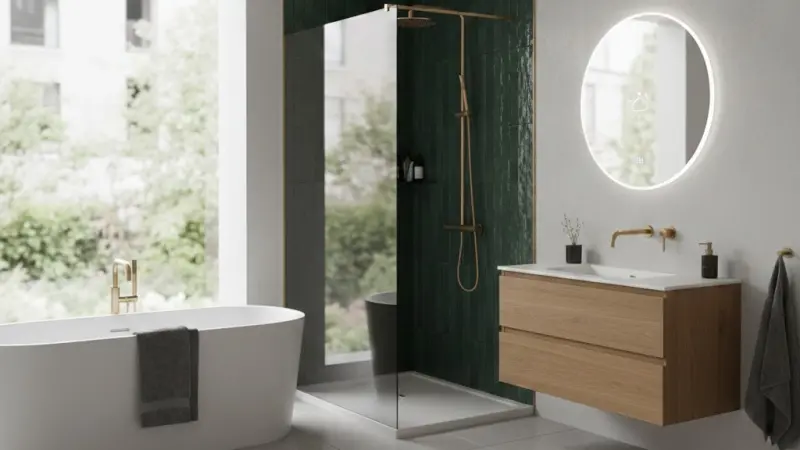
The United Kingdom’s bathroom fixtures manufacturing sector is a cornerstone of the nation’s construction and interior design industries. Representing a market valued at over $3 billion in 2024, the industry encompasses everything from ceramic sanitaryware and brassware to high-tech shower enclosures and modular furniture. This sector is not merely about utility; it is a vital economic driver that supports thousands of skilled jobs in manufacturing, design, and logistics across the British Isles. For developers, retailers, and homeowners, understanding the capabilities of UK manufacturers is essential for sourcing high-quality, durable, and aesthetically pleasing products.

The economic importance of the bathroom fixtures sector cannot be overstated. It feeds directly into the wider UK construction output, which has seen a resurgence in both new-build residential projects and commercial developments. As the demand for housing continues to outstrip supply, the role of an efficient uk local business directory becomes paramount in connecting developers with reliable domestic manufacturers. This industry contributes significantly to the UK's GDP, not only through direct sales but also through the innovation of water-saving technologies that help the nation meet its environmental targets.
Historically, the UK has been a leader in vitreous china production and high-end brassware. Today, that heritage is being augmented by a digital revolution. Manufacturers are increasingly moving towards "smart" solutions, integrating IoT and sensor-driven technologies into everyday fixtures. This evolution ensures that the UK remains competitive on a global stage, despite the pressures of international imports. The synergy between traditional craftsmanship and modern engineering defines the current state of British bathroom manufacturing, making it a robust field for investment and professional growth.
As we look toward the mid-2020s, the focus has shifted toward the "sanctuary" concept. The bathroom is no longer just a functional room; it is a space for wellness and retreat. UK manufacturers are at the forefront of this trend, producing ergonomic baths, chromotherapy showers, and sustainable furniture that cater to a more discerning and health-conscious consumer base. Navigating this complex landscape requires a clear understanding of the market's structure, which is where this guide serves as an indispensable resource for trade professionals and consumers alike.
The Landscape of Bathroom Fixtures – Mnfrs in the UK
The current landscape of bathroom fixture manufacturing in the UK is characterized by a blend of long-standing heritage brands and agile, tech-forward newcomers. Geographically, the industry maintains strong roots in the Midlands and Northern England—areas traditionally associated with ceramics and heavy industry. Staffordshire, often called "The Potteries," remains a hub for sanitaryware, while areas like the West Midlands continue to lead in brassware and valve manufacturing.
Market data for 2025 indicates a steady recovery and growth phase post-pandemic. While the industry faced significant supply chain disruptions between 2020 and 2022, it has emerged more resilient. One of the most notable shifts has been the move toward "near-shoring" or domestic sourcing. To avoid the volatility of international shipping, many UK developers are returning to local manufacturers, a trend that has bolstered the relevance of a uk online business directory for sourcing immediate trade partners.
Post-pandemic, the "Home Improvement" boom has evolved into a more sophisticated "Renovation, Maintenance, and Improvement" (RMI) market. Consumers who saved during lockdowns are now investing in high-end, permanent upgrades. This has led to an increase in the production of premium goods, such as freestanding stone-resin baths and PVD-coated taps. Manufacturers have also had to adapt to the "Work from Home" era, creating products that are easier to install for DIY enthusiasts while maintaining the rigorous standards required by professional plumbers.
Innovation in distribution is another key factor. While traditional merchants still hold a significant market share, direct-to-consumer (D2C) models and online trade platforms are growing. UK manufacturers are increasingly using digital twins and Augmented Reality (AR) to help customers visualize fixtures in their own spaces before purchase. This digital integration is essential for staying relevant in a market where 80% of consumer journeys now begin online.
Economic uncertainty and inflation have presented challenges, yet the sector's adaptability remains its greatest strength. By focusing on energy-efficient manufacturing processes and reducing carbon footprints, UK firms are aligning themselves with the government's Net Zero goals. This strategic alignment not only helps in securing public sector contracts but also appeals to the growing demographic of eco-conscious homeowners who prioritize sustainability over-inflated brand names.
Comprehensive Services Breakdown
The services and products offered by UK bathroom manufacturers are remarkably diverse, spanning several specialized niches. Understanding these categories is crucial for effective trade sourcing.
1. Sanitaryware Production This is the "white goods" of the bathroom world—toilets, basins, and bidets. UK manufacturers excel in the production of vitreous china and fireclay. Modern production involves high-pressure casting and robotic glazing, ensuring a level of precision that reduces waste and improves product longevity. Many firms now offer a business listing uk to showcase their latest rimless toilet designs and "short projection" basins designed for smaller British urban homes.
2. Brassware and Shower Systems UK brassware (taps and mixers) is world-renowned for its engineering quality. Beyond standard chrome finishes, manufacturers are now producing fixtures in brushed brass, matt black, and "living finishes" like unlacquered copper. The shower sector has seen a massive influx of thermostatic technology, which prevents scalding and ensures a consistent temperature—a vital safety feature in both residential and healthcare settings.
3. Bathroom Furniture and Storage The shift toward the "sanctuary" bathroom has made furniture a primary growth area. UK manufacturers produce modular units, wall-hung vanities, and mirrored cabinets that maximize space. Using moisture-resistant materials such as MDF with high-quality laminates or solid timber, these manufacturers provide solutions that combine aesthetics with the durability required for humid environments.
4. Baths and Enclosures From traditional acrylic tubs to luxurious cast iron and modern stone resin, the variety of baths manufactured in the UK is extensive. Enclosure manufacturers have moved toward "easy-clean" glass coatings and low-profile shower trays, which are increasingly popular in contemporary "wet room" installations.
5. Smart Bathroom Integration This is the fastest-growing niche. It includes touchless faucets, smart toilets with integrated bidet functions, and digital showering systems that can be controlled via smartphone apps.
These products represent the pinnacle of UK manufacturing innovation, combining electronics with traditional plumbing expertise.
6. Bespoke and Trade Sourcing Services Many UK manufacturers offer tailored services for large-scale commercial projects, such as hotels or student housing. These services include the creation of "pods"—pre-fabricated bathroom units that can be dropped into a building site, significantly reducing construction time. To find these specialized partners, professionals often consult uk verified business listings to ensure they are working with reputable, accredited manufacturers.
7. Component Supply and Aftercare A critical but often overlooked service is the provision of spare parts and aftercare. UK-based manufacturers have a distinct advantage here, offering shorter lead times for replacement cartridges, seals, and valves compared to overseas competitors. This long-term support is a key selling point for trade professionals who value reliability.
How to Choose the Right Service Provider
Selecting a bathroom fixture manufacturer or supplier in the UK requires a methodical approach. Given the long-term nature of these installations, making the wrong choice can lead to costly repairs and property damage.
Accreditations and Standards The first thing to look for is adherence to British and International standards. Ensure the manufacturer is ISO 9001 certified for quality management. For water-related products, WRAS (Water Regulations Advisory Scheme) approval is non-negotiable. This certification proves that the fixture does not contaminate the water supply and complies with UK water regulations. Checking local business listings uk can help you find companies that explicitly state these credentials.
Insurance and Warranties A reputable manufacturer should offer robust product warranties. For ceramic goods, a 25-year or lifetime guarantee is standard among top-tier UK firms. For brassware and moving parts, look for at least a 5 to 10-year warranty. Furthermore, verify that the company carries professional indemnity and public liability insurance, especially if they are providing design or installation services.
Reputation and Reviews In the digital age, a company's local reputation is visible through online feedback. Look for manufacturers that engage with their customers and address complaints transparently. Don't just look at the star rating; read the content of the reviews to understand how the company handles logistics, product defects, and technical support.
Sustainability Credentials As we move toward 2030, a manufacturer's "green" credentials are becoming a prerequisite for many contracts. Do they use recycled materials? Is their packaging plastic-free? Do their products have high "Unified Water Label" ratings for efficiency? Choosing a sustainable provider is not just good for the planet; it’s an investment in a future-proof property.
Technical Support and Documentation For trade professionals, the availability of technical drawings (CAD/BIM files) and clear installation manuals is essential. A high-quality manufacturer will provide these resources readily. They should also have a dedicated technical helpline to assist with complex installations or troubleshooting on-site.
Locality and Lead Times One of the primary reasons to choose UK-based manufacturers is the reduced lead time. When a project is on a tight schedule, waiting 12 weeks for a bath from overseas is rarely an option. Use a directory to find manufacturers within your region to minimize shipping costs and environmental impact. This local approach also makes it easier to visit showrooms and inspect product quality firsthand before committing to a large order.
Industry Challenges & Future Outlook
While the UK bathroom manufacturing sector is currently thriving, it is not without its hurdles. The most pressing challenge is the rising cost of raw materials and energy. Ceramics manufacturing, in particular, is energy-intensive, requiring high-temperature kilns. As energy prices fluctuate, manufacturers are forced to find efficiencies through automation and heat-recovery systems.
Sustainability is the defining theme of the future. The UK government’s "Future Homes Standard" will introduce stricter regulations on water and energy usage in new builds. Manufacturers are responding by developing ultra-low-flush toilets and aerated taps that reduce water flow without compromising the user experience. Many of these innovators utilize a business listing uk to gain visibility among developers looking for compliant products.
Technological shifts are also redefining the industry. The "Internet of Bathrooms" (IoB) is no longer a gimmick. We are seeing mirrors that display news and health metrics, and toilets that can perform basic health screenings. As these technologies become more affordable, they will move from luxury niches into the mainstream residential market. Manufacturers must balance this tech-push with the need for data privacy and cybersecurity, as connected bathrooms become part of the wider smart home ecosystem.
Regulatory changes post-Brexit also continue to impact the industry. The transition from the CE mark to the UKCA (UK Conformity Assessed) mark has required significant administrative effort from manufacturers. However, this has also allowed the UK to tailor its standards more specifically to the needs of the domestic market, potentially creating a "quality shield" against sub-standard imports.
The labor shortage remains a significant bottleneck. There is a high demand for skilled ceramicists, engineers, and product designers. Many leading firms are investing in apprenticeship schemes to ensure the next generation of British manufacturing talent.
The industry is also becoming more inclusive, utilizing diversity and modern workplace practices to attract a broader range of talent.
Looking ahead to 2030, we expect to see a total integration of circular economy principles. This means products designed for easy disassembly and recycling at the end of their life cycle. The "subscription model" for bathrooms, where fixtures are leased and maintained by the manufacturer, is also being discussed as a viable future for the commercial sector.
Business Tips for Bathroom Fixtures – Mnfrs Professionals
For those operating within the manufacturing and supply side of the industry, staying competitive requires more than just high-quality products. It requires a modern approach to marketing and operations.
1. Optimize Digital Visibility In a crowded market, being found is half the battle. Ensure your business is listed on every relevant uk local trades directory. Your website should be fast, mobile-friendly, and rich with high-quality imagery. Video content, such as "behind-the-scenes" manufacturing clips or installation guides, can significantly increase user engagement and trust.
2. Leverage B2B Networking Manufacturing is a collaborative effort. Build relationships with architects, interior designers, and large-scale developers. Offer them exclusive trade discounts and early access to new ranges. Attending industry trade shows like KBB Birmingham is essential for staying abreast of trends and making face-to-face connections.
3. Focus on "Content as a Service" Don't just sell a tap; sell the knowledge of how to choose and maintain it. Blog posts on "How to save water" or "Modern bathroom trends for 2025" position your brand as an authority. This content also helps your SEO, making it easier for potential clients to find you through search engines.
4. Embrace Customer Data Use CRM (Customer Relationship Management) tools to track leads and understand your customers' buying patterns. Are they preferring matt black over chrome? Is there a spike in demand for accessible "Doc M" compliant packs? Data-driven decision-making reduces the risk of overproducing unpopular lines.
5. Showroom Experience Even if you sell primarily online, having a physical space where customers can "touch and feel" the products is invaluable. If a dedicated showroom is too expensive, consider partnering with local bathroom boutiques to display your products. A hybrid "phygital" approach—where customers can scan QR codes in-store to see digital variations—is highly effective.
6. Invest in Local SEO For smaller manufacturers or bespoke workshops, local SEO is your best friend. Target keywords that include your city or region. Ensure your Google Business Profile is fully optimized and regularly updated with new photos and posts. This ensures that when someone searches for "bathroom manufacturers near me," your business is at the top of the list.
Wrapping Up & Local Page Integration
The UK bathroom fixtures manufacturing industry is a testament to British resilience and innovation. From the historic kilns of Staffordshire to the high-tech design studios of London, the sector continues to set global standards for quality and style. As we have explored, the journey from production to installation involves a complex web of services, regulations, and market trends. For any business in this space, whether a massive manufacturer or a boutique designer, visibility is the key to longevity.
In an increasingly fragmented digital world, finding a centralized hub for trade and consumer connection is vital. This is where Local Page UK serves as the premier solution. By acting as a comprehensive uk b2b business directory, it bridges the gap between high-quality British manufacturers and the professionals who need their products.
Whether you are looking for a specific component, a bespoke bath, or a high-volume sanitaryware partner, the right directory makes the process seamless.
The future of the British bathroom is bright, sustainable, and smart—and it starts with making the right local connections today.
Boost Your Visibility with Local Page UK
In the competitive world of bathroom manufacturing and trade services, being invisible online is the same as being out of business. Every day, thousands of developers, plumbers, and homeowners use search engines to find reliable UK-based partners. If your business isn't listed where they are looking, you are losing revenue to your competitors.
By joining Local Page UK, you place your brand in front of a targeted audience actively seeking your expertise. We provide a platform that emphasizes local reputation, verified credentials, and ease of contact. Don't let your craftsmanship go unnoticed. Claim your business listing uk today and start reaching the customers who are searching for you.
Frequently Asked Questions (FAQs)
1. What are the key benefits of sourcing bathroom fixtures from UK manufacturers?
Sourcing locally reduces lead times significantly, which is critical for construction schedules. It also ensures products meet stringent UK water and safety regulations (like WRAS). Furthermore, UK-based aftercare is generally more accessible, providing peace of mind for long-term maintenance and spare part availability.
2. How has the UK bathroom industry changed since the pandemic?
The industry has seen a massive shift toward "Wellness" and "Sanctuary" designs. There is also a higher reliance on domestic supply chains to avoid international shipping delays. Digitally, there has been an explosion in VR and AR tools used by manufacturers to help customers visualize products remotely.
3. What is WRAS approval and why is it important?
WRAS (Water Regulations Advisory Scheme) approval identifies that a fixture does not contaminate the water supply and is of an appropriate quality and standard. It is a legal requirement in the UK to ensure that all water fittings comply with the Water Supply (Water Fittings) Regulations.
4. What are the biggest trends in bathroom fixtures for 2025?
Key trends include sustainable, water-saving technologies, "smart" touchless faucets, and bold color palettes like oxblood and emerald green. There is also a move away from minimalism toward "whimsical" and highly personalized spaces that reflect the homeowner's unique style.
5. Where can I find a reliable list of UK bathroom manufacturers?
You can find a comprehensive and verified list of industry professionals on Localpage, which categorizes businesses by region and specialization, making it easy to find the perfect manufacturing partner for your specific project needs.
6. Are smart toilets worth the investment in the UK market?
Yes, especially in high-end residential and commercial sectors. They offer improved hygiene through touchless operation and integrated bidet functions, and they are increasingly seen as a "future-proof" feature that adds significant value to a property.
7. What should I look for in a bathroom furniture warranty?
For high-quality bathroom furniture, you should expect at least a 5 to 10-year warranty against manufacturing defects. Since bathrooms are high-moisture environments, ensure the warranty covers issues like material swelling or delamination under normal usage conditions.
8. How can a manufacturer improve their environmental impact?
Manufacturers can adopt circular economy principles, such as using recycled acrylics or FSC-certified wood. Implementing closed-loop water systems in ceramic production and switching to plastic-free, recyclable packaging are also major steps toward sustainability.
9. What is the "Future Homes Standard" and how does it affect bathrooms?
This is a government initiative aimed at reducing carbon emissions in new homes. For the bathroom sector, it means stricter limits on water consumption and a push for heat-recovery systems in showers to improve overall energy efficiency in the home.
10. Can I get bespoke bathroom fixtures manufactured in the UK?
Absolutely. Many UK firms specialize in bespoke brassware finishes and custom-sized furniture. Some high-end ceramic manufacturers also offer personalized glazing or branding for commercial projects like hotels and luxury developments.
11. What are "Bathroom Pods" in commercial construction?
Bathroom pods are fully finished, pre-fabricated bathroom units manufactured off-site. They include all fixtures, tiling, and plumbing. They are delivered to the construction site and "slotted" into the building, which ensures consistent quality and drastically reduces on-site labor time.
12. How do I verify a local manufacturer’s reputation?
Beyond looking at their portfolio, check independent review platforms and trade directories. Look for consistent positive feedback regarding their delivery times and the quality of their technical support. A long-standing history in the industry is often a good indicator of reliability.
13. Is the UK bathroom market growing?
Yes, the market is projected to grow steadily through 2030. This growth is driven by the housing demand, an aging population requiring accessible "inclusive" designs, and the constant innovation in smart and eco-friendly technologies.
14. What are the advantages of PVD coatings on taps?
Physical Vapor Deposition (PVD) is a high-tech coating process that produces a finish much harder and more corrosion-resistant than traditional electroplating.
It allows for a wide range of colors (like gold or bronze) that will not fade or scratch over time.
15. How can I list my bathroom business on a major UK directory?
The process is simple and highly effective for boosting your online presence. You can start by visiting Local page to submit your details, ensuring your business is visible to the thousands of users who search the platform every month.

Disclaimer: The information provided in this article is for general informational and research purposes only. Company details, features, services, and market positions may change over time. Readers are advised to visit official company websites and conduct independent research before making any business decisions or purchasing services.
Most Searchable Keywords

Recent Blogs



Related Listings


Categories
- Accountants (295)
- Advertising Agencies (559)
- Architects (149)
- Automobiles (377)
- Beauty (300)
- Carpenters (146)
- Cleaning Services (386)
- Dentists (189)
- Driving (62)
- Electricians (215)
- Energy (8)
- Event Organiser (685)
- Finance (599)
- Guide (3365)
- Health (2207)
- Information technology (206)
- Legal Services (353)
- Logistics (6)
- Maintenance (65)
- Manufacturing (35)

Sponsored Listings in Locksmith Services


Related Blogs

Gen Z Political Reporters and News Creators i...
Read this insightful article "Gen Z Political Reporters and News Creators in the UK" to expand your knowledge!

Famous Female Social Media Influencers Across...
Read this insightful article "Famous Female Social Media Influencers Across the UK" to expand your knowledge!

Your UK Sponsor Licence 2026 Step by Step Gui...
Read this insightful article "Your UK Sponsor Licence 2026 Step by Step Guide" to expand your knowledge!
Questions & Answers – Find What
You Need, Instantly!
How can I update my business listing?
Is it free to manage my business listing?
How long does it take for my updates to reflect?
Why is it important to keep my listing updated?
