
Boat Sales UK: Models Review, Financing & Broker Recommendations
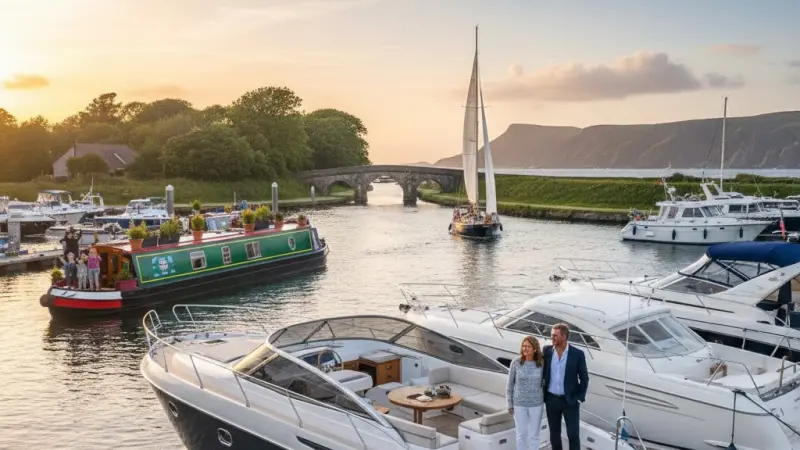
The maritime industry has long been the backbone of the British economy, but within its diverse portfolio, the Boats – Sales sector stands out as a particularly vibrant and emotionally resonant niche. For an island nation with over 19,000 miles of coastline and thousands of miles of inland waterways, boat ownership is more than a luxury; it is a cultural staple. In recent years, the UK boat market has experienced a significant transformation, evolving from a niche pursuit into a multi-billion pound industry that supports thousands of jobs across manufacturing, brokerage, and marine services.

The economic importance of this sector cannot be overstated. According to British Marine, the UK leisure, superyacht, and small commercial marine industry contributes billions in GVA (Gross Value Added) to the UK economy. When a boat is sold, it triggers a cascade of economic activity: insurance premiums are paid, marina berths are rented, maintenance engineers are hired, and local hospitality businesses benefit from "nautical tourism." This "blue economy" is a vital lifeline for coastal communities from Cornwall to the Scottish Highlands.
For the modern consumer, navigating the world of boat sales in the UK requires a blend of romanticism and cold, hard business logic. Whether you are eyeing a modest narrowboat for the Grand Union Canal or a high-performance Sunseeker for the Solent, the process involves complex legal transfers, rigorous surveys, and nuanced financing arrangements. As the digital landscape becomes more integrated with traditional brokerage, finding the right vessel often begins with a search through a uk business directory to identify reputable local dealers and service providers. This guide aims to demystify the process, providing an authoritative review of the current landscape, the models dominating the water, and the professional recommendations necessary to make a secure investment.
The Landscape of Boats – Sales in the UK
The current landscape of boat sales in the United Kingdom is a fascinating study in resilience and adaptation. Historically, the industry was dominated by face-to-face dealings at regional boat shows like Southampton and London. However, the post-pandemic era has ushered in a "new normal." Following the lockdowns of 2020 and 2021, there was an unprecedented surge in interest in "staycations" and outdoor pursuits, leading to a record-breaking period for boat sales. People sought the isolation and freedom that a private vessel provides, depleting both new and used inventories to historic lows.
Geographically, the South Coast remains the epicentre of UK maritime activity. Hubs like Poole, Southampton, and Portsmouth host the largest concentrations of brokers and manufacturers. However, the inland waterways market—focused on the Midlands and the North—has seen its own mini-boom, with narrowboats and wide-beams becoming popular alternatives to traditional housing or holiday homes. The evolution of the industry post-pandemic has also seen a significant shift toward digital transparency. Today’s buyers expect high-definition video walkthroughs, 3D tours, and verified digital histories before they even step foot on a pontoon.
The market size has stabilised in the last 18 months, with a move away from the frantic buying of the early 2020s toward a more considered, value-driven approach. Buyers are now more cautious, focusing on fuel efficiency and long-term maintenance costs. For those entering the market, it is essential to find local businesses uk that offer the specific expertise required for the type of vessel being sought. A broker specializing in blue-water cruisers in Plymouth operates in a very different world from a canal boat specialist in Braunston. Understanding these regional specialisms is the first step toward a successful acquisition.
Comprehensive Services Breakdown
The Boats – Sales niche is not a singular transaction; it is a complex ecosystem of interconnected services. To understand the market, one must break down the core offerings provided by industry professionals.
New Vessel Brokerage
New boat sales are typically handled by authorised dealers who represent specific brands. In the UK, brands like Princess, Sunseeker, and Fairline represent the pinnacle of motor yacht luxury, while names like Hallberg-Rassy or Beneteau dominate the sailing world. Purchasing new offers the benefit of warranties and customisation, but it requires a significant capital outlay and an understanding of VAT implications.
The Pre-owned Market
The used boat market is where the majority of transactions occur. Professional brokers act as intermediaries, similar to estate agents, ensuring that the Title is clear, no outstanding mortgages exist, and the Bill of Sale is executed correctly. In this sector, a business listing uk becomes an invaluable tool for buyers to cross-reference the reputations of independent brokers who might not have the marketing budget of international firms.
Marine Finance and Insurance
Very few high-value boats are purchased with cash alone. Marine finance is a specialised field where lenders use the vessel itself as security. Unlike a car loan, marine mortgages can span 10 to 15 years. Specialized insurers also provide coverage that accounts for navigation limits, wreck removal, and third-party liability—all of which are mandatory in most UK marinas.
Marine Surveying and Maintenance
Before any sale is finalised, a marine survey is critical. Surveyors inspect the hull integrity, engine health, and safety systems. Following the sale, the relationship with the marine industry continues through "after-sales" services, including anti-fouling, engine servicing, and rigging inspections.
These trade services are the lifeblood of the industry, keeping the UK fleet seaworthy and protecting the owners' assets.
How to Choose the Right Service Provider
With significant sums of money at stake, choosing a service provider in the boat sales sector is a decision that should be governed by due diligence rather than impulse. The UK maritime industry is self-regulated to a large extent, making it even more important to look for specific "markers of quality."
Firstly, check for professional accreditations. A reputable broker should ideally be a member of British Marine or the Association of Brokers and Yacht Agents (ABYA). These organisations mandate that members use "Client Trust Accounts," which keep the buyer's deposit separate from the business's operating funds—a crucial protection in the event of insolvency.
Secondly, local reputation and reviews are paramount. In the digital age, a provider's online footprint speaks volumes. Prospective buyers and sellers should consult uk service listings to see how local businesses are rated by their peers and past clients. Look for consistency in feedback—not just regarding the sale itself, but how the provider handled the "snagging list" or post-purchase issues.
Thirdly, verify the provider's physical presence and insurance. Do they have a dedicated office at a marina, or are they a "laptop broker"? While the latter isn't necessarily a red flag, a physical presence often indicates a more established business with deeper roots in the local marine community. Ensure they hold Professional Indemnity Insurance, which protects you if their advice or clerical work leads to a financial loss.
Industry Challenges & Future Outlook
The UK boat sales industry is currently navigating a sea of change, driven by three primary factors: technology, sustainability, and regulation.
Technology is perhaps the most visible shift. Hybrid propulsion systems and electric outboards are no longer experimental; they are becoming standard options for day boats and inland cruisers. This shift is driven by both consumer demand for "silent motoring" and the increasing number of "Green Zones" on European and UK waterways. Furthermore, digital integration—from "Smart Boat" apps that monitor bilge levels to blockchain-based ownership tracking—is making boat management more efficient.
Sustainability is the industry's biggest challenge. The "End-of-Life" vessel problem—what to do with old GRP (glass-reinforced plastic) hulls—is a looming environmental crisis. Forward-thinking manufacturers are now experimenting with recyclable resins and flax-based fibres. For professionals in the sector, being listed in a business listing uk that highlights eco-friendly credentials can be a major competitive advantage as the "Gen Z" and "Millennial" buyer segments grow.
Regulatory changes following the UK's exit from the European Union also continue to impact the market. Issues surrounding VAT-paid status and the Recreational Craft Directive (RCD) compliance mean that importing or exporting vessels between the UK and the Continent is more bureaucratic than before. However, the UK's new "Post-Brexit" safety standards are beginning to settle, providing a clearer framework for manufacturers and importers alike.
Business Tips for Boats – Sales Professionals
For those operating a business in the boat sales or marine services sector, the competition is fierce. To thrive, a local business must bridge the gap between "Old World" expertise and "New World" digital marketing.
Prioritise Local SEO and Visibility
Most boat buyers begin their journey with a specific geographic location in mind (e.g., "Boats for sale in the Solent"). Therefore, your digital visibility is non-negotiable. Ensuring your business appears in local business listings uk is the most effective way to capture this high-intent local traffic. These listings provide the "NAP" (Name, Address, Phone number) consistency that search engines crave.
Content is King
In a high-ticket industry like boat sales, you aren't just selling a product; you are selling a lifestyle. High-quality blog posts about local cruising
grounds, maintenance tips for specific engine types, or guides on the legalities of mooring can position your business as an authority.
Networking and Partnerships
The marine industry is notoriously "cliquey." Building relationships with local marine surveyors, sailmakers, and marina managers can create a powerful referral network. If you are a broker, having a "preferred list" of local tradespeople not only adds value to your clients but ensures that your colleagues in the industry will reciprocate when they hear of someone looking to sell.
Leverage Social Media
Boating is inherently visual. Platforms like Instagram and YouTube are perfect for showcasing the aesthetic appeal of a vessel. A "Day in the Life" video of a broker or a "Before and After" of a boat restoration can humanize your brand and build trust long before a client enters your office.
Wrapping Up & Local Page Integration
The UK boat sales industry is a testament to the nation's enduring love affair with the water. Despite economic fluctuations and the complexities of modern regulation, the desire to own a piece of the maritime dream remains strong. For consumers, the key to a successful experience lies in research, due diligence, and partnering with verified professionals. For businesses, success is found in combining deep technical knowledge with a robust online presence.
In an increasingly crowded digital marketplace, visibility is the currency of success. Whether you are a small independent marine engineer or a large-scale yacht brokerage, being found by the right people at the right time is critical. This is where Local Page becomes an indispensable ally. As a premier uk local business directory, Local Page provides the infrastructure for maritime businesses to showcase their expertise to a targeted, local audience.
By integrating your business into the uk online business directory, you are not just adding a link; you are joining a curated ecosystem designed to promote British excellence. In the niche world of boat sales, where trust is everything, being part of a verified community of service providers can be the difference between a lead and a sale.
Boost Your Visibility with Local Page UK
In the fast-paced world of the UK marine industry, your digital footprint is often your first impression. For professionals in the boat sales, brokerage, and maintenance sectors, being easily discoverable by local enthusiasts is the key to sustainable growth. Don't let your expertise go unnoticed. We invite you to claim your business listing uk today on Local Page UK. By joining our network, you position your brand in front of a dedicated audience looking for the best services the UK has to offer. Take control of your local SEO and start connecting with your maritime community now.
Frequently Asked Questions
1. What are the legal requirements for selling a boat privately in the UK?
When selling a boat privately in the UK, the most critical legal requirement is proving "Clear Title." This means you must demonstrate that you own the vessel and that there are no outstanding debts or marine mortgages secured against it. You must provide a "Bill of Sale" (typically using the MCA standard Form MSF 4705) to transfer ownership. Additionally, you must provide evidence of the boat's VAT status, as vessels with "VAT Paid" status are significantly more valuable. If the boat was built after 1996, it must also comply with the Recreational Craft Regulations (RCR), evidenced by a PCA or CE mark. Failure to provide these documents can lead to legal disputes or the collapse of a sale during the due diligence phase.
2. Do I need a license to drive a powerboat in the UK?
For private, non-commercial use on UK coastal waters, there is currently no legal requirement for a person to hold a "driver's license" to operate a powerboat. However, this is highly discouraged by maritime authorities. Most insurance companies will insist that the owner or primary operator holds at least an RYA Powerboat Level 2 certificate. On inland waterways, such as the Norfolk Broads or the Thames, the rules are different; you will often need a "Boat Safety Scheme" certificate for the vessel and a "Helmsman's Certificate" or similar proof of competence might be required by the local navigation authority. It is always best to check with local bylaws before launching.
3. What is the difference between a boat broker and a boat dealer?
A boat dealer typically represents specific manufacturers and sells new vessels. They often take trade-ins and provide official manufacturer warranties. A boat broker, on the other hand, acts as an intermediary for the sale of pre-owned vessels, much like an estate agent.
The broker does not own the boats they sell; they represent the seller, market the vessel, and handle the legalities and fund transfers in exchange for a commission (usually 6-10%). For buyers, brokers offer a wider variety of brands and price points, while dealers offer the security of a "brand new" purchase with professional after-sales support directly from the factory.
4. How much should I budget for annual boat maintenance in the UK?
A common "rule of thumb" in the UK marine industry is to budget approximately 10% of the boat's value annually for maintenance, mooring, and insurance. However, this varies wildly based on the boat type. A 30ft sailing yacht might cost £3,000 - £5,000 per year in a South Coast marina, including anti-fouling, engine servicing, and insurance. A high-performance motor yacht will cost significantly more due to fuel consumption and complex mechanical systems. Narrowboats on the canals might be cheaper to maintain but require "blacking" of the hull every two to three years. Prospective owners should always get quotes for local mooring fees before purchasing, as this is often the largest recurring expense.
5. Where can I find a list of verified marine surveyors in my area?
Finding a qualified surveyor is essential for any pre-purchase inspection. You should look for professionals who are members of the International Institute of Marine Surveying (IIMS) or the Yacht Brokers, Designers and Surveyors Association (YBDSA). To find local experts with verified reputations, you can consult a reputable Localpage to see listings of professional services in your specific coastal or inland region. A good surveyor will provide a detailed report on the hull, systems, and safety equipment, which is often a requirement for securing marine insurance or financing. Never rely on a survey provided by the seller; always commission your own independent report.
6. What is a Marine Mortgage and how does it work?
A marine mortgage is a specialized loan used to purchase a boat, where the vessel itself serves as the primary security for the lender. Unlike a standard personal loan, a marine mortgage is registered against the boat's title on the UK Ship Register (Part 1). This allows lenders to offer larger sums (often up to 80% of the purchase price) and longer repayment terms, sometimes up to 15 years. The interest rates may be fixed or variable. Because the boat is the security, the lender will require a professional valuation and a full marine survey before approval. If the borrower defaults, the lender has the legal right to repossess and sell the vessel to recover the debt.
7. Is it better to buy a fiberglass (GRP) or steel hull boat?
The choice between GRP and steel depends entirely on your intended use. GRP (Glass Reinforced Plastic) is the most common material for leisure boats because it is lightweight, fast, and relatively low-maintenance—it doesn't rust or rot. It is ideal for coastal cruising and powerboating. Steel is the standard for inland narrowboats and serious long-distance "blue water" trawlers. Steel is incredibly strong and can be repaired easily anywhere in the world with a welding torch, but it requires constant vigilance against rust and needs painting every few years. For most UK coastal weekenders, GRP is the practical choice, while for "live-aboards" on the canal system, steel is the only way to go.
8. What are the VAT implications of buying a boat after Brexit?
Post-Brexit, VAT on boats has become a complex issue. Generally, if a boat was in the UK at the end of the transition period (31st December 2020), it retains its "UK VAT Paid" status. If you buy a boat in the EU and bring it to the UK, you will likely be liable for 20% UK VAT upon entry, unless you qualify for Returned Goods Relief (RGR). RGR typically applies if the boat was previously in the UK, is being returned by the same owner, and has been away for less than three years. Buyers should be extremely careful to check the "Paper Trail" of VAT invoices, as HMRC can demand proof of VAT status at any time.
9. What is the Boat Safety Scheme (BSS) and do I need it?
The Boat Safety Scheme (BSS) is often described as the "MOT for boats." It is a mandatory safety requirement for most vessels using the UK's inland waterways, including those managed by the Canal & River Trust and the Environment Agency. A BSS examination happens every four years and checks fire safety, gas systems, electrical wiring, and fuel storage. While it is not a legal requirement for coastal "at sea" boats, many coastal marinas are starting to request BSS-style compliance for long-term residents. Even if not legally required, following BSS guidelines is a gold standard for ensuring your vessel is safe for your family and guests.
10. Can I live on a boat year-round in the UK?
Yes, "residential boating" is a popular lifestyle choice in the UK, but it requires careful planning. To do this legally and comfortably, you ideally need a "Residential Mooring," which grants you the right to live aboard full-time and often provides a postal address and shore power. These moorings are in high demand and can be expensive. Alternatively, many people "Continuous Cruise," which involves moving the boat every 14 days to a new location, as per Canal & River Trust rules. Living aboard in winter requires excellent insulation and a reliable heating system (like a multi-fuel stove or diesel heater) to combat the British damp and cold.
11. What safety equipment is mandatory for a private boat in the UK?
For private vessels under 13.7 metres in length, there are surprisingly few national "mandates" for equipment, but the SOLAS V regulations do require all boats to carry a passage plan and a radar reflector. However, for practical safety and insurance purposes, you should carry lifejackets for all on board, a VHF radio (and a licensed operator), flares or electronic distress signals, fire extinguishers, a first aid kit, and an anchor with sufficient chain. If you are venturing more than a few miles offshore, a liferaft and an EPIRB (Emergency Position Indicating Radio Beacon) are considered essential life-saving equipment that no responsible skipper should be without.
12. How does the "Part 1" British Ships Register differ from the SSR?
The Small Ships Register (SSR or Part 3) is a simple, inexpensive registration for boats under 24m, primarily used to prove nationality when sailing abroad. It does not prove ownership. The "Part 1" Register is a more prestigious and rigorous registration. It requires a "Transcript of Title" showing a complete history of the boat’s ownership and a "Certificate of Survey for Tonnage and Measurement." Part 1 registration is essential if you are taking out a marine mortgage, as it allows the lender to register their financial interest. For most casual UK sailors staying in local waters, the SSR is sufficient, but for high-value yachts and financed vessels, Part 1 is the standard.
13. What should I look for during a sea trial?
A sea trial is your chance to see how the boat performs under load. You should check that the engine reaches its maximum rated RPM without overheating or blowing excessive smoke. Test the steering at both high and low speeds, and ensure all electronic equipment (chartplotters, radar, VHF) functions correctly in a real-world environment. Listen for unusual vibrations or rattles, and check the bilges after the run to ensure no leaks have appeared. It’s also the time to see if the boat "feels" right for you—is it too sensitive to the wind? Is the visibility from the helm adequate? A sea trial should last at least an hour to let the machinery reach full operating temperature.
14. What are the advantages of joining a local yacht or sailing club?
Joining a club offers far more than just social events. For a new boat owner, clubs provide a wealth of "local knowledge" regarding hazards, tides, and the best local tradespeople. Many clubs have their own moorings or "scrubbing posts" which can save members thousands of pounds compared to commercial marina rates.
Furthermore, clubs often organize "cruises in company," which are great for building confidence in new boat owners by traveling with more experienced skippers. In the UK's close-knit maritime community, the networking opportunities within a club can be invaluable when it eventually comes time to sell your boat or upgrade to a larger vessel.
15. How can I verify if a boat business is legitimate?
The best way to verify a boat business is to check their physical location, their professional affiliations (like British Marine), and their online presence. Scrutinize their history and look for a track record of successful transactions. A legitimate business will be transparent about their fees and will always use dedicated client accounts for handling your money. For a comprehensive list of service providers that have been vetted by the community, you should use a trusted Local page to cross-reference their contact details and read customer feedback. If a deal seems "too good to be true" or a broker asks for a deposit to be paid into a personal bank account, walk away immediately.

Disclaimer: The information provided in this article is for general informational and research purposes only. Company details, features, services, and market positions may change over time. Readers are advised to visit official company websites and conduct independent research before making any business decisions or purchasing services.
Most Searchable Keywords

Recent Blogs



Related Listings

Categories
- Accountants (295)
- Advertising Agencies (559)
- Architects (149)
- Automobiles (377)
- Beauty (300)
- Carpenters (146)
- Cleaning Services (386)
- Dentists (189)
- Driving (62)
- Electricians (215)
- Energy (8)
- Event Organiser (685)
- Finance (599)
- Guide (3365)
- Health (2207)
- Information technology (206)
- Legal Services (353)
- Logistics (6)
- Maintenance (65)
- Manufacturing (35)

Sponsored Listings in Locksmith Services


Related Blogs

Gen Z Political Reporters and News Creators i...
Read this insightful article "Gen Z Political Reporters and News Creators in the UK" to expand your knowledge!

Famous Female Social Media Influencers Across...
Read this insightful article "Famous Female Social Media Influencers Across the UK" to expand your knowledge!

Your UK Sponsor Licence 2026 Step by Step Gui...
Read this insightful article "Your UK Sponsor Licence 2026 Step by Step Guide" to expand your knowledge!
Questions & Answers – Find What
You Need, Instantly!
How can I update my business listing?
Is it free to manage my business listing?
How long does it take for my updates to reflect?
Why is it important to keep my listing updated?
