
Boat Equipment UK: Essentials List, Brands & Outfitting Guide
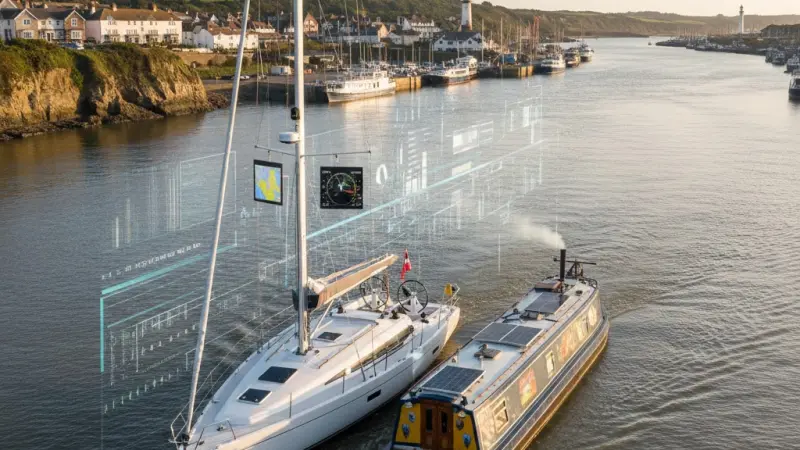
The boat equipment and accessories sector represents a cornerstone of the United Kingdom’s maritime identity. As an island nation with over 19,000 miles of coastline and a rich network of inland waterways, the UK has always relied on the sea for its economic vitality. Today, this sector is not just about tradition; it is a high-tech, multi-billion-pound industry that fuels local economies from the South Coast’s bustling marinas to the rugged ports of Scotland. For any vessel owner, whether piloting a narrowboat on the Grand Union Canal or a Sunseeker in the Solent, the quality of outfitting determines not just the comfort of the journey, but the fundamental safety of all souls on board.

The economic importance of this niche cannot be overstated. The UK marine leisure industry contributes billions to the national GVA (Gross Value Added), supporting thousands of highly skilled jobs in engineering, retail, and manufacturing. From the production of world-class foul-weather gear to the installation of cutting-edge satellite navigation systems, the supply chain is vast and intricate. Consumers today are more discerning than ever, seeking equipment that balances performance with sustainability.
Navigating this marketplace requires a sophisticated understanding of both heritage and innovation. This guide serves as an authoritative resource for boat owners and industry professionals alike, detailing the essential components of modern outfitting. To stay competitive in this fast-paced market, businesses must ensure they are visible to the growing number of enthusiasts looking for reliable suppliers through a uk local business directory. As we delve into the specifics of boat equipment in the UK, we see an industry that is resilient, forward-thinking, and deeply integrated into the British lifestyle.
The Landscape of Boat Equipment & Accessories in the UK
The current landscape of the UK boat equipment market is one of robust recovery and technological acceleration. Following the pandemic, there was a significant "staycation" boom that saw thousands of new entrants into the boating community. This surge in boat ownership led to a secondary surge in the demand for accessories, safety gear, and maintenance services. Estimates suggest the UK leisure boat market is valued at nearly £2 billion, with the equipment segment accounting for a substantial portion of that turnover.
Geographically, the South Coast remains the heart of the industry, with Southampton and Portsmouth serving as global hubs for yachting excellence. However, the "Northern Powerhouse" of the maritime world is also expanding, with significant activity in the Lake District, the Norfolk Broads, and the Scottish Highlands. These regions have evolved from seasonal hotspots into year-round service centres, driven by a professionalised workforce that prides itself on technical expertise.
The post-pandemic era has also seen a shift in consumer behaviour. Boaters are no longer satisfied with "off-the-shelf" solutions; there is a marked trend towards customisation and smart integration. Whether it is retrofitting older vessels with modern lithium-ion battery systems or installing integrated bridge systems that connect to a smartphone, the industry has embraced the digital age. This evolution makes it essential for boaters to use a uk local business search to find specialists who can handle such complex installations. The market has matured, moving away from simple retail towards a service-heavy model where expertise is the primary product.
Comprehensive Services Breakdown
Outfitting a boat in the UK involves a diverse array of specialized services and product categories. Understanding these is vital for maintaining the vessel’s value and ensuring seaworthiness.
1. Marine Electronics and Navigation
This is perhaps the fastest-growing sub-sector. Modern boats are essentially floating computers. Essential equipment includes:
Chartplotters and GPS: Brands like Raymarine, Garmin, and B&G dominate the UK market, offering high-definition displays with integrated sonar.
VHF Radio and AIS: Vital for safety, allowing vessels to communicate and be seen by commercial shipping.
Autopilots: Reducing helm fatigue during long coastal passages.
2. Safety and Life-Saving Equipment
The UK’s Maritime and Coastguard Agency (MCA) sets high standards for safety gear. Professional outfitting must include:
Life Rafts and Jackets: Serviced regularly by accredited providers.
EPIRBs and PLBs: Emergency beacons that provide a lifeline in the event of a disaster.
Fire Suppression Systems: Automatic systems for engine rooms are now standard in professional outfitting.
3. Deck Hardware and Rigging
For the sailing community, the integrity of the rig is paramount. Services include:
Standing Rigging Replacement: Usually required every 10 years to satisfy insurance providers.
Winches and Windlasses: Brands such as Lewmar and Harken provide the mechanical advantage needed for sail handling and anchoring.
4. Marine Propulsion and Engineering
Beyond the engine itself, outfitting includes fuel filtration systems (like Racor), cooling systems, and exhaust components. With the rise of the "Green Agenda," many UK owners are looking for a business listing uk to find engineers who specialise in electric propulsion and hybrid conversions.
5. Comfort and Interior Refurbishment
Boating is as much about the destination as the journey. This category covers:
Marine HVAC: Air conditioning and heating (essential for the UK climate).
Galley Equipment: Gimballed stoves and high-efficiency refrigeration.
Upholstery and Canopies: Bespoke sprayhoods and cockpit enclosures designed to withstand the British rain.
How to Choose the Right Service Provider
Selecting a service provider in the marine industry requires more than just a price comparison. The stakes—safety and vessel integrity—are too high for guesswork.
Accreditations and Memberships
Always look for providers who are members of British Marine. This trade association ensures that members adhere to a strict code of conduct. Furthermore, specific technicians should hold certifications from manufacturers (e.g., Volvo Penta, Yanmar, or Raymarine) to ensure that warranties remain valid.
Reviews and Local Reputation
In the tight-knit maritime community, word-of-mouth is powerful, but digital social proof is now the gold standard. When researching, consult uk verified business listings to see feedback from other boat owners. A provider with a long history in a specific marina often has local knowledge—such as tide quirks or common engine issues in the area—that a national chain might lack.
Insurance and Guarantees
Never allow a contractor to step onto your boat without verifying their Public Liability Insurance. Professional marine tradesmen will always provide a clear quote and a guarantee on their workmanship.
Given the corrosive nature of the salt-water environment, a "cheap" fix often becomes an expensive disaster within six months.
Industry Challenges & Future Outlook
The UK marine industry is at a crossroads, facing both regulatory hurdles and exciting technological shifts.
Sustainability and the "Green Marine"
The most significant trend is the push for Net Zero. The UK government’s Clean Maritime Plan is driving innovation in hull coatings (anti-fouling that doesn't leach toxins) and alternative fuels. We are seeing a move away from traditional diesel towards hydrogen cells and high-capacity electric motors. However, the infrastructure in UK marinas—specifically the availability of high-speed charging points—remains a challenge.
Regulatory Changes
Post-Brexit, the UK has introduced the UKCA mark to replace the CE mark for certain boat equipment. This has created a transition period where manufacturers must ensure their products meet specific British standards. Keeping up with these changes is a full-time job for professionals, many of whom promote their expertise through a business listing uk to reach the capital's affluent boat-owning demographic.
Supply Chain Resilience
While the global supply chain has stabilised since 2021, the cost of raw materials—specifically aluminium and specialized marine-grade resins—remains volatile. This has led to a trend of "planned maintenance," where owners order parts six months in advance to avoid seasonal delays.
Business Tips for Boat Equipment & Accessories Professionals
For local chandleries, riggers, and marine engineers, the competition is no longer just the shop in the next marina; it is the entire internet. To thrive, local businesses must master digital visibility.
1. Focus on Hyper-Local SEO
Boaters search for services "near me" or at specific locations (e.g., "Riggers in Hamble"). Ensuring your business is listed in a uk home services directory is the first step in capturing this intent-driven traffic.
2. Demonstrate Expertise Through Content
The marine world is technical. A business that publishes guides on "How to winterize your outboard" or "Choosing the right anchor for the East Coast" builds trust. This content makes your business a "destination" rather than just a shop.
3. Leverage High-Quality Listings
Your digital footprint must be professional. Use high-resolution images of your work, clear contact details, and detailed descriptions of the brands you carry. Being part of a uk b2b business directory helps in networking with other marine professionals, such as boat builders who might need to outsource specific electronics installations.
Wrapping Up & Local Page Integration
The UK boat equipment and accessories industry is a testament to British engineering and the enduring love of the water. As we look toward 2030, the focus will remain on making boating safer, smarter, and more sustainable. For the boat owner, the key is to find reliable partners who can navigate the complexities of modern outfitting. For the business owner, the goal is to be the first name that appears when a customer is in need.
In an increasingly crowded digital marketplace, general search engines can sometimes bury the specialized local expert. This is where Local Page comes into play. As the premier uk business directory website, it bridges the gap between the high-tech marine professional and the consumer. By providing a platform where expertise is highlighted and local reputation is verified, it ensures that the UK’s maritime heritage continues to thrive in the digital age.
Boost Your Visibility with Local Page UK
For businesses in the Boat Equipment & Accessories sector, being found online is critical. Whether you are a small sailmaker in Cornwall or a major electronics distributor in London, your customers are searching for you right now.
Don't leave your growth to chance. Claim your business listing uk on Local Page UK today and join a community of verified professionals dedicated to excellence. Reach more customers, build your local reputation, and ensure your business stays on a steady course for success.
FAQ
1. What are the legal requirements for safety equipment on a private boat in the UK?
While the UK doesn't have a "one-size-fits-all" list for small private vessels under 13.7m, the MCA strongly recommends lifejackets for all, a VHF radio, flares or Electronic Visual Distress Signals (EVDS), and a fire extinguisher. Larger vessels must adhere to the Class XII regulations, which include life rafts and specific signaling equipment.
2. How often should I service my life raft?
Most manufacturers recommend a professional service every 3 years for the first 10-12 years, moving to annual services thereafter. Always check the specific requirements of brands like Ocean Safety or Viking, as failing to service them can lead to CO2 cylinder corrosion or vacuum seal failure, rendering the raft useless.
3. What is the difference between UKCA and CE marking for boat parts?
UKCA is the new UK product marking used for goods being placed on the market in Great Britain. It covers most goods that previously required the CE marking. For boaters, this means ensuring new electronics or engines bought from 2023 onwards carry the correct mark to ensure they meet UK safety and environmental standards.
4. Which marine electronics brands are best for UK coastal waters?
Raymarine is highly regarded for its intuitive interface and excellent UK-based support. Garmin is praised for its integration with other devices, while B&G (Brookes & Gatehouse) is the gold standard for sailors due to its specialized wind-data algorithms. Choice often depends on existing sensor compatibility.
5. Where can I find a reliable marine engineer in my area?
You should consult a verified Localpage listing to find professionals with specific brand certifications. Check for reviews that mention the specific type of engine you have (outboard vs. inboard) and ensure they have experience with the local marina's infrastructure.
6. Is lithium-ion battery technology worth the investment for older boats?
Yes, for "live-aboard" or long-distance cruisers. Lithium (LiFePO4) batteries offer faster charging, deeper discharge cycles, and are significantly lighter than lead-acid. However, they require a specialized Battery Management System (BMS) and often a new alternator regulator to prevent damage.
7. How do I protect my boat's hull from the harsh UK environment?
Use a high-quality anti-fouling paint suitable for your area’s water temperature and salinity. In high-growth areas like the South Coast, "hard" anti-fouling is often preferred for fast boats, while "erodible" versions work well for slower displacement hulls. Regular hull cleaning is also essential.
8. What equipment is needed for "off-grid" canal boating in the UK?
For narrowboats, the essentials include a high-output alternator or solar panels (at least 300W), a reliable inverter, a solid-fuel or diesel heater (like Eberspacher), and a high-capacity water tank. Efficient LED lighting and 12V refrigeration are also critical for power management.
9. Can I install my own marine electronics?
While NMEA 2000 "plug-and-play" systems make it easier, professional installation is recommended for complex systems like radar or autopilots. Incorrect wiring can lead to electromagnetic interference or, in worst-case scenarios, electrical fires. Professional installers also ensure software is correctly calibrated.
10. What are the best foul-weather gear brands for British sailing?
Musto and Henri Lloyd are British icons, offering Gore-Tex Pro technology that is essential for the cold, wet conditions of the North Sea or the English Channel. Gill is another excellent option, offering a range of "levels" from day-sailing to ocean-crossing protection.
11. How do I choose the right size anchor for my boat?
It depends on the boat's displacement and windage, not just length. A "New Generation" anchor like a Rocna or Mantus usually offers better holding power in the varied mud, sand, and shingle of the UK seabed than traditional CQR or Bruce anchors. Always carry a secondary "kedge" anchor.
12. What is AIS and do I need it?
Automatic Identification System (AIS) broadcasts your boat's position, speed, and heading to other ships. In busy shipping lanes like the Dover Strait, it is an invaluable safety tool. A "transceiver" (which sends and receives) is better than a "receiver-only" unit.
13. How can I reduce the environmental impact of my boating?
Switch to HVO (Hydrotreated Vegetable Oil) if your engine allows it, use eco-friendly cleaning products, and ensure your bilge pump has an oil filter. Many boaters are also installing "wash-balls" in their grey-water systems to catch microplastics from laundry.
14. What insurance is required for boat equipment in the UK?
Standard marine insurance usually covers the hull and "specified" equipment. Ensure you have a detailed inventory of your electronics and safety gear.
For high-value items like tenders or outboard motors, you may need additional "all-risks" cover to protect against theft.
15. How do I market my marine service business locally?
Focus on building a strong digital presence by claiming a listing on a reputable Local page. Ensure your profile includes your specific certifications, the brands you service, and high-quality images of your workshop or previous projects to build immediate trust with local boaters.

Disclaimer: The information provided in this article is for general informational and research purposes only. Company details, features, services, and market positions may change over time. Readers are advised to visit official company websites and conduct independent research before making any business decisions or purchasing services.
Most Searchable Keywords

Recent Blogs



Related Listings

Categories
- Accountants (295)
- Advertising Agencies (559)
- Architects (149)
- Automobiles (377)
- Beauty (300)
- Carpenters (146)
- Cleaning Services (386)
- Dentists (189)
- Driving (62)
- Electricians (215)
- Energy (8)
- Event Organiser (685)
- Finance (599)
- Guide (3365)
- Health (2207)
- Information technology (206)
- Legal Services (353)
- Logistics (6)
- Maintenance (65)
- Manufacturing (35)

Sponsored Listings in Locksmith Services


Related Blogs

Gen Z Political Reporters and News Creators i...
Read this insightful article "Gen Z Political Reporters and News Creators in the UK" to expand your knowledge!

Famous Female Social Media Influencers Across...
Read this insightful article "Famous Female Social Media Influencers Across the UK" to expand your knowledge!

Your UK Sponsor Licence 2026 Step by Step Gui...
Read this insightful article "Your UK Sponsor Licence 2026 Step by Step Guide" to expand your knowledge!
Questions & Answers – Find What
You Need, Instantly!
How can I update my business listing?
Is it free to manage my business listing?
How long does it take for my updates to reflect?
Why is it important to keep my listing updated?
