
Camping Equipment Buying Guide: Trusted Suppliers & Must-Have Gear
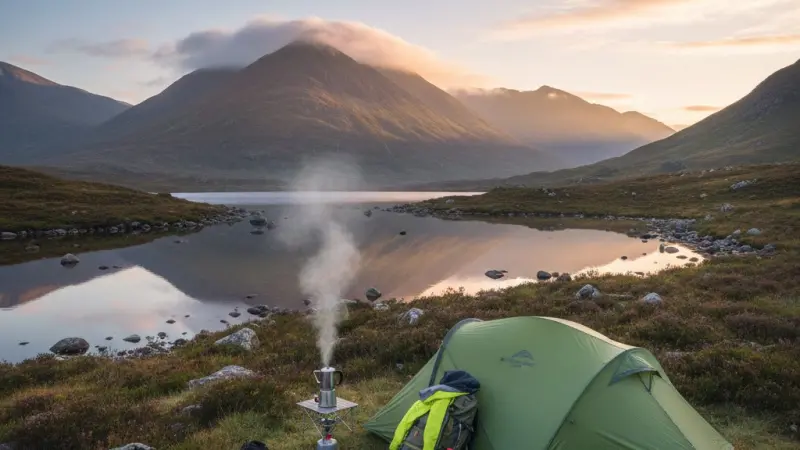
The Great British outdoors has always held a special place in the national psyche. From the rugged peaks of the Lake District to the serene coastlines of Cornwall, camping is more than just a pastime; it is a significant pillar of the UK’s domestic tourism economy. As an expert business analyst, I have observed the Camping Equipment Suppliers sector undergo a profound transformation over the last decade. It is no longer just about basic nylon tents and Primus stoves; it is a high-tech, multi-million-pound industry that caters to everyone from the hardcore wild camper to the luxury 'glamper'.
The economic importance of this sector cannot be overstated. According to recent market data, the UK camping and caravanning market contributes billions to the national GDP annually. This ripple effect benefits not just the manufacturers of the gear, but also the local economies of rural areas where these campsites are located. For a consumer or a retail professional, navigating this space requires a keen eye for quality and a deep understanding of the uk online business directory landscape to find the most reliable sources of equipment.
The sector is underpinned by a complex supply chain involving global manufacturers, specialist independent retailers, and large-scale outdoor chains. For the consumer, the challenge lies in discerning which "must-have" gear is actually essential and which is merely clever marketing. For the business owner, the challenge is standing out in a crowded digital marketplace. This guide serves as the definitive resource for understanding the market, selecting the best gear, and navigating the professional landscape of camping equipment supply in the United Kingdom.
The Landscape of Camping Equipment Suppliers in the UK
The UK camping equipment market is currently in a state of robust health, having evolved significantly following the seismic shifts of the early 2020s. Post-pandemic, the 'staycation' boom led to a surge in demand that the industry had never seen before. This wasn't a temporary spike; it fundamentally changed how Britons holiday. Market research indicates that the outdoor gear market is growing at a compound annual growth rate (CAGR) of approximately 4.5%, with a notable shift toward high-margin, sustainable products.
Key regions of activity remain concentrated in areas with high footfall for outdoor pursuits. The North West (serving the Lake District), Scotland (serving the Highlands), and the South West remain primary hubs for both physical retail stores and distribution centres. However, the rise of e-commerce has decentralised the industry. A supplier based in a small village in the Peak District can now compete with national giants by appearing in a uk business directory website, reaching a national audience without the overheads of a high-street flagship store.
Evolution in the industry has also been driven by demographic shifts. We are seeing a younger, more tech-savvy camper entering the market. These consumers demand lightweight, aesthetically pleasing, and technologically integrated gear. Solar-powered charging stations, GPS-integrated safety equipment, and high-performance technical fabrics are now standard requirements. This shift has forced traditional suppliers to modernise their inventory and their digital presence. To stay relevant, many independent shops are now listed in a uk business directory to ensure they capture the local search traffic that increasingly drives their sales.
Comprehensive Services Breakdown
When we look at the services and products offered by top-tier camping equipment suppliers, the diversity is staggering. It is useful to categorise these into three main pillars: Shelter and Sleep, Cooking and Sustenance, and Technical Apparel.
Shelter and Sleep Systems: This is the core of the industry. Suppliers now offer everything from ultra-lightweight one-person tents for hikers to sprawling, multi-room air-beam tents for families. Innovations in "Blackout" technology and weather-proofing (hydrostatic head ratings) have become major selling points. Furthermore, the sleeping bag market has diversified into season-specific gear, using ethically sourced down or advanced synthetic fibres.
Cooking and Sustenance: Modern camping kitchens are a far cry from a simple campfire. Suppliers provide high-efficiency gas stoves, portable induction hobs for electric hook-up sites, and sophisticated water filtration systems. This niche also includes high-performance coolers and 12V fridges that can keep food fresh for days in remote locations.
Technical Apparel and Footwear: Many suppliers cross over into the "outdoor lifestyle" market, providing waterproof jackets, breathable base layers, and Gore-Tex hiking boots.
For professionals looking to enter this lucrative market or expand their reach, visibility is key. Many successful start-ups in the outdoor niche began by securing a business listing uk to test the waters of digital marketing. By offering specialist services—such as tent repairs or equipment rental—local suppliers can carve out a unique niche that large-scale retailers often ignore. This comprehensive approach to service, combining product sales with expert advice and maintenance, is what defines the most trusted names in the British camping industry.
How to Choose the Right Service Provider
For the consumer, choosing where to buy your gear is as important as the gear itself. A high-quality tent is a significant investment, and you need the assurance of a reputable supplier.
As a business analyst, I recommend a four-point checklist for vetting any camping equipment provider:
Accreditations and Memberships: Look for retailers who are members of the Outdoor Industries Association (OIA). This suggests a commitment to industry standards and ethical practices.
Reviews and Social Proof: In the digital age, a company's reputation is transparent. Check independent review platforms and social media groups. However, the most reliable way to find verified sources is to use a uk local business search to see how they are rated within their specific community.
Insurance and Warranties: Reputable suppliers will offer robust warranties on high-ticket items like tents and stoves. They should also have clear return policies and, ideally, an in-house repair service.
Local Reputation: There is often no substitute for local knowledge. A local shop will know exactly what kind of pegs you need for the rocky soil of the Dales or the sandy ground of the coast.
Finding these gems requires looking beyond the first page of global search engines. Utilising local business listings uk allows consumers to find specialists who may not have the massive SEO budgets of global conglomerates but offer superior service and product expertise. Trust is the currency of the outdoor industry; a supplier who prioritises long-term customer satisfaction over a quick sale is always the better choice.
Industry Challenges & Future Outlook
The camping equipment sector faces several headwinds as we move further into the decade. The most significant challenge is the global supply chain volatility. Fluctuations in shipping costs and the price of raw materials like aluminium and high-tech polymers have forced suppliers to be more agile. Many are now looking toward 'near-shoring'—sourcing components from the UK or Europe to reduce lead times and carbon footprints.
Sustainability is no longer a "nice-to-have"; it is a regulatory and consumer-driven mandate. We are seeing a massive push toward PFC-free waterproof coatings and tents made from recycled PET bottles. Suppliers who fail to adapt to these green initiatives risk being sidelined by a more environmentally conscious consumer base. Technology is also playing a role in "smart camping," where integrated sensors in equipment can monitor weather changes or track equipment health.
To navigate these changes, businesses must stay informed and connected. Many professionals in the sector use a business listing uk to monitor their competition and stay visible to a changing demographic. The future outlook remains positive, provided that suppliers can balance the demand for innovation with the necessity of sustainable practice. Those who leverage digital platforms to communicate their green credentials will likely see the highest growth in the coming years.
Business Tips for Camping Equipment Suppliers Professionals
For those operating within this sector, marketing is often the difference between thriving and surviving. A local camping shop is not just selling products; it is selling an experience and a lifestyle. Therefore, your digital visibility must reflect that.
Content Marketing: Don't just list a tent; write a guide on how to pitch it in high winds. Use video content to demonstrate the pack-down size of chairs or the boil-time of stoves.
SEO and Local Search: Most camping equipment searches start with "near me" or specific location-based queries.
Ensuring your business is prominent on uk verified business listings is the most cost-effective way to capture this high-intent traffic.
Community Engagement: Sponsor local hiking clubs or host "navigation nights" in your store. Building a community around your brand creates loyal customers who will return year after year.
Omnichannel Presence: Ensure your inventory is synced across your physical store, your website, and any third-party platforms.
The importance of digital visibility cannot be overstated. Even the most expert local supplier will struggle if they cannot be found online. By appearing in a uk b2b business directory, you open doors to wholesale opportunities and partnerships with campsite owners. In a niche that relies so heavily on seasonal peaks, having a consistent online presence ensures a steady stream of enquiries even during the off-season.
Wrapping Up & Local Page Integration
The camping equipment industry is a vibrant, essential part of the UK’s retail and tourism landscape. From the technical precision of high-altitude gear to the comfort-focused designs of family camping, the sector continues to innovate and inspire. Whether you are a seasoned adventurer looking for the latest carbon-fibre poles or a first-time camper seeking a reliable sleeping bag, the key is to source your gear from trusted, verified suppliers.
For businesses operating in this space, the digital frontier is where the battle for market share is won. The value of being part of a trusted network cannot be ignored. Local Page serves as the premier solution for UK businesses looking to bridge the gap between their physical expertise and their digital reach. By integrating your business into a high-quality uk local business directory, you ensure that your services are visible to the millions of people planning their next Great British adventure.
Boost Your Visibility with Local Page UK
In the competitive world of outdoor retail and equipment supply, being found by your local audience is the foundation of success. Whether you run a specialist mountaineering shop in Fort William or a family-run camping centre in Devon, your online footprint determines your footfall. We encourage all industry professionals to claim their business listing uk today. Reach more customers, build your local reputation, and ensure that when a camper searches for "trusted gear," your business is at the top of the list.
Frequently Asked Questions
1. What are the essential items for a first-time camper in the UK?
For a first-time camper, the essentials focus on shelter, warmth, and nutrition. You will need a reliable waterproof tent with a high hydrostatic head rating to cope with unpredictable British weather. A season-appropriate sleeping bag and an insulated sleeping mat are crucial for a good night's sleep, as the ground can draw heat away from your body even in summer. For cooking, a simple single-burner gas stove, a basic cookset, and a reliable light source like a headlamp or lantern are necessary. Don't forget a first-aid kit and appropriate waterproof clothing. Many beginners find it helpful to consult a local page uk business directory to find local experts who can provide tailored advice based on their specific destination.
2. How do I choose the right size tent for my family?
When choosing a family tent, the "berth" rating (e.g., 4-man, 6-man) refers to the maximum number of people who can fit side-by-side. For actual comfort, it is widely recommended to "plus-one" your requirement. A family of four will usually be much more comfortable in a 5 or 6-man tent, providing extra space for luggage, a living area for rainy days, and better ventilation.
Consider the height of the tent; being able to stand up makes a significant difference in comfort. Look for features like sewn-in groundsheets to keep out drafts and insects.
3. What is the difference between down and synthetic sleeping bags?
Down sleeping bags are made from the soft under-feathers of ducks or geese. They offer an incredible warmth-to-weight ratio and are highly compressible, making them ideal for hikers. However, they lose their insulating properties if they get wet and are generally more expensive. Synthetic bags are made from polyester fibres; they are bulkier and heavier but retain warmth even when damp and are much easier to clean. For most casual UK campers who are car-camping, a high-quality synthetic bag is often the more practical and cost-effective choice.
4. How can I verify if a camping equipment supplier is reputable?
A reputable supplier should offer clear product descriptions, transparent pricing, and a robust returns policy. Look for physical addresses and UK-based customer service numbers. Checking for industry affiliations, such as the Outdoor Industries Association, can provide extra peace of mind. Furthermore, utilizing independent platforms to read customer feedback is vital. You can find many highly-rated specialists by browsing through local page uk listings to see which businesses have established a strong track record of service and quality within their local communities.
5. Why is digital visibility important for local camping shops?
Digital visibility is critical because the modern consumer journey almost always begins with an online search. Even if a customer intends to buy in-store to get expert advice, they will first search for "camping shops near me" or look for specific product reviews. If your business doesn't appear in these searches, you effectively don't exist to that customer. Being listed on Localpage ensures that your shop is visible at the exact moment a customer is looking for your expertise, helping to drive both online enquiries and physical footfall to your premises.
6. What should I look for in a waterproof jacket for hiking?
When selecting a waterproof jacket, look for the breathability rating alongside the waterproof rating. A jacket with a 10,000mm hydrostatic head is good for moderate rain, while 20,000mm is better for heavy storms. Breathability is measured in g/m², and a higher number means you won't get "sweaty" inside while hiking. Look for features like taped seams, adjustable hoods, and pit zips for extra ventilation. Quality brands will use named technologies like Gore-Tex or their own proprietary high-performance membranes.
7. Is "wild camping" legal in the UK?
In England and Wales, wild camping is generally not legal without the express permission of the landowner, with some specific exceptions in parts of Dartmoor (though this has been subject to legal challenges). In Scotland, however, the Land Reform (Scotland) Act 2003 allows for wild camping on most unenclosed land, provided you follow the Scottish Outdoor Access Code—"leave no trace." Always check local bylaws and respect the environment regardless of where you pitch your tent.
8. How do I maintain my camping gear to make it last longer?
Maintenance is key to longevity. Always ensure your tent is bone-dry before packing it away for long periods to prevent mould and mildew. Clean your stove after every trip to prevent carbon build-up. For waterproof clothing and tents, you may need to "re-proof" them periodically using specialized wash-in or spray-on products that restore the Durable Water Repellent (DWR) coating. Store sleeping bags loose rather than compressed to maintain their "loft" and insulating power.
9. What are air-beam tents, and are they better than poled tents?
Air-beam tents replace traditional fiberglass or steel poles with inflatable beams. The main advantage is speed and ease of pitching; one person can often inflate a large family tent in minutes using a manual or electric pump. They are also very resilient in high winds as the beams flex rather than snap. The downsides are that they are generally heavier and more expensive than poled versions. For many families, the time saved during setup makes them a worthwhile investment.
10. What is a "hydrostatic head" rating?
The hydrostatic head (HH) rating measures how waterproof a fabric is. It represents the height of a column of water (in millimetres) that the fabric can withstand before water starts to seep through. In the UK, a rating of at least 2,000mm is considered waterproof, but for frequent use in our climate, ratings of 3,000mm to 5,000mm are preferred for tents to ensure they remain dry during prolonged heavy downpours.
11. How do I stay warm while camping in the shoulder seasons?
Layering is the secret to staying warm. Use a moisture-wicking base layer, an insulating mid-layer (like fleece), and a windproof outer shell. For sleeping, use a thermal liner inside your sleeping bag and wear a hat, as a lot of heat is lost through the head. Most importantly, ensure you have a high-quality insulated sleeping mat; a R-value (insulation rating) of 3 or higher is recommended for autumn and spring camping to block the cold from the ground.
12. Are portable solar panels effective for UK camping?
Yes, modern portable solar panels are quite efficient, even in overcast conditions. They are perfect for keeping phones, power banks, and headlamps charged. To get the most out of them, look for panels with high-efficiency monocrystalline cells. They work best when angled directly toward the sun and used to charge a power bank during the day, which can then be used to charge your devices at night.
13. What should be in a basic camping first-aid kit?
A basic kit should include antiseptic wipes, various sizes of waterproof plasters, sterile gauze pads, medical tape, and bandages. Tweezers are essential for removing splinters or ticks. You should also include antihistamines for insect bites, painkillers (paracetamol/ibuprofen), and any personal medications. Many campers also pack rehydration salts and blister pads (like Compeed), which are invaluable after a long day of hiking.
14. How can I camp more sustainably?
Sustainable camping starts with the principle of "Leave No Trace." Carry out all rubbish, avoid using single-use plastics, and use biodegradable soaps and detergents. Choose gear made from recycled materials or brands that offer repair services to extend the life of your products.
Avoid making campfires unless in designated pits; use a high-efficiency gas stove instead. Staying at eco-friendly campsites that use renewable energy and water-saving systems also reduces your environmental impact.
15. Where can I find a list of local camping equipment experts?
Finding a local expert who understands the specific terrain and weather of your destination is invaluable. These smaller, specialized retailers often offer services like equipment hire, custom boot fitting, and expert repair work that you won't find at large national chains. To find these businesses, it is best to use a specialized directory. By searching on Local page, you can discover a wide range of verified local businesses that specialize in outdoor gear, ensuring you get the best equipment and advice for your needs.
Disclaimer: The information provided in this article is for general informational and research purposes only. Company details, features, services, and market positions may change over time. Readers are advised to visit official company websites and conduct independent research before making any business decisions or purchasing services.
Most Searchable Keywords
Recent Blogs


Related Listings

Categories
- Accountants (295)
- Advertising Agencies (559)
- Architects (149)
- Automobiles (377)
- Beauty (300)
- Carpenters (146)
- Cleaning Services (387)
- Dentists (189)
- Driving (62)
- Education (1)
- Electricians (215)
- Energy (8)
- Event Organiser (687)
- Finance (602)
- Guide (3439)
- Health (2207)
- Information technology (206)
- Legal Services (361)
- Logistics (6)
- Maintenance (65)
Sponsored Listings in Legal Services
Related Blogs
When Is My MOT Due Free Check and Common Fail...
Read this insightful article "When Is My MOT Due Free Check and Common Failures" to expand your knowledge!

Lost V5C Log Book Cost Timescale and Rules
Read this insightful article "Lost V5C Log Book Cost Timescale and Rules" to expand your knowledge!

Intensive Driving Courses: Costs Pass Rates a...
Read this insightful article "Intensive Driving Courses: Costs Pass Rates and Who They Suit" to expand your knowledge!
Questions & Answers – Find What
You Need, Instantly!
How can I update my business listing?
Is it free to manage my business listing?
How long does it take for my updates to reflect?
Why is it important to keep my listing updated?
