
Can Manufacturing Explained: Materials, Quality & Supply Chains
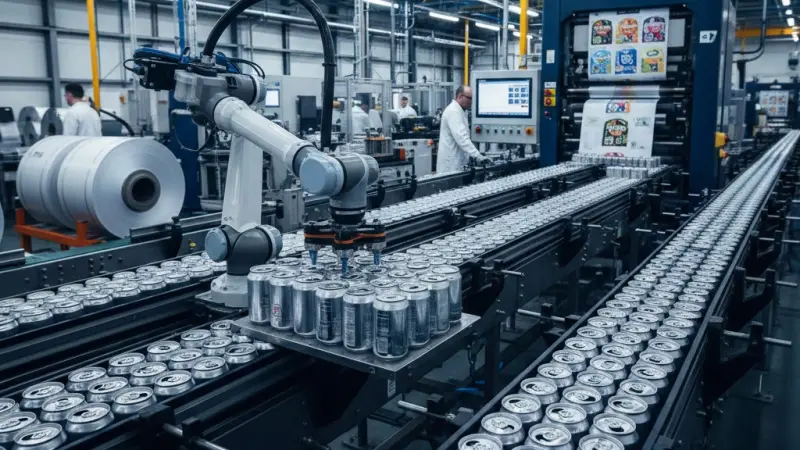
The can manufacturing sector in the United Kingdom represents a cornerstone of the nation’s industrial heritage and a vital component of its modern circular economy. Often overlooked by the end consumer, the humble metal can is a marvel of engineering, requiring high-precision manufacturing techniques, complex supply chain logistics, and rigorous quality assurance protocols. In the UK, this industry is not merely about producing containers; it is a high-tech sector that supports thousands of jobs and contributes significantly to the GDP through both domestic supply and international exports.
Historically, the UK has been a leader in metal packaging innovation. From the early days of tinplate to the modern era of high-speed aluminum two-piece can production, the industry has evolved to meet the demands of a fast-moving consumer goods (FMCG) market. Today, the sector is driven by the beverage and food industries, which increasingly rely on cans for their superior barrier properties, durability, and, crucially, their infinite recyclability. As the UK pushes toward "Net Zero" targets, the manufacturing sector has found itself at the forefront of sustainable packaging discussions.
The economic importance of can manufacturing cannot be overstated. With a turnover in the billions, the industry supports a vast network of chemical suppliers, coating specialists, logistics firms, and machinery engineers. It is a highly capital-intensive industry, where a single production line can produce upwards of 2,000 cans per minute. This level of efficiency is what allows the UK to remain competitive on a global scale. Furthermore, the industry is a key pillar of local economies in specific industrial heartlands, providing stable, skilled employment in regions that have seen other manufacturing sectors decline. Understanding this landscape is essential for anyone involved in procurement, packaging design, or industrial investment in the UK.
The Landscape of Can Mnfrs in the UK
The current landscape of can manufacturing in the UK is characterized by consolidation and high-tech integration. While the market is dominated by a few global players with significant footprints in Britain, there remains a robust network of specialized manufacturers serving niche sectors like luxury goods, industrial chemicals, and artisanal foods. Currently, the market size reflects a post-pandemic surge in at-home consumption, particularly in the beverage sector where canned craft ales, sodas, and sparkling waters have seen exponential growth.
Geographically, activity is concentrated in regions with strong industrial links, such as the East Midlands, South Wales, and the North East of England. These hubs benefit from proximity to steel and aluminum processing plants, as well as major transport arteries that facilitate the distribution of empty cans to filling plants across the country. Post-pandemic, the industry has shifted its focus toward supply chain resilience. The disruptions of 2020-2022 highlighted the risks of over-reliance on international raw material markets, leading many UK firms to seek closer ties with a uk online business directory to source local engineering support and maintenance services.
Evolution in the sector has also been marked by a move toward "smart manufacturing." Industry 4.0 technologies, including IoT sensors on production lines and AI-driven predictive maintenance, are now standard in top-tier UK facilities. This evolution ensures that the UK remains a hub for manufacturing excellence, capable of producing billions of units annually with minimal waste. The resilience of the sector is a testament to its ability to adapt to changing consumer habits and regulatory pressures, ensuring that the metal can remains the preferred choice for brands looking for a balance of performance and sustainability.
Comprehensive Services Breakdown
The services provided within the can manufacturing niche are diverse, ranging from basic material processing to high-end decorative finishes. At its core, the industry is divided into two-piece and three-piece can manufacturing.
Two-Piece Can Production: Primarily used for beverages, these cans are made from a single piece of aluminum or steel that is "drawn and ironed" to form the body, with a separate end (lid) seamed on after filling. The precision required here is immense, as the walls of the can are often thinner than a human hair.
Three-Piece Can Production: Typically used for food, aerosols, and industrial products, these consist of a rectangular body sheet rolled into a cylinder and welded, with a top and bottom end attached. This method allows for a wider variety of shapes and sizes.
Coating and Lining Services: Internal lacquers are critical to prevent interaction between the product and the metal. Manufacturers now offer BPA-free linings to meet modern health and safety standards.
Lithographic Printing and Branding: Modern cans are used as a 360-degree canvas for branding. Services include high-definition printing, tactile finishes, and even thermo-chromic inks that change color when the product is cold.
Prototyping and R&D: For new brands, manufacturers offer small-batch prototyping to test shelf-life and consumer appeal.
Specialist providers also offer consultancy on lightweighting—the process of reducing the amount of metal used per can without compromising structural integrity. This service is highly sought after as it directly reduces both material costs and carbon footprints. Businesses looking for these specialized services can often find a free online business directory uk to identify smaller, niche manufacturers who handle bespoke projects that the larger industrial giants might decline. Whether it’s a standard 330ml beverage can or a decorative tin for a high-end confectionery brand, the UK service landscape is equipped to handle the full lifecycle of the product.
How to Choose the Right Service Provider
Selecting a manufacturing partner in the can sector is a decision that impacts product safety, brand reputation, and the bottom line. For British businesses, the criteria for selection should go beyond price.
Accreditations and Compliance: Ensure the provider holds ISO 9001 (Quality Management) and ISO 14001 (Environmental Management) certifications. For food and beverage, BRCGS (British Retail Consortium Global Standards) certification is non-negotiable.
Quality Control Protocols: Ask about their testing procedures. Do they use automated vision systems to detect flaws? What are their tolerances for seam integrity and internal pressure?
Sustainability Credentials: In the modern market, a provider's commitment to the circular economy is vital. Investigate their recycled content ratios and energy-saving initiatives.
Insurance and Risk Management: Manufacturing involves high-value machinery and flammable coatings. A reputable provider should have comprehensive product liability and business interruption insurance.
Reviews and Reputation: Look for long-term partnerships. A manufacturer that has held contracts with major UK retailers for years is likely reliable.
For many procurement managers, finding local business listings uk is the first step in identifying nearby facilities to reduce "food miles" and logistics costs. Choosing a local provider also allows for more frequent site visits and a more collaborative relationship during the design and trial phases. Ultimately, the right provider is one that views themselves as an extension of your own supply chain, offering transparency and reliability in equal measure.
Industry Challenges & Future Outlook
The can manufacturing industry faces a unique set of challenges as it navigates the mid-2020s. The most pressing is the "Green Transition." While metal is infinitely recyclable, the energy required for primary smelting (particularly aluminum) is high. The industry is currently investing heavily in "Green Aluminum" and hydrogen-powered kilns to mitigate this. Regulatory changes, such as the UK’s Plastic Packaging Tax, have actually benefited the metal sector as brands migrate away from single-use plastics. However, the proposed Deposit Return Schemes (DRS) across the UK pose a logistical challenge that manufacturers must help manage.
Technological shifts are also disruptive. Digital printing is becoming more viable for shorter runs, allowing craft breweries to order smaller quantities of cans without the high setup costs of traditional lithography. This democratisation of the packaging world is a significant trend. Furthermore, the industry must navigate the rising costs of raw materials and energy in the UK. Many firms are turning to a business listing uk to find more cost-effective regional suppliers for auxiliary services like palletisation and local freight.
The future outlook remains positive. The demand for canned water and wine is rising, and the aerosol market is seeing a resurgence in personal care. As long as manufacturers continue to innovate in "easy-open" technology and decorative aesthetics, the metal can will remain a staple of British households. The key to future success lies in data—using big data to optimize supply chains and reduce the "empty miles" driven by delivery trucks.
Business Tips for Can Mnfrs Professionals
For those operating a business in the can manufacturing or related engineering sectors, visibility is the primary driver of growth.
While the industry relies heavily on long-term B2B contracts, the discovery phase for new clients increasingly happens online.
Digital Visibility: It is no longer enough to rely on word-of-mouth. Technical buyers and procurement officers use search engines to find specialized service providers. Ensuring your business appears in uk verified business listings is a fundamental SEO strategy.
Content Marketing: Publish whitepapers on material science or case studies on how you helped a brand reduce their carbon footprint. This establishes authority.
LinkedIn Networking: The manufacturing sector is active on LinkedIn. Share videos of your production line (where IP allows) to demonstrate your facility's scale and cleanliness.
Local SEO: Even for a national manufacturer, local presence matters. Many businesses prefer to work with regional partners to simplify logistics.
Marketing a local business in this sector requires a blend of traditional "relationship selling" and modern digital presence. If your facility offers specialized services like internal coating for acidic beverages or high-embossed decorative lids, make sure these keywords are prominent on your digital profiles. Being easily discoverable in the right directories ensures that when a procurement manager is searching for a local partner, your name is at the top of the list.
Wrapping Up & Local Page Integration
The UK can manufacturing industry is a resilient, innovative, and essential part of the British economy. From the complex metallurgy involved in creating high-strength alloys to the artistic precision of modern branding, it is an industry that perfectly blends science and commerce. As we move toward a more sustainable future, the metal can's role as a champion of the circular economy will only grow stronger.
For businesses operating within this sphere—whether you are a major manufacturer, a specialized coating provider, or an engineering firm—staying connected to the wider UK business community is vital. This is where Local Page UK provides immense value. By acting as a central hub for British commerce, it allows manufacturers to bridge the gap between their industrial facilities and the businesses that need their products. In an age where digital presence defines commercial success, being part of a trusted uk business directory is the smartest move a manufacturing professional can make.
Boost Your Visibility with Local Page UK
In the competitive world of UK manufacturing, being seen by the right procurement officers is the difference between a full order book and a quiet factory floor. Local Page UK offers a dedicated platform designed to highlight the strengths of British businesses. Whether you are looking to source a new partner or want to ensure your services are found by the next big beverage brand, our directory is the tool you need. We encourage all industry professionals to claim their business listing uk today. Join thousands of other verified UK businesses and start building the digital authority your craftsmanship deserves.
Frequently Asked Questions
Are aluminum cans or steel cans more common in the UK?
In the UK, both materials have significant market shares, but their usage depends on the product. Aluminum is the dominant material for the beverage industry due to its lightweight nature and cooling properties.
Steel remains the standard for food cans because of its superior strength and heat resistance during the canning process. Both are highly sustainable and widely recycled across the country.
What is the recycling rate for cans in the United Kingdom?
The UK boasts one of the highest recycling rates for metal packaging in Europe. Beverage cans, in particular, often see recycling rates exceeding 75%. Because metal is a permanent material, it can be recycled infinitely without losing quality. This makes it a preferred choice for brands focusing on ESG goals and helps the UK move toward its waste reduction targets.
How are internal coatings applied to cans?
Internal coatings are typically sprayed onto the inside of the can body before the lid is attached. This layer is then cured in high-temperature ovens. The purpose is to create a barrier between the product and the metal, preventing corrosion and ensuring the flavor of the food or beverage remains untainted over a long shelf life.
Can I manufacture custom-shaped cans for my brand?
Yes, three-piece manufacturing allows for a variety of shapes including rectangular, oval, and even embossed designs. While two-piece beverage cans are more standardized in shape (standard, slim, and sleek), custom printing and tactile finishes can make them stand out. Custom shapes often require higher minimum order quantities due to specialized tooling.
How do I find a reliable can manufacturer near me?
Finding a reliable partner involves checking industry credentials and local availability. Using a specialized search tool can help you identify manufacturers with the right capacity for your project. For those searching for verified options in the UK, checking Localpage is an excellent way to browse reputable service providers and manufacturers in your specific region.
What is "lightweighting" in can manufacturing?
Lightweighting is the engineering process of reducing the thickness of the metal used to make a can without compromising its structural integrity. This reduces material costs and shipping weight, which in turn lowers the carbon footprint of the product. Modern cans use significantly less metal than those produced twenty years ago.
What is the difference between two-piece and three-piece cans?
A two-piece can consists of a body and a base integrated into one piece, with a lid seamed on top. It is common for drinks. A three-piece can consists of a cylindrical body, a bottom end, and a top lid. Three-piece cans are more versatile for food and industrial products where different heights and diameters are needed.
Are modern can linings safe for health?
Yes, the industry has largely transitioned away from older chemicals like BPA in response to consumer demand and health regulations. Modern linings are rigorously tested and compliant with UK Food Standards Agency guidelines to ensure they are safe for long-term contact with food and beverages of all pH levels.
How fast are modern can production lines?
Top-tier manufacturing facilities in the UK utilize high-speed machinery capable of producing over 2,000 beverage cans per minute. This high-volume output is necessary to meet the massive demand of the FMCG market and ensures that the unit cost per can remains low for the brand owner.
What is the shelf life of a canned product?
Canned goods are known for their exceptional shelf life, often lasting 2 to 5 years or even longer depending on the contents. Because the can provides a total barrier to light and oxygen, the product inside is protected from spoilage better than almost any other packaging format, provided the seal remains intact.
Can craft breweries order small quantities of cans?
Traditionally, high minimum orders were a barrier, but the rise of mobile canning services and digital printing has changed this. Small breweries can now purchase "blank" cans and use shrink sleeves or digital labels, or work with smaller manufacturers who offer more flexible production runs to suit the craft market.
How does the Deposit Return Scheme (DRS) affect manufacturers?
The DRS is designed to increase recycling rates by adding a small deposit to the price of a can, which is refunded when the consumer returns it. For manufacturers, this involves updating labeling to include specific barcodes and ensuring their materials are compatible with the sorting technology used in the scheme.
What is the impact of energy prices on UK manufacturing?
Energy is a significant cost in metal manufacturing, particularly during the smelting and curing processes. Many UK manufacturers are investing in onsite renewable energy, such as solar arrays on factory roofs, and improving heat recovery systems within their plants to stay competitive despite fluctuating energy markets.
What decorative finishes are available for metal cans?
Beyond standard printing, manufacturers offer matte finishes, gloss coatings, pearlescent inks, and embossing. Some even offer "functional" inks that change color when the temperature
drops, telling the consumer the drink is perfectly chilled. These finishes are essential for premium brand positioning in the retail environment.
How can I get my manufacturing business listed for free?
Listing your business on a reputable directory is a straightforward process that boosts your SEO and helps potential clients find you. By providing your contact details and a description of your services, you can increase your digital footprint. For a reliable British directory experience, visit Local page to set up your profile and join the network.
Disclaimer: The information provided in this article is for general informational and research purposes only. Company details, features, services, and market positions may change over time. Readers are advised to visit official company websites and conduct independent research before making any business decisions or purchasing services.
Most Searchable Keywords
Recent Blogs


Related Listings
Categories
- Accountants (295)
- Advertising Agencies (559)
- Architects (149)
- Automobiles (377)
- Beauty (300)
- Carpenters (146)
- Cleaning Services (387)
- Dentists (189)
- Driving (62)
- Electricians (215)
- Energy (8)
- Event Organiser (686)
- Finance (602)
- Guide (3373)
- Health (2207)
- Information technology (206)
- Legal Services (353)
- Logistics (6)
- Maintenance (65)
- Manufacturing (35)
Sponsored Listings in Travel Agencies


Related Blogs

Explore Dog Friendly Walks in the Cotswolds f...
Read this insightful article "Explore Dog Friendly Walks in the Cotswolds for 2026" to expand your knowledge!

How Much Do UK Actors Really Earn Full Indust...
Read this insightful article "How Much Do UK Actors Really Earn Full Industry Breakdown" to expand your knowledge!

Blue Light Card UK 2026 Check Eligibility and...
Read this insightful article "Blue Light Card UK 2026 Check Eligibility and Claim" to expand your knowledge!
Questions & Answers – Find What
You Need, Instantly!
How can I update my business listing?
Is it free to manage my business listing?
How long does it take for my updates to reflect?
Why is it important to keep my listing updated?
