
Cash & Carry Wholesalers Guide for Smart Bulk Purchasing
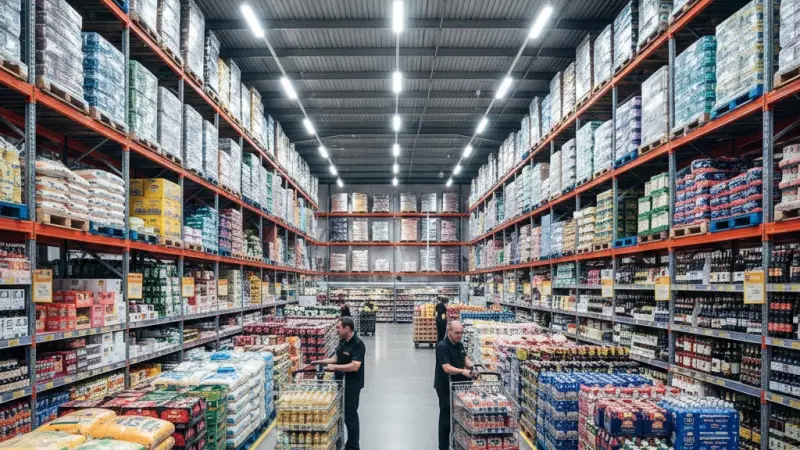
The British economy is built on a foundation of independent trade, and at the heart of this ecosystem lies the Cash & Carry Wholesalers sector. For decades, these sprawling warehouses have served as the vital link between global manufacturers and the local high street. In the United Kingdom, the "Cash & Carry" model—whereby retailers and caterers visit a warehouse, select their goods, and pay for them on the spot—remains a cornerstone of the supply chain. Its economic importance cannot be overstated; the sector supports hundreds of thousands of jobs and ensures that independent grocers, restaurateurs, and small-scale entrepreneurs can compete with national supermarket chains.
The allure of the Cash & Carry wholesaler lies in its efficiency and immediacy. Unlike traditional delivered wholesale models, which may involve lead times and minimum order quantities that strain a small business's cash flow, the Cash & Carry format allows for "just-in-time" inventory management. This flexibility is essential in a volatile economic climate where consumer trends can shift overnight. From the bustling industrial estates of Park Royal in London to the commercial hubs of Greater Manchester and the West Midlands, these wholesalers provide the lifeblood for the UK’s vibrant hospitality and retail sectors.
As we navigate an era of digital transformation, the traditional warehouse model is evolving. However, the fundamental value proposition—competitive pricing through bulk purchasing and immediate availability—remains unchanged. For any entrepreneur looking to maximize margins, understanding how to navigate this sector is paramount. Whether you are a seasoned trader or a newcomer, utilizing a uk local business directory to identify the most reputable wholesalers in your region is the first step toward a successful procurement strategy.
The Landscape of Cash & Carry Wholesalers in the UK
The current landscape of the UK wholesale industry is characterized by a blend of massive national players and specialized regional operators. Estimates suggest the UK wholesale market is worth billions, with the Cash & Carry segment accounting for a significant portion of total food and drink distribution. Following the seismic shifts of the post-pandemic era, the industry has shown remarkable resilience. During the lockdowns, wholesalers had to pivot rapidly, often opening their doors to the general public for the first time or accelerating their digital capabilities to handle a surge in demand from the "stay-at-home" economy.
Geographically, activity is concentrated around major urban centres. London and the South East remain dominant due to the sheer density of independent convenience stores and ethnic food retailers. However, the "Northern Powerhouse" regions, particularly West Yorkshire and the North West, boast some of the largest and most technologically advanced warehouses in Europe. Post-pandemic, we have seen a trend toward "hybrid" wholesaling—where traditional physical sites are augmented by sophisticated "click and collect" and delivery services.
The evolution of the industry has also been marked by consolidation. Large groups have acquired smaller independent depots to achieve better economies of scale. Despite this, the independent sector thrives by offering niche products and localized service that national giants often overlook. For a business owner, finding the right partner in this crowded market requires research. Consulting a find local businesses uk platform can help traders compare depot locations and specialities. Today’s Cash & Carry is no longer just a warehouse; it is a business hub offering financial services, menu planning for caterers, and retail advice for shopkeepers.
Comprehensive Services Breakdown
Navigating a modern Cash & Carry is an exercise in logistical precision. The range of products and services offered has expanded far beyond simple "dry grocery" items. Today, a comprehensive wholesaler provides a "one-stop-shop" experience designed to save the business owner time and fuel.
Fresh and Chilled Produce: High-end wholesalers now feature temperature-controlled environments that rival professional cold storage facilities. This includes butcheries on-site, fresh fish counters, and daily deliveries of farm-fresh fruit and vegetables.
Alcohol and Tobacco: This remains a high-volume area. Wholesalers must navigate complex UK excise duties while offering a vast array of spirits, wines, beers, and tobacco products.
Catering Supplies: Beyond food, this niche covers professional kitchen equipment, cleaning chemicals, and "disposables" (packaging, cutlery, and napkins), which are essential for the thriving UK takeaway and street food scene.
Private Label Brands: To help small businesses improve their margins, many wholesalers have developed high-quality "own-brand" ranges. These products offer a lower price point than national brands without compromising on quality.
Digital and Value-Added Services: Many depots now offer VAT-ready invoicing apps, loyalty schemes, and even business insurance referrals.
For businesses operating in this space, maintaining visibility is key. To ensure their services reach the right audience, savvy wholesalers often list their depots on a business listing uk to capture the attention of local buyers. By diversifying their service offering, wholesalers have moved from being simple suppliers to becoming strategic partners. The ability to source everything from a sack of basmati rice to a high-tech espresso machine under one roof is what keeps the Cash & Carry model relevant in 2024.
How to Choose the Right Service Provider
Selecting the right Cash & Carry partner is one of the most critical decisions a business owner will make. Price is a major factor, but it should not be the only one. Reliability, product range, and ethical standards are equally important in building a sustainable supply chain.
First, look for Accreditations. In the UK, wholesalers should ideally be members of the Federation of Wholesale Distributors (FWD). For food safety, look for BRCGS (British Retail Consortium Global Standards) certification. These badges of honor ensure that the wholesaler adheres to strict hygiene and operational standards.
Second, consider Reviews and Reputation. A wholesaler might have the lowest prices, but if their stock levels are inconsistent or their customer service is poor, it will cost you more in the long run. Use uk verified business listings to check the experiences of other professional buyers. Local reputation is everything in the trade; ask other local shopkeepers or chefs where they source their goods.
Third, check Insurance and Liability. Ensure the wholesaler has the necessary public and product liability insurance, especially if you are purchasing equipment or bulk food items that carry specific risks.
Finally, evaluate Location and Accessibility. Fuel costs are a significant overhead for small businesses. A wholesaler that is 30 miles away might offer a 2% discount, but if you are spending two hours in traffic, that saving is negated. Use a uk local business search to find the nearest depots to your base of operations. A local partner often understands the specific demographics of your area and can suggest stock that is likely to sell well in your particular postcode.
Industry Challenges & Future Outlook
The Cash & Carry sector is currently facing a "perfect storm" of challenges, ranging from inflationary pressures to rapid technological shifts. The "cost of doing business" crisis in the UK has seen energy bills for large refrigerated warehouses skyrocket, forcing many to implement aggressive efficiency measures.
Technology Shifts: We are seeing the rise of AI-driven inventory management. Wholesalers are using data to predict when certain products will spike in demand, reducing waste and ensuring shelves are always stocked. Furthermore, the integration of e-commerce is no longer optional. The most successful operators are those that allow a shopkeeper to order on an app at midnight and collect the goods at 6:00 AM.
Sustainability/Green Initiatives: The UK's "Net Zero" targets are heavily impacting the sector. There is a massive push toward reducing plastic packaging in bulk goods and transitioning delivery fleets to electric vehicles. Wholesalers who do not adopt green policies may find themselves sidelined by increasingly eco-conscious retailers. Many are now advertising their sustainability credentials on a business listing uk to attract modern clients.
Regulatory Changes: Post-Brexit, the UK has implemented new labelling and import requirements for food products. This has added a layer of bureaucracy that wholesalers must navigate to ensure they don't fall foul of the law. Despite these hurdles, the future remains bright for those who adapt. We expect to see more "dark warehouses" (automated hubs) and a continued focus on the "circular economy," where waste is minimized through better redistribution of short-dated stock.
Business Tips for Cash & Carry Wholesalers Professionals
If you are a professional operating within the wholesale sector, the competition is fiercer than ever. Standing out requires more than just a large warehouse and a fork-lift truck; it requires a sophisticated marketing strategy.
Digital Visibility: In the digital age, if you aren't visible online, you don't exist. Many wholesalers mistakenly believe that because they are B2B, they don't need a strong web presence.
This is a fallacy. Buyers start their search on their smartphones. Ensuring your business appears in uk service listings is the bare minimum for modern competition.
Content Marketing: Become a thought leader. Provide your customers with guides on how to improve their retail layout or how to manage food waste in a professional kitchen. This builds trust and positions you as a partner, not just a vendor.
Local SEO: Use local keywords in your online profiles. If your depot is in Leeds, make sure you are targeting "Wholesale food Leeds" or "Bulk catering supplies West Yorkshire." Claiming and optimizing your local business listings uk will ensure that when a local restaurant owner searches for a supplier, your name appears at the top.
Networking: Engage with the local community. Sponsor a local football team or host "tasting events" at your depot. Personal relationships still drive the wholesale trade in Britain. Combining this "boots on the ground" approach with a robust digital strategy is the secret to long-term growth.
Wrapping Up & Local Page Integration
The Cash & Carry Wholesalers industry remains the backbone of the UK’s independent trade. By providing the tools for small businesses to thrive, these wholesalers foster entrepreneurship and community resilience. However, as we have explored, the key to success in this sector—whether you are buying or selling—is information and visibility.
For the smart buyer, knowing which wholesalers offer the best value and most reliable service is essential for maintaining a healthy bottom line. For the wholesaler, ensuring that your depot is easily discoverable by the thousands of businesses searching for supplies daily is the difference between stagnation and growth.
In this competitive landscape, Local Page serves as the premier solution for UK businesses. By bridging the gap between service providers and professional buyers, it streamlines the procurement process. Whether you are looking for a niche spice importer or a massive general wholesaler, using a comprehensive uk b2b business directory ensures you have the data you need at your fingertips. As the industry continues to evolve, staying connected through trusted local platforms will be the most important strategy of all.
Boost Your Visibility with Local Page UK
For businesses operating in the Cash & Carry Wholesalers sector, being found online is no longer a luxury—it is a critical necessity. In an era where 90% of B2B buyers start their journey with a search engine, your digital footprint determines your market share.
If you own or manage a wholesale depot, a specialized food service, or any business in the UK, you need to be where your customers are looking. We encourage you to claim your business listing uk on Local Page UK today. This simple step allows you to showcase your services, list your contact details, and improve your local SEO rankings instantly. Don't let your competitors take your spot in the search results; join the UK's most trusted business community and start reaching more customers today.
FAQs
1. What exactly is a Cash & Carry wholesaler?
A Cash & Carry wholesaler is a large-scale warehouse where registered business customers (such as shopkeepers, caterers, and organizations) can browse and purchase goods in bulk.
Unlike traditional wholesale, where goods are delivered on credit, the Cash & Carry model usually involves the customer selecting their items, paying for them immediately, and transporting them themselves.
2. Who is eligible to shop at a UK Cash & Carry?
In the UK, these wholesalers are typically B2B (Business to Business). This means you usually need a trade card or membership. To get one, you must provide proof of business, such as a VAT registration certificate, a utility bill in the business name, or a business bank statement. Some wholesalers occasionally offer limited access to the public or specific professional groups (like NHS staff).
3. How can I find the best Cash & Carry near me?
The most efficient way to locate a reputable wholesaler is to use a dedicated online search tool. By searching through a verified local database, you can compare different depots based on their specialities, opening hours, and location. This ensures you find a partner that fits your specific logistical needs without wasting fuel on long journeys.
4. Are prices always cheaper at a Cash & Carry compared to supermarkets?
Generally, yes, especially when buying in bulk or purchasing "caterer-sized" packs. Wholesalers operate on high volumes and lower margins. Furthermore, businesses can often take advantage of "case rates" and exclusive trade-only promotions. However, it is always wise to keep an eye on "loss leaders" in retail supermarkets which can occasionally be very competitive.
5. Why is digital visibility important for a local wholesaler?
Even though the transaction happens in a physical warehouse, the discovery phase happens online. If a new restaurant owner moves into the area, their first action will be to search for "wholesalers near me." If your business isn't listed on a platform like Localpage, you are essentially invisible to a huge portion of your potential market.
6. What are the benefits of buying "Private Label" wholesale brands?
Private label or "own-brand" products are designed to offer the same quality as national brands but at a significantly lower price point. For a small retailer or cafe, switching to these brands can increase profit margins by 10% to 20%. Most major UK wholesalers invest heavily in the quality control of these ranges to ensure customer loyalty.
7. Do Cash & Carry wholesalers offer delivery services?
Historically, the model was strictly "collect only." However, post-pandemic, almost all major UK wholesalers now offer a hybrid model. Many provide delivery for a fee, often with a minimum spend requirement. This is particularly popular for heavy or bulky items like soft drinks or large sacks of flour that are difficult for small business owners to transport.
8. How does the "Click and Collect" system work in wholesale?
Similar to retail, you place your order through the wholesaler's website or app. The depot staff then pick and pack the order for you. You simply drive to a designated bay at the warehouse, pay, and load your vehicle. This saves hours of browsing time and allows for much tighter inventory management for the business owner.
9. What should I do if a product I need is out of stock?
Stockouts can happen due to supply chain issues. It is always best to have a relationship with at least two different wholesalers. If your primary supplier is out of stock, check your secondary list. This is where having access to a broad directory of local suppliers becomes invaluable for maintaining your business's service levels.
10. Are there specific regulations for buying alcohol in bulk?
Yes. In the UK, wholesalers selling alcohol must be registered with the Alcohol Wholesaler Registration Scheme (AWRS). As a buyer, you have a legal obligation to ensure that the wholesaler you are buying from has a valid AWRS Unique Reference Number (URN). Failure to check this could lead to your stock being seized by HMRC.
11. Can I return items to a Cash & Carry?
Return policies in the wholesale trade are much stricter than in consumer retail. Generally, perishable goods cannot be returned unless they are faulty. Non-perishables may be returned within a specific timeframe (often 24-48 hours) if the packaging is unopened and you have the original receipt. Always check the specific terms and conditions of your depot.
12. How do wholesalers help with business advice?
Many large UK wholesalers offer "Retail Development" programs. They can help you with planograms (shelf layouts), advise you on which products are trending in your area, and even provide POS (Point of Sale) materials to help you sell more effectively to your own customers. They succeed only when you succeed.
13. Is it possible to negotiate prices at a wholesaler?
For standard shelf items, the price is usually fixed. However, if you are a high-volume buyer or are looking to place a very large one-off order (for a large event, for example), it is always worth speaking to the Depot Manager. They may be able to offer a volume discount or a special "pallet price."
14. What are the common payment methods accepted?
Most UK wholesalers accept debit cards and cash (within legal limits regarding anti-money laundering regulations). Some offer "Trade Credit" accounts, but these usually require a credit check and a period of consistent trading history.
Credit cards are often accepted but may sometimes incur a small surcharge in a B2B environment.
15. How do I keep my business data updated in the directory?
To ensure your business remains reachable, you should regularly audit your online listings. Ensure your phone number, opening hours, and address are always correct. If you change your services or move locations, updating your profile on Local page is the fastest way to inform the trade community of your new details.
Disclaimer: The information provided in this article is for general informational and research purposes only. Company details, features, services, and market positions may change over time. Readers are advised to visit official company websites and conduct independent research before making any business decisions or purchasing services.
Most Searchable Keywords
Recent Blogs


Related Listings

Categories
- Accountants (295)
- Advertising Agencies (559)
- Architects (149)
- Automobiles (377)
- Beauty (300)
- Carpenters (146)
- Cleaning Services (387)
- Dentists (189)
- Driving (62)
- Electricians (215)
- Energy (8)
- Event Organiser (686)
- Finance (602)
- Guide (3373)
- Health (2207)
- Information technology (206)
- Legal Services (353)
- Logistics (6)
- Maintenance (65)
- Manufacturing (35)
Sponsored Listings in Travel Agencies


Related Blogs

Explore Dog Friendly Walks in the Cotswolds f...
Read this insightful article "Explore Dog Friendly Walks in the Cotswolds for 2026" to expand your knowledge!

How Much Do UK Actors Really Earn Full Indust...
Read this insightful article "How Much Do UK Actors Really Earn Full Industry Breakdown" to expand your knowledge!

Blue Light Card UK 2026 Check Eligibility and...
Read this insightful article "Blue Light Card UK 2026 Check Eligibility and Claim" to expand your knowledge!
Questions & Answers – Find What
You Need, Instantly!
How can I update my business listing?
Is it free to manage my business listing?
How long does it take for my updates to reflect?
Why is it important to keep my listing updated?
