
Catering Equipment Servicing & Repairs to Prevent Costly Downtime
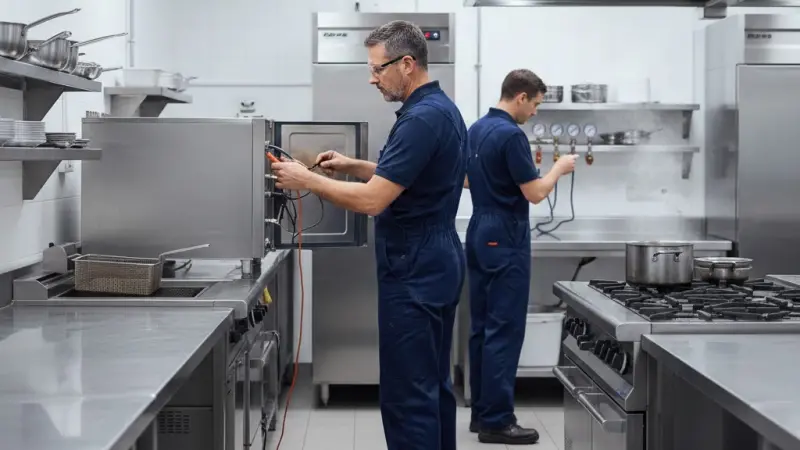
The UK hospitality sector is a cornerstone of the national economy, contributing billions in GVA annually. However, behind every successful Michelin-starred restaurant, bustling school canteen, or high-volume hospital kitchen lies a complex infrastructure of heavy-duty machinery. Catering Equipment – Servicing & Repairs is the invisible pulse that keeps this heart beating. In a high-pressure environment where a single failed combi-oven or walk-in freezer can lead to thousands of pounds in lost revenue and wasted stock, the role of professional maintenance cannot be overstated.
For UK business owners, the stakes have never been higher. With rising energy costs and thin profit margins, "downtime" is more than an inconvenience; it is a financial threat. This guide explores the critical nature of preventative maintenance and the robust ecosystem of technicians across the country. Whether you are an operator looking for a reliable partner or a specialist providing these services, understanding the local page uk business directory landscape is essential for operational continuity. We will delve into the economic importance of this sector, which supports over 2.5 million jobs indirectly through the food service industry, ensuring that British hospitality remains world-class.
The Landscape of Catering Equipment – Servicing & Repairs in the UK
The market for catering equipment maintenance in the United Kingdom is currently valued at several hundred million pounds, characterized by a mix of national multi-brand service providers and highly specialized regional independent engineers. The "Golden Triangle" (London, Birmingham, and Manchester) remains the most active region due to the density of commercial kitchens, but there has been a significant surge in demand across coastal regions and rural "foodie" hubs post-pandemic.
The industry has evolved dramatically since 2020. During the lockdowns, many service providers shifted focus from reactive repairs to deep-clean and decommission services. Post-pandemic, the focus has pivoted toward "efficiency-first" servicing. As energy prices spiked, UK kitchen operators began demanding that their equipment run at peak thermal efficiency. Consequently, the uk online business directory has seen a rise in listings for specialists who focus on green energy certification and gas-safety compliance.
Furthermore, the "Right to Repair" movement and changes in supply chain logistics have influenced how UK engineers stock parts. There is a renewed emphasis on sourcing components within the UK to avoid the delays seen during the Brexit transition period. This evolution has made the sector more resilient, with a greater focus on digital booking systems and remote diagnostics, allowing engineers to identify faults before they even arrive on-site.
Comprehensive Services Breakdown
A truly comprehensive catering equipment service strategy involves far more than just "fixing what is broken." It encompasses a holistic approach to kitchen health.
Preventative Planned Maintenance (PPM)
PPM is the gold standard for avoiding disaster. These contracts usually involve biannual or quarterly inspections where every component—from thermostats to door seals—is checked. This proactive approach is a primary reason why operators seek out a business listing uk to find local experts who can schedule regular visits.
Emergency Reactive Repairs
When a glasswasher floods or a fryer fails during Friday night service, emergency response times are the only metric that matters. Top-tier UK firms offer 4-hour or 24-hour response windows, often stocking "universal" parts in their vans to achieve high first-time fix rates.
Gas Safety (Gas Safe Register) & Electrical Testing
In the UK, it is a legal requirement for any commercial kitchen using gas equipment to have an annual Gas Safety Inspection (CP42). Similarly, PAT testing for electrical appliances ensures staff safety and insurance compliance.
Specialist Refrigeration & HVAC
Cold-chain integrity is non-negotiable. Specialized F-Gas certified engineers handle everything from blast chillers to cellar cooling systems. With the phase-out of certain refrigerants in the UK, these professionals also advise on "retro-fitting" older units with more eco-friendly gases.
Warewashing & Water Treatment
Limescale is the "silent killer" of UK catering equipment, particularly in hard-water areas like the South East.
Servicing includes the maintenance of commercial dishwashers and the vital replacement of water softeners to prevent boiler scale-up.
How to Choose the Right Service Provider
Selecting a partner is a strategic business decision. Operators should start their search using local business listings uk to verify the local presence and reputation of a firm.
Accreditations: Ensure they are Gas Safe Registered and perhaps members of CEDA (Catering Equipment Distributors Association) or FEA (Foodservice Equipment Association).
Insurance: A reputable provider must hold Public Liability Insurance and Professional Indemnity Insurance.
Local Reputation: Look for verified reviews. A provider may have a great website, but do they actually show up on time in your specific town?
First-Time Fix Rate: Ask about their inventory. A high first-time fix rate (ideally above 80%) indicates a well-prepared team.
Transparency: Avoid hidden "call-out" fees. The best providers offer a clear breakdown of hourly rates and parts markups.
Industry Challenges & Future Outlook
The UK catering maintenance sector faces significant headwinds. The most pressing is the technician skills gap. As an older generation of engineers retires, the industry is struggling to recruit young talent proficient in both traditional mechanical skills and modern digital electronics.
Technology is the primary driver of change. Internet of Things (IoT) enabled appliances are becoming standard. These "smart" ovens can send error codes directly to a service provider's dashboard, allowing for "predictive maintenance." This shift is reflected in how services are listed on a business listing uk, with many now highlighting "Smart Kitchen Tech Support" as a key service.
Sustainability is also a major factor. The UK's "Net Zero" targets mean that old, inefficient equipment is being phased out in favour of induction hobs and high-efficiency refrigeration. Service providers are now acting as consultants, helping businesses calculate the ROI of replacing old kit versus continuing to repair it.
Business Tips for Catering Equipment Professionals
For those running a maintenance firm, technical skill is only half the battle; the other half is marketing. In a crowded market, being found by a local chef or hotel manager is critical.
Digital Visibility
Most kitchen managers will search for "emergency oven repair near me" on their phones. If your business isn't visible in a uk service listings platform, you are essentially invisible to new clients.
Ensure your Google Business Profile is synced with your directory listings to create a "NAP" (Name, Address, Phone) consistency that search engines love.
Niche Authority
Consider specializing. Are you the best at Hobart dishwashers? Or the only Rational-certified technician in Cornwall? Highlighting these niches in your profile helps you stand out from generalists.
Client Retention
Use a CRM to track when a client's gas safety cert is due. Sending a proactive reminder three weeks before expiry adds immense value and secures recurring revenue.
Wrapping Up & Local Page Integration
Catering equipment servicing is the backbone of the UK’s hospitality resilience. By investing in professional repairs and preventative maintenance, businesses can avoid the catastrophic costs of downtime, protect their reputation, and ensure the safety of their staff.
For service providers, growth depends on local reach. For operators, efficiency depends on finding the right local partner. Local Page serves as the bridge between these two needs. As the premier uk business directory, it provides a streamlined, authoritative platform for UK businesses to connect, ensuring that help is always just a click away.
Boost Your Visibility with Local Page UK
In the Catering Equipment – Servicing & Repairs sector, your local reputation is your most valuable asset. However, a local reputation only works if people can find you when they are in a crisis. By choosing to business listing uk on our platform, you ensure that your contact details, services, and expertise are available to the thousands of hospitality managers who use our directory every day. Don't let your competitors take the lead; claim your spot in the UK's most trusted business ecosystem today.
Frequently Asked Questions
1. What is the average response time for emergency catering equipment repairs in the UK?
Most professional service providers in the UK aim for a 4-to-24-hour response time. Highly specialized firms often offer "Platinum" contracts that guarantee a technician on-site within 4 hours for critical failures like main cook-lines or primary refrigeration units. Response times can vary based on your location and the density of engineers in your specific region.
2. Is it a legal requirement to have my commercial gas equipment serviced?
Yes, under the Gas Safety (Installation and Use) Regulations 1998, all commercial catering establishments in the UK must have their gas appliances, flues, and pipework inspected at least once every 12 months by a Gas Safe registered engineer. Failure to produce a valid CP42 certificate can lead to heavy fines, closure, and the voiding of your business insurance.
3. How can I reduce the frequency of equipment breakdowns in my kitchen?
The most effective way is through Preventative Planned Maintenance (PPM). By having a professional check your equipment regularly, small issues like worn gaskets or limescale buildup are addressed before they cause a total system failure.
Additionally, daily cleaning and basic staff training on equipment use can significantly extend the lifespan of your machinery.
4. What is a "First-Time Fix Rate" and why does it matter?
The first-time fix rate refers to the percentage of repair calls where the technician fixes the issue during the very first visit without needing to order parts or return later. A high rate (above 80%) is a sign of an excellent service provider who carries a comprehensive "van stock" of common spare parts, saving you time and extra call-out charges.
5. Where can I find a reliable list of catering equipment engineers in my area?
You can search for verified professionals through a reputable Localpage which allows you to filter by location and specific service type. This ensures you find a local provider who understands the specific water conditions and regional logistics of your area, leading to faster service and lower travel costs.
6. Do I need a separate engineer for my commercial refrigerators?
Not necessarily, but the engineer must be F-Gas certified to work on refrigeration systems. Many large catering maintenance firms employ multi-skilled engineers or have dedicated refrigeration divisions. Always check that the technician attending has the specific legal certifications required for the gases used in your cooling systems.
7. What should be included in a standard maintenance contract?
A standard contract should include a set number of planned visits per year, a guaranteed emergency response time, discounted labour rates for reactive calls, and a full written report after every visit. It should also cover the labor for safety inspections (Gas/Electric) and provide a clear list of what is and isn't included regarding parts.
8. Why is water filtration so important for catering equipment?
In much of the UK, hard water causes rapid limescale buildup in dishwashers, combi-ovens, and coffee machines. Limescale acts as an insulator, forcing heating elements to work harder, which leads to higher energy bills and eventual element burnout. Regular service of water softeners or filters is essential to prevent this.
9. Can I repair commercial catering equipment myself?
It is strongly advised against. Commercial appliances are complex and often involve high-voltage electricity, high-pressure steam, or gas. Attempting a DIY repair can be dangerous, will almost certainly void your manufacturer's warranty, and could make your business insurance invalid in the event of a fire or accident.
10. How long do commercial catering appliances typically last?
With excellent maintenance, most heavy-duty commercial appliances should last between 8 and 12 years. However, this lifespan can be cut in half without regular servicing. High-quality brands often have better parts availability, making it easier to keep them running for longer compared to "budget" alternatives.
11. What are the signs that my oven needs a professional service?
Key warning signs include uneven cooking results, unusual noises (grinding or buzzing), the smell of gas or burning plastic, door seals that no longer fit tightly, or error codes appearing on the digital display. If your oven is taking longer than usual to reach temperature, it is likely a sign of a failing element or sensor.
12. Does a service contract include the cost of spare parts?
Usually, no. Most contracts cover the "call-out" and the "labour" for the inspection, but parts are charged extra. However, some "All-Inclusive" contracts do exist, though they come with a much higher monthly premium. Most businesses prefer the "Labour Only" model with parts billed as required.
13. What is the difference between PAT testing and a fixed wire test?
PAT (Portable Appliance Testing) is the inspection of individual plug-in items like blenders or toasters. A fixed wire test (EICR) is an inspection of the building’s permanent electrical system. Both are necessary in a commercial kitchen to ensure total electrical safety and compliance with UK health and safety laws.
14. How has smart technology changed catering equipment servicing?
Modern "connected" kitchens allow for remote monitoring. Technicians can sometimes log in to your oven’s software to fix a glitch without visiting.
If a physical part is needed, the system tells the engineer exactly what is wrong, ensuring they arrive with the correct part in hand, which drastically improves fix times.
15. How do I list my catering repair business online?
You can increase your local reach by joining a dedicated Local page which specializes in connecting UK trade services with local customers. Simply create a profile, list your specific certifications and brands you support, and ensure your contact information is up to date to start receiving local leads.
Disclaimer: The information provided in this article is for general informational and research purposes only. Company details, features, services, and market positions may change over time. Readers are advised to visit official company websites and conduct independent research before making any business decisions or purchasing services.
Most Searchable Keywords
Recent Blogs


Related Listings
Categories
- Accountants (295)
- Advertising Agencies (559)
- Architects (149)
- Automobiles (377)
- Beauty (300)
- Carpenters (146)
- Cleaning Services (387)
- Dentists (189)
- Driving (62)
- Electricians (215)
- Energy (8)
- Event Organiser (686)
- Finance (602)
- Guide (3373)
- Health (2207)
- Information technology (206)
- Legal Services (353)
- Logistics (6)
- Maintenance (65)
- Manufacturing (35)
Sponsored Listings in Travel Agencies


Related Blogs

Explore Dog Friendly Walks in the Cotswolds f...
Read this insightful article "Explore Dog Friendly Walks in the Cotswolds for 2026" to expand your knowledge!

How Much Do UK Actors Really Earn Full Indust...
Read this insightful article "How Much Do UK Actors Really Earn Full Industry Breakdown" to expand your knowledge!

Blue Light Card UK 2026 Check Eligibility and...
Read this insightful article "Blue Light Card UK 2026 Check Eligibility and Claim" to expand your knowledge!
Questions & Answers – Find What
You Need, Instantly!
How can I update my business listing?
Is it free to manage my business listing?
How long does it take for my updates to reflect?
Why is it important to keep my listing updated?
