
Ceiling Contractors Guide for Residential & Commercial Projects
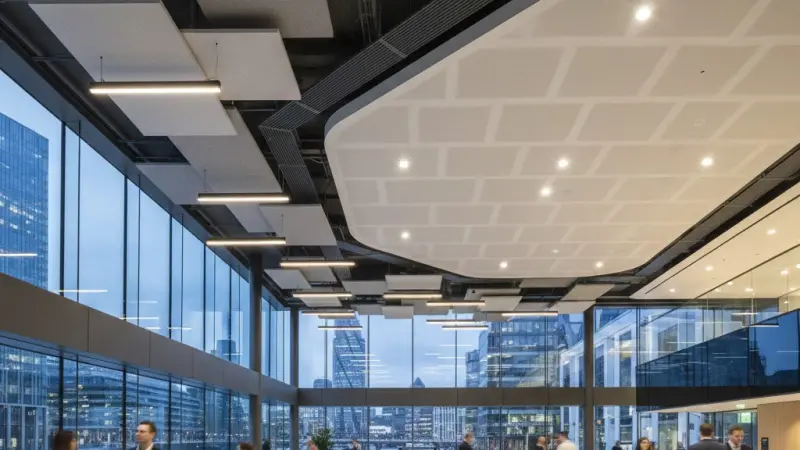
The UK construction industry is a cornerstone of the national economy, and within its complex framework, the ceiling contracting sector plays an indispensable role. Often overlooked by the casual observer, the ceiling is a critical architectural element that governs a room's acoustics, thermal efficiency, safety, and aesthetic appeal. Whether it is a sleek, minimalist finish for a luxury London penthouse or a robust, functional suspended grid for a Manchester distribution hub, ceiling contractors are the specialist tradespeople who bridge the gap between structural necessity and interior design.

Economically, the sector contributes significantly to the UK’s GDP, supporting thousands of jobs across manufacturing, distribution, and on-site installation. In an era where building regulations—particularly regarding fire safety and energy performance—are becoming increasingly stringent, the expertise of professional ceiling contractors is more valuable than ever. They ensure that residential and commercial spaces are not only visually pleasing but also compliant with the latest building standards. For clients looking to connect with these professionals, the uk service providers directory serves as a vital bridge between high-quality craftsmanship and project demand.
As we move further into the decade, the focus on sustainable building materials and "smart" ceilings has transformed the landscape. This guide aims to provide a comprehensive roadmap for both property owners seeking quality installations and professionals looking to excel in the competitive UK market.
The Landscape of Ceiling Contractors in the UK
The ceiling contracting market in the UK is a diverse ecosystem ranging from sole-trader plasterers to multi-million-pound interior fit-out firms. Current market analysis suggests a steady recovery and growth phase post-pandemic, as commercial office refurbishments and the "build-to-rent" residential boom drive demand. Regions such as the South East, the Midlands, and the North West remain hubs of high activity, reflecting the broader geographical distribution of infrastructure projects and urban development.
Post-pandemic, the industry has evolved to meet the demands of a changing world. There is a heightened emphasis on acoustic performance to facilitate focused working in hybrid office environments, as well as a surge in demand for antimicrobial ceiling tiles in healthcare settings. Furthermore, the supply chain disruptions of 2021-2022 forced a shift toward more resilient, locally sourced materials, strengthening the domestic market. For businesses operating in this space, appearing in a uk business directory is no longer optional; it is a fundamental requirement for maintaining a steady pipeline of work in a digitally-driven economy.
Small and medium-sized enterprises (SMEs) dominate the residential sector, focusing on decorative plasterwork, coving, and drylining. Conversely, the commercial sector is characterized by larger firms capable of managing massive suspended ceiling installations, integrated lighting systems, and complex fire-rated barriers. Both segments are increasingly reliant on digital visibility to capture a share of the billions spent annually on UK building improvements.
Comprehensive Services Breakdown
The portfolio of a modern ceiling contractor is remarkably broad. Gone are the days when the role was limited to simple plastering. Today, a professional firm must be proficient in a variety of systems:
Suspended (Dropped) Ceilings: The staple of commercial offices and retail spaces. These systems use a metal grid to hold tiles, creating a plenum space for wiring, HVAC, and fire suppression systems.
MF (Metal Furring) Ceilings: Popular in both residential and commercial sectors, MF ceilings offer a seamless, plasterboard finish while allowing for easy installation of insulation and curved designs.
Acoustic Solutions: Specialist contractors provide sound-absorbing panels and baffles to manage reverberation in schools, restaurants, and auditoriums.
Fire-Rated Ceilings: Essential for safety compliance, these ceilings provide a specified period of fire resistance (typically 30 to 120 minutes) to protect a building's structure and inhabitants.
Decorative and Heritage Work: High-end residential projects often require traditional lime plastering, ornate cornicing, and ceiling rose restoration to maintain architectural integrity.
To ensure long-term success, many contractors are now offering their expertise through a business listing uk, allowing them to showcase their diverse skill sets to a wider audience. By providing a niche-specific breakdown of their offerings, they can attract high-intent clients looking for specific solutions like "hygienic ceilings" for kitchens or "industrial-style" open-plenum finishes.
How to Choose the Right Service Provider
Selecting a ceiling contractor is a decision that impacts the safety and longevity of a property. Property managers and homeowners alike must conduct thorough due diligence.
Firstly, check for professional accreditations such as membership in the FIS (Finishes and Interiors Sector) or the Association of Interior Specialists. These bodies ensure that members adhere to strict quality and safety codes.
Secondly, verified reviews and local reputation are paramount. A contractor might have a flashy website, but their real-world performance is best judged by their previous clients. Insurance is another non-negotiable factor; any reputable firm should carry public liability and employer’s liability insurance at a minimum. When searching for reliable tradespeople, many savvy customers turn to local business listings uk to compare service providers, read testimonials, and verify contact details.
Lastly, ask for a detailed, itemised quote. A low-ball offer often indicates that the contractor is cutting corners on material quality or skipping essential fire-safety steps. A professional contractor will be transparent about their pricing and provide a clear timeline for project completion, ensuring a smooth experience for the client.
Industry Challenges & Future Outlook
The UK ceiling sector faces several headwinds, primarily the rising cost of raw materials like gypsum and steel. Additionally, the industry is grappling with a skills shortage as veteran plasterers retire and fewer young people enter the trades. However, technology is providing some solutions. The adoption of Building Information Modelling (BIM) allows for more precise ceiling design and material estimation, reducing waste and improving collaboration on-site.
Sustainability is the defining trend of the current era. Clients are increasingly demanding "cradle-to-cradle" certified ceiling tiles made from recycled materials. There is also a push for higher thermal performance in ceilings to reduce building energy consumption, aligning with the UK’s Net Zero targets. Contractors who proactively adopt green practices and list their services in a uk free business directory are positioning themselves as forward-thinking leaders in a changing market. Regulatory shifts, particularly the implementation of the Building Safety Act, will continue to mandate higher standards of transparency and accountability in installation processes.
Business Tips for Ceiling Contractors Professionals
For the ceiling professional, technical skill is only half the battle; business acumen and marketing are the keys to scalability. In the modern UK market, digital visibility is the primary driver of new leads. Local SEO (Search Engine Optimization) is critical. If your business doesn't appear when someone searches for "ceiling contractor near me," you are losing revenue to competitors.
A multi-faceted marketing strategy should include a professional website, an active social media presence showing "before and after" photos of projects, and participation in local business networks. One of the most effective ways to boost your online footprint is to ensure your company is included in uk service listings. This not only improves your search engine ranking but also builds trust with potential clients who use these platforms as a "source of truth." Networking with architects and main contractors is also vital, as these professionals often act as gatekeepers for large-scale commercial contracts.
Wrapping Up & Local Page Integration
The UK ceiling contracting industry is a vibrant, essential sector that continues to adapt to new challenges and technologies. From enhancing the comfort of our homes to ensuring the safety of our workplaces, the work of these professionals is ingrained in the fabric of our built environment. For contractors looking to grow their footprint and for clients seeking the best in the business, the uk online business directory provides the perfect platform.
By leveraging a centralized hub for local commerce, businesses can ensure they remain visible in an increasingly crowded marketplace. Whether you are a specialist in acoustic baffles or a master of traditional plasterwork, your presence in the digital ecosystem is the most powerful tool for your business's future.
Boost Your Visibility with Local Page UK
In the competitive world of UK trades, being a "hidden gem" is a recipe for stagnation. For ceiling contractors, project managers, and interior designers, digital discoverability is the lifeblood of business growth. Local Page UK is designed specifically to help British businesses connect with their local communities and larger commercial clients alike.
By choosing to claim your business listing uk, you are taking a decisive step toward dominating your local market. Don't let your competitors capture the leads that should be yours. Join thousands of successful UK service providers and make your mark today.
Frequently Asked Questions (FAQs)
What are the main types of suspended ceiling systems used in the UK?
Suspended ceilings, or "drop ceilings," primarily fall into two categories: the exposed grid system and the concealed grid system. The exposed grid is most common in commercial settings, where T-bars are visible and hold standard 600x600mm tiles. Concealed grids offer a smoother, more monolithic look where the supporting structure is hidden. Additionally, MF (Metal Furring) systems use a plasterboard finish to provide a seamless appearance while maintaining the benefits of a ceiling void for services. Each system has specific benefits regarding cost, accessibility, and aesthetics, depending on the project requirements.
How much does it cost to install a new ceiling per square metre in the UK?
Costs vary significantly based on materials and complexity. A basic suspended grid ceiling typically ranges from £25 to £45 per square metre. However, if you require specialist acoustic tiles, fire-rated materials, or high-end decorative finishes, prices can exceed £80 per square metre.
Labour costs also fluctuate by region, with London and the South East commanding higher rates. It is always advisable to get multiple quotes from verified professionals to ensure you are receiving a fair market price for your specific architectural needs.
How do ceiling contractors ensure fire safety compliance?
Fire safety is governed by Part B of the Building Regulations in the UK. Contractors must use materials that have been tested and certified for fire resistance. This involves installing fire hoods over recessed lighting, using fire-rated plasterboard, and ensuring that any penetrations for pipes or wires are properly fire-stopped. In commercial buildings, the ceiling often acts as a fire barrier to protect the structural floor above, requiring a specific fire-rating (e.g., 60 minutes) that must be strictly adhered to during the installation process.
Can I install a suspended ceiling in my home, or is it only for offices?
While traditionally associated with offices, suspended ceilings are increasingly popular in residential basements, home cinemas, and kitchens. They are excellent for hiding unsightly pipes or cables and providing easy access for future maintenance. In home cinemas, acoustic suspended ceilings can dramatically improve sound quality by reducing echoes. Modern tile designs now include wood-grain finishes and sleek metallic options, making them a stylish choice for contemporary residential interior design that balances functionality with modern aesthetics.
Where can I find a reliable list of ceiling specialists in my local area?
The best way to find a vetted professional is to consult a reputable Localpage that aggregates verified business information. This allows you to compare different contractors based on their specialisations, location, and customer feedback. Checking for trade body memberships, such as the FIS, within these listings provides an extra layer of security. Avoid hiring contractors who only provide mobile numbers or lack a verifiable physical address, as this can be a red flag regarding their business legitimacy and long-term accountability.
What is the difference between drylining and traditional plastering for ceilings?
Drylining involves fixing large sheets of plasterboard to a wooden or metal frame, which are then "taped and jointed" or given a thin "skim" coat of plaster. It is faster and creates less moisture than traditional methods. Traditional plastering involves applying multiple layers of wet plaster directly to laths or a solid surface. While drylining is the standard for modern construction due to its efficiency, traditional plastering is often required for heritage restorations or when creating complex, curved architectural features that boards cannot easily accommodate.
How do acoustic ceilings improve the environment of a busy restaurant or office?
Acoustic ceilings are designed to absorb sound rather than reflect it. In spaces with hard floors and glass walls, sound waves bounce around, creating a "cocktail party effect" where noise levels become uncomfortable.
Acoustic tiles are rated by their "Alphaw" value, indicating their absorption efficiency. By installing high-absorption tiles or hanging baffles, contractors can lower ambient noise levels, improve speech intelligibility, and create a much more productive and pleasant environment for employees and customers alike.
How long does a typical commercial ceiling installation take?
For a standard 100-square-metre office space, a professional team can usually install a suspended grid and tiles within two to three days, provided the space is clear. Complex projects involving MF ceilings, integrated bulkheads, or intricate lighting layouts will take longer. The timeline is also heavily dependent on the "first fix" of electrical and HVAC services being completed. A professional contractor will provide a detailed programme of works to ensure that the ceiling installation aligns perfectly with other trades on the site.
Are there eco-friendly ceiling options available in the UK?
Yes, the industry is shifting toward sustainability. Many manufacturers now produce tiles made from up to 70% recycled content, including mineral wool, perlite, and even recycled glass. Some timber-based ceiling systems are FSC-certified, ensuring they come from responsibly managed forests. Additionally, choosing ceilings with high light reflectance can reduce the need for artificial lighting, further lowering the building's carbon footprint. Many "green" contractors highlight their eco-credentials on their business profiles to attract environmentally conscious clients.
What should I do if my ceiling shows signs of damp or water damage?
First, identify and fix the source of the leak, as replacing the ceiling without stopping the water will result in recurring damage. Once dry, assess if the damage is structural or aesthetic. Suspended ceiling tiles are easy to replace individually. For plasterboard ceilings, damaged sections must be cut out and replaced with new boards before being plastered and painted. If the damp is accompanied by a musty smell or black mould, it is crucial to hire a professional to ensure the area is properly treated and ventilated to prevent health issues.
What are 'smart ceilings' and are they common in the UK?
Smart ceilings integrate technology directly into the ceiling system. This includes built-in sensors for occupancy, CO2 levels, and temperature, which communicate with the building's management system to optimize energy use. Some even include Li-Fi (light-based internet) or integrated speakers. While currently more common in "Grade A" London office developments, the cost of this technology is decreasing, making it more accessible for smaller commercial projects and high-end residential "smart homes" across the country.
Do I need planning permission to change the ceilings in my property?
Generally, internal alterations like changing a ceiling do not require planning permission. However, if your building is "Listed," you will almost certainly need Listed Building Consent before making any changes, especially if you are removing original plasterwork or cornicing. Furthermore, all ceiling work must comply with Building Regulations regarding fire safety, thermal insulation, and acoustics. If you are converting a space (like a garage or loft), the ceiling height and fire resistance will be strictly scrutinised by building control officers.
What are the benefits of a metal ceiling system compared to mineral fibre?
Metal ceilings, usually made of aluminium or steel, are exceptionally durable and easy to clean, making them ideal for high-traffic areas like transport hubs or hospitals. They offer a premium, high-tech aesthetic and have a very long lifespan. Mineral fibre tiles are generally more cost-effective and offer superior acoustic absorption properties. While metal tiles can be perforated and backed with acoustic pads to improve sound performance, they are typically chosen for their sleek look and "set-and-forget" durability in demanding environments.
How can I maintain my ceiling to ensure it lasts for decades?
For suspended ceilings, maintenance involves regular dusting of the tiles and ensuring that any tiles removed for maintenance are replaced correctly in the grid. For plastered ceilings, keep the room well-ventilated to prevent moisture build-up and address any hairline cracks early with a suitable filler. Avoid hanging heavy items from a suspended grid unless it has been specifically reinforced. Periodic inspections of the ceiling void are also recommended to ensure that no leaks or pest issues are developing out of sight.
Why is digital visibility so important for ceiling contractors today?
In the past, trades relied solely on word-of-mouth. Today, even a personal recommendation is followed by an online search. A strong digital presence verifies your professional status and allows potential clients to see your portfolio and reviews instantly. Platforms like Local page provide the necessary infrastructure for small businesses to compete with larger firms by giving them a professional landing page that ranks well in search engines, ensuring that when a local client needs a ceiling specialist, your business is the first one they see.

Disclaimer: The information provided in this article is for general informational and research purposes only. Company details, features, services, and market positions may change over time. Readers are advised to visit official company websites and conduct independent research before making any business decisions or purchasing services.
Most Searchable Keywords

Recent Blogs
-

Explore Supermarkets in Chepstow and the Surrounding Wye Valley
-
Elite Guide to Taxi and Private Hire Services in Hereford
-
Explore Fuel and Roadside Convenience Across Beckington Today
-
Explore Abergavenny Tyre Services with Expert Local Fitters
-
Claim Your HMRC UK Tax Refund Before Application Deadlines





Categories
- Accountants (295)
- Advertising Agencies (559)
- Architects (149)
- Automobiles (376)
- Beauty (300)
- Carpenters (146)
- Cleaning Services (386)
- Dentists (189)
- Driving (61)
- Electricians (215)
- Energy (7)
- Event Organiser (683)
- Finance (597)
- Guide (3358)
- Health (2205)
- Information technology (206)
- Legal Services (352)
- Logistics (6)
- Maintenance (65)
- Manufacturing (35)

Sponsored Listings in Property Maintenance


Related Blogs

Explore Supermarkets in Chepstow and the Surr...
Read this insightful article "Explore Supermarkets in Chepstow and the Surrounding Wye Valley" to expand your knowledge!

Elite Guide to Taxi and Private Hire Services...
Read this insightful article "Elite Guide to Taxi and Private Hire Services in Hereford" to expand your knowledge!

Explore Fuel and Roadside Convenience Across...
Read this insightful article "Explore Fuel and Roadside Convenience Across Beckington Today" to expand your knowledge!
Questions & Answers – Find What
You Need, Instantly!
How can I update my business listing?
Is it free to manage my business listing?
How long does it take for my updates to reflect?
Why is it important to keep my listing updated?
