
Explore Fuel and Roadside Convenience Across Beckington Today
- 👤 Ryan Reynolds
- 👁️ 161 Views
- Last Updated: July 18, 2026
- 🏷️ Energy
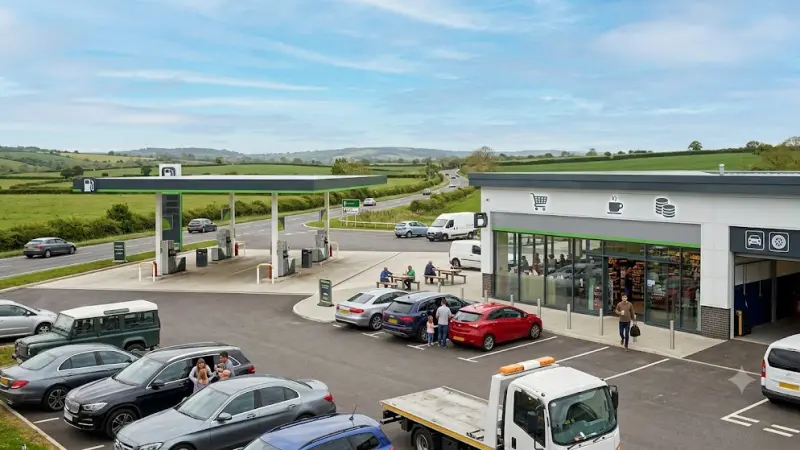
Ultimate Hub for Fuel and Roadside Convenience Across Beckington and the Surrounding Region
Navigating the transit corridors of Somerset and West Wiltshire requires a reliable understanding of where to refuel, rest, and stock up on essentials. Positioned at the pivotal intersection of the A36 and A361, the historic village of Beckington serves as a primary gateway for commuters, commercial transport operators, and tourists traveling between Bath, Bristol, Salisbury, and the South West. Knowing the exact capabilities, amenities, and fuel options of the stations serving this region is vital for journey planning, operational efficiency, and cost management.
This comprehensive regional guide provides a technical analysis of the Fuel and Roadside Convenience network surrounding Beckington, highlighting the operational profiles of ten major local facilities. Whether you are driving a commercial heavy goods vehicle (HGV), navigating a daily commute, or managing a fleet, this blueprint covers everything required to make informed transit stops across Frome, Warminster, Shepton Mallet, and beyond.
Understanding the Regional Refueling and Convenience Landscape
The contemporary roadside service sector is undergoing a profound transformation. What once operated as simple mechanical stopping points for petroleum dispensing have evolved into multi-functional retail hubs, micro-logistics centers, and emerging alternative energy nodes.
Strategic Geography and Traffic Flows
The geographic area branching out from Beckington bridges the gap between rural Somerset and the major economic networks of Wiltshire. The primary corridors include:
-
The A36 Trunk Road: A critical logistical link connecting the coastal ports of Southampton and Portsmouth with Bath and the M4 corridor.
-
The A361 Corridor: A sprawling route carrying heavy tourist traffic toward Devon and Cornwall, alongside localized agricultural transport.
-
The A350 Corridor: A major north-south artery running through Westbury and Warminster, feeding industrial estates and residential expansion.
Because these routes handle a diverse mix of long-haul freight, agricultural machinery, local delivery fleets, and domestic commuters, the fuel stations in this cluster must support an extensive array of demands. High-speed commercial diesel pumps, expansive turning circles, overnight parking, and diverse retail inventory are mandatory components of the local infrastructure.
The Evolution of Forecourt Retail and Fuel Standards
The UK forecourt industry is dominated by two distinct operating models: supermarket-backed high-volume stations and major brand or independent dealer networks (such as Texaco, BP, and Shell). In the Beckington and Frome catchment area, these models coexist, offering drivers a clear choice between cost-optimized supermarket fuel and premium, additive-enhanced proprietary blends.
From a technical perspective, understanding fuel quality and variance is paramount for vehicular longevity and performance:
-
E10 Unleaded Petrol: The standard grade for petrol vehicles in the UK, containing up to 10% renewable ethanol. It is highly efficient for modern engines but requires careful monitoring in older, classic passenger cars common in rural Somerset.
-
E5 Super Unleaded (97+ Octane): A premium grade with a lower ethanol content (up to 5%) and advanced detergency packages. It protects fuel systems from moisture absorption and corrosion while optimizing combustion for high-performance engines.
-
Premium Diesel Blends: Formulated with cetane improvers, anti-foaming agents, and injector cleaners to prevent the buildup of carbon deposits in high-pressure common-rail diesel engines, a crucial factor for local hauliers.
Complete Operational Directory of Regional Fueling Stations
The following detailed directory provides an objective, analytical breakdown of the ten prominent fueling stations operating across the Beckington, Frome, Warminster, and wider Somerset/Wiltshire border zone. Each profile evaluates the infrastructure, facilities, and unique positioning of the site.
Asda Petrol Station (Frome)
Site Overview and Infrastructure
Situated on Warminster Road in Frome, the Asda Petrol Station represents a high-capacity, high-turnover refueling hub primarily engineered for cost-efficiency and rapid consumer throughput. As part of a major supermarket complex, the forecourt layout features a multi-lane, multi-pump configuration designed to handle elevated traffic volumes during peak retail hours. The physical design accommodates standard passenger vehicles, light commercial vehicles (LCVs), and domestic SUVs, utilizing a clear overhead canopy and wide approach lanes from the main thoroughfare.
Product and Service Matrix
The core proposition focuses on high-volume distribution of standard fuel grades:
-
Fuel Grades: Standard E10 Unleaded and Standard Automotive Diesel.
-
Payment Infrastructure: Pay-at-Pump automated terminals alongside traditional kiosk lanes, allowing motorists to expedite their stop or combine fuel payments with grocery transactions.
-
Ancillary Services: High-pressure tire inflation systems, screen-wash replenishment points, and localized vacuum units for vehicle interior maintenance.
Target Demands and Market Position
This site is tailored for value-conscious domestic motorists, local fleet drivers, and weekly supermarket shoppers. Its core strength lies in its aggressive retail pricing strategy, frequently anchoring the lowest price-per-liter metrics within the immediate Frome and Beckington vicinity. It operates as an exceptional choice for motorists executing routine local journeys who prioritize direct fiscal savings over premium fuel additives.
Portway Filling Station (Frome)
Site Overview and Infrastructure
The Portway Filling Station, positioned on The Portway in Frome, operates as an essential urban forecourt servicing the inner traffic loops and residential boundaries of the town. Unlike larger edge-of-town supermarket hubs, Portway emphasizes rapid, frictionless access for vehicles navigating inner-town transit. The site architecture is compact yet highly functional, optimized to maintain steady traffic flow despite geographical footprint constraints.
Product and Service Matrix
-
Fuel Provisions: Offers standard unleaded and diesel variants, backed by reliable quality control standards to ensure consistent engine performance.
-
Convenience Retail: Features a fully stocked on-site kiosk providing intermediate convenience items, automotive essentials (such as engine oils, coolants, and bulbs), and rapid-consumption food and beverage options.
-
Vehicle Care: Equipped with automated or semi-automated car wash installations, alongside manual jet-wash bays that are highly utilized by local residents maintaining vehicle aesthetics.
Target Demands and Market Position
Portway serves urban commuters, trade professionals operating within Frome, and local neighborhoods. Its primary asset is geographic convenience, eliminating the need for inner-city motorists to divert to peripheral bypass roads for fuel. This makes it a dependable choice for quick top-ups and vehicle maintenance away from the high-congestion supermarket queues.
Sainsbury's Petrol Station (Frome)
Site Overview and Infrastructure
Located at the Wessex Fields development on the edge of Frome, adjacent to the main A361 bypass, the Sainsbury's Petrol Station is a premium supermarket forecourt. This facility functions as a strategic transit stop for cross-county travelers passing Frome toward Beckington or Shepton Mallet, as well as an integrated amenity for the adjoining superstore. The site boasts excellent visibility, expansive turning radiuses, and modern multi-product dispensers (MPDs) that streamline the fueling process.
Product and Service Matrix
-
Advanced Fuel Portfolio: Delivers standard E10 unleaded and diesel alongside proprietary premium fuel lines designed to improve fuel economy and lower carbon emissions through chemical detergency.
-
Digital Integration: Fully compatible with nationwide supermarket loyalty frameworks, allowing commercial and private
drivers to accumulate fuel rewards. Pay-at-pump technology is standard across multiple lanes.
-
On-Site Convenience: Features a dedicated, modern kiosk containing a curated range of high-quality fresh food, coffee-to-go installations, and travel accessories.
Target Demands and Market Position
The facility caters efficiently to long-distance commuters, fleet operators requiring rapid turnaround times, and local residents. Its position right off the primary highway network makes it an incredibly efficient point of access for drivers who require a reliable, recognizable brand experience with the added benefit of competitive supermarket pricing structures.
Longbridge Deverill Service Station
Site Overview and Infrastructure
Positioned on Sand Street in Longbridge Deverill (BA12 7DS), along the vital A350 corridor south of Warminster, this service station is a classic example of a strategic rural-arterial hub. The physical layout is specifically scaled to support a heavier mix of commercial logistics, agricultural transport, and regional commuters bypassing the urban centers. The forecourt features high-clearance canopies and robust lane engineering capable of handling heavier axle loads.
Product and Service Matrix
-
Diverse Fuel Inventory: Provides standard passenger fuels alongside high-speed commercial diesel pumps engineered to deliver high volumes rapidly to large fuel tanks.
-
Rural Retail & Provisions: The onsite store goes beyond basic convenience confectionery, offering localized produce, essential hardware, agricultural consumables, and solid fuel supplies tailored to the rural community.
-
Commercial Amenities: Offers spacious parking segments and easy ingress/egress points for larger vehicle combinations, including horseboxes, trailers, and medium-duty freight trucks.
Target Demands and Market Position
This site is a critical resource for agricultural operators, long-haul freight drivers navigating the A350, and rural residents. Its strength lies in its specialized understanding of rural and commercial transport requirements, delivering a level of utility and physical accessibility that standard urban or suburban stations cannot replicate.
Morrisons Petrol Station (Warminster)
Site Overview and Infrastructure
Situated on Weymouth Street in Warminster, this facility serves as a foundational fueling asset for the West Wiltshire commuter belt. Positioned to bridge the town center with outlying transit links toward Beckington, the Morrisons forecourt features a modernized layout emphasizing clear electronic pricing signage, bright LED illumination for night operations, and robust environmental protection containment systems.
Product and Service Matrix
-
Fuel Logistics: Dispenses highly regulated standard unleaded, super unleaded, and automotive diesel, ensuring full compatibility with manufacturer warranties across all major vehicle segments.
-
Food-to-Go Ecosystem: Benefits from the supermarket brand's deep supply chain, featuring an expanded convenience kiosk loaded with fresh daily baked goods, sandwich selections, and high-quality express espresso machines.
-
Customer Infrastructure: Multi-lane layouts reduce queuing times during the evening commuter rush, supported by automated contactless payment options at the terminal interface.
Target Demands and Market Position
The site primarily serves the population of Warminster, military personnel associated with the local garrisons, and commuters moving toward the A36. Its standout benefit is the combination of rapid multi-product dispensing with a highly regarded fresh food retail option, making it a preferred stop for drivers seeking nutrition alongside fuel.
New Road Service Station (Codford)
Site Overview and Infrastructure
Located in the village of Codford along the Wylye Valley section of the A36, the New Road Service Station is an indispensable oasis on the long transit corridor between Salisbury and Beckington. This independent site features an expansive geographic footprint, enabling it to act as a combined refueling station, convenience store, and community node. The layout is highly accessible for long-distance coaches, multi-axle freight, and recreational caravanners.
Product and Service Matrix
-
Comprehensive Fuel Suite: Reliable dispensing of mainline unleaded and diesel variants, maintained through strict compliance with UK fuel storage and quality regulations.
-
Expanded Country Store: Features a substantial retail floor stocking extensive grocery lines, local bakery items, travel gear, and seasonal goods, acting as a mini-supermarket for the surrounding villages.
-
Traveler Facilities: Clean restroom installations, public accessible seating areas, and high-capacity jet washes designed to clear road grime from long journeys.
Target Demands and Market Position
This facility is highly optimized for long-distance highway travelers, commercial hauliers, and the localized rural population of the Wylye Valley. Its major asset is its strategic position on a section of the A36 where alternative refueling options are sparse, establishing it as a vital safety and convenience asset for journey management.
Texaco (Farrington Gurney)
Site Overview and Infrastructure
Positioned further afield along a primary arterial feed toward the wider Somerset transport network, the Texaco facility at Farrington Gurney represents a highly sophisticated, brand-backed forecourt. Operating under the globally recognized Texaco emblem, the site features advanced fuel delivery technology, strict environmental vapor-recovery systems, and a modern architectural aesthetic that provides high visibility across all hours of operation.
Product and Service Matrix
-
Premium Fuel Technology: Dispenses Texaco's signature fuel variants enhanced with advanced additive packages designed to clean engine valves, optimize fuel atomization, and prevent fuel system deposits.
-
Co-Branded Retail Experience: Often integrated with premium convenience store operators (such as Spar or Budgens), providing an exceptional range of fresh groceries, prepared meals, and premium coffee stations.
-
Advanced Vehicle Support: Features modern, calibrated air/water towers, vacuum stations, and loyalty app integration allowing for smartphone-based transaction execution.
Target Demands and Market Position
This station caters to motorists who prioritize engine health and premium brand reliability, alongside commuters demanding a high-tier retail experience. Its core strength is the predictable delivery of top-tier fuel chemistry, making it a preferred stop for owners of modern turbodiesel and direct-injection petrol engines.
Croscombe Mill Garage
Site Overview and Infrastructure
Located on Long Street in the historic village of Croscombe, situated between Shepton Mallet and Wells, Croscombe Mill Garage represents the traditional, highly trusted independent garage model. Combining a localized fuel dispensing setup with a professional automotive repair workshop, the site preserves a personalized level of service that has largely vanished from corporate highway plazas.
Product and Service Matrix
-
Fuel Dispensing: Offers core unleaded and diesel options via localized, well-maintained pumps that cater to the daily needs of the immediate community.
-
Technical Automotive Repairs: Features full-service workshop capabilities, including mechanical diagnostics, system repairs, safety inspections, and tire replacements executed by qualified technicians.
-
Community Retail Kiosk: Supplies core convenience items, lubricants, winterization products, and local information for residents and passing tourists.
Target Demands and Market Position
This site is uniquely positioned to serve the village population, rural agricultural workers, and motorists who value independent local enterprise. Its primary strength is its dual utility as both
a refueling point and a trusted mechanical repair facility, offering peace of mind to drivers navigating the challenging rural roads of the Mendip district.
Tesco Petrol Station (Shepton Mallet)
Site Overview and Infrastructure
Positioned on Townsend Road in Shepton Mallet, this high-volume supermarket forecourt is a central fueling destination for the central Somerset region. Engineered to process a continuous stream of domestic and commercial vehicles, the facility utilizes a streamlined linear pump layout, comprehensive safety canopies, and clear digital telemetry displaying real-time pricing visible from major approach roads.
Product and Service Matrix
-
Mass Market Fuel Delivery: Supplies high-quality standard E10 unleaded, premium super unleaded, and standard automotive diesel formulas.
-
Automated Transaction Lanes: Features robust pay-at-pump infrastructure across all main lanes, drastically lowering transaction times for drivers focused exclusively on rapid refuel cycles.
-
National Loyalty Network: Deeply integrated with nationwide supermarket customer reward schemes, providing substantial transactional value through fuel vouchers and points aggregation.
Target Demands and Market Position
Ideal for value-focused fleet drivers, weekly retail shoppers, and cross-Somerset commuters. Its position within Shepton Mallet ensures that it acts as a stabilizing force for regional fuel pricing while offering uncompromised throughput efficiency during peak transit hours.
Cross Road Service Station (Cheddar)
Site Overview and Infrastructure
Located on Upper New Road in Cheddar (BS27 3DA), this facility operates at a vital crossroads servicing the heavy tourism traffic associated with Cheddar Gorge, alongside the agricultural and commuter populations of the Mendip Hills. The site layout is designed to handle highly seasonal traffic fluctuations, ensuring ample clearance for towing vehicles, campervans, and commercial trade vehicles.
Product and Service Matrix
-
Fuel and Power Options: Delivers certified standard fuel lines via modern dispensing hardware, ensuring accurate delivery and strict safety compliance.
-
Tourist & Leisure Provisioning: The connected retail shop features an expanded array of leisure supplies, maps, regional camping consumables, and high-demand refreshments tailored for the tourism sector.
-
Local Utility Hub: Acts as a vital source for bottled liquid petroleum gas (LPG), winter fuels, and automotive diagnostic accessories required by the local rural economy.
Target Demands and Market Position
This station efficiently serves holidaymakers, commercial transport units operating in the Mendip region, and local residents. Its primary advantage is its exceptional adaptability, providing specialized retail inventory and fuel services that directly support both the intensive summer tourism influx and the steady requirements of a rural community.
Comprehensive Regional Fueling Comparison
To help you choose the best stop for your specific journey, the following analytical table compares the operational profiles of all ten regional facilities based on location, core strengths, and structural layout.
| Business Name | Geographic Node | Primary Fuel Focus | Ideal Operational Fit | Distinctive Feature | Accessibility Profile |
| Asda Petrol Station | Frome (Warminster Rd) | Volume-optimized Standard | Budget-conscious motorists | Direct supermarket price-matching | Multi-lane passenger vehicle layout |
| Portway Filling Station | Frome (The Portway) | Urban Convenience | Rapid inner-town top-ups | Integrated valeting & jet wash | Compact urban footprint, rapid entry |
| Sainsbury's Petrol Station | Frome (Wessex Fields) | Standard & Premium Supermarket | Highway commuters & fleets | Advanced fuel rewards integration | High-clearance A361 bypass access |
| Longbridge Deverill S/Stn | Longbridge Deverill (A350) | Commercial & Rural Fuel | Heavy haulage & agriculture | High-speed commercial diesel pumps | Broad turning radius for HGVs/trailers |
| Morrisons Petrol Station | Warminster (Weymouth St) | Integrated Retail & Fuel | Commuters needing fresh food | Expanded fresh food-to-go kiosk | Structured urban commuter lanes |
| New Road Service Station | Codford (A36 Corridor) | Long-distance Arterial | Long-haul transit travelers | Extensive country store inventory | High-capacity parking and restrooms |
| Texaco Forecourt | Farrington Gurney | Performance Additive Fuels | High-performance/modern engines | Advanced proprietary detergents | Global brand standard infrastructure |
| Croscombe Mill Garage | Croscombe (Long St) | Community Fuel & Repair | Dual service & fuel users | On-site professional mechanical repair | Traditional single-lane village access |
| Tesco Petrol Station | Shepton Mallet | High-Throughput Value | Fleet cards & automated buyers | Maximized pay-at-pump allocation | Linear high-efficiency layout |
| Cross Road Service Station | Cheddar (Upper New Road) | Seasonal & Regional Utility | Tourists, towers & rural trade | Bottled LPG & seasonal leisure gear | Adaptive layout for larger caravans |
Technical Buyer's Guide: Optimizing Regional Refueling Stops
Selecting where to refuel across the Beckington region should involve a calculated assessment of vehicle requirements, fuel chemistry, and journey efficiency.
1. Matching Fuel Chemistry to Vehicle Architecture
Modern internal combustion engines are highly sensitive to fuel quality. If you are operating a modern common-rail turbodiesel or a turbocharged direct-injection petrol engine, opting for stations that provide premium proprietary fuels (such as Texaco or brand-backed supermarket premium lines) can yield tangible operational dividends. The advanced chemical detergents present in these premium fuels help remove deposit formations on fuel injectors, stabilizing spray patterns and maintaining optimum fuel-air ratios. Conversely, for older or less complex utility engines, standard high-volume E10 or diesel options from high-throughput supermarket stations offer identical mechanical utility at a lower cost per liter.
2. Assessing Physical Site Access for Larger Fleets
For operators managing light commercial vehicles, trailers, or heavy goods vehicles, physical site geometry is often more critical than pricing variations. Stations like the Longbridge Deverill Service Station or New Road Service Station on the A36 offer high-clearance structures, wider approach lanes, and high-speed commercial pumps that deliver fuel at significantly higher flow rates. Attempting to maneuver a large vehicle combination or heavy commercial van into compact urban configurations like the Portway Filling Station can lead to transit delays and increased collision risks.
3. Evaluating Transactional Efficiency and Loyalty Frameworks
When executing fleet management or high-mileage commuting, integrating your refueling stops with nationwide loyalty frameworks (such as those offered by Sainsbury's, Tesco, or major fuel brands) can significantly reduce total operating costs over time. Furthermore, checking whether a site supports comprehensive pay-at-pump automated lanes is essential if your priority is reducing driver downtime and getting back onto the highway quickly.
Horizon Analysis: Future Trends in Roadside Infrastructure
The traditional fuel station model is rapidly evolving to align with national decarbonization mandates, digital integration, and shifting consumer behavior. Motorists traveling through Somerset and Wiltshire can expect to see several key trends reshaping local forecourts over the coming decade.
The Proliferation of Ultra-Rapid EV Charging Hubs
As the UK transitions toward electric mobility, regional service stations are transforming into high-capacity electric vehicle (EV) charging hubs. For locations along primary tourist corridors, such as the A36 and A361 around Beckington, installing ultra-rapid DC chargers (ranging from 150 kW to 350 kW) is becoming a core strategic priority. These systems allow electric vehicles to replenish their battery packs to 80% capacity within 15 to 20 minutes, mirroring the dwell times of traditional internal combustion refuels.
The Emergence of Multi-Fuel and Alternative Energy Nodes
Beyond battery electric technology, future roadside infrastructure will likely diversify to accommodate alternative fuels. This includes hydrogen fuel cell replenishment systems for heavy commercial vehicles and advanced drop-in biofuels (such as Hydrotreated Vegetable Oil - HVO) for logistics fleets seeking immediate carbon reductions without replacing existing engine architectures. Sites with larger spatial footprints along major trunk roads are ideally positioned to become early adopters of these multi-fuel ecosystems.
Automation and frictionless Retail Experiences
Forecourt retail is increasingly leveraging artificial intelligence (AI) and automated monitoring systems to optimize operations:
-
Predictive Fuel Logistics: AI algorithms monitor real-time consumption rates alongside localized traffic telemetry to automate fuel delivery scheduling, completely eliminating risk profiles associated with dry-site scenarios.
-
Frictionless Convenience Stores: The integration of computer-vision-driven "just walk out" shopping experiences is entering the forecourt sector. This allows travelers to select refreshments and automotive products without pausing for traditional point-of-sale checkout queues.
-
License Plate Recognition Payments: Automatic Number Plate Recognition (ANPR) systems are paving the way for seamless drive-through transactions,
Also Read: Most Popular Key Cutter in Birminghamwhere fuel dispensers automatically activate and charge a pre-authorized account based on the vehicle's registration plate.
Key Pitfalls to Avoid When Refueling Professionally
Navigating regional transport routes requires foresight to avoid common refuel errors that can cause mechanical issues, logistical delays, or unnecessary expenses.
-
Misfueling under Stress: Ingesting petrol into a diesel fuel system (or vice versa) remains a prevalent issue. If misfueling occurs, do not turn the ignition key. Activating the electrical system can engage the fuel pump, drawing contaminated fuel into the high-pressure injection framework and causing catastrophic internal component damage. The vehicle must be left off, isolated, and drained by a professional technician immediately.
-
Ignoring Urban/Rural Price Differentials: Fuel pricing is highly dynamic and subject to local competition variables. Stations positioned directly on isolated highway stretches or catering to specialized rural markets often carry a premium price-per-liter due to higher logistical distribution costs. Planning your route to execute major refueling actions at high-volume competitive zones (like Frome or Shepton Mallet) can optimize your fuel spend.
-
Misjudging Site Capabilities During Peak Hours: Attempting to guide commercial utility vehicles or heavy transport configurations into commuter-focused supermarket forecourts during peak hours (07:30–09:00 and 16:30–18:30) often results in significant delays due to local gridlock. Drivers should leverage strategic regional options that feature dedicated commercial lanes away from urban retail traffic.
Clarifying Common Regional Refueling Questions
What is the mechanical difference between E5 and E10 petrol found at local pumps?
E10 petrol contains up to 10% renewable ethanol and is the standard grade across the UK, optimized for modern emissions systems. E5 contains a maximum of 5% ethanol and possesses a higher octane rating (typically 97 to 99 RON). E5 is formulated for high-performance engines and is essential for classic or vintage vehicles whose fuel lines, seals, and carburetors can be degraded by the higher ethanol concentrations present in standard E10 fuel.
How can commercial fleet drivers identify if a station supports heavy goods vehicles?
Commercial operators should verify whether a site features dedicated HGV lanes, high-clearance canopies (minimum 4.5 meters), and high-speed fuel delivery pumps capable of high-volume output. Outlying arterial facilities such as the Longbridge Deverill station on the A350 are purposefully engineered to meet these physical requirements, whereas standard town-center supermarket locations are structurally restricted to passenger vehicles and light commercial vans.
Are premium branded fuels genuinely superior to standard supermarket options?
From a base regulatory perspective, all fuels sold across UK forecourts must comply with strict British Standards (BS EN 228 for petrol and BS EN 590 for diesel), ensuring identical basic engine safety and operation. However, premium branded products (such as Texaco or proprietary corporate sub-brands) incorporate sophisticated chemical additive packages. These proprietary mixtures contain corrosion inhibitors, friction modifiers, and advanced detergents that actively clean internal carbon deposits, potentially improving long-term thermal efficiency and reducing mechanical wear.
What should a motorist do if their vehicle breaks down on an approach road like the A36?
If your vehicle suffers a mechanical failure or runs dry along a major corridor like the A36, prioritize safety by guiding the vehicle onto a hard shoulder or lay-by if possible. Activate your hazard warning lights, ensure all occupants exit the vehicle safely to stand behind protective barriers, and contact a certified highway recovery provider. Certain local facilities, such as the Croscombe Mill Garage, maintain dedicated workshop operations capable of managing mechanical recovery and repair workflows for stranded motorists.
Do all regional filling stations provide access to alternative fuels like LPG?
Liquid Petroleum Gas (LPG) availability has become increasingly specialized across the UK forecourt network due to changing manufacturer focuses. It is no longer a standard offering at every suburban or supermarket station. Motorists driving autogas conversions or requiring bottled LPG for recreational caravans should look to specialized rural and leisure hubs, such as the Cross Road Service Station in Cheddar, which specifically cater to these niche regional fuel demands.
Why do fuel prices vary significantly between stations located only a few miles apart?
Forecourt pricing is determined by a complex matrix of operational overheads, distribution logistics, and localized market competition. Supermarket hubs use fuel as a high-volume footfall driver for their primary retail superstores, allowing them to operate on tighter profit margins per liter. Independent or isolated rural stations face higher wholesale transportation costs and lower sales volumes, requiring a slightly higher retail margin to sustain their essential local infrastructure and 24-hour utility.
Is it safe to use pay-at-pump automated terminals during freezing weather conditions?
Yes, modern automated payment interfaces are fully ruggedized to remain operational across extreme weather variations. They utilize specialized anti-glare, weather-sealed capacitive or resistive input frameworks designed to handle sub-zero operating environments safely, ensuring rapid, reliable payment processing without requiring drivers to enter an indoor kiosk.
Can commercial vehicles use standard fuel loyalty apps to settle fleet accounts?
Most consumer-facing loyalty apps are engineered to accumulate personal retail rewards rather than act as primary commercial payment mechanisms. Commercial fleet operators typically utilize specialized, high-security corporate fuel cards that integrate directly with automated accounting systems, providing consolidated invoicing and pre-negotiated wholesale pricing matrix parameters across participating network stations.
What environmental safety protocols govern these local fueling infrastructures?
All modern UK fuel forecourts are subject to rigorous environmental protection regulations. These include Stage II Vapor Recovery systems that capture harmful petrol vapors during refueling and channel them back to underground storage tanks. Furthermore, sites deploy advanced double-walled underground tanks, real-time electronic leak detection telemetry, and interceptor drainage networks designed to capture grease, oils, and surface spills before they can migrate into local water tables or agricultural soils.
How are electric vehicle charging speeds classified across modern highway stations?
EV charging infrastructure is categorized by power delivery capabilities:
-
Fast Chargers: Typically deliver between 7 kW and 22 kW of alternating current (AC), ideal for extended vehicle stays.
-
Rapid Chargers: Deliver around 50 kW of direct current (DC), significantly reducing charge times.
-
Ultra-Rapid Chargers: Deliver 150 kW to 350+ kW DC, providing the ultimate premium roadside charging experience by restoring hundreds of miles of range within a brief rest stop.
Core Lessons to Remember
-
Strategic Selection: Match your stopping choice to your specific vehicle size and fuel requirements—utilize robust highway hubs for heavy commercial vehicles and value-focused supermarket hubs for routine domestic travel.
-
Fuel Quality Awareness: Modern high-efficiency engines benefit directly from premium additive packages, while older or classic mechanical models require careful monitoring of ethanol content (preferring E5 over E10).
-
Safety First: In the event of a misfueling incident, keep the vehicle powered off to isolate the fuel system and prevent catastrophic internal mechanical component degradation.
-
Embrace the Future: Keep an eye out for regional forecourts expanding into multi-functional alternative energy
nodes that offer ultra-rapid EV charging, frictionless automated retail, and green biofuel solutions.
Navigating the Road Ahead Safely and Efficiently
Maintaining an accurate understanding of the regional refueling infrastructure ensures that your journeys through Beckington, Somerset, and West Wiltshire remain secure, efficient, and cost-effective. By selecting the right station for your vehicle's physical configuration and mechanical design, you can eliminate transit friction, lower maintenance costs, and maximize fuel economy. As you prepare for your next trip along the A36 or A361 corridors, treat these local fueling hubs as essential resources engineered to keep your vehicles moving safely and your journeys seamlessly on track.
Disclaimer: The information provided in this article is for general informational and research purposes only. Company details, features, services, and market positions may change over time. Readers are advised to visit official company websites and conduct independent research before making any business decisions or purchasing services.
Most Searchable Keywords
Recent Blogs


Related Listings

Categories
- Accountants (295)
- Advertising Agencies (559)
- Architects (149)
- Automobiles (377)
- Beauty (300)
- Carpenters (146)
- Cleaning Services (387)
- Dentists (189)
- Driving (62)
- Education (1)
- Electricians (215)
- Energy (8)
- Event Organiser (689)
- Finance (602)
- Guide (3492)
- Health (2207)
- Information technology (207)
- Legal Services (361)
- Logistics (6)
- Maintenance (65)
Sponsored Listings in Repair and Maintenance

Related Blogs

Creamfields Daresbury: Impact on Local Reside...
Read this insightful article "Creamfields Daresbury: Impact on Local Residents" to expand your knowledge!
UK High Street Businesses in 2026-27: Which S...
Read this insightful article "UK High Street Businesses in 2026-27: Which Sectors Are Growing?" to expand your knowledge!

Why Complete Business Listings Matter More Th...
Read this insightful article "Why Complete Business Listings Matter More Than You Think" to expand your knowledge!
Questions & Answers – Find What You Need, Instantly!
Connect with local business experts, share verified insights, and find trusted answers across the Local Page UK network.
Ask Community
Ask questions to the Local Page UK community
Share Knowledge
Share your knowledge to help out others
Find Solutions
Find answers or offer instant solutions
Some of the most popular fantasy TV shows include "Game of Thrones," known for its epic battles and political intrigue, "The Witcher," which features monster hunting and magic, and "Stranger Things," blending supernatural elements with 1980s nostalgia. Other notable mentions are "His Dark Materials," "Shadow and Bone," and "The Mandalorian," each offering unique worlds and captivating storytelling that have garnered large fan bases.
When seeking bathroom renovation providers that handle both plumbing and tiling, it's advisable to look for licensed contractors who specialize in comprehensive bathroom remodels. Companies such as Home Depot, Lowe's, and Bath Fitter offer these services, often providing a seamless experience by managing all aspects of the renovation process. Additionally, local contractors with positive reviews in platforms like Angie's List or Houzz may also offer tailored solutions for your bathroom needs.
Absolutely, there are several distributors that supply crash mats and soft play equipment to gymnastics clubs in and around Birmingham. National companies like Gymnova, S & G (Spieth Gymnastics), and Jaques of London offer a wide range of crash mats, foam pits, and soft play pieces, and they typically deliver to the Birmingham area. For more local options, you might try The Gym Equipment Company, which has a showroom in the West Midlands, or check out smaller specialist suppliers like Playtime UK. Many of these distributors cater specifically to clubs, offering high-density foam mats that meet safety standards. I'd recommend reaching out to a few to compare pricing, delivery times, and whether they offer custom sizes or installation services. It's also worth checking if any of them have a physical showroom near Birmingham so you can test the equipment before buying. Happy tumbling!
For professionals seeking a reliable sanitaryware supplier in Manchester with trade account facilities, several established merchants combine extensive product ranges, competitive pricing, and dedicated trade support. The most reputable option is Graham Plumbers Merchant, which operates multiple branches across Manchester, including Salford Quays and Oldham. They offer a dedicated trade account service with preferential pricing, priority delivery scheduling, and access to a vast inventory of leading sanitaryware brands such as Villeroy & Boch, Duravit, Ideal Standard, and Roca. Their trade accounts typically include net 30-day payment terms, online account management, and a tailored project quotation system. Similarly, City Plumbing Supplies has several Manchester-based depots (such as Ashton-under-Lyne and Stockport) that cater specifically to trade customers, providing a rapid order-and-collect service, trade-only promotions, and a loyalty programme offering rebates on repeat purchases. Their product range covers everything from basins and WCs to complete bathroom suites and brassware, with in-house technical advisors available for specification support. Another key player is Plumb Center, part of the Wolseley Group, which offers trade accounts with bespoke pricing structures, direct-to-site deliveries within the Greater Manchester area, and access to over 10,000 lines of sanitaryware, including premium brands like Grohe and Hansgrohe. Their trade portal allows for real-time stock checking and order history tracking, facilitating efficient project management. For those seeking a more specialist or high-end option, Bathroom Spares in Manchester provides trade accounts with a focus on hard-to-find sanitaryware and discontinued ranges, which can be invaluable for refurbishment projects. Additionally, independent merchants such as M&B Plumbase in Trafford Park offer flexible trade terms, personalised service, and competitive pricing on both mainstream and luxury sanitaryware. When evaluating suppliers, trade customers should consider factors beyond price: reliability of stock availability, delivery timescales within Manchester’s often congested zones, clarity of returns policies, and the quality of after-sales support for warranty claims. It is advisable to request a trade account application from at least two to three suppliers to compare discounts, minimum order values, and payment terms. Many suppliers also offer showroom access for trade clients, allowing you to inspect finishes and dimensions before committing to large orders. For ongoing projects, establishing a relationship with a single supplier who offers consolidated invoicing and dedicated account management can streamline procurement. Ultimately, the most reliable supplier for your trade account in Manchester will be one that aligns with your volume requirements, preferred brands, and service expectations, so a site visit to their local branch and a discussion about your specific trade needs is highly recommended before committing to an account.
People in Leeds are loving their local florists—customers often mention gorgeous, fresh arrangements and super friendly service. Many rave about reliable same-day delivery and creative wedding bouquets. A few note pricing can vary, but overall, the buzz is all about quality and that personal touch making every order feel special.
Common problems for commercial gardening in Bristol include weed overgrowth, soil degradation, pest infestations, and irrigation malfunctions. Additionally, managing seasonal transitions, adhering to sustainability regulations, and maintaining consistent aesthetics pose significant challenges. Expert services mitigate these via structured maintenance, integrated pest management, and soil analysis to ensure long-term landscape health.