
Cemeteries & Crematoria Services Explained with Care & Respect
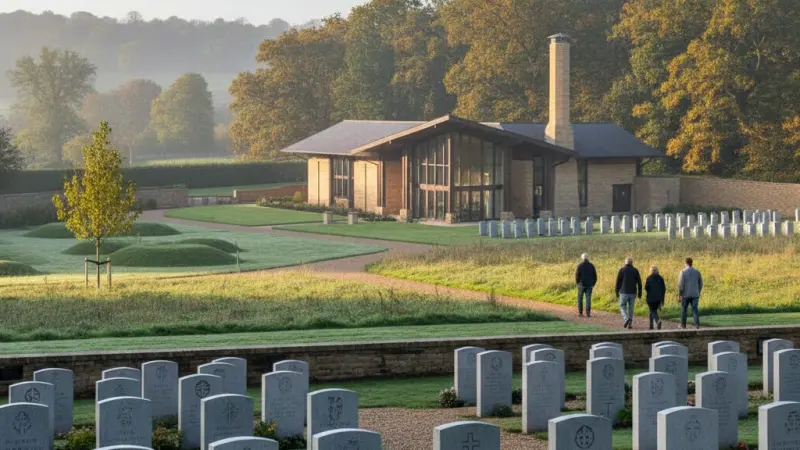
The death care sector in the United Kingdom, encompassing cemeteries and crematoria, is a cornerstone of the nation’s social and economic infrastructure. While often discussed in hushed tones, this industry represents a significant pillar of the UK economy, contributing billions of pounds annually and providing essential services to millions of families during their most vulnerable moments. As a British business analyst, one cannot overlook the sheer scale of operations required to manage over 600,000 deaths per year across England, Scotland, Wales, and Northern Ireland.

The economic importance of this sector extends beyond the immediate provision of burials and cremations. It supports a vast ecosystem of ancillary businesses, including funeral directors, stonemasons, florists, and memorial manufacturers. Furthermore, the management of municipal and private cemeteries involves significant land-use planning and environmental stewardship, often requiring long-term financial modeling that spans centuries. In the modern era, the industry is increasingly viewed through the lens of professional service delivery, where efficiency must be balanced with profound empathy. To navigate this complex market, many consumers and businesses turn to a uk online business directory to identify reputable providers and specialized consultants.
As we look at the broader landscape, the sector is currently undergoing a period of intense professionalization. What was once a localized, often fragmented market is seeing the rise of consolidated groups and a shift towards higher standards of transparency and regulation. For the UK economy, the cemeteries and crematoria sector is not just a "final service" but a vital employer and a critical component of public health and urban planning. Understanding the nuances of this industry is essential for both the bereaved seeking guidance and the professional seeking to enter or grow within this unique niche.
The Landscape of Cemeteries & Crematoria in the UK
The current landscape of the UK death care market is defined by a distinct split between local authority-owned facilities and a growing private sector. Approximately 75% of cremations in the UK take place in facilities operated by local councils, though private operators like Dignity and Westerleigh Group have significantly expanded their footprint over the last decade. The market size is estimated to be worth over £3 billion, with cremations now accounting for roughly 78% of all funerals—a figure that has risen steadily from just 35% in the 1960s.
Key regions of activity are typically centered around major metropolitan areas such as Greater London, the West Midlands, and Greater Manchester, where land scarcity has driven a move towards cremation and innovative burial solutions. Post-pandemic, the industry has evolved rapidly. The COVID-19 crisis placed unprecedented strain on cemeteries and crematoria, forcing a leap in digital adoption. Webcasting of services, which was once a niche offering, is now a standard requirement, allowing mourners from across the globe to participate in services. This shift has also highlighted the importance of being listed in a uk local business directory to ensure that families can find modern facilities equipped with the latest technology.
Evolution has also come in the form of "direct cremation"—a service that decouples the cremation process from the traditional ceremony. This trend, accelerated by lockdown restrictions, has permanently altered consumer expectations and pricing structures within the industry. Businesses have had to adapt their financial models to accommodate these lower-cost alternatives while maintaining the high overheads of facility maintenance. The landscape is now more competitive than ever, with a focus on "customer journeys" and "service excellence" rather than just the physical act of disposition.
Comprehensive Services Breakdown
The modern cemetery and crematorium offer a diverse range of products and services designed to meet the multicultural and secular needs of 21st-century Britain.
Cremation Services
Standard cremation remains the most common choice. This includes the use of the chapel, the medical referee’s fee, and the disposal of ashes. However, providers now offer tiered services, including:
Committal Only: A brief service without a full ceremony.
Direct Cremation: No mourners present, focusing purely on the logistics.
Full Service: Traditional ceremonies with music, visual tributes, and extended chapel time.
Burial Options
Despite the popularity of cremation, burials remain a preferred choice for many due to religious or personal reasons. Services include:
Lawn Graves: Uniform areas where headstones are placed at the head of the grave.
Traditional Graves: Allowing for full-length kerb sets and more elaborate masonry.
Natural Burials: Eco-friendly options in woodland settings using biodegradable coffins.
Memorialization
This is a critical revenue stream and a vital part of the grieving process. Products range from traditional headstones to more contemporary options like:
Books of Remembrance: Hand-painted entries in a physical book.
Columbarium Niches: Secure places for the storage of urns.
Living Memorials: Trees or rose bushes dedicated to the deceased.
Professionals in this space often seek to expand their reach by listing these specific services on a business listing uk. By doing so, they can highlight their unique offerings, such as specialized chapels for different faiths or eco-friendly disposal methods, to a wider audience.
How to Choose the Right Service Provider
Choosing a cemetery or crematorium is a decision laden with emotional weight. For consumers, the choice is often dictated by location, but there are several professional benchmarks to consider.
Accreditations and Standards
Look for providers who are members of the Institute of Cemetery and Crematorium Management (ICCM) or the Federation of Burial and Cremation Authorities (FBCA). These bodies ensure that the facility adheres to the "Charter for the Bereaved," which mandates high standards of service and ethical conduct.
Reviews and Local Reputation
In the digital age, a provider's local reputation is visible through online feedback. It is wise to consult local business listings uk to see how other families have rated their experiences. Pay attention to comments regarding the staff’s empathy, the cleanliness of the grounds, and the clarity of their pricing.
Insurance and Financial Security
Ensure the provider has comprehensive public liability insurance and, in the case of pre-paid plans, that funds are held in a secure trust. This is particularly important for private cemeteries where long-term maintenance (perpetual care) is a concern.
Facility Inspections
If possible, visit the grounds. A well-maintained cemetery or crematorium should have clear signage, accessible pathways, and a peaceful atmosphere. Check for modern amenities like visual tribute screens and high-quality sound systems, which are increasingly important for personalized services.
Industry Challenges & Future Outlook
The UK death care sector faces several transformative challenges. The most pressing is the "burial space crisis," particularly in London and the South East.
Many cemeteries are reaching capacity, leading to discussions about the "re-use" of graves—a practice common in Europe but still culturally sensitive in the UK.
Sustainability and Green Initiatives
Environmental concerns are driving a major shift. Traditional cremation is energy-intensive and produces carbon emissions. As a result, we are seeing the rise of "Green Cremation" (Resomation or Water Cremation) and "Human Composting" (Terramation) on the horizon. Many providers are already seeking to offset their carbon footprint by installing mercury abatement plant and utilizing solar energy. Businesses that prioritize these green credentials often stand out when listed in a business listing uk.
Technology and Regulation
The Competition and Markets Authority (CMA) has recently introduced stricter transparency requirements for funeral pricing. This regulatory shift ensures that crematoria must provide clear, accessible price lists. Technology continues to play a role, with AI-driven memorialization and virtual reality tours of cemetery grounds becoming more prevalent. The future outlook is one of "Compassionate Technology"—using digital tools to enhance the human experience of mourning rather than replacing it.
Business Tips for Cemeteries & Crematoria Professionals
For those operating within this sector, marketing requires a delicate touch. It is not about "selling" but about "serving."
Digital Visibility
In a local-first industry, being found online at the exact moment of need is crucial. Professionals should ensure their data is accurate across uk service listings. This includes up-to-date opening hours, high-quality images of the chapels, and clear PDF downloads of their price lists.
Community Engagement
Successful cemeteries and crematoria are often those that integrate with their community. Hosting "Open Days," remembrance services for Father's Day or Christmas, and maintaining beautiful public park-like spaces can build significant local trust.
Content Marketing
Provide value through education. Write articles or guides on "How to arrange a scattering of ashes" or "The benefits of woodland burials." This positions your business as an authority and a helpful resource. When these resources are linked to a reputable uk b2b business directory, it boosts your site's SEO and credibility.
Wrapping Up & Local Page Integration
The cemeteries and crematoria sector is a vital, albeit complex, part of British life. It demands a unique blend of business acumen, environmental responsibility, and deep human empathy. As the industry continues to evolve through technological advances and changing consumer preferences, the need for clear, transparent, and accessible information has never been greater.
For businesses operating in this niche, visibility is the key to providing support to those who need it most. Navigating the digital landscape can be daunting, but using a dedicated uk business directory simplifies the process. Local Page UK stands as the premier solution for UK businesses, offering a platform where service providers can connect with their local communities effectively. By ensuring your business is listed correctly, you contribute to a more transparent and accessible death care industry for everyone.
Boost Your Visibility with Local Page UK
In the Cemeteries & Crematoria sector, being found online is critical. When families are in a time of need, they turn to the internet for immediate, reliable, and local solutions. If your facility or service isn't visible, you are missing the opportunity to provide essential care. We encourage all industry professionals to claim their business listing uk today. Reach more customers, build local trust, and ensure your services are accessible to those who need them most in your community.
FAQ
What is the difference between a cemetery and a graveyard?
Historically, a graveyard is attached to a church (a "churchyard"), whereas a cemetery is a standalone burial ground not necessarily affiliated with a specific place of worship.
In modern terms, cemeteries are often larger, multi-faith or secular, and managed by local authorities or private companies.
How long does the cremation process actually take?
The actual cremation process usually takes between 60 to 90 minutes. However, the entire administrative and preparation process means that the ashes are typically ready for collection within 24 to 48 hours, depending on the specific crematorium's policies and the family's wishes.
Can I pre-plan my burial or cremation in the UK?
Yes, pre-planning is highly encouraged in the UK. Many people purchase funeral plans that lock in current prices and ensure their specific wishes (such as music, type of coffin, or location) are respected, which significantly reduces the emotional and financial burden on their surviving family members.
What are the environmental impacts of cremation?
Traditional cremation uses significant amounts of natural gas and releases carbon dioxide and, in older facilities, traces of mercury from dental fillings. Modern UK crematoria are strictly regulated and use filtration systems to minimize emissions, while many are exploring greener alternatives like electric cremators.
How do I find a reputable crematorium near me?
The best way is to search through a verified Localpage where you can compare facilities, read local reviews, and check for professional accreditations. It is important to choose a provider that is transparent about their pricing and offers the specific type of service you require.
Is it legal to scatter ashes anywhere in the UK?
While there is no "scattering police," you generally need the landowner's permission. For public parks or landmarks, check with the local council. For the sea or rivers, the Environment Agency provides guidelines to ensure that no non-biodegradable items (like plastic wreaths) are thrown into the water.
What is a "Direct Cremation"?
Direct cremation is the most basic service where the deceased is taken straight to the crematorium without a viewing or a chapel service. It is a cost-effective choice for those who prefer to have a separate, private celebration of life or memorial service at a later date and a different location.
What happens if a cemetery runs out of space?
Many UK cemeteries are facing a space crisis. Some local authorities are exploring the re-use of old graves (usually those over 75-100 years old where no one has been buried recently), but this is subject to strict legal and sensitive procedural requirements to ensure dignity and respect.
Can I have a "Green Burial" in a standard cemetery?
Some standard cemeteries have designated "woodland" or "meadow" sections specifically for eco-friendly burials. These require biodegradable coffins and often prohibit traditional headstones, opting instead for a tree or a small plaque to mark the spot, maintaining a natural landscape.
Are crematorium chapels multi-faith?
Yes, almost all crematorium chapels in the UK are designed to be secular or multi-faith. They feature removable religious symbols (like crosses) and can be personalized with music, digital displays, and readings to reflect the beliefs and personality of the deceased, whether religious or non-religious.
What are the costs associated with buying a burial plot?
Costs vary significantly by region. In addition to the "Exclusive Right of Burial" (the lease on the plot), you must pay an "Interment Fee" (the cost of digging the grave). Prices in London can be several thousand pounds, while rural areas may be significantly more affordable.
How are cremated remains identified to ensure no mix-ups?
Crematoria use a strict identity card system. A heat-resistant metal tag or a robust paper trail follows the deceased from the moment they arrive until the ashes are placed in a container. Only one coffin is cremated at a time, and the chamber is thoroughly cleaned between each process.
Can two people be buried in the same grave?
Yes, most graves are dug to a "double depth" to allow for two people (often spouses) to be buried together. Some graves can even be dug to triple depth. This should be requested at the time of the first burial to ensure the initial excavation is deep enough.
What is the "Charter for the Bereaved"?
The Charter is a set of standards created by the ICCM to provide the public with a right to information and a certain level of service.
It covers everything from the environmental impact of the facility to the rights of the family to organize a personalized and dignified service.
Why is digital visibility important for death care providers?
In modern Britain, people search for services during times of crisis via their smartphones. Having a presence on a platform like Local page ensures that your business is there to provide guidance when it is needed most, offering a bridge between your professional care and the families who require it.

Disclaimer: The information provided in this article is for general informational and research purposes only. Company details, features, services, and market positions may change over time. Readers are advised to visit official company websites and conduct independent research before making any business decisions or purchasing services.
Most Searchable Keywords

Recent Blogs



Related Listings


Categories
- Accountants (295)
- Advertising Agencies (559)
- Architects (149)
- Automobiles (377)
- Beauty (300)
- Carpenters (146)
- Cleaning Services (386)
- Dentists (189)
- Driving (62)
- Electricians (215)
- Energy (8)
- Event Organiser (685)
- Finance (599)
- Guide (3365)
- Health (2207)
- Information technology (206)
- Legal Services (353)
- Logistics (6)
- Maintenance (65)
- Manufacturing (35)

Sponsored Listings in Locksmith Services


Related Blogs

Gen Z Political Reporters and News Creators i...
Read this insightful article "Gen Z Political Reporters and News Creators in the UK" to expand your knowledge!

Famous Female Social Media Influencers Across...
Read this insightful article "Famous Female Social Media Influencers Across the UK" to expand your knowledge!

Your UK Sponsor Licence 2026 Step by Step Gui...
Read this insightful article "Your UK Sponsor Licence 2026 Step by Step Guide" to expand your knowledge!
Questions & Answers – Find What
You Need, Instantly!
How can I update my business listing?
Is it free to manage my business listing?
How long does it take for my updates to reflect?
Why is it important to keep my listing updated?
