
Coffin Manufacturing Explained: Materials, Design & Regulations
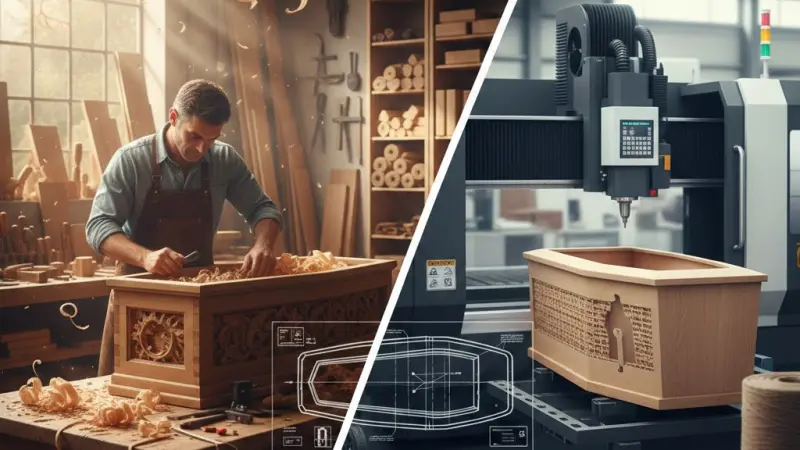
The coffin manufacturing sector in the United Kingdom occupies a unique and vital niche within the national economy. Often overlooked in broader industrial discussions, the production of coffins and caskets is a multi-million-pound industry that blends traditional craftsmanship with modern industrial efficiency. In the UK, the "death care" sector is a steady economic contributor, ensuring that the final rites of approximately 600,000 individuals annually are handled with dignity, safety, and cultural sensitivity.

Economic importance stems not just from the final product, but from a complex supply chain involving timber yards, textile manufacturers for interiors, metalworkers for handles and nameplates, and logistics specialists. Historically, coffin making was a localized craft, often handled by village carpenters. Today, while bespoke artisans still thrive, the industry is dominated by sophisticated manufacturing hubs that utilize CNC machinery and sustainable sourcing to meet high demand. For those looking to understand the breadth of this industry, consulting a uk online business directory reveals a diverse range of specialists, from high-volume manufacturers to boutique eco-friendly workshops.
This sector is fundamentally recession-proof, yet it remains highly sensitive to shifts in consumer sentiment and environmental policy. As the UK moves towards "Net Zero," manufacturers are under increasing pressure to innovate. The introduction of bio-coffins and the decline of traditional heavy oak in favor of FSC-certified veneers reflect a broader societal shift toward environmental stewardship. Understanding the intricacies of how these vessels are constructed, the regulations governing their use in crematoria, and the business dynamics of the suppliers is essential for both funeral professionals and informed consumers.
The Landscape of Coffin Mnfrs in the UK
The current landscape of coffin manufacturing in the UK is characterized by a fascinating tension between tradition and modernization. As of the post-pandemic era, the market has stabilized, yet the lessons learned during the peak of the COVID-19 crisis—where supply chains were pushed to their absolute limits—have reshaped how firms operate. Estimates suggest the UK funeral market is valued at over £2 billion, with coffin manufacturing accounting for a significant portion of the "disbursements" and direct costs associated with funeral arrangements.
Geographically, coffin manufacturing activity is concentrated in regions with strong historical ties to timber and furniture making. The West Midlands, parts of Yorkshire, and the North East remain central hubs where long-standing family businesses have scaled into national suppliers. These regions benefit from established logistics networks, allowing them to distribute products to funeral directors across the country with minimal lead times. To find specific regional players, many procurement officers utilize a uk business directory to identify local suppliers who can offer lower carbon footprints through reduced delivery distances.
Post-pandemic, the industry has seen a consolidation of smaller players and a renewed focus on "just-in-time" manufacturing. The crisis highlighted the fragility of imported components, leading to a "Buy British" resurgence within the sector. Manufacturers are now investing more heavily in domestic timber and local labor to ensure security of supply. Furthermore, there has been a notable shift in consumer behavior; there is a rising demand for personalization, with "lifestyle coffins" featuring custom prints or unique shapes becoming more mainstream, moving away from the Victorian-era uniformity that once defined the trade.
Comprehensive Services Breakdown
The services offered by modern coffin manufacturers go far beyond the simple assembly of wooden boxes. Today’s providers offer a tiered approach to products, catering to a wide array of religious, cultural, and personal preferences.
Traditional Solid Wood and Veneers
The bedrock of the industry remains the traditional coffin. This includes solid oak, mahogany, and pine, as well as high-quality veneered medium-density fiberboard (MDF) or chipboard. Veneered products are particularly popular due to their cost-effectiveness and consistency, though they must be manufactured to strict standards to ensure they do not emit harmful particulates during cremation.
Eco-Friendly and Natural Solutions
Sustainability is the fastest-growing sub-sector. Manufacturers now specialize in biodegradable options such as willow, seagrass, bamboo, and even recycled cardboard. These products are essential for woodland burials and are often hand-woven, requiring a different set of skills than traditional joinery. Many of these specialists are listed in the business listing uk section of professional directories, as they often start as small, craft-focused enterprises looking to gain market traction.
Bespoke and Personalised Services
Modern technology, specifically large-format digital printing, allows for coffins to be wrapped in imagery—ranging from favorite sports team colors to landscapes or floral patterns. This service allows families to celebrate a specific passion of the deceased, making the funeral a more personalized "celebration of life."
Interior Linings and Furnishings
The "fitting out" of a coffin is a service in itself. This includes the installation of leak-proof liners, satin or silk frills, and pillows. Manufacturers must ensure these textiles are combustible and non-toxic.
Hardware, such as handles and "wreaths," are also provided, often made from biodegradable plastics that mimic the appearance of brass or silver to comply with cremation regulations while maintaining a traditional aesthetic.
How to Choose the Right Service Provider
For funeral directors and consumers alike, selecting a manufacturer is a decision that involves balancing quality, ethics, and reliability. There are several key criteria that define an authoritative and trustworthy provider in this niche.
Accreditations and Standards
The most critical factor is compliance with the Funeral Furnishing Manufacturers’ Association (FFMA) or the Coffin Manufacturers Guild (CMG). These bodies ensure that coffins are tested for weight-bearing capacity and, crucially, for their "cremability." A coffin that fails to meet these standards can cause significant issues at a crematorium, potentially leading to the refusal of the service. Checking local business listings uk can help identify which providers prominently display their professional affiliations and certifications.
Insurance and Liability
Given the sensitive nature of the product, providers must carry comprehensive product liability insurance. This protects all parties in the unlikely event of a structural failure. Reputable manufacturers will be transparent about their insurance coverage and their quality control processes, which often involve rigorous stress-testing of handles and baseboards.
Reviews and Local Reputation
In a sector where word-of-mouth is paramount, local reputation is a strong indicator of service quality. High-volume manufacturers should be able to demonstrate a track record of reliability—ensuring that orders are delivered on time, every time. Families and funeral directors should look for verified testimonials. Exploring uk service listings provides a platform where reviews and ratings can be scrutinized to separate the industry leaders from the laggards.
Industry Challenges & Future Outlook
The coffin manufacturing industry is currently navigating a period of significant regulatory and technological transition. One of the primary challenges is the volatility of raw material costs. Timber prices have fluctuated wildly due to global geopolitical tensions and changes in trade agreements. This has forced manufacturers to become more efficient in their waste management, often repurposing wood offcuts into biomass fuel for their own factories.
Environmental regulation is the other major hurdle. The UK government’s Clean Air Strategy is placing tighter limits on emissions from crematoria. For manufacturers, this means a move away from certain glues, resins, and finishes that produce nitrogen oxides or mercury emissions. Innovation in "green chemistry" is therefore a major focus for the future. Many forward-thinking firms are already advertising their eco-credentials through a business listing uk to capture the growing "green funeral" market segment.
Technological shifts are also evident in the sales process. While the product remains physical, the "path to purchase" is increasingly digital. Manufacturers are using AR (Augmented Reality) to allow funeral directors to show 3D models of coffins to families on tablets, reducing the need for large, space-consuming showrooms. As we look to the next decade, we can expect to see further automation in the assembly line, alongside a total shift toward 100% biodegradable components across all product tiers.
Business Tips for Coffin Mnfrs Professionals
For professionals operating within this sector, maintaining a competitive edge requires more than just high-quality joinery; it requires a robust modern marketing strategy. Even in a traditional industry, digital visibility is the primary driver of new B2B and B2C inquiries.
Leverage Local SEO
Most funeral arrangements are handled within a 20-mile radius of the deceased's home. Therefore, coffin manufacturers—especially those offering bespoke or eco-friendly options—must dominate local search results. Ensuring your business is listed on a uk verified business listings site is the first step toward building local authority. Consistency in your Name, Address, and Phone number (NAP) across the web is vital for search engine trust.
Content Marketing and Education
Many consumers (and some junior funeral directors) are unaware of the differences in coffin materials or the regulations surrounding burials. By creating educational content—blogs, videos of the manufacturing
process, or infographics on sustainability—a business can position itself as a thought leader. This builds trust before a price list is even requested.
Digital Directories
Participation in high-quality digital directories is essential for B2B networking. Large-scale funeral groups often search for secondary suppliers to manage overflow during high-demand periods (such as winter flu seasons). Being present on a uk top rated local businesses list ensures that when these groups are looking for reliable partners, your firm is visible and vetted.
Wrapping Up & Local Page Integration
The coffin manufacturing industry is a cornerstone of the UK’s social and economic fabric. It is a sector that demands a rare combination of industrial precision, artistic flair, and deep emotional intelligence. As we have explored, the transition from traditional woodcraft to sustainable, tech-driven manufacturing is well underway, ensuring that the industry remains relevant in a changing world.
For manufacturers and service providers within this niche, the challenge is no longer just making a superior product; it is about being discovered by the right people at the right time. In an increasingly digital marketplace, a business’s online presence is its most valuable asset. This is where Local Page comes into play. As a premier uk local business directory, Local Page provides the infrastructure for UK businesses to showcase their expertise, connect with local clients, and build the backlinks necessary for SEO success.
By integrating your business into a trusted network, you ensure that your craftsmanship is seen by funeral directors, local authorities, and families across the country. Whether you are a large-scale factory or a small eco-artisan, visibility is the key to longevity in this essential British industry.
Boost Your Visibility with Local Page UK
In the competitive landscape of UK coffin manufacturing, digital presence is no longer optional. To reach the funeral directors and families who need your services, you must be visible where they are searching. Local Page UK offers a powerful platform to amplify your reach. We encourage all industry professionals to claim their business listing uk today to ensure your business is represented in the most authoritative find local businesses uk resource available.
Frequently Asked Questions (FAQs)
1. What are the most common materials used in UK coffin manufacturing?
In the UK, the majority of coffins are constructed from chipboard or MDF with a high-quality wood veneer, usually oak or mahogany. Solid wood coffins, while more expensive, are also popular for traditional burials. In recent years, there has been a significant surge in natural materials like willow, bamboo, seagrass, and wool, reflecting a growing demand for eco-friendly funeral options.
2. Are there specific regulations for coffins intended for cremation?
Yes, coffins destined for cremation must meet strict guidelines set by the Funeral Furnishing Manufacturers’ Association (FFMA). They must be made of combustible materials and must not contain certain plastics, lead, or zinc, which can release toxic chemicals or damage the cremator. Manufacturers must also ensure that the coffin is sturdy enough to be handled safely by funeral staff and crematorium machinery.
3. How has the pandemic affected the UK coffin supply chain?
The pandemic caused significant disruptions, particularly regarding the import of timber and pre-assembled coffins from abroad. This led to a "reshoring" trend where many UK funeral directors turned back to domestic manufacturers.
Since then, UK manufacturers have focused on building more resilient, local supply chains and increasing their warehouse capacity to handle sudden spikes in demand.
4. Can a coffin be fully customized with unique designs?
Absolutely. Many manufacturers now offer "picture coffins" which use high-resolution vinyl wraps to cover the exterior with any image or design the family chooses. This can range from landscape scenes and floral patterns to representations of hobbies, sports teams, or personal photographs. This level of personalization has become a key service offering in the modern British funeral industry.
5. Why is it important for a coffin manufacturer to be listed in a business directory?
Visibility is crucial for B2B relationships between manufacturers and funeral directors. Being part of a reputable Localpage ensures that your business can be found during procurement searches. It also helps with local SEO, making it easier for families who are looking for specific types of coffins—like eco-friendly or bespoke designs—to find a provider in their immediate area.
6. What is the difference between a coffin and a casket?
The primary difference is the shape. A coffin is "anthropoid" in shape, meaning it is wider at the shoulders and tapers toward the feet, with a removable lid. A casket is rectangular with a hinged lid, often split into two halves for viewing purposes. Caskets are generally more common in the UK, while the tapered coffin remains the traditional choice in the UK.
7. Are cardboard coffins actually sturdy enough for a funeral?
Yes, cardboard coffins are engineered to be surprisingly strong. They are constructed from high-grade, reinforced recycled cardboard and can typically support weights of up to 23 stone (approx. 146kg). They are a popular choice for families looking for a low-cost, highly sustainable, or fully biodegradable option, and they are fully accepted at almost all UK crematoria and burial grounds.
8. What are the environmental benefits of willow or seagrass coffins?
These materials are considered "carbon-neutral" because the plants absorb CO2 as they grow and are harvested sustainably without destroying the root system. They are also 100% biodegradable, making them ideal for natural or woodland burial sites. Because they are often hand-woven in the UK, they also carry a much lower carbon footprint than imported wooden products.
9. How do manufacturers ensure the safety of their products?
Manufacturers conduct rigorous weight-testing and "pull tests" on handles to ensure they can withstand the stresses of being carried by pallbearers. They also use specialized leak-proof linings to ensure public health and safety. Most reputable UK firms follow the standards laid out by the Coffin Manufacturers Guild to maintain consistent quality across their product lines.
10. Is it possible to buy a coffin directly from a manufacturer?
While some manufacturers deal exclusively with funeral directors (B2B), an increasing number are opening their doors to the public (B2C). This allows families to save on the markup often applied by funeral homes. However, it is essential to ensure that the manufacturer is reputable and that the coffin will be accepted by the chosen funeral director and the eventual burial or cremation site.
11. What role does technology play in modern coffin workshops?
Technology has revolutionized the trade. CNC (Computer Numerical Control) machines allow for precision cutting of timber, reducing waste and increasing speed. Digital printing technology allows for limitless customization. Additionally, many manufacturers now use sophisticated stock management software to ensure they can meet the "just-in-time" delivery requirements of the funeral industry.
12. What are the costs associated with different types of coffins?
Cardboard and simple wood veneers are the most affordable, typically starting around £200-£400 from a manufacturer. Natural woven coffins usually range between £400 and £900. Solid wood coffins (Oak or Mahogany) are at the higher end, often costing £1,000 to £3,000 depending on the complexity of the carvings and the quality of the interior silk linings.
13. How long does it take to manufacture a bespoke coffin?
A standard veneered coffin can often be delivered within 24 to 48 hours if it is in stock. A bespoke "picture coffin" or a custom-built solid wood vessel typically takes between 3 to 7 working days. Hand-woven willow coffins may take slightly longer if a specific size or shape is requested that is not currently in the weaver’s inventory.
14. What is the "Green Funeral" movement's impact on manufacturing?
The movement has forced a major shift in material science. Manufacturers are moving away from formaldehyde-based glues and oil-based varnishes in favor of water-based finishes and natural resins.
There is also a push for "metal-free" construction, using wooden dowels instead of screws, to ensure the entire vessel can return to the earth without leaving a trace.
15. How can I find a verified coffin manufacturer in my region?
The most efficient way to locate a reliable provider is to use a dedicated search platform. By checking the listings on Local page, you can filter results by location and service type. This ensures you are dealing with a legitimate business that has a verified presence in the UK market, helping you avoid middle-men and deal directly with the craftsmen.

Disclaimer: The information provided in this article is for general informational and research purposes only. Company details, features, services, and market positions may change over time. Readers are advised to visit official company websites and conduct independent research before making any business decisions or purchasing services.
Most Searchable Keywords

Recent Blogs


Related Listings


Categories
- Accountants (295)
- Advertising Agencies (559)
- Architects (149)
- Automobiles (377)
- Beauty (300)
- Carpenters (146)
- Cleaning Services (386)
- Dentists (189)
- Driving (62)
- Electricians (215)
- Energy (8)
- Event Organiser (685)
- Finance (599)
- Guide (3365)
- Health (2207)
- Information technology (206)
- Legal Services (353)
- Logistics (6)
- Maintenance (65)
- Manufacturing (35)

Sponsored Listings in Locksmith Services
Related Blogs

Gen Z Political Reporters and News Creators i...
Read this insightful article "Gen Z Political Reporters and News Creators in the UK" to expand your knowledge!

Famous Female Social Media Influencers Across...
Read this insightful article "Famous Female Social Media Influencers Across the UK" to expand your knowledge!

Your UK Sponsor Licence 2026 Step by Step Gui...
Read this insightful article "Your UK Sponsor Licence 2026 Step by Step Guide" to expand your knowledge!
Questions & Answers – Find What
You Need, Instantly!
How can I update my business listing?
Is it free to manage my business listing?
How long does it take for my updates to reflect?
Why is it important to keep my listing updated?
