
Central Heating Installation & Servicing for Energy Efficiency: The Definitive UK Guide
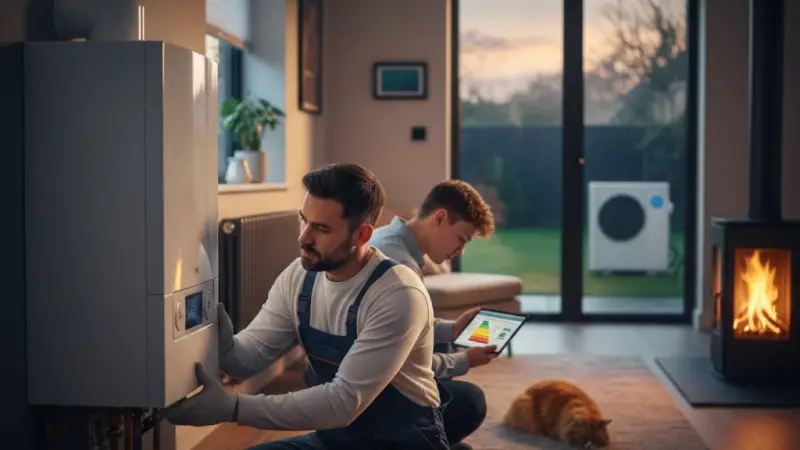
The central heating sector remains one of the most vital components of the United Kingdom’s domestic infrastructure and economic landscape. As a nation characterized by a temperate maritime climate, the demand for reliable, efficient, and safe heating solutions is not merely a matter of comfort but a fundamental requirement for public health and property maintenance. The central heating – installation & servicing industry contributes billions of pounds to the UK economy annually, supporting hundreds of thousands of jobs ranging from independent sole traders to large-scale national utility firms.
In the current economic climate, the sector is undergoing a profound transformation. With the UK government’s commitment to achieving net-zero carbon emissions by 2050, the way we heat our homes is being scrutinized more than ever. This has shifted the industry focus from simple maintenance to a high-tech, efficiency-driven consultancy model. Professionals in this field are no longer just "plumbers"; they are energy efficiency experts. For consumers and businesses alike, navigating this complex market requires a reliable uk online business directory to bridge the gap between technical need and professional expertise.
The economic importance of this sector cannot be overstated. Beyond the direct revenue generated by boiler sales and service contracts, the industry plays a critical role in the broader energy market. Efficiently installed and maintained systems directly reduce national energy consumption, easing the strain on the National Grid and helping the country meet international environmental obligations. Furthermore, the industry is a cornerstone of the UK’s vocational training system, providing essential apprenticeships and continuous professional development in engineering and renewable technologies.
As we look toward a future of hybrid systems, heat pumps, and hydrogen-ready boilers, the central heating installation and servicing sector stands at the forefront of the green industrial revolution. This guide explores the intricate landscape of the industry, offering insights for both the discerning homeowner looking for efficiency and the business professional aiming to thrive in a competitive digital marketplace.
The Landscape of Central Heating – Installation & Servicing in the UK
The UK heating market is one of the most established in the world, largely due to the widespread adoption of natural gas as a primary fuel source since the late 1960s. Today, over 80% of British homes rely on gas central heating. However, the post-pandemic era has introduced significant shifts in market dynamics. Supply chain disruptions initially slowed the pace of new installations, but a subsequent surge in home improvement spending has led to a buoyant market. Currently, the industry is valued at several billion pounds, with regional activity peaking in high-density urban areas such as Greater London, the West Midlands, and the North West.
The evolution of the industry post-COVID-19 has been marked by a rapid digital acceleration. Customers who previously relied on word-of-mouth are now turning to a uk business directory to verify credentials and read peer reviews before inviting a technician into their home. This transparency has forced a "survival of the fittest" scenario where quality of service and digital presence are equally weighted.
Geographically, the "Boiler Upgrade Scheme" and various local authority grants have spurred activity in regions that were previously lagging. In Scotland and Wales, stricter environmental regulations have accelerated the adoption of alternative heating technologies. Meanwhile, in London and the South East, the high cost of energy has made "efficiency servicing" a high-demand niche, where technicians optimize existing systems to shave pounds off monthly bills. The industry has moved away from a reactive "fix-it-when-it-breaks" mentality toward a proactive, data-driven maintenance approach.
Comprehensive Services Breakdown
A modern central heating professional offers a suite of services that goes far beyond simply turning a wrench. To understand the value of these professionals, one must look at the technical breadth of their offerings.
System Design and Installation: This involves calculating the "heat loss" of a property to ensure the boiler or heat pump is correctly sized. An undersized unit will work too hard and fail early; an oversized unit will waste energy.
Annual Boiler Servicing: This is the bread-and-white of the industry. A comprehensive service includes checking gas pressure, cleaning components, and ensuring there are no carbon monoxide leaks.
Power Flushing: Over time, sludge builds up in radiators, reducing efficiency. Power flushing uses chemicals and high-pressure water to clear the system, often improving efficiency by up to 15%.
Smart Control Integration: Installing Nest, Tado, or Hive systems allows homeowners to manage their heating via smartphones, which is a major trend in the UK right now.
Renewable Transitions: Many firms now offer air-source and ground-source heat pump installations.
For businesses providing these specialized services, visibility is key to survival. By utilizing a business listing uk, smaller independent firms can compete with national giants by highlighting their specific local expertise and specialized service offerings. The rise of "Hybrid Heating" — where a gas boiler works in tandem with an electric heat pump — represents the next major service frontier, requiring technicians to hold dual qualifications in gas and F-Gas handling.
How to Choose the Right Service Provider
Selecting a heating engineer in the UK is a decision that impacts both safety and finances. The primary baseline for any gas heating work is the Gas Safe Register. It is illegal for anyone to work on gas appliances without being on this register. However, a truly professional service provider should offer more than just the legal minimum.
When searching for local business listings uk, consumers should look for:
Accreditations: Look for manufacturers' "Approved Installer" status (e.g., Worcester Bosch, Vaillant, or Viessmann). This often allows the installer to offer extended warranties of up to 12 years.
Insurance: A minimum of £2 million in Public Liability Insurance is standard for reputable tradespeople.
Online Reputation: Reviews on independent platforms provide a window into the provider's reliability and aftercare service.
Transparent Pricing: Beware of quotes that seem too low; they often hide "hidden extras" like flue kits or system filters.
Choosing a provider with a strong local reputation ensures that if an emergency occurs in the dead of winter, you aren't waiting for a technician to travel from the other side of the country. Local knowledge of water hardness and typical housing stock in specific UK towns can also lead to more accurate system balancing.
Industry Challenges & Future Outlook
The central heating industry is currently facing its most significant challenge: the transition away from fossil fuels. The UK government’s "Heat and Buildings Strategy" aims to phase out the installation of new natural gas boilers by 2035. This has created a "skills gap" where the industry must rapidly retrain thousands of engineers to handle heat pumps and potentially hydrogen-based systems.
Sustainability is no longer a buzzword; it is a regulatory requirement. New Part L building regulations require higher standards of insulation and lower flow temperatures for heating systems. For the professional, this means more complex installations. For the consumer, it means higher upfront costs but lower long-term environmental impact. Many businesses are pivoting to meet this demand, ensuring they are found on a business listing uk to capture the growing "green-conscious" demographic.
The future outlook is one of "Electrification of Heat." As the grid becomes greener with wind and solar, electric heating solutions become more viable. We expect to see a surge in thermal storage technology and infrared heating panels as complementary technologies to traditional central heating.
Business Tips for Central Heating Professionals
For the central heating professional, technical skill is only half the battle. In a crowded market, marketing and digital visibility are the engines of growth. Most customers now start their search on mobile devices, looking for "heating engineer near me."
To thrive, a local business must:
Claim Digital Real Estate: Ensure your business is listed on every relevant uk service listings to improve local SEO.
Highlight Reviews: Encourage every satisfied customer to leave a review. In the trade industry, trust is the most valuable currency.
Content Marketing: Use your website or social media to explain why a service is needed. A video explaining "why your radiators are cold at the bottom" establishes you as an authority.
Local Networking: Partner with local estate agents or property managers who require regular gas safety certificates (CP12s).
The shift toward digital transparency means that a business without an online footprint is essentially invisible to the modern consumer. Even the most skilled veteran of the trade must adapt to these digital discovery methods to ensure a steady pipeline of work throughout the year, not just during the "winter rush."
Wrapping Up & Local Page Integration
In conclusion, the Central Heating – Installation & Servicing sector is a cornerstone of UK life, evolving from a traditional trade into a sophisticated, energy-focused profession. As we navigate the complexities of rising energy costs and environmental responsibilities, the value of a professional, efficient heating system has never been higher.
For the consumer, finding a verified professional is a matter of safety and long-term savings. For the business owner, being visible in an increasingly digital world is the key to longevity. This is where uk local business directory platforms become indispensable. By connecting skilled tradespeople with the communities that need them, we ensure that the UK’s homes remain warm, safe, and efficient for generations to come.
As the industry continues to move toward a greener future, staying connected and informed will be the differentiator between success and obsolescence. Whether you are looking for a service or looking to grow your firm, the right digital infrastructure is your most important tool.
Boost Your Visibility with Local Page UK
In the competitive Central Heating – Installation & Servicing sector, your skills deserve to be seen. Local Page UK is the premier destination for British businesses to establish their digital presence and connect with local customers. Don't let your competitors take the lead. Claim your business listing uk today and join a network of verified professionals dedicated to quality and service.
Frequently Asked Questions (FAQs)
1. How often should I have my central heating system serviced?
It is strongly recommended that you have your central heating system, particularly your boiler, serviced once every year. An annual service ensures that the system is running at peak efficiency, which helps to keep energy bills lower. More importantly, it is a vital safety check to ensure there are no carbon monoxide leaks or faulty components that could lead to fires.
Most manufacturer warranties also require an annual service by a Gas Safe registered engineer to remain valid. Regular maintenance can catch small issues before they become expensive emergency repairs, typically during the coldest months when you need the heating most.
2. What is a Gas Safe registered engineer and why is it important?
A Gas Safe registered engineer is a professional who has been officially recognized and vetted by the UK’s gas safety authority. By law, anyone working on gas appliances—including boilers, cookers, and fires—must be on the Gas Safe Register. Hiring an uncertified individual is not only illegal but extremely dangerous, as incorrect gas work can lead to explosions or carbon monoxide poisoning. Always ask to see the engineer’s ID card, which lists their registration number and the specific types of gas work they are qualified to perform. Verified professionals can often be found through a uk verified business listings provider to ensure peace of mind.
3. Can a new central heating system really save me money on energy bills?
Yes, upgrading to a modern, A-rated condensing boiler or a heat pump can significantly reduce your energy consumption. Older non-condensing boilers often operate at efficiencies as low as 60-70%, meaning for every pound spent, 30-40p is wasted. Modern systems are typically over 90% efficient. When combined with smart thermostats and thermostatic radiator valves (TRVs), a new installation can save the average UK household between £200 and £500 per year, depending on the fuel type and previous system. Over the lifespan of the boiler, the system often pays for itself through these energy savings.
4. What are the signs that my central heating system needs a power flush?
There are several tell-tale signs that your system is suffering from a buildup of sludge and magnetite. If your radiators have cold spots at the bottom, if the boiler is making "kettling" noises (like a boiling kettle), or if your hot water takes a very long time to heat up, a power flush may be required. Other indicators include frequently needing to bleed your radiators or the pump failing prematurely. A power flush cleans the internal pipework and radiators, restoring heat distribution and protecting the boiler’s heat exchanger from damage, ultimately extending the life of your entire heating system.
5. How can I find a reliable local heating engineer in my area?
Finding a reliable engineer involves checking credentials, reading customer feedback, and verifying local presence. You should use a reputable Localpage to filter through service providers in your specific town or city. Look for engineers who have consistent positive reviews and who are transparent about their pricing. It is often beneficial to choose a local provider rather than a national firm, as local engineers rely heavily on their community reputation and are often more responsive for follow-up visits or minor adjustments after an installation is complete.
6. What is the difference between a combi, system, and regular boiler?
A combination (combi) boiler provides both heating and hot water directly from the mains without needing tanks, making it ideal for smaller homes. A system boiler requires a cylinder for storing hot water but doesn't need tanks in the loft, suitable for homes with multiple bathrooms. A regular (conventional) boiler requires both a hot water cylinder and a cold water storage tank, typically found in older, larger properties with traditional plumbing. Choosing the right one depends on your water usage habits, the number of bathrooms you have, and the available space in your property for tanks.
7. Is the UK really banning gas boilers by 2035?
The UK government has set a target to phase out the installation of new "natural gas-only" boilers in new-build homes starting in 2025, with a broader ambition to move away from fossil fuel heating by 2035. This doesn't mean you have to rip out your existing boiler; rather, when your current boiler reaches the end of its life after 2035, you will likely be encouraged or required to replace it with a low-carbon alternative like a heat pump or a hydrogen-ready boiler. This is part of the national strategy to reach net-zero carbon emissions and reduce reliance on imported natural gas.
8. What are the benefits of installing a smart thermostat?
Smart thermostats, such as Nest or Hive, allow you to control your heating remotely via a smartphone app. The primary benefit is improved efficiency; you can turn the heating off if you’ve left home and forgot, or heat the house just before you return. Many smart systems "learn" your schedule and the thermal properties of your home, optimizing when the boiler fires up to save energy. Some also provide insights into your energy usage patterns, helping you identify further ways to save money. They are a relatively low-cost upgrade that can yield significant convenience and financial returns.
9. How long does a typical boiler installation take?
A straightforward "like-for-like" boiler swap, where the new boiler goes in the same location as the old one, usually takes one day. However, if you are converting from a traditional system to a combi boiler, or moving the boiler to a different room, the process can take two to three days. This involves decommissioning old tanks, installing new pipework, and ensuring the flue meets current building regulations. A professional engineer will always include a system flush and a thorough commissioning process as part of the installation timeframe to ensure everything is working perfectly before they leave.
10. Do I need to bleed my radiators every year?
You should only need to bleed your radiators if you notice they are cold at the top while the heating is on. This indicates that air is trapped in the system, preventing hot water from filling the radiator. While it’s good practice to check them as winter approaches, frequent needing to bleed radiators suggests there might be a small leak or a more serious issue with the expansion vessel or the system’s pressure. If you find yourself bleeding them more than once a year, it is worth consulting a professional to check for underlying faults in the sealed system.
11. What is a magnetic system filter and do I need one?
A magnetic system filter is a device installed on the return pipework of your heating system. It is designed to catch black iron oxide (sludge) before it can enter the boiler. Since modern boilers have very narrow waterways, even a small amount of sludge can cause a breakdown. Most manufacturers now insist on a magnetic filter being installed alongside a new boiler to validate the warranty. It is a highly effective, low-maintenance way to protect your investment and maintain the efficiency of your heating system over many years.
12. Are air source heat pumps suitable for all UK homes?
While air source heat pumps are highly efficient, they work differently than gas boilers. They produce heat at a lower temperature over a longer period. To be effective, a home must be well-insulated with minimal draughts. In some cases, you may need larger radiators to provide enough surface area to warm the room. While most homes can technically accommodate a heat pump, the upfront cost and the requirement for external space for the fan unit mean they are currently more popular in new builds or major renovations. Consulting a specialist is essential to determine if your property is "heat pump ready."
13. What should I do in a heating emergency during winter?
If your heating fails in winter, first check your boiler’s display for an error code, which you can look up in the manual. Check that your thermostat has power and your credit hasn't run out on a prepaid meter. If these aren't the issue, you should contact an emergency heating engineer. It is always wise to have the contact details of a local professional saved in advance. You can find emergency responders by searching through uk local trades directory platforms, which often highlight businesses that offer 24/7 call-out services for vulnerable residents or families.
14. What is the Boiler Upgrade Scheme (BUS)?
The Boiler Upgrade Scheme is a UK government initiative that provides financial grants to help homeowners cover the upfront cost of replacing fossil fuel heating systems with low-carbon alternatives. Currently, the scheme offers up to £7,500 off the cost of an air source or ground source heat pump.
The goal is to make renewable heating more affordable for the average household. To benefit from the scheme, you must use an MCS-certified installer, and your property must have a valid Energy Performance Certificate (EPC) with no outstanding recommendations for loft or cavity wall insulation.
15. Why should I list my heating business on a directory?
Listing your business on a reputable directory is essential for modern customer acquisition. It improves your local SEO, making it more likely that your business appears when customers search for "boiler repair" in your town. It also provides a centralized place for customer reviews and verification of your credentials, which builds immediate trust with potential clients. For independent tradespeople, a well-managed profile on a Local page serves as a cost-effective marketing tool that works 24/7 to generate leads and grow your local reputation.
Disclaimer: The information provided in this article is for general informational and research purposes only. Company details, features, services, and market positions may change over time. Readers are advised to visit official company websites and conduct independent research before making any business decisions or purchasing services.
Most Searchable Keywords
Recent Blogs


Related Listings
Categories
- Accountants (295)
- Advertising Agencies (559)
- Architects (149)
- Automobiles (377)
- Beauty (300)
- Carpenters (146)
- Cleaning Services (387)
- Dentists (189)
- Driving (62)
- Electricians (215)
- Energy (8)
- Event Organiser (686)
- Finance (602)
- Guide (3373)
- Health (2207)
- Information technology (206)
- Legal Services (353)
- Logistics (6)
- Maintenance (65)
- Manufacturing (35)
Sponsored Listings in Travel Agencies


Related Blogs

Explore Dog Friendly Walks in the Cotswolds f...
Read this insightful article "Explore Dog Friendly Walks in the Cotswolds for 2026" to expand your knowledge!

How Much Do UK Actors Really Earn Full Indust...
Read this insightful article "How Much Do UK Actors Really Earn Full Industry Breakdown" to expand your knowledge!

Blue Light Card UK 2026 Check Eligibility and...
Read this insightful article "Blue Light Card UK 2026 Check Eligibility and Claim" to expand your knowledge!
Questions & Answers – Find What
You Need, Instantly!
How can I update my business listing?
Is it free to manage my business listing?
How long does it take for my updates to reflect?
Why is it important to keep my listing updated?
