
Charity Shops Guide to Sustainable & Purpose-Driven Shopping
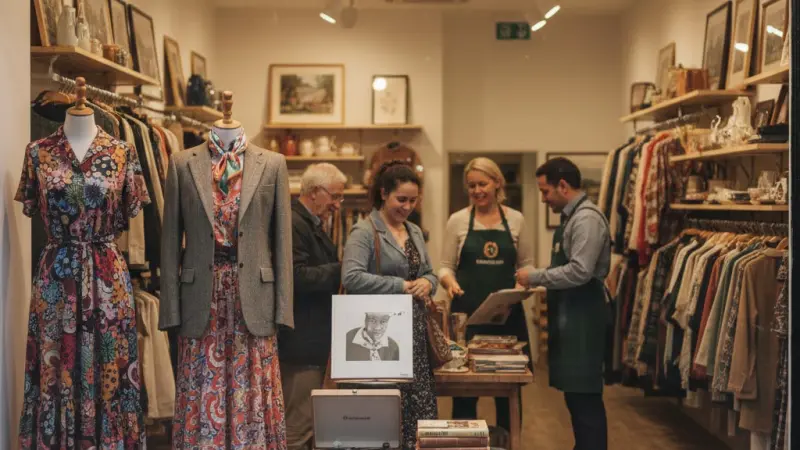
The British high street is undergoing a profound transformation, and at the heart of this evolution lies the charity shop. Once viewed merely as repositories for unwanted bric-a-brac, these establishments have matured into sophisticated retail operations that serve as the backbone of the UK’s circular economy. For any savvy consumer or business analyst, understanding the uk business directory website landscape reveals that charity shops are no longer peripheral; they are essential economic and social engines.
Currently, the UK boasts over 11,000 charity shops, contributing more than £360 million annually to various causes, ranging from medical research and animal welfare to poverty alleviation. This sector is a unique hybrid of retail excellence and philanthropic intent. Beyond the financial contributions, charity shops prevent approximately 339,000 tonnes of textiles from entering landfills each year, making them the vanguard of sustainable commerce. As consumers increasingly prioritize ethical consumption, the charity shop offers a "purpose-driven" alternative to the fast-fashion giants that dominated previous decades.
The importance of these shops extends to the local community level. They provide employment for thousands and volunteer opportunities for hundreds of thousands more, fostering social cohesion and offering a platform for skill development. In an era where digital commerce is rampant, the physical presence of a charity shop provides a tactile, communal shopping experience that keeps high streets vibrant. For those looking to support these initiatives, using a find local businesses uk tool is the first step in discovering the hidden gems within their own postcodes.
The Landscape of Charity Shops in the UK
The current market size of the charity retail sector is a testament to its resilience. Despite the economic headwinds facing the broader retail industry, charity shops have seen a resurgence in footfall. Post-pandemic, the "cost of living crisis" has further accelerated this trend, as households seek value without compromising on quality. Regionally, while London and the South East boast a high density of flagship "boutique" charity shops, the industrial heartlands of the North and the Midlands rely on these stores as vital hubs for affordable essentials.
Post-pandemic, the industry has undergone a digital revolution. Many charities have embraced e-commerce, listing premium items on specialized platforms or maintaining their own online storefronts. However, the physical shop remains the primary touchpoint for donors and shoppers alike. The evolution has seen shops moving away from cluttered, "dusty" layouts toward curated, high-end environments that rival traditional department stores. This shift is reflected in the growing number of professional listings found on a uk local business directory, where charity retailers now stand alongside mainstream commercial enterprises.
Furthermore, the rise of the "Gen Z" shopper has reshaped the landscape. This demographic views second-hand shopping (or "thrifting") as a badge of honor—a way to express individuality while protesting against the environmental impact of mass production. This cultural shift has forced charity retailers to improve their visual merchandising, social media presence, and overall customer service. As the sector continues to professionalize, it occupies an increasingly large share of the local businesses list uk, signaling a permanent change in how the British public perceives value and ethics in retail.
Comprehensive Services Breakdown
Charity shops offer a diverse array of services that go far beyond the simple sale of used clothing. To understand the depth of this sector, one must look at the specialized niches that have emerged.
Textiles and Fashion: This remains the core service. Shops now often employ "fashion leads" to identify designer labels and vintage pieces. Some charities have even launched their own upcycled brands, taking donated items that are damaged and turning them into new, trendy garments.
Furniture and Electricals: Large-scale charity warehouses specialize in "pre-loved" furniture. These operations often include collection services for donors and delivery for buyers. Crucially, reputable electrical charity retailers ensure all items undergo PAT (Portable Appliance Testing) for safety.
Specialist Bookshops and Media: Certain outlets focus exclusively on literature, rare maps, and vinyl records. These shops serve as cultural preserves, often staffed by experts who can provide appraisals and historical context.
House Clearances and Recycling: Many charities offer house clearance services, providing a sensitive and eco-friendly way for families to manage estates. Items that cannot be sold are often recycled through professional partners.
Gift Aid Management: A critical administrative service where shops track donations from UK taxpayers to
claim an extra 25% from the government, significantly boosting the impact of every sale.
For those interested in the operational side of these services, exploring a business listing uk can highlight how charities categorize their offerings to reach different segments of the market. From bridal boutiques to music specialists, the modern charity shop is a multifaceted service provider that requires rigorous inventory management and logistics.
How to Choose the Right Service Provider
Whether you are a donor looking to offload high-value items or a shopper looking for a specific vintage piece, choosing the right charity retailer is paramount. Here is a consumer guide on what to evaluate:
Accreditations: Look for the "Charity Retail Association" (CRA) logo. Members of the CRA adhere to a code of practice that ensures ethical treatment of volunteers, fair pricing, and transparency in how funds are used.
Local Reputation and Reviews: In the digital age, even charity shops are subject to public scrutiny. Checking uk top rated local businesses can provide insights into which shops offer the best customer service and the most curated selections.
Insurance and Safety: For furniture or electrical purchases, verify that the shop has public liability insurance and provides safety certifications for their products.
Transparency: A reputable charity will be clear about what percentage of their revenue goes directly to the cause versus administrative costs. This information should be readily available on their website or upon request.
By consulting a uk local business search, users can filter shops by category and location, ensuring they find a provider that aligns with their specific needs and ethical standards. Reputation is the currency of the charity sector; therefore, shops that maintain high ratings on local platforms are often the most reliable.
Industry Challenges & Future Outlook
The charity retail sector is not without its hurdles. One of the primary challenges is the increasing cost of overheads, including business rates and energy bills. Furthermore, the quality of donations has seen a decline due to the "ultra-fast fashion" trend, where low-quality garments are discarded quickly and have little resale value.
Technology is the primary driver of the future outlook. We are seeing a shift toward "smart" charity shops that use AI to price items accurately based on current market trends. Sustainability initiatives are also moving beyond just "selling used goods." Many charities are now implementing zero-waste policies in their supply chains and partnering with textile recyclers to ensure that even the unwearable "rag" is processed responsibly.
Regulatory changes in the UK, particularly regarding waste management and ESG (Environmental, Social, and Governance) reporting, will require charity shops to be more data-driven. To stay competitive, these organizations are increasingly using a business listing uk to boost their visibility and attract a younger, tech-savvy donor base. The future will likely see more collaborations between charities and traditional retailers, such as "pop-up" shops in major malls, further blurring the lines between the third sector and the high street.
Business Tips for Charity Shops Professionals
For managers and trustees, marketing a local charity shop requires a blend of traditional community engagement and modern digital strategy.
Digital Visibility: Your shop must be findable online. This doesn't just mean a website; it means being present where people search.
Listing your shop on a uk verified business listings site ensures that when someone searches for "vintage clothes near me," your shop appears as a credible option.
Social Media Storytelling: Don't just post pictures of clothes. Tell the story of the donor or the specific impact a sale has made. Use platforms like Instagram and TikTok to showcase "staff picks" or "transformation" videos of upcycled items.
Local SEO: Ensure your Google Business Profile and other directory entries are consistent. Using a local business listings uk platform helps search engines verify your location and authority, improving your rank in local search results.
Volunteer Engagement: Your volunteers are your best brand ambassadors. Train them not just in retail, but in the mission of the charity. A passionate volunteer can turn a one-time shopper into a lifelong supporter.
In a crowded marketplace, professionalizing your online presence is non-negotiable. Utilizing a business listing uk service allows even small, independent charity shops to compete with larger national chains for local attention.
Wrapping Up & Local Page Integration
The UK charity shop industry is a vibrant, essential part of our national identity. It offers a solution to the environmental crisis of overconsumption while providing a financial lifeline to some of the world’s most important causes. As we move toward a more conscious future, the role of these shops will only grow in significance.
For charity shop professionals and local business owners, navigating the digital landscape can be daunting. This is where Local Page becomes an invaluable partner. As a premier uk online business directory, it bridges the gap between purpose-driven businesses and local consumers. By integrating your business into a trusted network, you ensure that your mission is seen by those who care most. Whether you are searching for a specialized service or looking to list your own shop, the right directory is the key to unlocking local potential and fostering a sustainable, community-focused economy.
Boost Your Visibility with Local Page UK
In the competitive landscape of UK retail, charity shops must prioritize their online presence to attract donors and shoppers alike. Being found by your local community is the most effective way to drive footfall and increase your charitable impact. We encourage all charity shop managers and third-sector professionals to claim their business listing uk on Local Page UK today. Join thousands of verified businesses and ensure your purpose-driven shop is visible to the millions of users searching for ethical shopping options every month.
FAQ
1. What are the main benefits of shopping at UK charity shops?
Shopping at charity shops offers a triple win: it is cost-effective for the consumer, environmentally friendly by promoting the circular economy, and financially supportive of vital charitable causes. By purchasing pre-loved items, you reduce the demand for new resource-heavy production and prevent usable goods from ending up in landfills. Many shoppers also find unique, high-quality, or vintage items that are unavailable in mainstream retail outlets, allowing for a more personalized and sustainable wardrobe.
2. How can I ensure my donations are used effectively?
To ensure your donations have the maximum impact, choose charities that are transparent about their operations and are members of the Charity Retail Association. Before donating, ensure items are clean, functional, and in sellable condition, as disposing of unsellable waste actually costs charities money.
You can also sign up for Gift Aid, which allows the charity to claim an extra 25p for every £1 your items sell for, at no extra cost to you.
3. Are electrical items safe to buy from charity shops?
Yes, provided you buy from reputable retailers. Professional charity shops that sell electrical goods are required to perform PAT (Portable Appliance Testing) on all items to ensure they meet safety standards. Always look for a safety sticker on the lead or plug. If you are unsure, check the shop's profile on a local directory to see if they specialize in furniture and electricals, as these outlets have the specific expertise and equipment required for safety testing.
4. How do charity shops determine the pricing of their items?
Pricing is typically based on a combination of brand value, item condition, and local market demand. Many modern charity shops use digital tools and online marketplaces to research the "fair market value" of high-end or vintage goods. While the goal is to provide value to the shopper, the primary mission is to raise as much money as possible for the charity's cause. Managers often strike a balance between quick turnover and maximizing the donation's worth.
5. Where can I find a list of the best charity shops in my area?
The most efficient way to locate top-rated charity shops is to use a dedicated platform like Localpage. These directories allow you to filter by location and category, such as "clothing," "furniture," or "books." By looking at verified listings and community reviews, you can discover hidden gems that offer the best selection and support the causes you care about most. Online searches for "charity shops near me" are greatly enhanced by these structured directories.
6. Can businesses donate surplus stock to charity shops?
Absolutely. Corporate donations of surplus or "end-of-line" stock are highly valued by charities. This practice helps businesses meet their Corporate Social Responsibility (CSR) goals and reduces waste disposal costs. Some charities specialize in receiving large-scale commercial donations and can provide "impact reports" showing how the stock was used. It is a fantastic way for the commercial sector to support the third sector while optimizing their inventory management.
7. What happens to items that charity shops cannot sell?
Items that do not sell after a certain period or are not in sellable condition are typically sent to textile recyclers, often referred to as "rag merchants." Charities receive a per-tonne payment for these materials, ensuring that even unwearable items generate income for the cause. This process ensures a "zero-waste" approach, where materials are repurposed into industrial cloths, insulation, or new fibers, further contributing to the UK’s sustainability goals.
8. How has the digital shift affected traditional charity shops?
The digital shift has expanded the reach of charity shops significantly. Many now operate eBay, Depop, or specialized online stores to reach a global audience for high-value items. This "clicks and mortar" approach helps maximize revenue. However, the physical shop remains vital for community presence and receiving donations. Digital tools have also improved inventory tracking and local marketing, making it easier for shops to connect with their immediate neighborhood.
9. Are there specialized charity shops for furniture and home goods?
Yes, many larger charities like the British Heart Foundation and Sue Ryder operate dedicated furniture and electrical stores. These shops are designed to handle bulky items and often offer collection and delivery services. They are excellent resources for students, first-time homeowners, or anyone looking for high-quality furniture at a fraction of the high-street price. Such shops usually have large showrooms and specialized staff to assist with interior needs.
10. How do charity shops contribute to the UK economy?
Beyond the millions raised for charity, the sector supports the economy by providing over 25,000 jobs and saving local councils millions in waste disposal costs. By keeping high streets occupied and attracting footfall, they help maintain the commercial viability of local town centers. They also provide a vital "social safety net" by offering affordable essentials to low-income households, which is particularly crucial during periods of economic instability or high inflation.
11. Can I volunteer at a charity shop if I only have a few hours?
Most charity shops are incredibly flexible and welcome volunteers who can spare even just two or three hours a week. Roles vary from front-of-house customer service and till operation to back-room sorting, pricing, and steaming clothes. Volunteering is a great way to gain retail experience, meet new people, and give back to the community. Many shops provide full training, making it an ideal opportunity for students, retirees, or those looking to return to work.
12. What is "Boutique" charity shopping?
"Boutique" charity shops are curated outlets located in affluent areas or trendy neighborhoods. They focus on high-end designer brands, premium vintage pieces, and luxury homeware. The store layout is often indistinguishable from a high-end retail boutique, with professional window displays and a high level of customer service. These shops cater to the "fashion-forward" shopper who wants the thrill of the find combined with an ethical and premium shopping experience.
13. Is there a regulatory body for charity shops in the UK?
While the Charity Commission regulates the charities themselves, the Charity Retail Association (CRA) acts as the primary membership body for the shops. The CRA provides guidance on best practices, health and safety, and ethical standards. Engaging with a shop that is a member of the CRA ensures that you are supporting an organization that operates with integrity and follows the highest standards of professional retail management in the third sector.
14. How do I get my charity shop listed in a directory?
Shop managers can easily list their establishments by visiting a business directory and selecting the "add listing" option. You will need to provide the shop's name, address, contact details, and a brief description of what you sell.
Adding high-quality photos and accurate opening hours will help attract more local shoppers. Being part of a verified directory increases your shop's credibility and makes it much easier for donors to find your drop-off points.
15. Why is local visibility so important for charity retailers?
Local visibility is the lifeblood of a charity shop because they rely on the immediate community for both donations and sales. If a neighbor doesn't know you exist, they might throw away items that could have been sold. By appearing in a Local page search, you ensure that you are the first choice for locals who want to declutter or shop sustainably. Digital presence turns local residents into active participants in your charity’s mission.
Disclaimer: The information provided in this article is for general informational and research purposes only. Company details, features, services, and market positions may change over time. Readers are advised to visit official company websites and conduct independent research before making any business decisions or purchasing services.
Most Searchable Keywords
Recent Blogs


Related Listings

Categories
- Accountants (295)
- Advertising Agencies (559)
- Architects (149)
- Automobiles (377)
- Beauty (300)
- Carpenters (146)
- Cleaning Services (387)
- Dentists (189)
- Driving (62)
- Electricians (215)
- Energy (8)
- Event Organiser (686)
- Finance (602)
- Guide (3373)
- Health (2207)
- Information technology (206)
- Legal Services (353)
- Logistics (6)
- Maintenance (65)
- Manufacturing (35)
Sponsored Listings in Travel Agencies


Related Blogs

Explore Dog Friendly Walks in the Cotswolds f...
Read this insightful article "Explore Dog Friendly Walks in the Cotswolds for 2026" to expand your knowledge!

How Much Do UK Actors Really Earn Full Indust...
Read this insightful article "How Much Do UK Actors Really Earn Full Industry Breakdown" to expand your knowledge!

Blue Light Card UK 2026 Check Eligibility and...
Read this insightful article "Blue Light Card UK 2026 Check Eligibility and Claim" to expand your knowledge!
Questions & Answers – Find What
You Need, Instantly!
How can I update my business listing?
Is it free to manage my business listing?
How long does it take for my updates to reflect?
Why is it important to keep my listing updated?
