
Chemical Recycling & Disposal Services for Environmental Safety
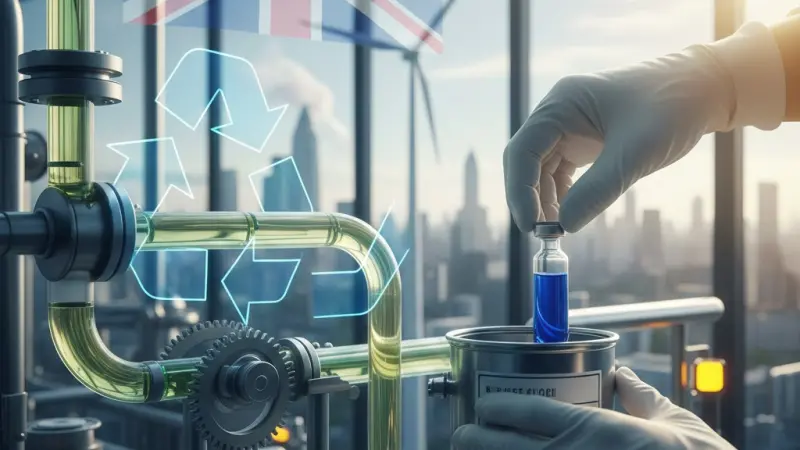
The Chemical Recycling & Disposal Services sector represents a cornerstone of the United Kingdom’s industrial and environmental infrastructure. As the UK transitions toward a more circular economy, the management of hazardous and non-hazardous chemical waste has evolved from a back-end utility into a high-tech, high-value strategic industry. Economically, this sector contributes significantly to the UK’s GDP, supporting thousands of highly skilled jobs in engineering, chemistry, and logistics. Beyond the balance sheets, its role in safeguarding environmental health is unparalleled. Without robust chemical disposal frameworks, the risk of soil contamination, water table pollution, and atmospheric damage would threaten both public safety and the nation's natural heritage.

The importance of this sector is underscored by the stringent regulatory landscape managed by the Environment Agency (EA) and the Scottish Environment Protection Agency (SEPA). Businesses operating in this space are not merely service providers; they are compliance partners that help the manufacturing, pharmaceutical, and agricultural sectors navigate the complexities of the Hazardous Waste Regulations 2005. In an increasingly digital world, these specialist providers are becoming more accessible to SMEs through the use of a uk online business directory, ensuring that even the smallest laboratories can find certified disposal experts.
The Landscape of Chemical Recycling & Disposal Services in the UK
The UK market for chemical waste management is characterized by a mix of multinational conglomerates and specialized regional players. Post-pandemic, the industry has seen a sharp increase in demand, driven by the resurgence of British manufacturing and a renewed focus on domestic supply chain resilience. Key regions of activity remain concentrated around the industrial heartlands of the North West (the "Chemical Northwest" cluster), the Northeast’s Teesside, and the industrial corridors of the Midlands. These hubs have evolved rapidly, integrating advanced digital management systems to track waste from cradle to grave.
Post-pandemic shifts have also highlighted a move toward "Chemical Recycling" over traditional incineration or landfill. Technologies such as pyrolysis and gasification are gaining traction, allowing plastic and chemical waste to be broken down into their original molecular components. This evolution is essential for meeting the UK’s "Net Zero" targets by 2050. For procurement managers looking for these evolved specialists, utilizing a uk local business directory has become the standard method for verifying the geographical reach and technical capability of local firms.
Comprehensive Services Breakdown
The services offered within this niche are highly specialized. They range from the collection of "lab smalls" (small quantities of diverse chemicals) to the bulk removal of industrial effluents.
Chemical Distillation and Solvent Recovery: Many solvents used in industrial processes can be purified and returned to the client, or sold as recycled products. This circular approach reduces the need for virgin chemical production.
Physico-Chemical Treatment: This involves neutralizing acids or alkalis and the precipitation of heavy metals, rendering hazardous waste safe for further treatment or disposal.
High-Temperature Incineration (HTI): For certain toxic organic compounds that cannot be recycled, HTI remains the most secure method of total destruction, ensuring no harmful residues enter the biosphere.
Many of these providers now offer their expertise via a business listing uk to ensure that local industries can find sustainable solutions quickly. The integration of "Waste-to-Energy" plants also adds a product layer to the service, where the heat generated from chemical destruction is used to power local electrical grids.
How to Choose the Right Service Provider
Selecting a chemical disposal partner is a high-stakes decision. The principle of "Duty of Care" in UK law means that the waste producer remains responsible for their waste even after it has left their site. Therefore, verifying a provider’s credentials is non-negotiable. Look for ISO 14001 (Environmental Management) and ISO 9001 (Quality Management) accreditations. Furthermore, ADR-qualified drivers and a valid Waste Carrier License are essential requirements.
Checking uk verified business listings is an effective way to filter for companies that have undergone preliminary checks and have established reputations. Insurance is another critical factor; a provider should carry substantial Professional Indemnity and Public Liability insurance specifically tailored for hazardous waste handling. Reviews from other industrial clients can offer insights into the provider’s reliability and their ability to handle emergency spill responses.
Industry Challenges & Future Outlook
The primary challenge facing the sector is the tightening of environmental regulations and the rising costs of compliance. The UK’s departure from the EU has led to the development of "UK REACH," a regulatory framework for chemicals that mirrors the EU system but requires independent registration. This has added administrative weight to recycling firms. However, technology is providing a solution. Artificial Intelligence is now being used to optimize waste collection routes, reducing the carbon footprint of the logistics involved in chemical disposal.
Furthermore, the rise of "Green Chemistry" is shifting the focus from end-of-pipe disposal to front-end reduction. Companies that can offer consultancy on how to reduce chemical waste at the source are finding themselves at a competitive advantage.
To stay ahead, these forward-thinking firms are increasingly listing their capabilities on a business listing uk to attract sustainability-conscious partners who are looking for more than just a disposal service.
Business Tips for Chemical Recycling Professionals
For professionals in this sector, marketing a local business requires a blend of technical authority and digital visibility. Because chemical disposal is a "high-trust" service, your online presence must reflect your certifications and safety record. Local SEO is vital; when a facility manager searches for "hazardous waste disposal near me," your business needs to appear in the top results.
Developing a profile on local business listings uk allows you to showcase your specific niches—such as asbestos removal, battery recycling, or silver recovery from photographic waste. Case studies are also incredibly powerful. Documenting how you helped a local manufacturer reduce their waste costs by 20% through a new recycling initiative builds immediate credibility. In this B2B environment, professional networking and appearing in specialized directories are far more effective than traditional broad-spectrum advertising.
Wrapping Up & Local Page Integration
The chemical recycling and disposal industry is the silent guardian of the UK’s environmental safety. As we move deeper into a decade defined by sustainability, the role of these service providers will only grow in complexity and value. By bridging the gap between industrial output and environmental preservation, these businesses ensure that the UK remains a clean, safe, and productive place to live and work.
For any business in this sector looking to grow its footprint, being part of a reputable uk business directory is essential. Local Page UK serves as the premier bridge between specialist service providers and the clients who need them most. Whether you are a small regional recycler or a national disposal firm, your digital visibility determines your market share in this essential industry.
Boost Your Visibility with Local Page UK
In the Chemical Recycling & Disposal Services sector, your expertise is only valuable if it can be found. Procurement officers and health and safety managers are increasingly turning to digital platforms to source their partners. To ensure your business isn't left behind, you should claim your business listing uk today. Joining Local Page UK allows you to put your certifications and specialist services in front of a targeted audience of decision-makers, helping you grow your client base while contributing to a safer, greener UK.
FAQ
What are the primary regulations governing chemical disposal in the UK?
The primary regulations governing chemical disposal in the United Kingdom are the Hazardous Waste (England and Wales) Regulations 2005, along with similar legislation in Scotland and Northern Ireland. These laws dictate how hazardous waste must be identified, coded, and tracked using consignment notes. Furthermore, the Environmental Permitting (England and Wales) Regulations 2016 require facilities that treat or dispose of chemicals to hold specific permits. Compliance ensures that chemicals do not harm human health or the environment. Failing to adhere to these regulations can lead to unlimited fines or imprisonment for business directors. It is vital for companies to work with providers found in a reputable directory to ensure they are meeting their legal "Duty of Care" obligations at every stage of the waste lifecycle, from initial collection to final treatment or recovery.
How does chemical recycling differ from traditional chemical disposal?
Chemical recycling involves processes that break down waste materials into their original chemical components to be used as raw materials for new products, effectively supporting a circular economy. Traditional disposal, on the other hand, often focuses on the safe destruction of the waste, such as through high-temperature incineration or, in rare and strictly controlled cases, specialized landfill. Recycling is preferred in the waste hierarchy as it preserves the value of the materials and reduces the need for virgin resource extraction. Methods like solvent distillation allow chemicals to be reused multiple times in industrial processes. While disposal is necessary for highly toxic substances that cannot be safely recovered, the industry trend is moving heavily towards advanced recycling technologies that can handle complex polymers and mixed chemical streams that were previously considered unrecyclable.
Why is the "Duty of Care" so important for businesses producing chemical waste?
The "Duty of Care" is a legal requirement under the Environmental Protection Act 1990 which states that anyone who produces, imports, carries, keeps, treats, or disposes of controlled waste is responsible for it from the moment it is created until it is safely disposed of or recycled. This means that if a business hires an unauthorized carrier who fly-tips the chemicals, the original producing business is still legally liable for the cleanup and potential prosecution. This responsibility cannot be delegated. Businesses must ensure that waste is only transferred to an authorized person and that a full description of the waste is provided. Verifying your service provider through official channels and keeping accurate records for at least three years (or three years for hazardous waste consignment notes) is a critical part of maintaining business continuity and legal safety.
What is the role of solvent recovery in industrial environmental safety?
Solvent recovery plays a critical role in environmental safety by preventing large volumes of volatile organic compounds (VOCs) from being released into the atmosphere or entering water systems. Industries such as printing, pharmaceuticals, and paint manufacturing use vast quantities of solvents that are hazardous to handle. Through processes like fractional distillation, these contaminated solvents are purified, removing impurities and allowing the solvent to be reused in the production cycle. This not only reduces the risk of environmental accidents during transport and disposal but also significantly lowers the carbon footprint of the industrial facility. By minimizing the demand for new chemical production, solvent recovery protects natural resources. Professional recovery services ensure that the byproduct of the distillation process—the "still bottoms"—is also handled with the highest level of environmental care and safety.
How can I find a reliable local chemical disposal company in my region?
Finding a reliable local provider requires checking for specific industrial certifications and verified reviews. You should begin by searching a professional directory to identify firms that specialize in your specific type of waste. Once a list is compiled, verify their Waste Carrier License on the Environment Agency’s public register. It is also beneficial to look for members of the Hazardous Waste Association (HWA), as these companies often adhere to higher voluntary safety standards. A local provider is often more cost-effective and environmentally friendly due to reduced transport distances. When browsing Localpage, you can filter results to find providers with the specific equipment needed for your site, such as vacuum tankers or specialized ADR vehicles. Always request a site audit from a potential provider to ensure they understand the complexities of your chemical storage and handling requirements.
What types of chemicals are classified as "Hazardous Waste" in the UK?
In the UK, chemicals are classified as hazardous waste if they possess one or more hazardous properties, such as being explosive, oxidizing, flammable, irritant, toxic, carcinogenic, corrosive, or infectious. Common examples found in business environments include solvents, acids, alkaline solutions, heavy metal-bearing wastes, pesticides, and certain types of oils. Even seemingly common items like fluorescent tubes, batteries, and old computer monitors (WEEE) are classified as hazardous because they contain small amounts of mercury, lead, or other chemicals. The classification process involves checking the List of Wastes (LoW) and determining if the waste contains "dangerous substances" above certain concentration thresholds. Correct classification is the first step in environmental safety, as it determines how the waste must be packaged, labeled, and transported to prevent accidental reactions or leaks during the disposal process.
What is High-Temperature Incineration and when is it necessary?
High-Temperature Incineration (HTI) is a waste treatment process that involves the combustion of hazardous waste at temperatures typically exceeding 1,100 degrees Celsius. This method is used for waste that is too toxic, persistent, or complex to be treated by physico-chemical or biological means. HTI ensures the total destruction of organic compounds, such as PCBs, pesticides, and certain pharmaceutical wastes, breaking them down into carbon dioxide, water vapor, and inert ash. Modern HTI plants are equipped with sophisticated gas cleaning systems to ensure that emissions meet strict environmental standards. While recycling is always the priority, HTI remains an essential safety "backstop" for the chemical industry, providing a guaranteed method for removing dangerous substances from the environment forever. It is the most secure way to manage laboratory chemicals and sensitive materials that require witnessed destruction for security or safety reasons.
How has the chemical recycling industry evolved post-BREXIT?
Since the UK’s departure from the European Union, the chemical recycling industry has had to adapt to the new UK REACH (Registration, Evaluation, Authorisation and Restriction of Chemicals) framework. This has created a separate database for chemicals placed on the market in Great Britain. For recycling companies, this means they must ensure that the substances they recover and sell back into the market are correctly registered under the UK system.
While this has introduced new administrative challenges and costs, it has also spurred innovation within the UK's domestic recycling infrastructure. There is an increased focus on building self-sufficiency in waste processing to avoid the complexities of transfrontier shipment (TFS) of waste across EU borders. This shift has led to more investment in local UK facilities, creating a more robust and resilient national network for chemical management and environmental protection.
What safety equipment is required for the transport of chemical waste?
The transport of chemical waste is governed by the ADR (Agreement concerning the International Carriage of Dangerous Goods by Road) treaty. Vehicles must be specifically equipped with safety features such as fire extinguishers, wheel chocks, and specialized warning plates (orange placards). Drivers must hold a valid ADR training certificate, which demonstrates they know how to handle emergencies and prevent spills. The waste itself must be contained in UN-approved packaging that is compatible with the chemical being transported. For bulk liquids, vacuum tankers must be tested and certified for pressure and leak-proof integrity. Additionally, every vehicle should carry a "spill kit" tailored to the specific chemicals on board, including absorbent pads, booms, and personal protective equipment (PPE) for the driver. These measures are essential to ensure that an accident on the road does not escalate into a major environmental disaster.
Can small businesses and laboratories get affordable chemical disposal?
Yes, small businesses and laboratories can access affordable disposal through a service often referred to as "Lab Smalls" collection. This service is designed for entities that produce small quantities of many different chemicals rather than large volumes of a single substance. Specialist disposal companies provide "chemists" who visit the site to identify, categorize, and pack the various chemicals into larger "overdrums" for safe transport. By using a "milk run" collection model—where one vehicle visits multiple small sites in one area—the cost of transport and disposal is shared among several clients, making it significantly more affordable. Small businesses should look for providers who specialize in this type of complex, small-scale work. Utilizing local directories helps these smaller entities find regional specialists who can offer flexible schedules and expert advice on how to minimize waste through better inventory management and procurement practices
What are the environmental risks of improper chemical disposal?
Improper chemical disposal poses catastrophic risks to the environment. When chemicals are poured down drains, they can kill the bacteria used in sewage treatment plants or pass through into rivers, poisoning aquatic life and entering the human food chain. If chemicals are fly-tipped or buried, they can leach into the soil, rendering land unusable for decades and potentially contaminating the groundwater—the source of our drinking water. Atmospheric pollution can also occur if volatile chemicals evaporate or are burned in unregulated fires, contributing to smog and respiratory issues in local communities. Some chemicals, known as "forever chemicals" (PFAS), do not break down naturally and accumulate in the environment over time. Professional disposal services are the only way to mitigate these risks, using controlled processes that ensure every molecule of waste is accounted for and neutralized according to the highest scientific and legal standards.
How does physico-chemical treatment work for liquid waste?
Physico-chemical treatment involves a series of engineered processes used to separate or neutralize hazardous components in liquid waste. Common techniques include pH adjustment, where acids and alkalis are neutralized by adding counter-agents. Flocculation and coagulation are used to clump together dissolved metals or suspended solids, which then settle as a sludge that can be removed. Redox reactions (reduction-oxidation) are used to convert toxic substances into less harmful forms—for example, converting toxic hexavalent chromium into trivalent chromium. These processes are often conducted in large-scale treatment plants that can handle thousands of liters of industrial effluent every day. The resulting "clean" water is tested to ensure it meets strict discharge standards before being released into the sewer system. This method is highly effective for treating complex mixtures of industrial wastewater that cannot be easily recycled or incinerated.
What is the "Waste Hierarchy" and how does it apply to chemicals?
The "Waste Hierarchy" is a conceptual framework mandated by the UK government to guide waste management decisions. It ranks options according to their environmental impact. The most preferred option is "Prevention" (using fewer chemicals), followed by "Preparing for Reuse" (cleaning and reusing containers or chemicals). The next level is "Recycling" (recovering materials like solvents), then "Other Recovery" (such as using waste as fuel for energy). The least preferred option is "Disposal" (incineration without energy recovery or landfill). For chemical waste, the goal is to move as many substances as possible up the hierarchy. A professional recycling service helps businesses transition from simple disposal to recycling and recovery. By following this hierarchy, businesses not only protect the environment but often find significant cost savings by reducing their reliance on expensive new raw materials and avoiding the high taxes associated with waste disposal.
How can AI and technology improve chemical waste management?
Technology is revolutionizing chemical waste management through the use of IoT (Internet of Things) sensors and AI-driven logistics. Sensors placed in chemical storage tanks can monitor fill levels and chemical stability in real-time, automatically alerting disposal companies when a collection is needed. This prevents overfilling and reduces the risk of leaks. AI algorithms are used to optimize the routes of specialized ADR vehicles, significantly reducing fuel consumption and emissions during the collection process. Digital "Blockchain" tracking is also being explored to create an unalterable record of a chemical’s journey from production to destruction, providing ultimate transparency for "Duty of Care" compliance. Furthermore, advanced spectroscopy and automated sorting technologies are improving the efficiency of recycling plants, allowing for the faster and more accurate separation of complex chemical mixtures, which increases the quality and value of the recycled products.
Where can I list my chemical disposal business to reach more UK customers?
To reach more customers in the UK, it is essential to have a presence where procurement managers and industrial facility owners look for services. Specialist B2B platforms and local business directories are the most effective tools for this. By creating a detailed profile that highlights your specific licenses, such as your Environment Agency Waste Carrier number and ISO certifications, you build immediate trust with potential clients. Providing a clear list of the chemical types you can handle and the regions you serve helps in capturing "high-intent" search traffic. For many UK businesses, the first step is to visit a comprehensive Local page to see how competitors are positioned and to identify gaps in the local market. Maintaining an active, updated listing with high-quality images of your facility and clear contact information is the most cost-effective way to generate consistent, qualified leads in the hazardous waste sector.

Disclaimer: The information provided in this article is for general informational and research purposes only. Company details, features, services, and market positions may change over time. Readers are advised to visit official company websites and conduct independent research before making any business decisions or purchasing services.
Most Searchable Keywords

Recent Blogs


Related Listings


Categories
- Accountants (295)
- Advertising Agencies (559)
- Architects (149)
- Automobiles (377)
- Beauty (300)
- Carpenters (146)
- Cleaning Services (386)
- Dentists (189)
- Driving (62)
- Electricians (215)
- Energy (8)
- Event Organiser (685)
- Finance (599)
- Guide (3365)
- Health (2207)
- Information technology (206)
- Legal Services (353)
- Logistics (6)
- Maintenance (65)
- Manufacturing (35)

Sponsored Listings in Locksmith Services

Related Blogs

Gen Z Political Reporters and News Creators i...
Read this insightful article "Gen Z Political Reporters and News Creators in the UK" to expand your knowledge!

Famous Female Social Media Influencers Across...
Read this insightful article "Famous Female Social Media Influencers Across the UK" to expand your knowledge!

Your UK Sponsor Licence 2026 Step by Step Gui...
Read this insightful article "Your UK Sponsor Licence 2026 Step by Step Guide" to expand your knowledge!
Questions & Answers – Find What
You Need, Instantly!
How can I update my business listing?
Is it free to manage my business listing?
How long does it take for my updates to reflect?
Why is it important to keep my listing updated?
