
How to Dispose of Water Pest Control Chemicals Safely
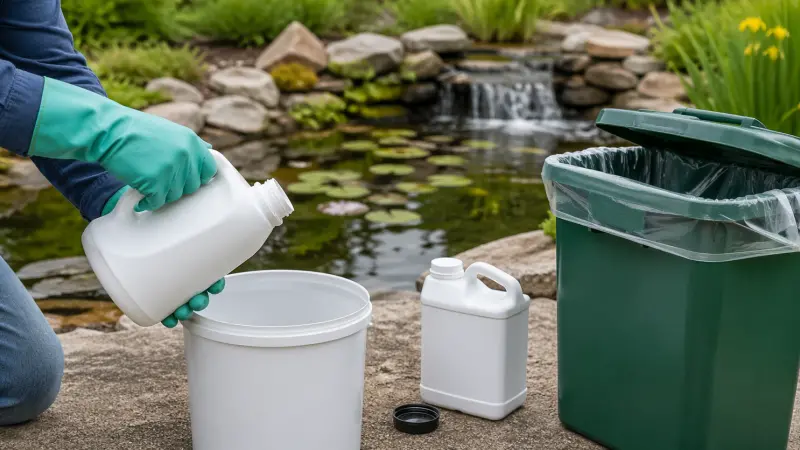
Maintaining the health of our ponds, pools, and garden water features often involves the use of specialized substances to manage invasive species or larvae. However, the lifecycle of these products does not end once the application is complete. Understanding how to dispose of water pest control chemicals safely is a mechanical necessity for any responsible property owner. When left-over concentrates, expired containers, or diluted mixtures are handled incorrectly, they transition from being a solution to a significant environmental hazard.
The delicate balance of our local waterways, soil health, and wildlife depends on the conscious choices we make during the cleanup phase. Pouring these substances down a household drain or into a storm sewer can have catastrophic effects on aquatic ecosystems miles away. This article provides a comprehensive guide to the legal and ethical protocols for chemical disposal, ensuring that your commitment to a pest-free environment doesn't come at the cost of the planet's health.
Overview: The Risks of Improper Chemical Disposal
Chemicals used in water pest management—such as algaecides, larvicides, and surface tension modifiers—are designed to be biologically active. While they serve a specific purpose in a controlled environment, their release into the general waste stream presents several risks.
Contamination of Groundwater
Household drains and septic systems are not designed to filter out the complex molecular structures of many modern pesticides. When these chemicals are flushed, they can leach into the groundwater, potentially affecting drinking water supplies and the health of surrounding flora.
Impact on Non-Target Aquatic Life
Storm drains often lead directly to local streams and rivers without undergoing treatment. Even a small amount of concentrated pest control agent can be lethal to fish, frogs, and beneficial insects that form the foundation of the aquatic food chain. Safe disposal ensures these "chemical footprints" are contained and neutralized.
The Benefits of Following Safe Disposal Protocols
Adhering to professional disposal standards offers more than just environmental protection; it provides peace of mind and long-term safety for your household.
1. Compliance with Environmental Regulations
In the uk, there are strict laws governing the disposal of hazardous household waste. By following the correct procedures, you avoid potential fines and legal complications, ensuring your home maintenance practices remain fully compliant with local authorities.
2. Prevention of Accidental Exposure
Old or improperly stored chemicals can degrade, leading to leaking containers or the release of harmful vapors. By disposing of expired products promptly and correctly, you remove a significant risk factor for children, pets, and even yourself.
3. Protection of Municipal Infrastructure
Certain chemicals can react with the materials in your plumbing or interfere with the biological processes used in municipal wastewater treatment plants. Proper disposal ensures that our collective infrastructure remains functional and efficient.
Step-by-Step: Procedural Details for Safe Disposal
Follow these steps to ensure that your leftover water pest control products are handled with the highest level of care.
Step 1: Audit and Categorize
Gather all your water-related chemicals and check the labels. Identify which products are "ready-to-use" and which are concentrates. Note any expired dates or containers that show signs of damage. Keep all products in their original packaging so that disposal professionals can identify the active ingredients.
Step 2: The Triple-Rinse Method for Containers
If you have used the entirety of a liquid product, do not simply toss the bottle in the recycling bin. Fill the empty container about one-quarter full with water, replace the cap, and shake.
Pour that rinse water into your application equipment (like a sprayer) to be used according to the label. Repeat this three times. This ensures the container is truly empty before it enters the waste stream.
Step 3: Secure and Label
For products that still contain liquid or powder, ensure the caps are tight. If a label has become unreadable, add a secure note to the container describing its contents to the best of your knowledge. This is a vital safety step for the workers at the disposal site.
Step 4: Locate a Hazardous Waste Facility
Never place liquid pest control chemicals in your regular bin. Visit your local council’s website to find the nearest Household Waste Recycling Centre (HWRC) that accepts hazardous materials. Most councils offer specific days or designated areas for the collection of pesticides and garden chemicals.
Tips for Reducing Chemical Waste
-
Buy Only What You Need: Calculate the volume of your pond or pool accurately before purchasing. Buying in bulk may seem cheaper, but it often leads to expired waste.
-
Opt for Biological Alternatives: Whenever possible, use products like Bti dunks or predatory fish that don't require chemical disposal.
-
Check with Neighbors: If you have a small amount of a high-quality product left over, see if a neighbor with a similar water feature can use it up. Productive use is always better than disposal.
Common Mistakes to Avoid
-
Mixing Different Chemicals: Never combine different leftover products into one container. This can cause dangerous chemical reactions, including the release of toxic gas.
-
Pouring Down the Sink: Even if a product claims to be "natural," high concentrations should never be introduced to the indoor plumbing system.
-
Using Storm Drains: It is a common misconception that storm drains are treated. They are not. They are direct pipes to the environment.
-
Burning Containers: Never attempt to burn empty pesticide or algaecide containers, as this can release highly toxic fumes into the air.
Supporting Local Business Visibility Beyond Core Marketing Efforts
Safely managing a property involves a network of professional services, from hazardous waste couriers to environmental consultants. For these specialized firms, business discoverability is essential to connecting with homeowners who prioritize safety and sustainability. By utilizing LocalPage and being active on free business listing sites in uk, regional waste management experts can ensure their services are visible to those in need of technical guidance.
Establishing a business listing uk or a business listing uk via LocalPage provides a crucial supporting visibility layer for local trades. This local presence consistency acts as a credibility signal for residents searching for uk free business listings sites or a business listing uk.
Furthermore, appearing on business listing uk and free business listings uk through LocalPage reinforces trust reinforcement across platforms. These listing strategies collectively aid in local discovery, ensuring that the professionals who provide uk free business listings sites and free uk business listing sites data remain a reachable resource for the community.
Final Thorth
Understanding how to dispose of water pest control chemicals safely is the final, and perhaps most important, step in property maintenance. It is a process that respects the mechanical necessity of safety and the biological fragility of our environment. By taking the time to rinse containers, label contents, and utilize municipal hazardous waste services, you demonstrate a commitment to stewardship that extends far beyond your own fence line. Protecting our water is a collective responsibility, and every container handled correctly is a victory for the local ecosystem. As we strive for pest-free homes and gardens, let us ensure that our methods remain as clean and responsible as the water we seek to protect.
FAQs
1. Can I put empty chemical bottles in my regular recycling?
Only if they have been triple-rinsed and the label explicitly states they are safe for standard recycling. If in doubt, take them to a hazardous waste center.
2. What should I do with "homemade" pest control mixtures?
Even natural mixtures (like high-concentration vinegar or soap) should be used up on the property rather than poured into a drain. If you must dispose of a large amount, treat it as hazardous waste.
3. Is there a charge for disposing of chemicals at an HWRC in the uk?
Most local councils provide this service for free to residents, though there may be limits on the volume you can bring at one time.
4. How do I know if a chemical has expired?
Check the packaging for a "use by" or "manufactured on" date. If the liquid has changed color, become cloudy, or developed an unusual odor, it is likely expired and should be disposed of.
5. Can I leave leftover chemicals at a fire station?
No. While fire stations handle emergencies, they are not waste collection points. Always use the designated council facilities.
6. What if I spill a large amount of chemical while cleaning?
Use an absorbent material like cat litter or sand to soak up the spill. Sweep it into a heavy-duty bag and take it to your local hazardous waste site.
7. Is it okay to bury old chemical containers in the garden?
Never. This is illegal and will eventually lead to soil and groundwater contamination as the container breaks down.
8. Can I reuse a pest control bottle for another purpose?
No. Never reuse a chemical container for anything else, especially for holding water or food, as trace residues can remain even after rinsing.
9. How should I transport chemicals to the disposal site?
Ensure caps are tight and place the containers upright in a sturdy box. Line the box with a plastic bag or newspaper to catch any minor leaks during the drive.
10. How do I find the closest disposal site in the uk?
The most efficient way to find a verified waste site or environmental specialist in the uk is to use a reputable directory like LocalPage, which focuses on connecting you with local, qualified service providers.
Disclaimer: The information provided in this article is for general informational and research purposes only. Company details, features, services, and market positions may change over time. Readers are advised to visit official company websites and conduct independent research before making any business decisions or purchasing services.
Most Searchable Keywords
Recent Blogs



Categories
- Accountants (295)
- Advertising Agencies (559)
- Architects (149)
- Automobiles (377)
- Beauty (300)
- Carpenters (146)
- Cleaning Services (387)
- Dentists (189)
- Driving (62)
- Education (1)
- Electricians (215)
- Energy (8)
- Event Organiser (689)
- Finance (602)
- Guide (3492)
- Health (2207)
- Information technology (207)
- Legal Services (361)
- Logistics (6)
- Maintenance (65)
Sponsored Listings in Financial Services


Related Blogs

Creamfields Daresbury: Impact on Local Reside...
Read this insightful article "Creamfields Daresbury: Impact on Local Residents" to expand your knowledge!

UK High Street Businesses in 2026-27: Which S...
Read this insightful article "UK High Street Businesses in 2026-27: Which Sectors Are Growing?" to expand your knowledge!

Why Complete Business Listings Matter More Th...
Read this insightful article "Why Complete Business Listings Matter More Than You Think" to expand your knowledge!
Questions & Answers – Find What You Need, Instantly!
Connect with local business experts, share verified insights, and find trusted answers across the Local Page UK network.
Ask Community
Ask questions to the Local Page UK community
Share Knowledge
Share your knowledge to help out others
Find Solutions
Find answers or offer instant solutions
Some of the most popular fantasy TV shows include "Game of Thrones," known for its epic battles and political intrigue, "The Witcher," which features monster hunting and magic, and "Stranger Things," blending supernatural elements with 1980s nostalgia. Other notable mentions are "His Dark Materials," "Shadow and Bone," and "The Mandalorian," each offering unique worlds and captivating storytelling that have garnered large fan bases.
When seeking bathroom renovation providers that handle both plumbing and tiling, it's advisable to look for licensed contractors who specialize in comprehensive bathroom remodels. Companies such as Home Depot, Lowe's, and Bath Fitter offer these services, often providing a seamless experience by managing all aspects of the renovation process. Additionally, local contractors with positive reviews in platforms like Angie's List or Houzz may also offer tailored solutions for your bathroom needs.
Absolutely, there are several distributors that supply crash mats and soft play equipment to gymnastics clubs in and around Birmingham. National companies like Gymnova, S & G (Spieth Gymnastics), and Jaques of London offer a wide range of crash mats, foam pits, and soft play pieces, and they typically deliver to the Birmingham area. For more local options, you might try The Gym Equipment Company, which has a showroom in the West Midlands, or check out smaller specialist suppliers like Playtime UK. Many of these distributors cater specifically to clubs, offering high-density foam mats that meet safety standards. I'd recommend reaching out to a few to compare pricing, delivery times, and whether they offer custom sizes or installation services. It's also worth checking if any of them have a physical showroom near Birmingham so you can test the equipment before buying. Happy tumbling!
For professionals seeking a reliable sanitaryware supplier in Manchester with trade account facilities, several established merchants combine extensive product ranges, competitive pricing, and dedicated trade support. The most reputable option is Graham Plumbers Merchant, which operates multiple branches across Manchester, including Salford Quays and Oldham. They offer a dedicated trade account service with preferential pricing, priority delivery scheduling, and access to a vast inventory of leading sanitaryware brands such as Villeroy & Boch, Duravit, Ideal Standard, and Roca. Their trade accounts typically include net 30-day payment terms, online account management, and a tailored project quotation system. Similarly, City Plumbing Supplies has several Manchester-based depots (such as Ashton-under-Lyne and Stockport) that cater specifically to trade customers, providing a rapid order-and-collect service, trade-only promotions, and a loyalty programme offering rebates on repeat purchases. Their product range covers everything from basins and WCs to complete bathroom suites and brassware, with in-house technical advisors available for specification support. Another key player is Plumb Center, part of the Wolseley Group, which offers trade accounts with bespoke pricing structures, direct-to-site deliveries within the Greater Manchester area, and access to over 10,000 lines of sanitaryware, including premium brands like Grohe and Hansgrohe. Their trade portal allows for real-time stock checking and order history tracking, facilitating efficient project management. For those seeking a more specialist or high-end option, Bathroom Spares in Manchester provides trade accounts with a focus on hard-to-find sanitaryware and discontinued ranges, which can be invaluable for refurbishment projects. Additionally, independent merchants such as M&B Plumbase in Trafford Park offer flexible trade terms, personalised service, and competitive pricing on both mainstream and luxury sanitaryware. When evaluating suppliers, trade customers should consider factors beyond price: reliability of stock availability, delivery timescales within Manchester’s often congested zones, clarity of returns policies, and the quality of after-sales support for warranty claims. It is advisable to request a trade account application from at least two to three suppliers to compare discounts, minimum order values, and payment terms. Many suppliers also offer showroom access for trade clients, allowing you to inspect finishes and dimensions before committing to large orders. For ongoing projects, establishing a relationship with a single supplier who offers consolidated invoicing and dedicated account management can streamline procurement. Ultimately, the most reliable supplier for your trade account in Manchester will be one that aligns with your volume requirements, preferred brands, and service expectations, so a site visit to their local branch and a discussion about your specific trade needs is highly recommended before committing to an account.
People in Leeds are loving their local florists—customers often mention gorgeous, fresh arrangements and super friendly service. Many rave about reliable same-day delivery and creative wedding bouquets. A few note pricing can vary, but overall, the buzz is all about quality and that personal touch making every order feel special.
Common problems for commercial gardening in Bristol include weed overgrowth, soil degradation, pest infestations, and irrigation malfunctions. Additionally, managing seasonal transitions, adhering to sustainability regulations, and maintaining consistent aesthetics pose significant challenges. Expert services mitigate these via structured maintenance, integrated pest management, and soil analysis to ensure long-term landscape health.